English
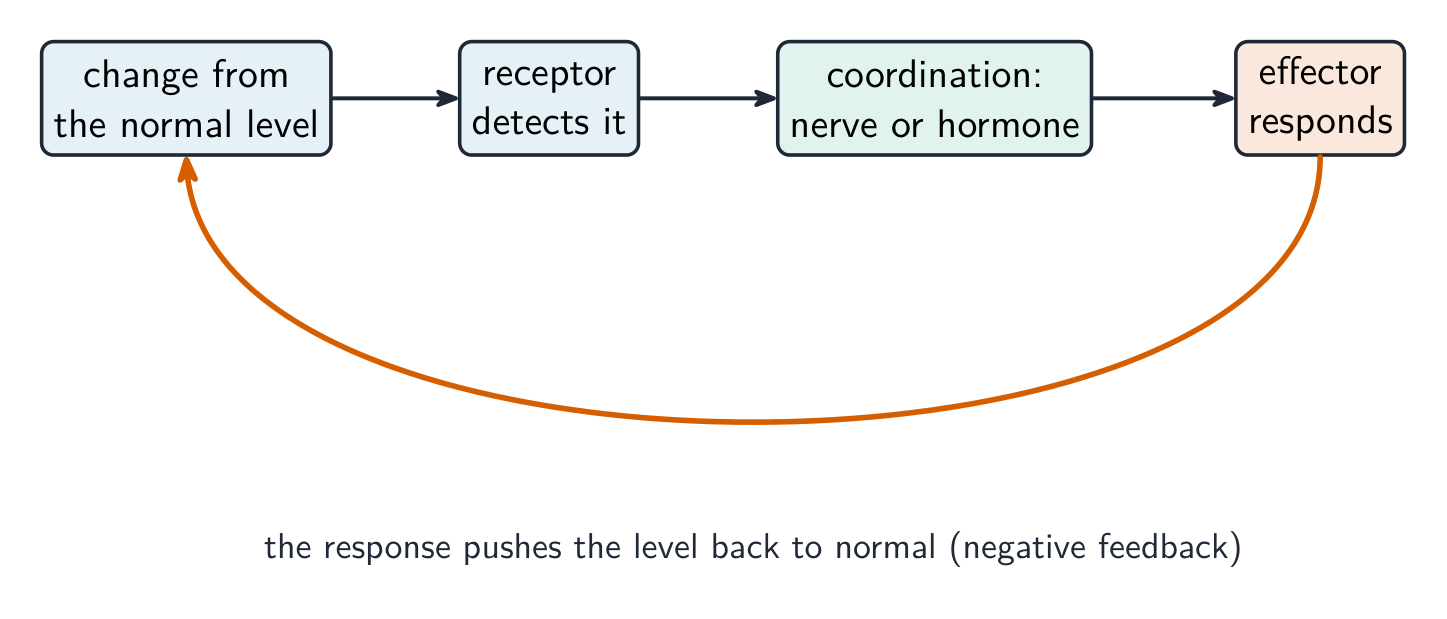
- explain what is meant by homeostasis and the importance of homeostasis in mammals
- explain the principles of homeostasis in terms of internal and external stimuli, receptors, coordination systems (nervous system and endocrine system), effectors (muscles and glands) and negative feedback
- state that urea is produced in the liver from the deamination of excess amino acids
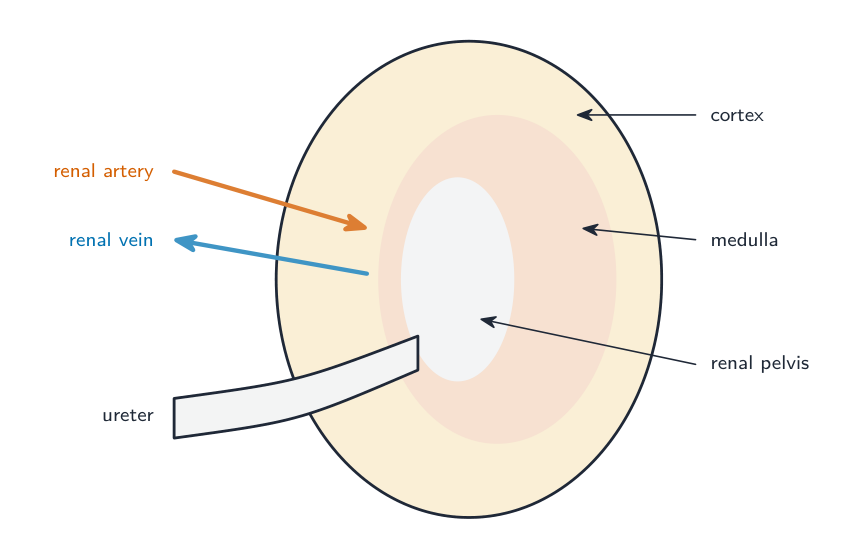
- describe the structure of the human kidney, limited to: • fibrous capsule • cortex • medulla • renal pelvis • ureter • branches of the renal artery and renal vein
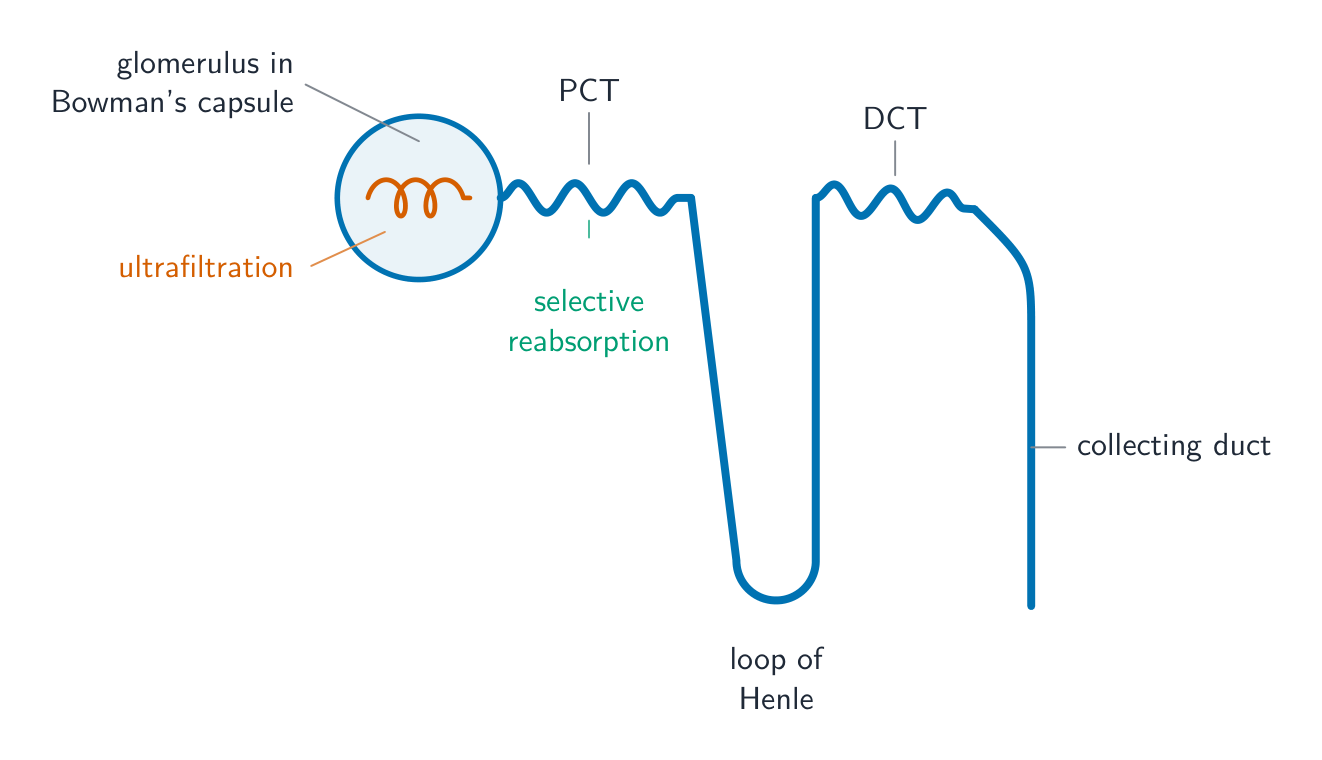
- Identify, in diagrams, photomicrographs and electron micrographs, the parts of a nephron and its associated blood vessels and structures, limited to: • glomerulus • Bowman’s capsule • proximal convoluted tubule • loop of Henle • distal convoluted tubule • collecting duct
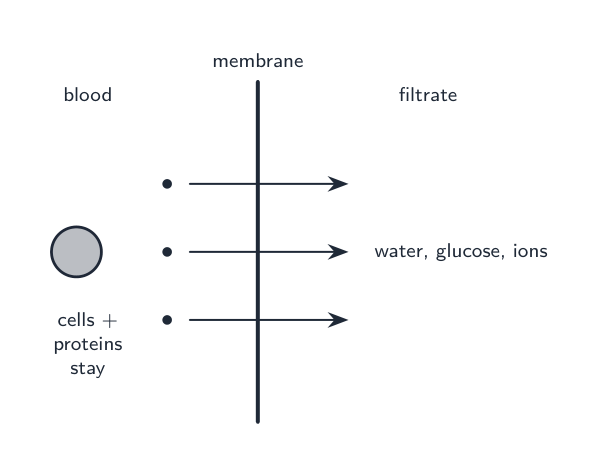
- describe and explain the formation of urine in the nephron, limited to: • the formation of glomerular filtrate by ultrafiltration in the Bowman’s capsule • selective reabsorption in the proximal convoluted tubule
- relate the detailed structure of the Bowman’s capsule and proximal convoluted tubule to their functions in the formation of urine
- describe the roles of the hypothalamus, posterior pituitary gland, antidiuretic hormone (ADH), aquaporins and collecting ducts in osmoregulation
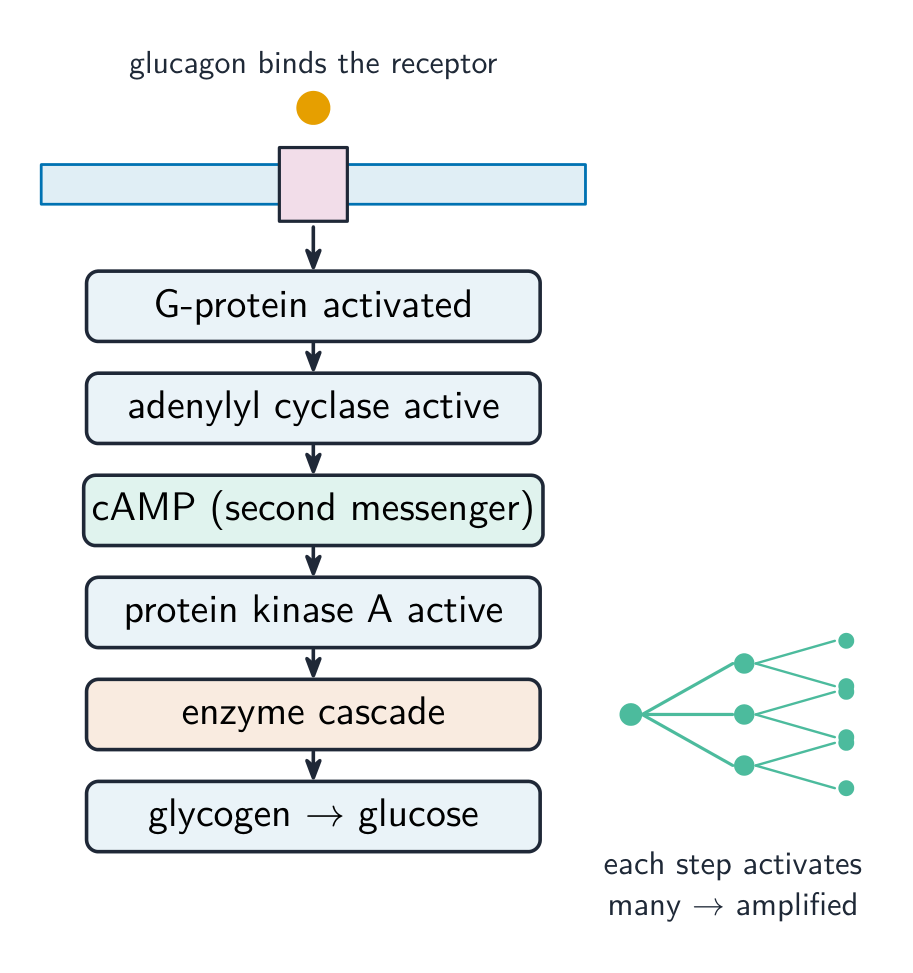
- describe the principles of cell signalling using the example of the control of blood glucose concentration by glucagon, limited to: • binding of hormone to cell surface receptor causing conformational change • activation of G-protein leading to stimulation of adenylyl cyclase • formation of the second messenger, cyclic AMP (cAMP) • activation of protein kinase A by cAMP leading to initiation of an enzyme cascade • amplification of the signal through the enzyme cascade as a result of activation of more and more enzymes by phosphorylation • cellular response in which the final enzyme in the pathway is activated, catalysing the breakdown of glycogen
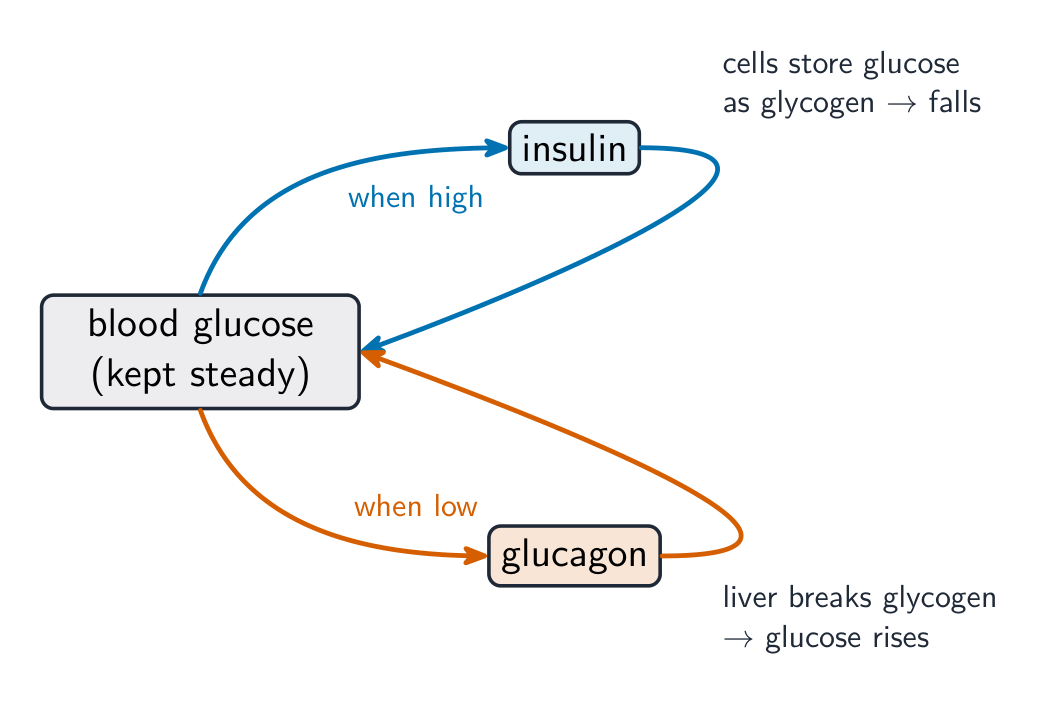
- explain how negative feedback control mechanisms regulate blood glucose concentration, with reference to the effects of insulin on muscle cells and liver cells and the effect of glucagon on liver cells
- explain the principles of operation of test strips and biosensors for measuring the concentration of glucose in blood and urine, with reference to glucose oxidase and peroxidase enzymes
العربية
- اشرح ما يعنيه مصطلح homeostasis وأهمية homeostasis عند الثدييات
- اشرح مبادئ homeostasis من حيث المحفزات الداخلية والخارجية، المستقبلات، أنظمة التنسيق (الجهاز العصبي والجهاز الغدي), المنفّذات (العضلات والغدد) والتغذية الراجعة السلبية
- أشر إلى أن اليوريا تُنتج في الكبد من خلال deamination للأحماض الأمينية الزائدة
- صف بنية الكلى البشرية، مقتصرة على: • kapsula ليفية • cortex • medulla • renal pelvis • ureter • فروع الشريان الكلوي والوريد الكلوي
- حدد، في المخططات والصور المجهرية الضوئية والمجهرية الإلكترونية، أجزاء الكُلية النُفِيثِيَّة (النيفرون) والأوعية الدموية والهياكل المرتبطة بها، مقتصرة على: • الكُرة glomerulus • كبسولة Bowman’s capsule • المعوى الداني المتعرج proximal convoluted tubule • حلقة هنle loop of Henle • المعوى البعيد المتعرج distal convoluted tubule • الأنبوب الجامع collecting duct
- صف واشرح تكوين البول في الكلية النفيتية، مقتصرة على: • تكوين الفلاتر الكروي glomerular filtrate عن طريق الترشيح الفائق ultrafiltration في كبسولة Bowman’s capsule • إعادة الامتصاص الانتقائي selective reabsorption في المعوى الداني المتعرج
- اربط البنية التفصيلية لكبسولة Bowman’s capsule والمعوى الداني المتعرج بوظائفهما في تكوين البول
- صف أدوار العقد تحت المهاد hypothalamus، والفص الخلفي للغدة النخامية posterior pituitary gland، وهرمون مضاد لإدرار البول antidiuretic hormone (ADH)، والمياه aquaporins والأنابيب الجامعة في تنظيم الأسموزية osmoregulation
- صف مبادئ إشارة الخلية cell signalling باستخدام مثال التحكم في تركيز جلوكوز الدم blood glucose concentration بواسطة الجلوكاجون glucagon، مقتصرة على: • ارتباط الهرمون بمستقبل سطح الخلية مما يسبب تغييراً في الشكل • تنشيط بروتين G مما يؤدي إلى تحفيز إنزيم adenylyl cyclase • تكوين الرسول الثاني second messenger، وهو AMP الحلقي cyclic AMP (cAMP) • تنشيط إنزيم protein kinase A بواسطة cAMP مما يؤدي إلى بدء سلسلة من الإنزيمات • تضخيم الإشارة عبر سلسلة الإنزيمات نتيجة تنشيط المزيد والمزيد من الإنزيمات عن طريق الفسفرة • الاستجابة الخلوية التي يتم فيها تنشيط الإنزيم الأخير في المسار، الذي يحفز تكسير الجليكوجين
- اشرح كيف تنظم آليات التحكم بالمغذية الراجعة السلبية تركيز جلوكوز الدم، بالإشارة إلى تأثير الأنسولين على خلايا العضلات وخلايا الكبد وتأثير الجلوكاجون على خلايا الكبد
- اشرح مبادئ عمل الشرائط الاختبارية والمستشيرات الحيوية biosensors لقياس تركيز الجلوكوز في الدم والبول، بالإشارة إلى إنزيمات أكسيداز الجلوكوز glucose oxidase وبيروكسيداز peroxidase