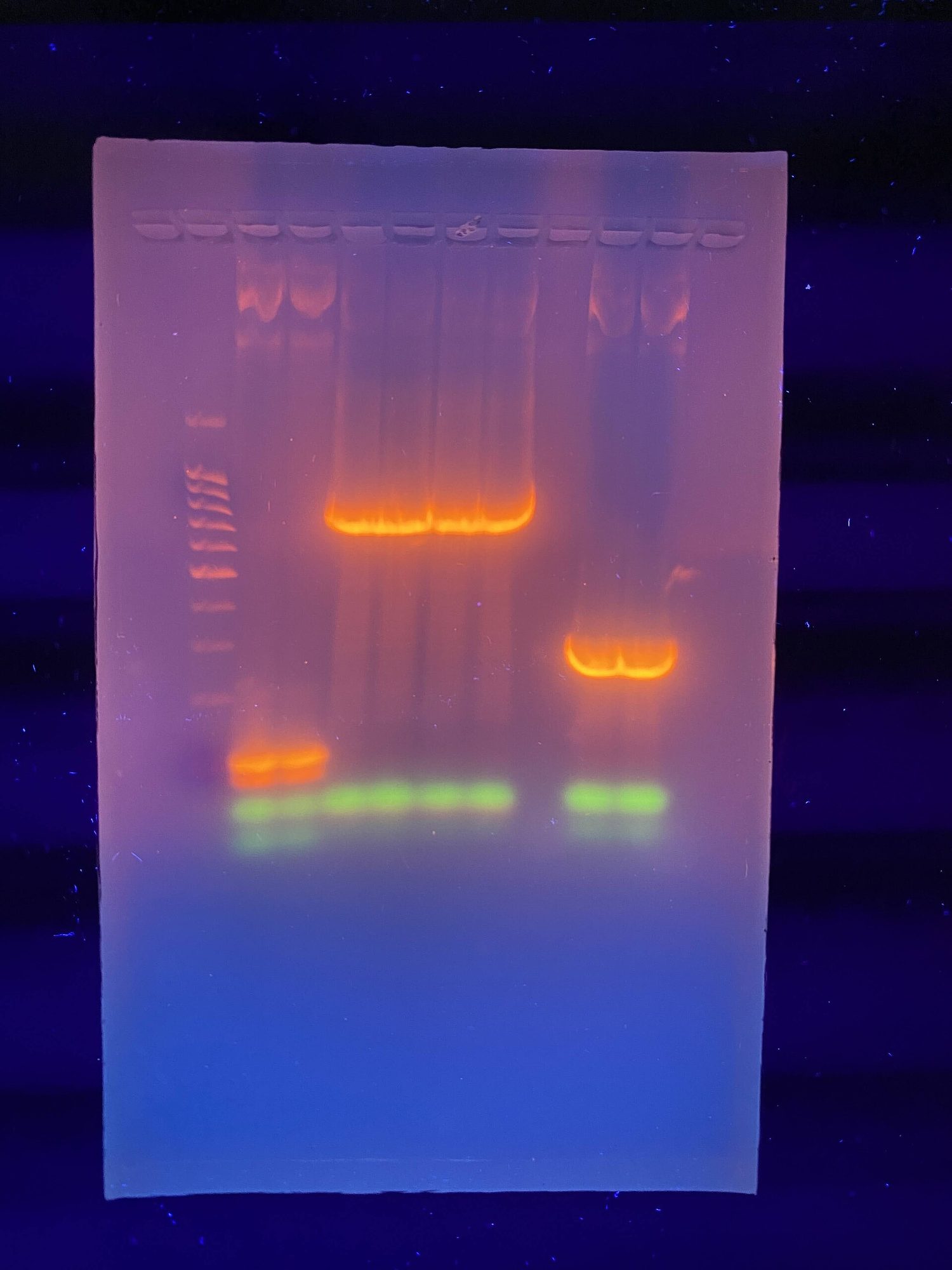
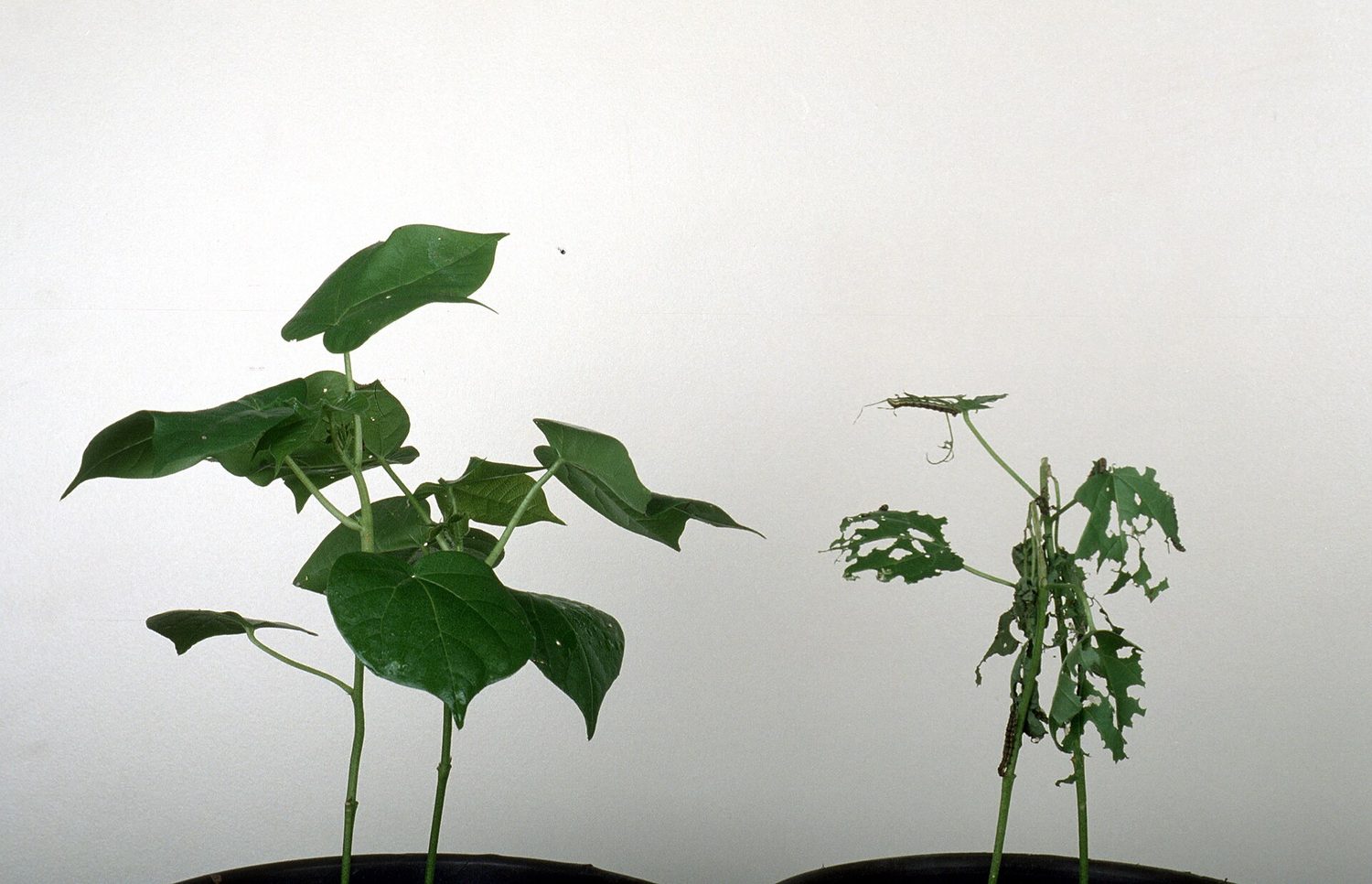
يبدأ منهج أ-ليفل في علم الأحياء (9700) من الخلية ويتجه للخارج: الأغشية والنقل، الدورة الخلوية الانقسامية، الأحماض النووية وتخليق البروتين، ثم النقل في النباتات والثدييات، التبادل الغازي، الأمراض المعدية والمناعة. يضيف أ-2 التنفس، البناء الضوئي، استقرار الحالة الداخلية، الوراثة، الانتقاء والتطور.
يُطلق على علم الأحياء اسم "علم الحفظ"، وهذا بالضبط ما يُفاجئ الطلاب. كلمة الأمر تقوم بالجزء الأكبر من العمل: "اشرح" تتطلب آلية، أما "صف" فلا. الوصف المثالي لا يحصل على أي درجة عندما تكون السؤال هو "اشرح".
تُصنف الإجابات بناءً على نقاط خطة التصحيح المحددة. جملة واحدة غامضة تغطي ثلاثة أفكار تحصل عادةً على درجة واحدة فقط، وليس ثلاث درجات.
make temporary preparations of cellular material suitable for viewing with a light microscope
draw cells from microscope slides and photomicrographs
calculate magnifications of images and actual sizes of specimens from drawings, photomicrographs and electron micrographs (scanning and transmission)
use an eyepiece graticule and stage micrometer scale to make measurements and use the appropriate units, millimetre (mm), micrometre (µm) and nanometre (nm)
define resolution and magnification and explain the differences between these terms, with reference to light microscopy and electron microscopy
العربية
إعداد تحضيرات مؤقتة للمواد الخلوية مناسبة للرؤية باستخدام مجهر ضوئي
رسم خلايا من شرائح المجهر و صور مجهرية فوتوغرافية
حساب التكبيرات للصور والأحجام الفعلية للعينات من الرسم والصور المجهرية الفوتوغرافية و الصور المجهرية الإلكترونية (المسح النافذ والنفاذ)
استخدام مقياس العدسة العينية و مقياس المسرح لإجراء القياسات واستخدام الوحدات المناسبة، المليمتر (mm)، الميكرومتر (µm) والنانومتر (nm)
تعريف الدقة و التكبير وشرح الفروق بين هذين المصطلحين، بالإشارة إلى المجهر الضوئي والمجهر الإلكتروني
Source: Cambridge International syllabus · المصدر: منهج كامبريدج الدولي
Cells 细胞 are very small, so you cannot see them with your eyes alone. You use a microscope 显微镜 to make a bigger picture of them. The first kind you meet is the light microscope 光学显微镜. It shines light through a thin specimen 标本 (the material you look at) and uses glass lenses to enlarge the view.
A light microscope: light passes up through the specimen, then two lenses (the objective and the eyepiece) magnify it
Making a slide and drawing what you see
To look at living material, you make a temporary preparation 临时装片. You put a small, thin piece of material on a glass slide 载玻片, add a drop of stain 染色剂 (a coloured liquid that makes parts easier to see), then lower a thin cover slip 盖玻片 on top to flatten it and keep out air.
Making a temporary wet mount — lower the cover slip at an angle so no air bubbles are trapped
When you draw cells from a slide or a photograph, follow simple rules:
use a sharp pencil and clear, single lines (no shading).
draw only what you can really see, with the parts in the correct sizes.
label the parts with straight lines that do not cross.
Magnification and actual size
Magnification 放大倍数 tells you how many times bigger the image is than the real object. It has no unit. You find it with one equation:
Magnification = image size ÷ actual size
$$\text{magnification} = \frac{\text{size of image}}{\text{actual size of object}}$$
You can rearrange this to find any one value from the other two:
$$\text{actual size} = \frac{\text{size of image}}{\text{magnification}}$$
The top and the bottom of the fraction must use the same unit. Cells are tiny, so you work in small units:
$1\ \text{mm} = 1000\ \text{micrometre}$ 微米 (µm)
$1\ \text{µm} = 1000\ \text{nanometre}$ 纳米 (nm)
so $1\ \text{mm} = 1\,000\,000\ \text{nm}$.
Worked example. In a photomicrograph at magnification $5000$, a chloroplast 叶绿体 measures $25\ \text{mm}$ across. Its actual size is
The same equation works for drawings, photomicrographs 显微照片 (photos taken through a light microscope) and electron micrographs 电子显微照片 (the most detailed photos, explained below). Always convert to the same unit first, then divide.
Eyepiece graticule and stage micrometer
To measure a real cell under the microscope, you use an eyepiece graticule 目镜测微尺 — a tiny scale inside the eyepiece. Its divisions have no fixed size, so first you must calibrate 校准 them (work out what one division is worth).
You calibrate using a stage micrometer 载物台测微尺 — a special slide with an accurate scale on it (often $1\ \text{mm}$ split into $100$ parts, so each part is $10\ \text{µm}$). You line up the two scales, count how many graticule divisions fit a known length, and divide. Once calibrated, you can swap in your specimen and measure it with the graticule.
Calibrate the graticule by lining it up with the stage micrometer's known scale
Resolution and magnification
These two words are easy to mix up. The examiner gives marks for the difference.
Magnification is how many times bigger the image is than the object.
Resolution 分辨率 is the smallest distance between two points that still lets you see them as two separate points.
Making an image bigger does not always show more detail. Past a certain point you just get a bigger, blurry image. Resolution sets the real limit on detail.
A light microscope has lower resolution because light has a fairly long wavelength 波长. An electron microscope 电子显微镜 uses beams of electrons 电子 instead of light. Electrons have a much shorter wavelength, so the resolution is far higher and you can see very small structures inside the cell. There are two kinds: scanning 扫描 (shows the surface in 3D) and transmission 透射 (passes electrons through a thin slice to show inside detail).
Resolution: a light microscope blurs two very close points into one; an electron microscope, with its shorter wavelength, resolves them as two
Explore · استكشف
Microscope decision lab · معمل قرار المجهر
Choose the right microscopy idea from what the student wants to see. · اختر الفكرة الميكروسكوبية الصحيحة بناءً على ما يريد الطالب رؤيته.
recognise organelles and other cell structures found in eukaryotic cells and outline their structures and functions, limited to: • cell surface membrane • nucleus, nuclear envelope and nucleolus • rough endoplasmic reticulum • smooth endoplasmic reticulum • Golgi body (Golgi apparatus or Golgi complex) • mitochondria (including the presence of small circular DNA) • ribosomes (80S in the cytoplasm and 70S in chloroplasts and mitochondria) • lysosomes • centrioles and microtubules • cilia • microvilli • chloroplasts (including the presence of small circular DNA) • cell wall • plasmodesmata • large permanent vacuole and tonoplast of plant cells
describe and interpret photomicrographs, electron micrographs and drawings of typical plant and animal cells
compare the structure of typical plant and animal cells
state that cells use ATP from respiration for energy-requiring processes
outline key structural features of a prokaryotic cell as found in a typical bacterium, including: • unicellular • generally 1–5 μm diameter • peptidoglycan cell walls • circular DNA • 70S ribosomes • absence of organelles surrounded by double membranes
compare the structure of a prokaryotic cell as found in a typical bacterium with the structures of typical eukaryotic cells in plants and animals
state that all viruses are non-cellular structures with a nucleic acid core (either DNA or RNA) and a capsid made of protein, and that some viruses have an outer envelope made of phospholipids
العربية
التعرف على العُضيات والهياكل الخلوية الأخرى الموجودة في الخلايا حقيقية النواة ورسم هيكلي لأجزائها ووظائفها، مقتصراً على: • غشاء السطح الخلوي • النواة، الغلاف النووي والنوية • الشبكة الإندوبلازمية الخشنة • الشبكة الإندوبلازمية الملساء • جهاز جولجي (جسيم جولجي أو مجموعة جولجي) • الميتوكوندريا (بما في ذلك وجود DNA دائري صغير) • الريبوسومات (80S في السيتوبلازم و70S في البلاستيدات الخضراء والميتوكوندريا) • الجسيمات الحالة • المريكزات والألياف الدقيقة • الأهداب • الزغابات الدقيقة • البلاستيدات الخضراء (بما في ذلك وجود DNA دائري صغير) • الجدار الخلوي • المسافات الخلوية • فجوة عصارية كبيرة وجدارها في خلايا النبات
وصف وتفسير الصور المجهرية الفوتوغرافية والصور المجهرية الإلكترونية والرسم التوضيحي للخلايا النباتية والحيوانية النموذجية
مقارنة هيكل الخلايا النباتية والحيوانية النموذجية
stating that cells use ATP from respiration for energy-requiring processes
صِف الميزات الهيكلية الرئيسية لـ الخلية بدائية النواة كما توجد في بكتيريا نموذجية، بما في ذلك: • وحيدة الخلية • قطرها عادةً 1–5 ميكرومتر • جدران خلوية من البيبتيدوجلايكان • DNA دائري • ريبوسومات 70S • غياب العضيات المحاطة بأغشية مزدوجة
قارن بين بنية الخلية بدائية النواة كما توجد في بكتيريا نموذجية وبنى الخلايا حقيقية النواة النموذجية في النباتات والحيوانات
بيّن أن جميع الـ فيروسات هي هياكل غير خلوية تحتوي على نواة حمض نووي (سواء كان DNA أو RNA) وأغلفة بروتينية تتكون من البروتين، وأن بعض الفيروسات تمتلك غلافًا خارجيًا مصنوعًا من الدهون الفسفورية
Source: Cambridge International syllabus · المصدر: منهج كامبريدج الدولي
Plant and animal cells are eukaryotic cells 真核细胞: their DNA is kept inside a nucleus 细胞核. Inside the cell are many small parts called organelles 细胞器, each with its own job. The jelly-like fluid around them is the cytoplasm 细胞质.
A generalised animal cell and its organellesA plant cell also has a cell wall, chloroplasts and a large vacuole
In a photomicrograph or electron micrograph you identify organelles by their shape, size and position; in a drawing you show their outlines and label them.
Organelle
Structure
Function
cell surface membrane 细胞膜
thin layer around the cell
controls what enters and leaves the cell
nucleus
large, surrounded by a nuclear envelope 核膜 (a double membrane with holes); contains a nucleolus 核仁
holds the DNA; controls the cell; the nucleolus makes ribosomes
rough endoplasmic reticulum 粗面内质网 (rough ER)
sheets of membrane with ribosomes on the surface
makes and transports proteins 蛋白质 (for example antibodies 抗体)
smooth endoplasmic reticulum 滑面内质网 (smooth ER)
sheets of membrane, no ribosomes
makes lipids 脂质
Golgi body 高尔基体
stack of flat membrane sacs
changes and packs proteins and lipids into vesicles 囊泡 for secretion 分泌
mitochondria 线粒体
oval, with a folded inner membrane; has small circular DNA
site of respiration 呼吸作用 — releases energy 能量 as ATP
ribosomes 核糖体
very small; $80\text{S}$ in the cytoplasm, $70\text{S}$ in chloroplasts and mitochondria
join amino acids 氨基酸 to synthesise 合成 proteins
lysosomes 溶酶体
small sacs of enzymes 酶
break down old organelles and waste
centrioles 中心粒 and microtubules 微管
small tubes made of protein
help move chromosomes and form the cell's "skeleton"
cilia 纤毛
tiny hairs on the cell surface that beat
move fluid or move the cell
microvilli 微绒毛
tiny folds of the cell surface membrane
increase surface area for absorption 吸收
chloroplasts (plants)
green, with stacked membranes; has small circular DNA
site of photosynthesis 光合作用
cell wall 细胞壁 (plants)
strong outer layer of cellulose 纤维素
supports and protects the cell; stops it bursting
plasmodesmata 胞间连丝 (plants)
tiny channels through the cell walls
link the cytoplasm of neighbouring cells
large permanent vacuole 液泡 (plants)
big sac of watery fluid, with a membrane called the tonoplast 液泡膜
stores water and keeps the cell firm
Cells use ATP made in respiration as their energy supply for every job that needs energy, such as making proteins, moving things and dividing.
Comparing plant and animal cells
Feature
Plant cell
Animal cell
cell wall
present (cellulose)
absent
chloroplasts
present
absent
large permanent vacuole
present
absent (only small, temporary ones)
centrioles
absent in most
present
shape
fixed and regular
rounder and more flexible
Both have a cell surface membrane, cytoplasm, a nucleus, mitochondria, ribosomes, ER and a Golgi body.
Explore · استكشف
Explore an animal cell · استكشاف خلية حيوانية
Tap each numbered part to check you know its job — the same organelles as the table above. · اضغط على كل جزء مرقم للتحقق من معرفتك بوظيفته — نفس العضيات الموجودة في الجدول أعلاه.
A prokaryotic cell 原核细胞, such as a bacterium 细菌, is much smaller and simpler than a eukaryotic cell. Its key features are:
unicellular 单细胞 — it is a single cell.
generally $1$–$5\ \text{µm}$ across.
a cell wall made of peptidoglycan 肽聚糖 (not cellulose).
circular DNA lying free in the cytoplasm — there is no nucleus.
$70\text{S}$ ribosomes (smaller than the $80\text{S}$ ones in the cytoplasm of eukaryotes).
no organelles surrounded by a double membrane — so no nucleus, no mitochondria and no chloroplasts.
A prokaryotic cell: the circular DNA (nucleoid) lies free, with no nucleus and no double-membrane organelles
Comparing prokaryotic and eukaryotic cells
Feature
Prokaryotic cell
Eukaryotic cell
size
about $1$–$5\ \text{µm}$
about $10$–$100\ \text{µm}$
DNA
circular, free in cytoplasm
linear, inside a nucleus
nucleus
none
present
double-membrane organelles
none
mitochondria (and chloroplasts in plants)
ribosomes
$70\text{S}$
$80\text{S}$ (with $70\text{S}$ inside mitochondria and chloroplasts)
cell wall
peptidoglycan
cellulose (plants) or none (animals)
Explore · استكشف
Explore a bacterial cell · استكشاف خلية بكتيرية
A prokaryote is smaller and simpler. Tap each part — notice there is no nucleus and no double-membrane organelles. · بدائية النواة أصغر وأكثر بساطة. اضغط على كل جزء — لاحظ عدم وجود نواة ولا عضيات ذات غشاء مزدوج.
All viruses 病毒 are non-cellular 非细胞 — they are not made of cells at all. Each virus is built from just two or three parts:
a core of nucleic acid 核酸, which is either DNA or RNA (never both).
a protein coat around the core called a capsid 衣壳.
in some viruses, an outer envelope 包膜 made of phospholipids 磷脂.
A real virus, magnified hugely. The rounded head is the protein capsid wrapped around the nucleic acid core; the tail injects that nucleic acid into a bacterium. Note the scale bar — the whole virus is about 100 nm, far smaller than any cellA generalised virus: nucleic acid inside a protein capsid, with a lipid envelope in some viruses
A virus has no cytoplasm, no organelles and no ribosomes. It cannot respire or make its own proteins. It can only copy itself inside a living host 宿主 cell, so it sits at the edge of what we call "living".
Explore · استكشف
Explore a virus · استكشاف فيروس
A virus is non-cellular — just a few parts. Tap each one: there is no cytoplasm, no organelles and no ribosomes. · الفيروس غير خلوي — مجرد بضعة أجزاء. اضغط على كل واحد: لا يوجد سيتوبلازم ولا عضيات ولا ريبوسومات.
Magnification $=$ image size $\div$ actual size — convert units first ($\text{mm} \leftrightarrow \mu\text{m} \leftrightarrow \text{nm}$), then rearrange for whichever is unknown.
Distinguish magnification (how many times larger) from resolution (smallest distance still seen as two points); electron microscopes resolve more because electrons have a shorter wavelength.
Give each organelle a structure + function pair (e.g. mitochondrion: folded inner membrane → aerobic respiration).
State the prokaryote vs eukaryote differences exactly: no nucleus, smaller (70S) ribosomes, no membrane-bound organelles, circular DNA.
Viruses are non-living — describe them only by capsid, genetic material and (sometimes) an envelope.
describe and carry out the Benedict’s test for reducing sugars, the iodine test for starch, the emulsion test for lipids and the biuret test for proteins
describe and carry out a semi-quantitative Benedict’s test on a reducing sugar solution by standardising the test and using the results (time to first colour change or comparison to colour standards) to estimate the concentration
describe and carry out a test to identify the presence of non-reducing sugars, using acid hydrolysis and Benedict’s solution
العربية
صف وأجرِ اختبار بينديكت لـ السكريات المختزلة، اختبار اليود لـ النشا، اختبار المستحلب لـ الدهون واختبار بيورييت لـ البروتينات
صف وأجرِ اختبار بينديكت نصفي كمي على محلول سكري مختزل عن طريق معايرة الاختبار واستخدام النتائج (الوقت حتى أول تغير لوني أو المقارنة بمعايير الألوان) لتقدير التركيز
صف وأجرِ اختباراً لتحديد وجود السكريات غير المختزلة، باستخدام التحلل المائي بالحامض ومحلول بيندكت
Source: Cambridge International syllabus · المصدر: منهج كامبريدج الدولي
Living things are built from four main kinds of large molecule 分子: carbohydrates 碳水化合物, lipids 脂质, proteins 蛋白质 and nucleic acids 核酸. You can use simple chemical tests to find out which kinds are present in a sample.
Benedict's test: blue turns green, then orange, then brick-red as more reducing sugar is present
Test
What it finds
Method
Positive result
Benedict's test
reducing sugar 还原糖
add Benedict's solution and heat in a water bath
blue changes to green, yellow, orange, then brick-red precipitate 沉淀
iodine test
starch 淀粉
add orange-brown iodine 碘 solution
colour changes to blue-black
emulsion test
lipid
mix sample with ethanol, then pour into water
a white, cloudy emulsion 乳浊液 forms
biuret 双缩脲 test
protein
add biuret solution at room temperature
blue changes to purple
Semi-quantitative Benedict's test
The normal Benedict's test only tells you "yes or no". A semi-quantitative 半定量 test gives a rough amount. First you standardise 标准化 the test: you run it on solutions of known concentration 浓度 and record the result for each. Then you can estimate an unknown by either:
the time to the first colour change (more sugar changes colour faster), or
comparing the final colour to your set of colour standards.
Testing for non-reducing sugars
Some sugars, such as sucrose, are non-reducing sugar 非还原糖: they give a negative Benedict's test. To detect them:
Do a normal Benedict's test first. It stays blue (no reducing sugar).
Take a fresh sample and add dilute hydrochloric acid 盐酸, then heat. This acid hydrolysis breaks the sugar into smaller reducing sugars.
Cool, then neutralise 中和 the acid with sodium hydrogencarbonate.
Now do the Benedict's test again. A brick-red colour shows a non-reducing sugar was present.
Testing for a non-reducing sugar: hydrolyse it with acid first, then the second Benedict's test turns red
Worked example. A solution gives a negative Benedict's test. It is then boiled with dilute hydrochloric acid, neutralised with sodium hydrogencarbonate, and re-tested with Benedict's - now it turns brick-red. What was present, and why is each step needed? The first negative result rules out a reducing sugar. Boiling with acid hydrolyses the glycosidic bond, splitting a non-reducing sugar such as sucrose into its reducing monosaccharides. The neutralising step is essential because Benedict's only works in alkaline conditions - skip it and the test fails even when sugar is present. The positive re-test therefore shows a non-reducing sugar was there all along. Quote the first, negative test as part of the answer: without it, the final red colour cannot tell a non-reducing sugar from a reducing one.
Explore · استكشف
Testing for a non-reducing sugar · اختبار السكر غير المختزل
Step through the trick: a non-reducing sugar stays blue, so you hydrolyse it with acid, neutralise, then re-test. · مرر بخطوات الحيلة: يبقى السكر غير المختزل أزرق، لذا تقوم بتكسيره بالحامض، ثم تعادله، ثم تختبره مجددًا.
describe and draw the ring forms of α-glucose and β-glucose
define the terms monomer, polymer, macromolecule, monosaccharide, disaccharide and polysaccharide
state the role of covalent bonds in joining smaller molecules together to form polymers
state that glucose, fructose and maltose are reducing sugars and that sucrose is a non-reducing sugar
describe the formation of a glycosidic bond by condensation, with reference to disaccharides, including sucrose, and polysaccharides
describe the breakage of a glycosidic bond in polysaccharides and disaccharides by hydrolysis, with reference to the non-reducing sugar test
describe the molecular structure of the polysaccharides starch (amylose and amylopectin) and glycogen and relate their structures to their functions in living organisms
describe the molecular structure of the polysaccharide cellulose and outline how the arrangement of cellulose molecules contributes to the function of plant cell walls
state that triglycerides are non-polar hydrophobic molecules and describe the molecular structure of triglycerides with reference to fatty acids (saturated and unsaturated), glycerol and the formation of ester bonds
relate the molecular structure of triglycerides to their functions in living organisms
describe the molecular structure of phospholipids with reference to their hydrophilic (polar) phosphate heads and hydrophobic (non-polar) fatty acid tails
العربية
صف وارسم الأشكال الحلقية لـ ألفا-جلوكوز و بيتا-جلوكوز
بيّن دور الروابط التساهمية في ربط الجزيئات الأصغر معاً لتكوين بوليمرات
بيّن أن الجلوكوز و الفركتوز و المالتوز هي سكريات مختزلة، وأن السكروز هو سكر غير مختزل
صف تكوين الرابط الجليكوسيدي عبر التكاثف، مع الإشارة إلى السكريات الثنائية بما فيها السكروز، والسكريات المتعددة
صف كسر الرابط الجليكوسيدي في السكريات المتعددة والثنائية عن طريق التحلل المائي، مع الإشارة إلى اختبار السكر غير المختزل
صف البنية الجزيئية للسكريات المتعددة النشا (أميلوز و أميلوبكتين) و الجلايكوجين وربط هياكلها بوظائفها في الكائنات الحية
صف البنية الجزيئية للسكر المتعدد السليلوز وبيّن كيف يساهم ترتيب جزيئات السليلوز في وظيفة جدران الخلايا النباتية
بيّن أن الدهون الثلاثية هي جزيئات قطبية غير قطبية كارهة للماء وصف البنية الجزيئية للدهون الثلاثية مع الإشارة إلى الأحماض الدهنية (مشبعة و غير مشبعة) و الجلسرين وتكوين الروابط الإسترية
اربط البنية الجزيئية للدهون الثلاثية بوظائفها في الكائنات الحية
صف البنية الجزيئية لـ الفوسفوليبيدات مع الإشارة إلى رؤوسها الفوسفاتية المحبة للماء (قطبية) وذيلاتها من الأحماض الدهنية الكارهة للماء (غير قطبية)
Source: Cambridge International syllabus · المصدر: منهج كامبريدج الدولي
Monomers, polymers and macromolecules
a monomer 单体 is a small molecule that is a single unit.
a polymer 聚合物 is a long molecule made of many monomers joined together.
a macromolecule 大分子 is any very large molecule.
Sugars come in three sizes:
a monosaccharide 单糖 is a single sugar unit, such as glucose 葡萄糖 and fructose.
a disaccharide 二糖 is two units joined, such as maltose and sucrose.
a polysaccharide 多糖 is many units joined into a polymer.
Glucose, fructose 果糖 and maltose 麦芽糖 are reducing sugars. Sucrose 蔗糖 is a non-reducing sugar.
Two ring forms of glucose
Glucose has six carbon atoms and forms a ring. There are two ring forms. They differ only at carbon 1:
in α-glucose, the –OH group on carbon 1 points down, below the ring.
in β-glucose, the –OH group on carbon 1 points up, above the ring.
This small difference decides which polysaccharide the glucose can build.
The two ring forms differ only at carbon 1: the –OH points down in α, up in β
Joining and breaking sugars
Monomers are joined by strong covalent bonds 共价键. When two sugars join, a glycosidic bond 糖苷键 forms between them. This happens by condensation 缩合: a molecule of water is removed each time a bond forms.
The reverse is hydrolysis 水解: a water molecule is added to break a glycosidic bond. This is why the non-reducing sugar test needs acid and heat — they hydrolyse sucrose into glucose and fructose.
Condensation removes water to join monomers; hydrolysis adds water to split them
Storage polysaccharides: starch and glycogen
Starch is the energy 能量 store in plants. It is made of two polymers of α-glucose:
amylose 直链淀粉 — a long, unbranched chain that coils into a spiral.
amylopectin 支链淀粉 — a chain with many side branches.
Glycogen 糖原 is the energy store in animals. It is like amylopectin but has even more branches, so it can be broken down quickly when energy is needed.
These stores suit their job well: they are compact, they are insoluble 不溶 (so they do not leave the cell), and they do not change the water potential 水势 of the cell (so they do not pull water in by osmosis 渗透). The many branches give many ends, so glucose can be added or removed fast.
Real starch grains inside a potato, stained by iodine. Each grain is a dense, insoluble package of amylose and amylopectin — note the scale: the largest are only about 0.1 mm across
Cellulose
Cellulose 纤维素 is made of β-glucose. Because of the β form, every other glucose is flipped over, so the chains are long and straight. Many straight chains lie side by side and are held together by hydrogen bonds 氢键 into strong bundles called microfibrils 微纤丝. These give the plant cell wall 细胞壁 its strength and stop the cell bursting.
The shape fits the job: amylose coils and amylopectin/glycogen branch (for compact stores), while straight cellulose chains pack into strong fibres
Explore · استكشف
Condensation and hydrolysis · التكاثف والتحلل المائي
Step through how two sugars join. Condensation removes one water to make the bond; hydrolysis is the reverse — adding water splits it again. · اتبع خطوات ارتباط سكرين. التكثف يزيل جزيء ماء واحد لتكوين الرابطة؛ التحلل المائي هو العكس — بإضافة الماء يتم تفكيكها مرة أخرى.
A triglyceride 甘油三酯 is the main fat or oil. It is non-polar 非极性 and hydrophobic 疏水 (it does not mix with water). It is made from one glycerol 甘油 molecule joined to three fatty acids 脂肪酸 by ester bonds 酯键. Each ester bond forms by condensation, so three water molecules are removed.
One glycerol plus three fatty acid tails; a straight tail is saturated, a kinked one unsaturated
Fatty acids are of two kinds:
saturated 饱和 — no carbon–carbon double bonds 双键; these fats are usually solid.
unsaturated 不饱和 — one or more double bonds; these oils are usually liquid.
Triglycerides make a good long-term energy store: they release about twice as much energy per gram as carbohydrates, they are insoluble, and they store little extra mass because they hold no water. Under the skin they also give insulation 隔热 and protect the organs.
Phospholipids
A phospholipid 磷脂 is like a triglyceride, but one fatty acid is replaced by a phosphate 磷酸 group. This gives the molecule two ends with different behaviour:
a hydrophilic 亲水 ("water-loving") polar 极性 phosphate head.
two hydrophobic ("water-fearing") fatty acid tails.
This split personality is why phospholipids form the membranes around cells.
The hydrophilic heads face the water; the hydrophobic tails hide inside, forming a bilayer
Explore · استكشف
Building a triglyceride · بناء ثلاثي甘油 (Triglyceride)
Watch one glycerol join three fatty acids. Each ester bond forms by condensation, removing one water — three bonds, three waters. · شاهد جزيء جليسرول يرتبط بثلاثة أحماض دهنية. تتشكل كل رابطة إستر بالتكثف، مزيلًا جزيء ماء واحد — ثلاث روابط، ثلاثة جزيئات ماء.
describe and draw the general structure of an amino acid and the formation and breakage of a peptide bond
explain the meaning of the terms primary structure, secondary structure, tertiary structure and quaternary structure of proteins
describe the types of interaction that hold protein molecules in shape: • hydrophobic interactions • hydrogen bonding • ionic bonding • covalent bonding, including disulfide bonds
state that globular proteins are generally soluble and have physiological roles and fibrous proteins are generally insoluble and have structural roles
describe the structure of a molecule of haemoglobin as an example of a globular protein, including the formation of its quaternary structure from two alpha (α) chains (α–globin), two beta (β) chains (β–globin) and a haem group
relate the structure of haemoglobin to its function, including the importance of iron in the haem group
describe the structure of a molecule of collagen as an example of a fibrous protein, and the arrangement of collagen molecules to form collagen fibres
relate the structures of collagen molecules and collagen fibres to their function
العربية
صف وارسم البنية العامة لـ حمض أميني وتكوين وكسر الرابط الببتيدي
اشرح معنى المصطلحات: البنية الأولية، البنية الثانوية، البنية الثالثية و البنية الرباعية للبروتينات
صف أنواع التفاعلات التي تحافظ على شكل جزيئات البروتين: • التفاعلات الكارهة للماء • الترابط الهيدروجيني • الترابط الأيوني • الترابط التساهمي، بما في ذلك الروابطثنائية الكبريت
بيّن أن البروتينات الكروية قابلة للذوبان عادةً ولها أدوار فسيولوجية، بينما البروتينات الليفية غير قابلة للذوبان عادةً ولها أدوار بنائية
صف بنية جزيء الهيموغلوبين كمثال على بروتين كروي، بما في ذلك تكوين بنيته الرباعية من سلسلتين ألفا (ألفا-جلوبين) وسلسلتين بيتا (بيتا-جلوبين) ومجموعة هيم
اربط بنية الهيموغلوبين بوظيفتها، بما في ذلك أهمية الحديد في مجموعة الهيم
صف بنية جزيء الكولاجين كمثال على بروتين ليفي، وترتيب جزيئات الكولاجين لتكوين ألياف الكولاجين
Source: Cambridge International syllabus · المصدر: منهج كامبريدج الدولي
Amino acids and the peptide bond
Proteins are polymers of amino acids 氨基酸. Every amino acid has the same general structure around a central carbon atom: an amino group 氨基 (–NH₂), a carboxyl group 羧基 (–COOH), a hydrogen atom, and a variable side chain 侧链 (the R group). The R group is different in each amino acid.
Two amino acids join by condensation. The bond formed between the amino group of one and the carboxyl group of the next is a peptide bond 肽键, and a water molecule is removed. Many amino acids joined this way make a polypeptide 多肽. Adding water (hydrolysis) breaks a peptide bond.
Every amino acid has an amino group, a carboxyl group and an R group; two join by a peptide bond
Four levels of protein structure
Level
What it means
primary structure 一级结构
the order of amino acids in the chain
secondary structure 二级结构
local shapes — the α-helix 螺旋 and the β-pleated sheet 折叠片 — held by hydrogen bonds
tertiary structure 三级结构
the whole chain folded into a precise 3-D shape
quaternary structure 四级结构
two or more polypeptide chains joined into one protein
The four levels: primary → secondary → tertiary → quaternary structure
The folded shape is held together by four kinds of interaction between R groups:
hydrophobic interactions 疏水作用 (non-polar R groups cluster away from water).
hydrogen bonding.
ionic bonds 离子键 (between charged R groups).
covalent bonding, including strong disulfide bonds 二硫键.
Globular and fibrous proteins
globular proteins 球状蛋白质 fold into a rounded shape, are usually soluble 可溶, and do jobs in the body (for example enzymes and haemoglobin).
fibrous proteins 纤维状蛋白质 form long strands, are usually insoluble, and give structure and support (for example collagen).
Haemoglobin — a globular protein
Haemoglobin 血红蛋白 carries oxygen 氧气 in red blood cells. It has a quaternary structure made of four polypeptide chains: two alpha (α-globin) chains and two beta (β-globin) chains. Each chain holds a haem group 血红素. At the centre of each haem group is an iron 铁 atom, and this is where one oxygen molecule binds. Four chains mean one haemoglobin molecule can carry four oxygen molecules.
A real haemoglobin molecule, worked out from X-ray data. Count them: two alpha chains (red), two beta chains (blue), and one green haem group held in each — so four oxygen molecules in total
Collagen — a fibrous protein
Collagen 胶原蛋白 gives strength to skin, tendons 肌腱, bone and blood vessel walls. One collagen molecule is three polypeptide chains wound tightly around each other in a triple strand, held by hydrogen bonds. Many of these molecules lie side by side, slightly staggered, and are cross-linked into thick fibres 纤维. The staggered, cross-linked arrangement makes collagen very strong when pulled.
Explore · استكشف
The four levels of protein structure · المستويات الأربعة لبنية البروتين
Build a protein up one level at a time: sequence → local shapes → a folded 3-D shape → several chains joined. · بناء بروتين مستوىً تلو الآخر: تسلسل → أشكال محلية → شكل مطوي ثلاثي الأبعاد 3-D → سلاسل متعددة متصلة معًا.
explain how hydrogen bonding occurs between water molecules and relate the properties of water to its roles in living organisms, limited to solvent action, high specific heat capacity and latent heat of vaporisation
العربية
اشرح كيفية حدوث الترابط الهيدروجيني بين جزيئات الماء وربط خصائص الماء بأدواره في الكائنات الحية، مقتصراً على عملية المذيب، و الحرارة النوعية العالية و حرارة تبخرLatent
Source: Cambridge International syllabus · المصدر: منهج كامبريدج الدولي
Water is a small molecule, but its two O–H bonds are polar: the oxygen end is slightly negative and the hydrogen ends are slightly positive. So one water molecule attracts its neighbours, forming weak hydrogen bonds between them. These hydrogen bonds explain water's useful properties:
solvent action — water is a good solvent 溶剂, so many substances dissolve in it. This lets reactions happen and lets substances be carried around the body.
high specific heat capacity 比热容 — water needs a lot of energy to warm up, so its temperature stays steady. This protects living things from quick temperature changes.
latent heat of vaporisation 汽化潜热 — water needs a lot of energy to evaporate 蒸发. So when water evaporates (for example as sweat dries), it carries away a lot of heat and cools the body.
Water is polar (δ− oxygen, δ+ hydrogens), so its molecules attract each other by hydrogen bonds — the reason for all the properties above
Explore · استكشف
Why water is polar · لماذا الماء جزيب قطبي
Tap each part. Oxygen pulls the shared electrons closer, so it is slightly negative and the hydrogens slightly positive — and these opposite charges form hydrogen bonds. · اضغط على كل جزء. يسحب الأكسجين الإلكترونات المشتركة نحوه، فيصبح سالباً قليلاً والهيدروجينات موجباً قليلاً — وتشكل هذه الشحنات المتناقضة روابط هيدروجينية.
state that enzymes are globular proteins that catalyse reactions inside cells (intracellular enzymes) or are secreted to catalyse reactions outside cells (extracellular enzymes)
explain the mode of action of enzymes in terms of an active site, enzyme–substrate complex, lowering of activation energy and enzyme specificity, including the lock-and-key hypothesis and the induced-fit hypothesis
investigate the progress of enzyme-catalysed reactions by measuring rates of formation of products using catalase and rates of disappearance of substrate using amylase
outline the use of a colorimeter for measuring the progress of enzyme-catalysed reactions that involve colour changes
العربية
بيّن أن الإنزيمات هي بروتينات كروية تحفز التفاعلات داخل الخلايا (إنزيمات داخل خلوية) أو تُفرز لتحفيز التفاعلات خارج الخلايا (إنزيمات خارج خلوية)
اشرح آلية عمل الإنزيمات من حيث الموقع النشط، معقد الإنزيم-المرتكز، lowering of طاقة التنشيط و تحديد الإنزيم، بما في ذلك فرضية القفل والمفتاح و فرضية التوافق المستحث
حَقِّق تقدم التفاعلات المحفزة بالإنزيمات عن طريق قياس معدلات تكون المنتجات باستخدام الكاتاليز ومعدلات اختفاء المرتكز باستخدام ** الأميليز**
صِف استخدام المقياس اللوني لقياس تقدم التفاعلات المحفزة بالإنزيمات التي تتضمن تغيرات لونية
Source: Cambridge International syllabus · المصدر: منهج كامبريدج الدولي
Enzyme action: lock and key
Enzymes 酶 are globular proteins 球状蛋白质 — a type of protein 蛋白质 with a rounded, soluble shape. They are biological catalysts: they catalyse 催化 (speed up) the chemical reactions in living things, and they are not used up, so each enzyme works again and again.
Enzymes work in two places:
intracellular 细胞内 enzymes work inside the cell 细胞 that made them. An example is catalase 过氧化氢酶, which breaks down harmful hydrogen peroxide.
extracellular 细胞外 enzymes are secreted 分泌 (sent out) to work outside the cell. An example is amylase 淀粉酶, which is released into the gut to digest 消化starch 淀粉.
Yeast enzymes ferment sugar, giving off bubbles of carbon dioxide
Each enzyme has a special pocket called the active site 活性位点. The molecule it acts on is its substrate 底物. The substrate fits into the active site to form an enzyme–substrate complex 酶底物复合物. The reaction then happens, and the products 产物 leave, freeing the active site for the next substrate.
Specificity
An enzyme is specific: it usually works on only one substrate. This is because the shape of the active site is complementary 互补 to (fits) the shape of that substrate and no other. We call this specificity 专一性.
Two ideas explain how the substrate fits:
the lock-and-key hypothesis 锁钥学说 — the active site is a fixed shape, and only a substrate with the matching shape fits, like a key in a lock.
the induced-fit hypothesis 诱导契合学说 — the active site is not quite the right shape at first. When the substrate binds, the active site changes shape a little to wrap around it tightly. This idea fits the evidence better.
Lock-and-key: a fixed active site. Induced fit: the active site changes shape to grip the substrate
Lowering activation energy
Every reaction needs a small "push" of energy to start, called the activation energy 活化能. An enzyme lowers the activation energy. This lets the reaction go quickly at the cell's normal temperature 温度, instead of needing high heat.
The enzyme route has a lower activation energy ($E_A$), so more molecules can react
Explore · استكشف
The catalytic cycle · الدورة التحفيزية
Step through the cycle. The enzyme binds its substrate, the reaction happens, the products leave — and the same enzyme is free to go again. · مرر بالخطوات في الدورة. يرتبط الإنزيم بمادة التفاعل، يحدث التفاعل، تغادر المنتجات — ويبقى نفس الإنزيم حراً للانتقال مرة أخرى.
measure how fast product is made. With catalase, oxygen gas is a product, so you collect the gas and measure its volume over time.
measure how fast substrate disappears. With amylase, you remove samples and use the iodine test; the blue-black colour fades as the starch is used up.
A colorimeter 比色计 makes this exact. It shines light through the tube and measures how much light is absorbed, so a colour change becomes a number you can plot.
The rate of reaction 反应速率 is steepest at the start (most substrate present), so the initial rate (the slope at time zero) is the fairest value to compare.
Product builds fastest at the start; the initial rate is the slope of the tangent at time zero — the fairest value to compare
Worked example. In the first $20$ seconds of a catalase reaction, $16\ \text{cm}^3$ of oxygen is collected. Estimate the rate of reaction.
$$\text{rate} = \frac{\text{volume of product}}{\text{time}} = \frac{16}{20} = 0.8\ \text{cm}^3\,\text{s}^{-1}.$$
Because the reaction is fastest at the start, measuring over this short early interval gives a value close to the initial rate; averaging over a longer time would include the slower later stages and underestimate it.
investigate and explain the effects of the following factors on the rate of enzyme-catalysed reactions: • temperature • pH (using buffer solutions) • enzyme concentration • substrate concentration • inhibitor concentration
explain that the maximum rate of reaction ($V_{\text{max}}$) is used to derive the Michaelis–Menten constant ($K_{\text{m}}$), which is used to compare the affinity of different enzymes for their substrates
explain the effects of reversible inhibitors, both competitive and non-competitive, on enzyme activity
investigate the difference in activity between an enzyme immobilised in alginate and the same enzyme free in solution, and state the advantages of using immobilised enzymes
العربية
حَقِّق واشرح تأثير العوامل التالية على معدل التفاعلات المحفزة بالإنزيمات: • درجة الحرارة • درجة الحموضة (باستخدام محاليل المنظم) • تركيز الإنزيم • تركيز المرتكز • تركيز المثبط
اشرح أن المعدل الأقصى للتفاعل ($V_{\text{max}}$) يُستخدم لاستنتاج ثابت مايكليس-مينتن ($K_{\text{m}}$)، والذي يُستخدم لمقارنة الألفة للإنزيمات المختلفة نحو مرتكزاتها
اشرح تأثيرات المثبطات العكسية، سواء المنافسة و غير المنافسة، على نشاط الإنزيم
حَقِّق الفرق في النشاط بين إنزيم مثبّت في الألبينات والإنزيم الحر في المحلول، وبيّن مزايا استخدام الإنزيمات المثبّتة
Source: Cambridge International syllabus · المصدر: منهج كامبريدج الدولي
Temperature
As temperature rises, molecules gain more kinetic energy 动能 and collide 碰撞 more often, so the rate rises. But above the optimum temperature 最适温度 the enzyme begins to denature 变性: the heat breaks the bonds holding its shape, so the active site changes and no longer fits the substrate. The rate then falls quickly.
Rate rises to the optimum, then falls fast as the enzyme denatures
pH
Each enzyme has an optimum pH. If the pH moves too far from it, the enzyme denatures and the rate drops. To study pH fairly, you keep it steady with a buffer solution 缓冲液.
The rate peaks at the optimum pH and falls away on either side
Enzyme concentration
With plenty of substrate, more enzyme means more active sites, so the rate goes up in proportion to enzyme concentration.
Substrate concentration
At first, adding more substrate speeds the reaction. But once every active site is busy, adding more makes no difference — the rate levels off at a maximum.
Inhibitor concentration
An inhibitor 抑制剂 is a molecule that slows an enzyme. The more inhibitor present, the lower the rate.
Explore · استكشف
How temperature changes enzyme activity · كيف تؤثر تغيرات درجة الحرارة على نشاط الإنزيم
Drag the temperature slider. Activity rises to an optimum, then crashes as the enzyme denatures and its active site loses shape. · اسحب شريط التحكم في درجة الحرارة. يرتفع النشاط إلى حد مثالي، ثم ينهار بشكل حاد عندما يتلف الإنزيم ويفقد موقعه النشط شكله.
The levelling-off rate, when all active sites are full, is the maximum rate, written $V_{\text{max}}$.
The Michaelis–Menten constant 米氏常数 ($K_{\text{m}}$) is the substrate concentration that gives half of $V_{\text{max}}$. It tells you about the enzyme's affinity 亲和力 (pulling power) for its substrate:
a low$K_{\text{m}}$ means the enzyme reaches half-speed at a low substrate concentration, so it has a high affinity.
a high$K_{\text{m}}$ means a low affinity.
So $K_{\text{m}}$ lets you compare how strongly different enzymes hold their substrates.
Rate climbs to $V_{\text{max}}$ when all active sites are full; $K_{\text{m}}$ is the substrate concentration giving half $V_{\text{max}}$
Explore · استكشف
Substrate concentration and Vmax · تركيز المادة المتفاعلة Vmax
Add more substrate: the rate climbs, then plateaus at $V_{max}$ once every active site is busy. $K_m$ is the substrate concentration that gives half of $V_{max}$. · أضف المزيد من المادة المتفاعلة: يرتفع المعدل، ثم يتسطح عند $V_{max}$ بمجرد اشتغال جميع المواقع النشطة. $K_m$ هو تركيز المادة المتفاعلة الذي يعطي نصف $V_{max}$.
An immobilised enzyme 固定化酶 is fixed in place — for example, trapped inside small beads of alginate 海藻酸盐 — instead of floating free in solution. The substrate solution flows past the beads.
The enzymes stay trapped in the bead while substrate flows in and product flows out — so the enzyme is never washed away
A free enzyme usually works a little faster, because the substrate can reach it easily. But immobilised enzymes have big practical advantages:
the enzyme is not washed away, so it can be used again and again.
the product is pure — it is not mixed with enzyme.
the enzyme is more stable, so it survives changes in temperature and pH better.
the process can run continuously, with substrate flowing in and product flowing out.
Biological washing powders contain enzymes that digest food and blood stains at low temperatures
Explain enzyme action with the induced-fit model (the active site moulds around the substrate) — now preferred to lock-and-key.
Above the optimum the enzyme denatures (hydrogen bonds and tertiary structure break) — write "denatures", never "dies" or "is killed".
Distinguish inhibitors: competitive binds the active site (overcome by more substrate, same $V_{max}$); non-competitive binds elsewhere (lower $V_{max}$).
Compare rates using the initial rate (tangent at time zero) — the fairest measure, before substrate becomes limiting.
4
Cell membranes and transport · غشاء الخلية والنقل
describe the fluid mosaic model of membrane structure with reference to the hydrophobic and hydrophilic interactions that account for the formation of the phospholipid bilayer and the arrangement of proteins
describe the arrangement of cholesterol, glycolipids and glycoproteins in cell surface membranes
describe the roles of phospholipids, cholesterol, glycolipids, proteins and glycoproteins in cell surface membranes, with reference to stability, fluidity, permeability, transport (carrier proteins and channel proteins), cell signalling (cell surface receptors) and cell recognition (cell surface antigens – see 11.1.2)
outline the main stages in the process of cell signalling leading to specific responses: • secretion of specific chemicals (ligands) from cells • transport of ligands to target cells • binding of ligands to cell surface receptors on target cells
العربية
صف نموذج الفسيفساء السائلة لبنية الغشاء مع الإشارة إلى التفاعلات الكارهة والمحبّة للماء التي تفسر تكوين طبقة الدهون المزدوجة وترتيب البروتينات
صف ترتيب الكوليسترول و الدهون السكرية و البروتينات السكرية في أغشية سطح الخلية
صف أدوار الفوسفوليبيدات والكوليسترول والدهون السكرية والبروتينات والبروتينات السكرية في أغشية سطح الخلية، مع الإشارة إلى الاستقرار والسلاسة والنفاذية والنقل (بروتينات ناقلة و بروتينات قنوات) و إشارة الخلية (مستقبلات سطح الخلية) و التعرف الخلوي (مستضدات سطح الخلية - انظر 11.1.2)
استعرض المراحل الرئيسية في عملية الإشارات الخلوية التي تؤدي إلى استجابات محددة: • إفراز مواد كيميائية محددة (ligands) من الخلايا • نقل ligands إلى الخلايا المستهدفة • ارتباط ligands بمستقبلات سطح الخلية على الخلايا المستهدفة
Source: Cambridge International syllabus · المصدر: منهج كامبريدج الدولي
Every cell is wrapped in a cell surface membrane 细胞膜. We describe its structure with the fluid mosaic model 流动镶嵌模型.
Red blood cells under a scanning electron microscope — each is wrapped in a cell surface membrane
The phospholipid bilayer
The membrane is built mainly from phospholipids 磷脂. Each phospholipid has a hydrophilic 亲水 ("water-loving") head and two hydrophobic 疏水 ("water-fearing") tails. There is water on both sides of the membrane, so the phospholipids line up in two layers — a bilayer 双层 — with the heads facing the water outside and inside, and the tails hidden in the middle, away from water. This arrangement forms by itself because of those hydrophilic and hydrophobic interactions.
The model is called "fluid" because the phospholipids are not fixed: they slide past each other, so the membrane can move and bend. It is called a "mosaic" because many proteins 蛋白质 are dotted through it, like tiles in a picture.
What floats in the membrane
Part
Where it sits
Main roles
phospholipids
the two layers
form the basic barrier
proteins
through the membrane or on its surface
transport, support and signalling
carrier proteins 载体蛋白
span the membrane
carry specific molecules across
channel proteins 通道蛋白
span the membrane
form water-filled pores for ions to pass
cholesterol 胆固醇
between the phospholipid tails
controls fluidity 流动性 and adds strength
glycolipids 糖脂 and glycoproteins 糖蛋白
carbohydrate chains on the outer surface
cell recognition; some act as antigens 抗原
The fluid mosaic model: proteins, cholesterol and carbohydrate chains sit in a fluid phospholipid bilayer
So the membrane molecules together give the membrane its stability 稳定性, its fluidity, its permeability 通透性 (control over what gets through), its transport jobs, its signalling jobs, and its cell recognition.
The membrane is partially permeable 半透膜: it lets some substances through easily but blocks others.
Explore · استكشف
Explore the cell membrane · استكشف غشاء الخلية
Tap each part of the fluid mosaic model — the bilayer plus the proteins and other molecules dotted through it. · اضغط على كل جزء من نموذج الفاصلة السائلة — طبقة مزدوجة بالإضافة للبروتينات والجزيئات الأخرى المبعثرة فيها.
Cells talk to each other by cell signalling 细胞信号传递. The main stages are:
a cell secretes a signal chemical called a ligand 配体 (for example a hormone 激素).
the ligand is carried (often in the blood) to a target cell 靶细胞.
the ligand binds to a specific receptor 受体 on the target cell's surface membrane. The shape of the receptor matches that ligand only. Binding then triggers a particular response inside the target cell.
The ligand fits one receptor shape only, so only cells with that receptor respond to the signal
describe and explain the processes of simple diffusion, facilitated diffusion, osmosis, active transport, endocytosis and exocytosis
investigate simple diffusion and osmosis using plant tissue and non-living materials, including dialysis (Visking) tubing and agar
illustrate the principle that surface area to volume ratios decrease with increasing size by calculating surface areas and volumes of simple 3-D shapes (as shown in the Mathematical requirements)
investigate the effect of changing surface area to volume ratio on diffusion using agar blocks of different sizes
investigate the effects of immersing plant tissues in solutions of different water potentials, using the results to estimate the water potential of the tissues
explain the movement of water between cells and solutions in terms of water potential and explain the different effects of the movement of water on plant cells and animal cells (knowledge of solute potential and pressure potential is not expected)
العربية
صف وفسر عمليات الانتشار البسيط، الانتشار المساعَد، الانتشار الأسموزي، النقل النشط، الإدخال الخلوي والإخراج الخلوي
حَقِّق الانتشار البسيط والانتشار الأسموزي باستخدام أنسجة نباتية ومواد غير حية، بما في ذلك أنابيب الغشاء الدائز (Visking) والأجار
توضيح المبدأ القائلاً بأن نسب المساحة السطحية إلى الحجم تقل مع زيادة الحجم عن طريق حساب المساحات السطحية والأحجام لأشكال بسيطة 3-بعدية (كما هو موضح في المتطلبات الرياضية)
حَقِّق تأثير تغيير نسبة مساحة السطح إلى الحجم على الانتشار باستخدام كتل أجار ذات أحجام مختلفة
حَقِّق تأثير غمر الأنسجة النباتية في محاليل ذات طاقات مائية مختلفة، واستخدم النتائج لتقدير الطاقة المائية للأنسجة
اشرح حركة الماء بين الخلايا والمحاليل بدلالة الطاقة المائية واشرح التأثيرات المختلفة لحركة الماء على الخلايا النباتية والخلايا الحيوانية (لا يُتوقع معرفة الجهد المحلولي والجهد الضغطي)
Source: Cambridge International syllabus · المصدر: منهج كامبريدج الدولي
Active transport vs diffusionOsmosis: water crosses the membraneDiffusion: random motion, one-way flow
There are six processes. Some are passive 被动 (they need no energy 能量), and some are active (they use energy from ATP).
Simple diffusion
Diffusion 扩散 is the net movement of particles from where they are at a high concentration 浓度 to where they are at a low concentration, until they are spread evenly. Simple diffusion 简单扩散 is when particles pass straight through the bilayer, down the concentration gradient 浓度梯度. Only small or non-polar molecules can do this — such as oxygen 氧气 and carbon dioxide 二氧化碳. It is passive.
Facilitated diffusion
Charged ions 离子 and large polar molecules (such as glucose 葡萄糖) cannot cross the oily bilayer by themselves. In facilitated diffusion 易化扩散 they cross through channel proteins or carrier proteins, still moving down the concentration gradient. It is also passive.
Osmosis
Osmosis 渗透 is the diffusion of water across a partially permeable membrane, from a higher water potential 水势 to a lower water potential. It is passive.
A potato osmometer: the sugar solution rises up the tube as water enters the potato by osmosisWater crosses to the lower water potential; the solute is too big to cross the partially permeable membrane
Active transport
Active transport 主动运输 moves a substance against its concentration gradient — from low to high concentration. This needs carrier proteins and energy from ATP.
Diffusion and facilitated diffusion are passive (down the gradient); active transport goes against it and needs ATP
Endocytosis and exocytosis
These move large amounts of material in bulk, using ATP.
in endocytosis 胞吞作用, the membrane folds inwards around material and pinches off a vesicle 囊泡 to bring it into the cell.
in exocytosis 胞吐作用, a vesicle fuses with the membrane and releases its contents outside the cell.
Endocytosis brings material in by forming a vesicle; exocytosis fuses a vesicle to release its contents
Explore · استكشف
Diffusion across a membrane · الانتشار عبر غشاء
Set the concentration on each side. Particles spread from high to low concentration until both sides are equal. · حدد التركيز على كل جانب. تنتشر الجزيئات من العالي إلى المنخفض حتى تتساوى الجانبان.
A cell takes in and removes substances across its surface. As an object gets bigger, its volume 体积 grows faster than its surface area 表面积. So the surface area to volume ratio gets smaller as size increases.
A large $L$ gives a small ratio. This is why small cells (and thin, flat shapes) exchange materials quickly, while large cells cannot rely on diffusion alone.
As a cube (or cell) grows, its surface area : volume ratio gets smaller
Worked example. Compare the surface area : volume ratio of a cube-shaped cell of side $4$ with one of side $10$.
For side $4$: surface area $= 6 \times 4^2 = 96$ and volume $= 4^3 = 64$, so the ratio is $96 : 64 = 1.5 : 1$. For side $10$: surface area $= 6 \times 10^2 = 600$ and volume $= 10^3 = 1000$, so the ratio is $600 : 1000 = 0.6 : 1$. The larger cell has the smaller ratio, so it exchanges materials across its surface more slowly for its size — which is why large organisms need specialised exchange surfaces such as lungs and gills.
You can show this with agar 琼脂 blocks of different sizes soaked in dye or acid: the smallest block, with the largest surface area to volume ratio, changes colour all the way through fastest. Diffusion across non-living materials can also be studied with dialysis tubing 透析袋 (Visking tubing).
Explore · استكشف
Surface area : volume · مساحة السطح : الحجم
Make the cube bigger: its volume grows faster than its surface, so the SA:V ratio falls — which is why exchange surfaces and cells stay small. · كبير المكعب: حجمه ينمو أسرع من سطحه، فتقل نسبة SA:V — وهذا سبب بقاء أسطح التبادل والخلايا صغيرة.
Explore · استكشف
Diffusion across the surface · الانتشار عبر السطح
Particles spread on their own from crowded to sparse. A small cell has a large surface-area-to-volume ratio, so substances diffuse in and out fast enough. · الجسيمات تتناثر تلقائياً من المناطق المزدحمة إلى الفارغة. الخلية الصغيرة لها نسبة مساحة سطح إلى حجم كبيرة، لذا تنتشر المواد داخلها وخارجها بسرعة كافية.
Water potential measures how likely water is to leave a solution. Pure water has the highest water potential. Adding a solute 溶质 (a dissolved substance) lowers it. Water always moves by osmosis from a higher to a lower water potential.
To estimate the water potential of plant tissue, you place pieces in sucrose solutions of different water potentials. The solution that causes no change in mass or length has about the same water potential as the tissue.
Effect on plant cells
in a solution of higher water potential (for example distilled water 蒸馏水), water enters the cell. The cell swells and becomes turgid 膨胀, but the strong cell wall stops it bursting.
in a solution of lower water potential, water leaves. The cell contents shrink and the membrane pulls away from the cell wall — this is plasmolysis 质壁分离.
Effect on animal cells
Animal cells have no cell wall to protect them.
in a solution of higher water potential, water enters and the cell may burst. In a red blood cell this bursting is called haemolysis 溶血.
in a solution of lower water potential, water leaves and the cell shrinks.
A plant cell becomes turgid or plasmolysed; an animal cell may burst (haemolysis) or shrink
Explore · استكشف
Water potential · إمكانية الماء
water follows the gradient · يتبع الماء الانحدار
Drag the concentrations. A water-potential gradient drives net movement — it stops only when the two sides match. · اسحب التركيزات. إنحدار إمكانية الماء يقود الحركة الصافية — ويتوقف فقط عندما تتساوى الجانبان.
Describe the membrane as a fluid mosaic: a phospholipid bilayer with proteins, cholesterol and glycoproteins.
Sort each process: diffusion, facilitated diffusion and osmosis are passive (down a gradient); active transport and endo/exocytosis need ATP and can go against it.
For osmosis always use water potential ($\Psi$): water moves from high (less negative) to low (more negative)$\Psi$; pure water is $0$, the highest.
State the outcome by cell type: plant cell turgid/plasmolysed; animal cell lyses/crenates — link it to the water-potential gradient.
5
The mitotic cell cycle · الدورة الخلوية الانقسامية
describe the structure of a chromosome, limited to: • DNA • histone proteins • sister chromatids • centromere • telomeres
explain the importance of mitosis in the production of genetically identical daughter cells during: • growth of multicellular organisms • replacement of damaged or dead cells • repair of tissues by cell replacement • asexual reproduction
outline the mitotic cell cycle, including: • interphase (growth in G_1 and G_2 phases and DNA replication in S phase) • mitosis • cytokinesis
outline the role of telomeres in preventing the loss of genes from the ends of chromosomes during DNA replication
outline the role of stem cells in cell replacement and tissue repair by mitosis
explain how uncontrolled cell division can result in the formation of a tumour
العربية
صف بنية الكروموسوم، مقصورةً على: • DNA • بروتينات الهستون • الكروماتيدات الشقيقة • المركيز • التيلوميرات
اشرح أهمية الانقسام المتساوي في إنتاج خلايا ابنة متطابقة جينيًا أثناء: • نمو الكائنات متعددة الخلايا • استبدال الخلايا التالفة أو الميتة • إصلاح الأنسجة عن طريق استبدال الخلايا • التكاثر اللاجنسي
استعرض الدورة الخلوية الانقسامية، بما في ذلك: • المرحلة البينية (النمو في أطوار G_1 وG_2 وتضاعف DNA في الطور S) • الانقسام المتساوي • انقسام السيتوبلازم
استعرض دور التيلوميرات في منع فقدان الجينات من نهايات الكروموسومات أثناء تضاعف DNA
استعرض دور الخلايا الجذعية في استبدال الخلايا وإصلاح الأنسجة عن طريق الانقسام المتساوي
اشرح كيف يمكن أن يؤدي الانقسام الخلوي غير المنضبط إلى تكوين ورم
Source: Cambridge International syllabus · المصدر: منهج كامبريدج الدولي
Mitosis: one cell into two
A chromosome 染色体 is one very long molecule of DNA wound tightly around special proteins 蛋白质 called histones 组蛋白. Winding the DNA like this lets a huge length fit inside the nucleus and keeps it tidy.
Before a cell divides, its DNA is copied (this copying is called replication 复制). After copying, each chromosome is made of two identical copies joined together. These two copies are the sister chromatids 姐妹染色单体, and they are held together at a point called the centromere 着丝粒. The tips of each chromosome are capped by telomeres 端粒, which protect the ends.
After replication a chromosome is two sister chromatids joined at the centromere, with telomeres at the tips
Mitosis 有丝分裂 is a type of nuclear division that makes two daughter cells 子细胞 that are genetically identical — they carry exactly the same genes 基因 as the parent cell and as each other.
This matters for:
growth of multicellular 多细胞organisms 生物体 (making more cells).
replacement of damaged or dead cells.
repair of tissues 组织 by making new cells.
asexual reproduction 无性生殖 (one parent makes identical offspring).
Onion root tip at metaphase: mitosis produces identical body cells for growth and repair
The cell cycle 细胞周期 is the full life of a cell from one division to the next. It has three parts:
interphase 间期 — the longest part. The cell grows in the G₁ phase, copies its DNA in the S phase (replication), and grows again and prepares to divide in the G₂ phase.
mitosis — the nucleus divides into two identical nuclei.
cytokinesis 胞质分裂 — the rest of the cell splits, giving two separate daughter cells.
Most of the cycle is interphase (G₁, S, G₂); mitosis (M) and cytokinesis are a short part
The mitotic index
The mitotic index is the fraction of cells in a sample that are in mitosis. You find it by counting cells under a microscope:
$$\text{mitotic index} = \frac{\text{number of cells in mitosis}}{\text{total number of cells}}.$$
Worked example. In a root-tip sample, $8$ of the $50$ cells seen are in mitosis. Find the mitotic index.
$$\text{mitotic index} = \frac{8}{50} = 0.16.$$
A high mitotic index means many cells are dividing quickly — normal in a growing root tip, but in adult animal tissue it can be a warning sign of uncontrolled growth.
Explore · استكشف
The cell cycle · دورة الخلية
Step around the cycle. Most of it is interphase (grow, copy DNA, grow); mitosis and cytokinesis are short, then it repeats. · مرّ حول الدورة. معظمها طوارئ خلوي (نمو، نسخ DNA، نمو)؛ الانقسام المتساوي والانقسام السيتوبلازمي قصيران، ثم تتكرر.
Explore · استكشف
The cell cycle · دورة الخلية
Step through the cycle. Most of a cell's life is interphase (G1, S, G2); mitosis and cytokinesis are the short dividing phase. · مرر عبر الدورة. معظم حياة الخلية هي الطور البيني (G1, S, G2)؛ الانقسام الميتوزي والانقسام السيتوبلازمي هما الطور القصير للانقسام.
When DNA is replicated, the copying cannot reach the very end of the molecule, so a little is lost each time. Telomeres are short, repeated lengths of DNA at the ends that carry no genes. Because the telomeres are shortened instead, no important genes are lost during replication.
The telomeres (which carry no genes) shorten a little at each division, so the genes in the middle are never lost
5.1
Stem cells
A stem cell 干细胞 is an unspecialised cell that can keep dividing by mitosis and can differentiate 分化 (change) into different specialised cell types. Stem cells are the source of new cells for replacing lost cells and repairing tissues.
One unspecialised stem cell can differentiate into many specialised cell types
The cell cycle is normally tightly controlled, so cells divide only when needed. If this control is lost, a cell may divide again and again without stopping. This uncontrolled division produces a lump of cells called a tumour 肿瘤.
Normally cells stop dividing when they should; if that control is lost, they keep dividing into a tumour
describe the behaviour of chromosomes in plant and animal cells during the mitotic cell cycle and the associated behaviour of the nuclear envelope, the cell surface membrane and the spindle (names of the main stages of mitosis are expected: prophase, metaphase, anaphase and telophase)
interpret photomicrographs, diagrams and microscope slides of cells in different stages of the mitotic cell cycle and identify the main stages of mitosis
العربية
صف سلوك الكروموسومات في خلايا النباتات والحيوانات خلال الدورة الخلوية الانقسامية والسلوك المرتبط بالغشاء النووي وغشاء سطح الخلية والمغزل (من المتوقع معرفة أسماء المراحل الرئيسية للانقسام المتساوي: الطور الأولي، الطور الاستوائي، الطور الانفصالي والطور النهائي)
فسر الصور المجهرية والمخططات والشرائح المجهرية للخلايا في مراحل مختلفة من الدورة الخلوية الانقسامية وحدد المراحل الرئيسية للانقسام المتساوي
Source: Cambridge International syllabus · المصدر: منهج كامبريدج الدولي
Mitosis runs through four stages. You should be able to recognise them in photomicrographs and slides.
Stage
What happens
prophase 前期
chromosomes coil up and become visible as two sister chromatids; the nuclear envelope 核膜 breaks down; a spindle 纺锤体 of fibres forms across the cell
metaphase 中期
chromosomes line up along the middle (the equator 赤道); spindle fibres attach to each centromere
anaphase 后期
the centromeres split; the sister chromatids are pulled to opposite ends (poles) of the cell
telophase 末期
a set of chromosomes reaches each pole; a new nuclear envelope forms around each set, making two nuclei
The four stages: prophase, metaphase, anaphase, telophaseA real onion root tip: in a growing tip many cells are caught dividing
Cytokinesis then follows. In an animal cell the cell surface membrane pinches inwards to split the cell; in a plant cell a new wall forms across the middle. The result is two genetically identical daughter cells.
Explore · استكشف
The stages of mitosis · مراحل الانقسام المتساوي
Drag through prophase, metaphase, anaphase and telophase to watch the chromosomes line up and then separate into two identical cells. · اسحب عبر الطور الأولي، الاستوائي، الانفصالي، والنهائي لمشاهدة الكروموسومات تصطف ثم تنفصل لتكوين خليتين متطابقتين.
Explore · استكشف
The stages of mitosis · مراحل الانقسام المتساوي
Step through PMAT. Watch the chromosomes condense, line up, split to the poles, then reform two nuclei. · مرر عبر PMAT. شاهد الكروموسومات تكثف، تصطف، تنقسم نحو الأقطاب، ثم تعيد بناء نواتين.
describe the structure of nucleotides, including the phosphorylated nucleotide ATP (structural formulae are not expected)
state that the bases adenine and guanine are purines with a double ring structure, and that the bases cytosine, thymine and uracil are pyrimidines with a single ring structure (structural formulae for bases are not expected)
describe the structure of a DNA molecule as a double helix, including: • the importance of complementary base pairing between the 5′ to 3′ strand and the 3′ to 5′ strand (antiparallel strands) • differences in hydrogen bonding between C–G and A–T base pairs • linking of nucleotides by phosphodiester bonds
describe the semi-conservative replication of DNA during the S phase of the cell cycle, including: • the roles of DNA polymerase and DNA ligase (knowledge of other enzymes in DNA replication in cells and different types of DNA polymerase is not expected) • the differences between leading strand and lagging strand replication as a consequence of DNA polymerase adding nucleotides only in a 5′ to 3′ direction
describe the structure of an RNA molecule, using the example of messenger RNA (mRNA)
العربية
صف بنية النيوكليوتيدات، بما في ذلك نيوكليوتيد الفوسفات ATP (لا يُتوقع الصيغ البنائية)
قُل إن القواعد أدينين وجوانين هي بيورينات ذات بنية حلقتين، وأن القواعد سيتوسين وثايمين ويوراسيل هي بيريميدينيات ذات بنية حلقة واحدة (لا يُتوقع الصيغ البنائية للقواعد)
صف بنية جزيء DNA كـ حلزون مزدوج، بما في ذلك: • أهمية الازواج القاعدية المتممة بين strand من 5′ إلى 3′ وstrand من 3′ إلى 5′ (s strands متعاكسة الاتجاه) • الاختلافات في الروابط الهيدروجينية بين أزواج C–G وA–T • ربط النيوكليوتيدات بواسطة روابط فوسفوديستر
صف التضاعف شبه المحافظ لـ DNA خلال الطور S من الدورة الخلوية، بما في ذلك: • أدوار DNA polymerase وDNA ligase (لا يُتوقع معرفة الإنزيمات الأخرى في تضاعف DNA في الخلايا وأنواع مختلفة من DNA polymerase) • الاختلافات بين strand التقدم وstrand التأخر كنتيجة لإضافة DNA polymerase للنيوكليوتيدات فقط في اتجاه 5′ إلى 3′
صف بنية جزيء RNA، باستخدام مثال RNA الرسول (mRNA)
Source: Cambridge International syllabus · المصدر: منهج كامبريدج الدولي
DNA replication: unzip and copy
Nucleic acids 核酸 (DNA and RNA) are polymers of small units called nucleotides 核苷酸. Each nucleotide is made of three parts joined together:
a phosphate 磷酸 group,
a sugar (a 5-carbon sugar),
a nitrogen-containing base 碱基.
ATP is a special nucleotide. It has the base adenine 腺嘌呤, the sugar ribose 核糖, and three phosphate groups. Breaking off the last phosphate releases energy 能量 for the cell.
A nucleotide is a phosphate, a sugar and a base; ATP is a nucleotide with three phosphatesDNA extracted from cells appears as pale, stringy strands of these nucleotide polymers
There are five bases, in two groups:
purines 嘌呤 have a double ring (two rings): adenine and guanine 鸟嘌呤.
pyrimidines 嘧啶 have a single ring (one ring): cytosine 胞嘧啶, thymine 胸腺嘧啶 and uracil 尿嘧啶.
The two groups differ in shape: a purine is a double ring, a pyrimidine a single ring — which is why a purine always pairs with a pyrimidine
A DNA molecule is two strands twisted together into a double helix 双螺旋.
Each strand 链 has a backbone of alternating sugar (here the sugar is deoxyribose 脱氧核糖) and phosphate. The sugar of one nucleotide is joined to the phosphate of the next by a phosphodiester bond 磷酸二酯键.
The two strands are held together by their bases, which meet in the middle. The pairing is exact — this is complementary base pairing 碱基互补配对:
A always pairs with T, held by twohydrogen bonds 氢键.
C always pairs with G, held by three hydrogen bonds (so a C–G base pair 碱基对 is harder to separate).
The two strands run in opposite directions: one goes 5′ to 3′ while the other goes 3′ to 5′. We say they are antiparallel 反平行.
Complementary base pairing: A pairs with T (2 hydrogen bonds), C with G (3); the strands are antiparallel
The flat ladder above is twisted into a spiral. This space-filling model, where every atom is a ball, shows the real shape of the double helix:
A space-filling model of DNA: the two strands twist around each other into the double helix — the ladder of the diagram, coiled up
Explore · استكشف
Explore the DNA ladder · استكشف سلم الحمض النووي الريبوزي منقوص الأكسجين (DNA).
Tap each part of the double helix — two antiparallel backbones with complementary base pairs as the rungs. · اضغط على كل جزء من الحلزون المزدوج — سلسلتان ظهريتان مضادتين للتوازي مع أزواج القواعد المكملة كدرجات السلم.
complementary base pairing/ˌkɒmplɪˈmentəri beɪs ˈpeərɪŋ/
complementary base pairing
hydrogen bond/ˈhaɪdrədʒn bɒnd/
رابطة هيدروجينية
base pair/beɪs peə/
زوج القواعد
antiparallel/ˌæntɪˈpærəlel/
antiparallel
6.1
DNA replication
DNA replication 复制 (copying) happens during the S phase of the cell cycle. It is semi-conservative 半保留复制: each new molecule keeps one old strand and one new strand. The steps are:
the double helix unwinds and the hydrogen bonds break, so the two strands separate.
each old strand acts as a template. Free nucleotides pair with the exposed bases by complementary base pairing.
the enzyme 酶DNA polymerase 聚合酶 joins the new nucleotides into a strand. It can only add nucleotides in the 5′ to 3′ direction.
Because of that 5′ to 3′ rule, the two new strands are made differently:
the leading strand 前导链 is built continuously, following the unwinding.
the lagging strand 后随链 is built in short pieces, working away from the unwinding point. The enzyme DNA ligase 连接酶 then joins these pieces together.
Replication is semi-conservative: each new molecule keeps one old strand (blue) and one new strand (orange)
Explore · استكشف
Semi-conservative replication · التضاعف شبه المحفوظ.
Step through copying DNA. The helix unwinds, each old strand templates a new one, and you end with two identical molecules. · مرر خطوة بخطوة بنسخ DNA. ينحل اللولب، كل شريط قديم يُشكّل قالباً لشريط جديد، وتنتهي العملية بجزيئين متطابقين.
RNA is also made of nucleotides, but it is a single strand, its sugar is ribose, and it uses uracil in place of thymine. The most important type here is messenger RNA (mRNA), which carries a copy of a gene's instructions out of the nucleus to be used.
DNA double helix: RNA is a related nucleic acid that carries genetic information into protein synthesis
6.2
The genetic code
Syllabus · المنهج
English
state that a polypeptide is coded for by a gene and that a gene is a sequence of nucleotides that forms part of a DNA molecule
describe the principle of the universal genetic code in which different triplets of DNA bases either code for specific amino acids or correspond to start and stop codons
describe how the information in DNA is used during transcription and translation to construct polypeptides, including the roles of: • RNA polymerase • messenger RNA (mRNA) • codons • transfer RNA (tRNA) • anticodons • ribosomes
state that the strand of a DNA molecule that is used in transcription is called the transcribed or template strand and that the other strand is called the non-transcribed strand
explain that, in eukaryotes, the RNA molecule formed following transcription (primary transcript) is modified by the removal of non-coding sequences (introns) and the joining together of coding sequences (exons) to form mRNA
state that a gene mutation is a change in the sequence of base pairs in a DNA molecule that may result in an altered polypeptide
explain that a gene mutation is a result of substitution or deletion or insertion of nucleotides in DNA and outline how each of these types of mutation may affect the polypeptide produced
العربية
قُل إن polypeptide مشفر بواسطة جين وأن الجين هو تسلسل من النيوكليوتيدات يشكل جزءًا من جزيء DNA
صف مبدأ الشفرة الوراثية العالمية حيث ترمز مختلف triplets من قواعد DNA إما إلى أحماض أمينية محددة أو تقابل مبدئيات وبدايات شفرة التوقف
صف كيفية استخدام المعلومات الموجودة في DNA أثناء النسخ والترجمة لبناء polypeptides، بما في ذلك أدوار: • RNA polymerase • messenger RNA (mRNA) • codons • transfer RNA (tRNA) • anticodons • ribosomes
قُل إن strand من جزيء DNA المستخدم في النسخ يسمى strand المنسوخ أو strand القالب وأن strand أخرى تسمى strand غير المنسوخ
اشرح أنه في حقيقيات النواة، يتم تعديل جزيء RNA المتكون بعد النسخ (transcript أولي) عن طريق إزالة التسلسلات غير المشفرة (introns) ودمج التسلسلات المشفرة (exons) لتشكيل mRNA
قُل إن طفرة الجين هي تغيير في تسلسل أزواج القواعد في جزيء DNA قد يؤدي إلى polypeptide معدل
اشرح أن طفرة الجين هي نتيجة استبدال أو حذف أو إدراج نيوكليوتيدات في DNA واستعرض كيف يمكن أن يؤثر كل نوع من هذه الطفرات على polypeptide المنتج
Source: Cambridge International syllabus · المصدر: منهج كامبريدج الدولي
Protein synthesis: DNA to protein
A gene 基因 is a sequence of DNA nucleotides that codes for one polypeptide 多肽.
The code is read in triplets 三联体 — groups of three bases. Each triplet either codes for one specific amino acid 氨基酸, or acts as a start or stop signal. The code is universal: nearly all living things use the same triplets for the same amino acids.
There are 64 possible triplets but only 20 common amino acids, so most amino acids are coded by more than one triplet.
The DNA gene is copied into mRNA. This is transcription 转录.
the strand of DNA that is copied is the template strand 模板链; the partner strand is the non-transcribed strand 非转录链.
the enzyme RNA polymerase joins RNA nucleotides that pair with the template bases (with uracil pairing to adenine).
in eukaryotes the first RNA made (the primary transcript 初级转录本) contains coding parts called exons 外显子 and non-coding parts called introns 内含子. The introns are cut out and the exons joined together to form the finished mRNA.
Splicing: the non-coding introns are cut out and the coding exons joined to make the finished mRNA
Translation (at the ribosome)
The mRNA leaves the nucleus and attaches to a ribosome 核糖体. Building the polypeptide from the mRNA code is translation 翻译.
the mRNA is read in codons 密码子 (each codon is one triplet of mRNA bases).
molecules of transfer RNA (tRNA) bring amino acids to the ribosome. Each tRNA has an anticodon 反密码子 that pairs with a matching codon.
as the codons are read in order, the ribosome joins the amino acids with peptide bonds 肽键, building the polypeptide.
Transcription copies DNA into mRNA in the nucleus; translation at the ribosome builds the polypeptide
Worked example. A DNA template strand reads TAC GGA CTT. Give the mRNA codons, and say how long the polypeptide is. Transcribe by complementary base pairing, remembering that RNA uses uracil in place of thymine: TAC gives AUG, GGA gives CCU, CTT gives GAA. So the mRNA reads AUG CCU GAA. AUG is the start codon (methionine), so the polypeptide is three amino acids long - two once the start methionine is removed. Two errors cost most of the marks here: pairing A with T instead of U when writing mRNA, and transcribing the coding strand instead of the template strand. The mRNA is complementary to the template, and identical to the coding strand apart from U replacing T.
Explore · استكشف
From gene to protein · من الجين إلى البروتين
Step through the central dogma: the DNA template is transcribed into mRNA by base pairing (A→U, T→A, G→C, C→G), then read in codons and translated into a chain of amino acids. · مرّر عبر النظرية المركزية: يتم نسخ قالب الـ DNA إلى mRNA عبر الاقتران القاعدي (A→U، T→A، G→C، C→G)، ثم يُقرأ في كودونات ويُترجم إلى سلسلة من الأحماض الأمينية.
Explore · استكشف
From gene to protein · من الجين إلى البروتين
Step through how a gene becomes a protein. Transcription copies DNA into mRNA; translation reads the mRNA to build the polypeptide. · مرر عبر كيفية تحول الجين إلى بروتين. النسخ ينسخ DNA إلى mRNA؛ الترجمة تقرأ mRNA لبناء سلسلة عديد الببتيد.
A gene mutation 突变 is a change in the base sequence of a DNA molecule. It may change the polypeptide made. There are three types:
substitution 替换 — one base is swapped for a different base. This changes at most one amino acid, and sometimes none (because most amino acids have more than one triplet).
deletion 缺失 — a base is removed.
insertion 插入 — an extra base is added.
A deletion or insertion shifts how every later triplet is read, so it usually changes many amino acids after that point and has a large effect on the polypeptide.
A substitution changes one triplet; a deletion or insertion shifts every later triplet (a frameshift)
Explore · استكشف
Mutation type lab · مختبر أنواع الطفرات
Compare substitution, insertion and deletion using their effect on the code. · قارن بين الاستبدال والإدراج والحذف باستخدام تأثيرها على الشفرة.
draw plan diagrams of transverse sections of stems, roots and leaves of herbaceous dicotyledonous plants from microscope slides and photomicrographs
describe the distribution of xylem and phloem in transverse sections of stems, roots and leaves of herbaceous dicotyledonous plants
draw and label xylem vessel elements, phloem sieve tube elements and companion cells from microscope slides, photomicrographs and electron micrographs
relate the structure of xylem vessel elements, phloem sieve tube elements and companion cells to their functions
العربية
ارسم مخططات مسطحة لأقسام عرضية من سيقان وجذور وأوراق نباتات ثنائية الفلقة عشبية من شرائح مجهرية وصور مجهرية
صف توزيع الخشب واللحاء في المقاطع العرضية للأعناق والجذور والأوراق عند النباتات ثنائية الفلقة العشبية
ارسم وسمّ عناصر أوعية الخشب وعناصر أنابيب اللحاء المصفاة والخلايا المرافقة من شرائح مجهرية، وصور مجهرية، وصور مجهرية إلكترونية
اربط بين بنية عناصر أوعية الخشب، وعناصر أنابيب اللحاء المصفاة، والخلايا المرافقة، ووظائفها
Source: Cambridge International syllabus · المصدر: منهج كامبريدج الدولي
English
Plants move substances through two transport tissues 组织:
xylem 木质部 carries water and dissolved mineral ions 矿物离子 up from the roots.
phloem 韧皮部 carries dissolved foods (called assimilates 同化物, mainly sugars) to wherever they are needed.
In a transverse section 横切面 (a cut straight across) of a dicotyledonous plant 双子叶植物:
in the stem, xylem and phloem sit together in bundles near the outside, with xylem on the inside of each bundle.
in the root, the xylem is in the centre, often in a star shape, with phloem between the arms.
in the leaf, both are found in the veins.
When you draw a plan diagram, you draw only the outlines of the tissues, not the single cells.
Xylem vessels
Xylem water-carrying tubes are called vessels 导管. They are made of dead, empty cells joined end to end, with the end walls gone, so they form one long open pipe. Their walls are thickened and waterproofed with lignin 木质素. So the structure suits the job: the hollow, open tube with no contents lets water flow fast, and the lignin gives strength and support.
Phloem sieve tubes and companion cells
Phloem food-carrying tubes are called sieve tubes 筛管. They are living cells joined end to end, but their end walls are not gone — they become sieve plates 筛板 with many holes that sap flows through. To leave room for flow, a sieve tube cell loses most of its contents and has no nucleus.
Beside each sieve tube is a companion cell 伴胞. It keeps its nucleus 细胞核 and has many mitochondria 线粒体. It does the living work for the sieve tube and loads sugars into it.
This is what a real vascular bundle 维管束 looks like under the microscope, in a stained section of a young sunflower stem:
العربية
تنقل النباتات المواد عبر نوعين من الأنسجة Transport:
الخشب ينقل الماء والـ أيونات المعدنية المذابة لأعلى من الجذور.
اللحاء ينقل الأطعمة المذابة (تسمى المنتجات التخليقية، أساسًا السكريات) إلى أي مكان تكون فيه مطلوبة.
في قطع عرضي (قطع مستقيم عبر) لـ **نبات ثنائي الفلقة:
في الساق، الخشب واللحاء يقعان معًا في حزم靠近 الخارج، مع وجود الخشب في الداخل لكل حزمة.
في الجذر، الخشب في المركز، غالبًا على شكل نجمة، مع اللحاء بين الذراعين.
في الورقة، كلاهما يوجد في العروق.
عند رسم مخطط خطي، ترسم فقط حدود الأنسجة، وليس الخلايا المفردة.
مكان أنسجة الحزم: تتشكل حزم الساق في حلقة靠近 الحافة (الخشب بالداخل)؛ أما في الجذر فيكوّن الخشب نجمة مركزية
*خشب جذع الشجرة هو خشب مائي؛ تمثل كل حلقة عاماً واحداً من النمو
أوعية الخشب المائي
أنابيب نقل الماء في الخشب تسمى الأوعية. تتكون من خلايا ميتة فارغة متصلة طرفاً بطرف، وتختفي جدرانها الطرفية، مما يجعلها أنبوباً طويلاً مفتوحاً. جدرانها مُثخنة ومُطاطية بـ اللجنين. لذا فإن البنية مناسبة للوظيفة: الأنبوب المجوف والمفتوح بدون محتويات يسمح بتدفق الماء بسرعة، واللجنين يمنح القوة والدعم.
أنابيب فلوم النفاذية والخلايا المرافقة
أنابيب نقل الغذاء في الفلوم تسمى أنابيب النفاذية. هي خلايا حية متصلة طرفاً بطرف، لكن جدرانها الطرفية لا تختفي — بل تصبح أغشية نفاذية تحتوي على ثقوب عديدة يمر عبرها عصير النبات. ولتوفير مساحة للتدفق، تفقد خلية أنبوب النفاذية معظم محتوياتها ولا تحتوي على نواة.
بجانب كل أنبوب نفاذية توجد خلية مرافقة. تحتفظ بـ نواتها وتحتوي على عدد كبير من الميتوكوندريا. تقوم بالعمل الحيوي مقابل أنبوب النفاذية وتحمل السكريات إليه.
هذا ما تبدو عليه الحزمة الوعائية الحقيقية تحت المجهر، في مقطع ملون لساق عباد الشمس الصغيرة:
*حزمة وعائية حقيقية في مقطع: الخلايا الحمراء الكبيرة هي أوعية خشبية (جدران لجنينية سميكة)؛ والخلايا الأصغر في الأعلى هي فلوم
Explore · استكشف
Xylem and phloem side by side · الخشب واللحاء جنباً إلى جنب
Tap each part. Xylem is a dead, hollow pipe for water; phloem is a living tube for sugars, helped by its companion cell. · اضغط على كل جزء. الخشب أنبوب ميت مجوف للماء؛ اللحاء أنبوب حي للسكريات، بمساعدة خلية مرافقة له.
Water from the soil to the xylem · الماء من التربة إلى الخشب
Syllabus · المنهج
English
state that some mineral ions and organic compounds can be transported within plants dissolved in water
describe the transport of water from the soil to the xylem through the: • apoplast pathway, including reference to lignin and cellulose • symplast pathway, including reference to the endodermis, Casparian strip and suberin
explain that transpiration involves the evaporation of water from the internal surfaces of leaves followed by diffusion of water vapour to the atmosphere
explain how hydrogen bonding of water molecules is involved with movement of water in the xylem by cohesion-tension in transpiration pull and by adhesion to cellulose in cell walls
make annotated drawings of transverse sections of leaves from xerophytic plants to explain how they are adapted to reduce water loss by transpiration
state that assimilates dissolved in water, such as sucrose and amino acids, move from sources to sinks in phloem sieve tubes
explain how companion cells transfer assimilates to phloem sieve tubes, with reference to proton pumps and cotransporter proteins
explain mass flow in phloem sieve tubes down a hydrostatic pressure gradient from source to sink
العربية
بيّن أن بعض أيونات المعادن والمركبات العضوية يمكن نقلها داخل النبات مذابة في الماء
صف نقل الماء من التربة إلى الخشب عبر: • مسار الأبولابست، مع الإشارة إلى اللجنين وال cellulose • مسار السيمبلابست، مع الإشارة إلى البطانة الداخلية، وشريط كاسباري، والسوبرين
اشرح أن النفسحة تتضمن تبخر الماء من الأسطح الداخلية للأوراق يليه انتشار بخار الماء إلى الغلاف الجوي
اشرح كيف يشارك الرابطة الهيدروجينية لجزيئات الماء في حركة الماء في الخشب عن طريق التماسك-الضغط السلبي في سحب النفسحة و عن طريق الالتصاق بال cellulose في جدران الخلايا
ارسم مقاطع عرضية لأوراق من نباتات صحراوية مع تعليقات لتوضيح كيفية تكيفها لتقليل فقدان الماء عن طريق النفسحة
بيّن أن المنتج الضوئي المذاب في الماء، مثل سكر المaltose والأحماض الأمينية، يتحرك من المصادر إلى المستنقعات في أنابيب اللحاء المصفاة
اشرح كيف تنقل الخلايا المرافقة المنتج الضوئي إلى أنابيب اللحاء المصفاة، مع الإشارة إلى مضخات البروتون وبروتينات النقل المشترك
اشرح الجريان الكتلي في أنابيب اللحاء المصفاة على طول تدرج الضغط الهيدروستاتيكي من المصدر إلى المستنقع
Source: Cambridge International syllabus · المصدر: منهج كامبريدج الدولي
English
Water enters a root hair cell 根毛细胞 by osmosis 渗透, because the root hair has a lower water potential than the soil water. Water then crosses the root to the xylem by two pathways:
the apoplast pathway 质外体途径 — water moves through the cell walls 细胞壁 (made of cellulose 纤维素) and the spaces between cells, without entering the cytoplasm. This is fast.
the symplast pathway 共质体途径 — water moves through the cytoplasm of cells, passing from cell to cell through the plasmodesmata 胞间连丝.
At a ring of cells called the endodermis 内皮层, the apoplast pathway is blocked by the Casparian strip 凯氏带, a waterproof band of suberin 木栓质. This forces all the water through the cell membranes, which lets the plant control what enters the xylem.
العربية
يدخل الماء خلية الشعرة الجذرية عن طريق الانتشار الأسموزي، لأن شعرة الجذر لها جهد ماء أقل من ماء التربة. ثم يعبر الماء عبر الجذر إلى الخشب عبر مسارين:
المسار الأبوابلاستي — يتحرك الماء عبر الجدران الخلوية (المكونة من السليلوز) والمسافات بين الخلايا، دون الدخول في السيتوبلازم. هذا المسار سريع.
المسار السيبلاستي — يتحرك الماء عبر سيتوبلازم الخلايا، منتقلاً من خلية إلى أخرى عبر الثغور الخلوية.
عند حلقة من الخلايا تُسمى البطانة الداخلية، يتم حظر المسار الأبوابلاستي بواسطة شريط كاسباري، وهو حزام مقاوم للماء من الكوبرين. هذا يجبر جميع الماء على المرور عبر أغشية الخلايا، مما يسمح للنبات بمراقبة ما يدخل إلى الخشب.
*الأبوابلاست يمر عبر الجدران، والسيبلاست عبر السيتوبلازم؛ شريط كاسباري يحجب الأبوابلاست عند البطانة الداخلية
Explore · استكشف
Water from soil to xylem · الماء من التربة إلى الخشب
Follow water in from the soil. It crosses the root two ways, is forced through a membrane at the endodermis, then enters the xylem. · تابع الماء من التربة. يعبر الجذر بطريقتين، يُجبر على عبور غشاء عند الغلاف الداخلي، ثم يدخل الخشب.
7.2
Transpiration and the movement of water up the xylem · النتح وحركة الماء صعوداً في الخشب
English
Transpiration 蒸腾作用 is the loss of water vapour from a plant. Water evaporates (turns to vapour) from the wet cell surfaces inside the leaf — this is evaporation 蒸发. The water vapour 水蒸气 then diffuses 扩散 out through the stomata 气孔 into the atmosphere 大气.
This loss at the top pulls water up the xylem in a continuous column. It works because of hydrogen bonding between water molecules:
water molecules attract each other through hydrogen bonds 氢键, so they stick together. This sticking is cohesion 内聚力, and it lets the whole column be pulled up under tension 张力 (the cohesion–tension idea).
water molecules also stick to the cellulose of the cell walls. This is adhesion 附着力, which helps hold the column in place.
Worked example. A plant cell with a water potential of $-800\ \text{kPa}$ is placed in a solution of water potential $-400\ \text{kPa}$. Which way does water move, and what happens to the cell? Water always moves down a water potential gradient - from the less negative (higher) value to the more negative (lower) one. The solution at $-400$ is higher than the cell at $-800$, so water moves into the cell. The cell swells, the protoplast presses on the cell wall, the pressure potential rises, and the cell becomes turgid. Two traps: $-400$ is greater than $-800$, which is the sign error that reverses half of all answers; and pure water is the maximum at 0, so every solution is negative and a water potential can never rise above zero.
العربية
النحْت هو فقدان بخار الماء من النبات. يتبخر الماء (يتحول إلى بخار) من الأسطح الخلوية الرطبة داخل الورقة — وهذا هو التبخر. ثم ينتشربخار الماء للخارج عبر الثغور إلى الجو الجوي.
يجذب هذا الفقدان من الأعلى الماء صعوداً في الخشب في عمود مستمر. يعمل ذلك بسبب الروابط الهيدروجينية بين جزيئات الماء:
تنجذب جزيئات الماء نحو بعضها البعض عبر روابط هيدروجينية، مما يجعلها تتماسك. هذا التماسك يسمى التماسك، ويسمح بسحب العمود بأكمله تحت شدّ (فكرة التماسك-الشد).
تتصاق جزيئات الماء أيضاً بسليلوز جدران الخلايا. هذا يسمى الالتصاق، ويساعد في تثبيت العمود في مكانه.
*النحت عند الورقة يسحب عمود الماء بأكمله صعوداً في الخشب؛ التماسك (الروابط الهيدروجينية) يبقيه متماسكاً
مثال محلول. خلية نباتية بجهد ماء $-800\ \text{kPa}$ وُضعت في محلول بجهد ماء $-400\ \text{kPa}$. أي الاتجاه يتحرك الماء، وماذا يحدث للخلية؟ يتحرك الماء دائماً أسفل تدرج جهد الماء — من القيمة الأقل سلبية (الأعلى) إلى القيمة الأكثر سلبية (الأقل). المحلول عند $-400$أعلى من الخلية عند $-800$، لذا يتحرك الماء إلى داخل الخلية. تنتفخ الخلية، ويضغط البروتوبلاست على جدار الخلية، ويرتفع جهد الضغط، وتصبح الخلية متينة. فختان: $-400$أكبر من $-800$، وهو خطأ الإشارة الذي يعكس نصف الإجابات؛ والماء النقي هو الحد الأقصى عند 0، لذا كل المحاليل سالبة ولا يمكن أن يرتفع جهد الماء فوق الصفر.
Explore · استكشف
The transpiration stream · تيار النفاذية
Step through how water is pulled up a tree — evaporation at the top creates a tension that drags the whole cohesive column upward. · مرر خطوة بخطوة كيف يُسحب الماء لأعلى شجرة — التبخر في الأعلى يخلق شدداً يسحب عمود التماسك بأكمله لأعلى.
A xerophyte 旱生植物 is a plant adapted 适应 to live where water is scarce. Its leaves reduce water loss by transpiration in several ways: a thick waxy cuticle 角质层, stomata sunk in pits, hairs that trap moist air, and leaves that can roll up. You should be able to draw a labelled leaf section showing these features.
العربية
النبات الجاف هو نبات متكيف للعيش حيث الماء نادر. تقلل أوراقه فقدان الماء بالنحت بعدة طرق: قشرة شمسية سميكة، وثغور غارقة في حفر، وشعيرات تحبس الهواء الرطب، وأوراق يمكنها اللف. يجب أن تكون قادراً على رسم مقطع ورقي مصمم يظهر هذه الخصائص.
Translocation: moving assimilates in the phloem · النقل: حركة المستحضرات في الفلوم
English
Assimilates such as sucrose 蔗糖 and amino acids 氨基酸 are carried in the phloem from a source 源 to a sink 库.
a source is where the assimilate is made or released (for example a photosynthesising leaf).
a sink is where it is used or stored (for example a growing root).
Loading at the source
Companion cells load sucrose into the sieve tubes against its concentration gradient. They use proton pumps 质子泵 to pump hydrogen ions out, then cotransporter proteins 协同运输蛋白 bring sucrose back in together with those ions. This is a form of active transport 主动运输.
Loading sucrose lowers the water potential 水势 inside the sieve tube, so water follows by osmosis. This raises the hydrostatic pressure 静水压 there.
Mass flow
At the sink, sucrose is removed, so the water potential rises, water leaves, and the pressure falls. The result is a pressure difference between source (high) and sink (low). Sap flows from high to low pressure down this gradient. This pressure-driven flow is called mass flow 集流.
العربية
تُحمل المُستحضرات مثل السكروز والأحماض الأمينية في الفلوم من مصدر إلى مصب.
المصدر: هو المكان الذي يُصنع أو يُطلق فيه المستحضر (على سبيل المثال، ورقة تقوم بالبناء الضوئي).
المصب: هو المكان الذي يُستخدم فيه أو يُخزن فيه (على سبيل المثال، جذر نامٍ).
التحميل عند المصدر
تقوم الخلايا المرافقة بتحميل السكروز داخل أنابيب المنخل عكس تدرج تركيزه. تستخدم مضادات البروتون لضخ أيونات الهيدروجين للخارج، ثم تجلب بروتينات النقل المشترك السكروز إلى الداخل مع تلك الأيونات. هذا شكل من أشكال النقل النشط.
يخفض تحميل السكروز الجهد المائي داخل الأنبوب المنخل، فتدخل الماء عن طريق الانتشار. يرفع هذا الضغط الهيدروستاتيكي هناك.
التدفق الكتلي
عند المصب، يُزال السكروز، فيرتفع الجهد المائي، ويغادر الماء، وينخفض الضغط. النتيجة هي فرق ضغط بين المصدر (مرتفع) والمصب (منخفض). يتدفق العصير من الضغط العالي إلى المنخفض عبر هذا التدرج. يُسمى هذا التدفق المحكوم بالضغط بـالتدفق الكتلي.
يُرفع تحميل السكروز عند المصدر الضغط؛ ثم يتدفق العصير بالتدفق الكتلي نحو المصب
Explore · استكشف
Translocation by mass flow · النقل النشط بالتدفق الكتلي
Step through how sugar moves. Loading at the source pulls water in and raises the pressure, pushing sap to the sink. · مرر خطوة بخطوة كيف يتحرك السكر. التحميل عند المصدر يسحب الماء ويزيد الضغط، دافعاً العصارة نحو المستهدف.
State the tissue for each direction: xylem carries water up (dead, lignified), phloem carries assimilates both ways (living sieve tubes + companion cells).
Explain water movement by cohesion-tension: transpiration pulls a continuous water column held by cohesion (H-bonds) and adhesion.
List the factors affecting transpiration rate (light, temperature, humidity, air movement) and how a potometer measures uptake.
For xerophytes, link each adaptation (thick cuticle, sunken stomata, rolled leaves, hairs) to reduced water loss.
العربية
حدد النسيج لكل اتجاه: الخشب ينقل الماء للأعلى (ميت، خشبي)، الفلوم ينقل المستحضرات في كلا الاتجاهين (أنابيب منخل حية + خلايا مرافقة).
اشرح حركة الماء بواسطة التماسك والشدّ: يعطي النتح عموداً مائياً مستمراً يتمسكه التماسك (روابط هيدروجينية) والتصاق.
عدد العوامل المؤثرة على معدل النتح (الإضاءة، درجة الحرارة، الرطوبة، حركة الهواء) وكيفية قياس جهاز البوتوميتر الامتصاص.
بالنسبة لـالنباتات الجافة، اربط كل تكيف (قشرة سميكة، ثغور غائرة، أوراق ملفوفة، شعيرات) بانخفاض فقدان الماء.
state that the mammalian circulatory system is a closed double circulation consisting of a heart, blood and blood vessels including arteries, arterioles, capillaries, venules and veins
describe the functions of the main blood vessels of the pulmonary and systemic circulations, limited to pulmonary artery, pulmonary vein, aorta and vena cava
recognise arteries, veins and capillaries from microscope slides, photomicrographs and electron micrographs and make plan diagrams showing the structure of arteries and veins in transverse section (TS) and longitudinal section (LS)
explain how the structure of muscular arteries, elastic arteries, veins and capillaries are each related to their functions
recognise and draw red blood cells, monocytes, neutrophils and lymphocytes from microscope slides, photomicrographs and electron micrographs
state that water is the main component of blood and tissue fluid and relate the properties of water to its role in transport in mammals, limited to solvent action and high specific heat capacity
state the functions of tissue fluid and describe the formation of tissue fluid in a capillary network
العربية
بيّن أن الجهاز الدوري للثدييات هو دورة مغلقة مزدوجة تتكون من قلب، دم، وأوعية دموية تشمل الشرايين، والشرايين الصغيرة، والشعيرات الدموية، والأوردة الصغيرة، والأوردة
صف وظائف الأوعية الدموية الرئيسية في الدورة الرئوية والدورة الجسمية، مقتصراً على الشريان الرئوي، والوريد الرئوي، والشريان الأبهر، والوريد الأجوف
تعرّف على الشرايين والأوردة والشعيرات الدموية من شرائح مجهرية، وصور مجهرية، وصور مجهرية إلكترونية، وارسم مخططات تخطيطية تظهر بنية الشرايين والأوردة في المقطع العرضي (TS) والمقطع الطولي (LS)
اشرح كيف ترتبط بنية الشرايين العضلية، والشرايين المرنة، والأوردة، والشعيرات الدموية بوظائف كل منها
تعرّف وارسم كريات الدم الحمراء، والخلايا الوحيدة، والخلايا المتعادلة، والخلايا الليمفاوية من شرائح مجهرية، وصور مجهرية، وصور مجهرية إلكترونية
بيّن أن الماء هو المكون الرئيسي للدم والسائل النسيجي، وارتبط بخصائص الماء ودوره في النقل في الثدييات، مقتصراً على عمل المذيب والسعة الحرارية النوعية العالية
بيّن وظائف السائل النسيجي وصف تكوين السائل النسيجي في **شبكة الشعيرات الدموية
Source: Cambridge International syllabus · المصدر: منهج كامبريدج الدولي
English
Mammals have a closed double circulation. "Closed" means the blood stays inside blood vessels 血管 the whole time. "Double" means the blood passes through the heart 心脏 twice for each full trip around the body. This gives two linked loops, so we call it a double circulation 双循环 and the whole thing a circulatory system 循环系统:
the pulmonary circulation 肺循环 carries blood from the heart to the lungs and back.
the systemic circulation 体循环 carries blood from the heart to the rest of the body and back.
Blood travels in this order: arteries 动脉 → arterioles 小动脉 → capillaries 毛细血管 → venules 小静脉 → veins 静脉.
The main vessels are:
the pulmonary artery 肺动脉 — carries blood low in oxygen 氧气 from the heart to the lungs.
the pulmonary vein 肺静脉 — carries oxygen-rich blood from the lungs back to the heart.
the aorta 主动脉 — the big artery that carries oxygen-rich blood from the heart to the body.
the vena cava 腔静脉 — the big vein that returns oxygen-poor blood from the body to the heart.
How the vessels suit their jobs
Vessel
Structure
Function
artery
thick wall of muscle 肌肉 and elastic 弹性 fibres; narrow lumen 管腔 (the space inside)
carries blood at high pressure away from the heart; elastic walls stretch and recoil to smooth the flow; muscle controls the flow
capillary
wall just one cell thick; very narrow
short distance for exchange of substances between blood and cells
vein
thin wall; wide lumen; has valves 瓣膜
returns blood at low pressure to the heart; valves stop blood flowing backwards
Blood cells
You should recognise: red blood cells 红细胞 (which carry oxygen), and three white blood cells — monocytes 单核细胞, neutrophils 中性粒细胞 and lymphocytes 淋巴细胞.
Water, plasma and tissue fluid
Water is the main part of blood. It is a good solvent 溶剂, so it carries dissolved substances, and it has a high specific heat capacity 比热容, so the blood's temperature stays steady.
At the start of a capillary, the high blood pressure pushes liquid (but not the cells or large proteins) out of the plasma 血浆 and through the capillary wall. This liquid around the cells is tissue fluid 组织液. It supplies the cells with oxygen and glucose and carries waste away. Most of it returns to the capillary at the far end, where the pressure is lower.
العربية
تمتلك الثدييات دورة دموية مزدوجة مغلقة. "مغلقة" تعني أن الدم يبقى داخل الأوعية الدموية طوال الوقت. "مزدوجة" تعني أن الدم يمر عبر القلب مرتين لكل دورة كاملة حول الجسم. هذا يوفر حلقتين مترابطتين، لذا نسميه دورة دموية مزدوجة والنظام ككل جهازا دوريا:
الدورة الرئوية: تنقل الدم من القلب إلى الرئتين وعادته.
الدورة الجسدية: تنقل الدم من القلب إلى بقية الجسم وعادته.
يسافر الدم بهذا الترتيب: شرايين → شرايين صغيرة → أوعية شعرية → وريدات → أوردة.
الدورة المزدوجة: الحلقة الرئوية تذهب إلى الرئتين، والحلقة الجسدية للجسم؛ يمر الدم عبر القلب مرتين
الأوعية الرئيسية هي:
الشريان الرئوي — ينقل دماً فقيراً بـالأكسجين من القلب إلى الرئتين.
الوريد الرئوي — ينقل دماً غنياً بالأكسجين من الرئتين عائدة إلى القلب.
الأورطي — الشريان الكبير الذي ينقل دماً غنياً بالأكسجين من القلب إلى الجسم.
الوريد الأجوف — الوريد الكبير الذي يعيد الدم الفقير بالأكسجين من الجسم إلى القلب.
كيف تتناسب الأوعية مع وظائفها
الوعاء
البنية
الوظيفة
شريان
جدار سميك من عضلات وألياف مرنة؛ لمن ضيق (المكان الداخلي)
ينقل الدم بضغط عالٍ بعيداً عن القلب؛ تمتد الجدران المرنة وترتد لتنعيم التدفق؛ تتحكم العضلات في التدفق
وعاء شعري
جدار سمايته خلية واحدة فقط؛ ضيق جداً
مسافة قصيرة لتبادل المواد بين الدم والخلايا
وريد
جدار رقيق؛ لمن واسع؛ يحتوي على صمامات
يعيد الدم بضغط منخفض إلى القلب؛ تمنع الصمامات رجوع الدم
الشريان له جدار سميك ومن ضيق؛ الوريد جدار رقيق ومن واسع وصمامات؛ الوعاء الشعري سمايته خلية واحدة
خلايا الدم
يجب أن تتعرف على: خلايا الدم الحمراء (التي تحمل الأكسجين)، وثلاثة أنواع من خلايا الدم البيضاء — الخلايا الوحيدة، الخلايا المتعادلة والخلايا الليمفاوية.
شريحة دم ملونة: العديد من الخلايا الحمراء الصغيرة، بالإضافة إلى خلية ليمفاوية (في المنتصف) وخلايا متعادلة (نواة مفصصة) — خلايا الدم البيضاء أكبر ولها نواة
الماء، البلازما وسائل الأنسجة
الماء هو الجزء الرئيسي من الدم. إنه مذيب جيد، لذا يحمل مواد مذابة، ولديه حرارة نوعية عالية، لذا تبقى درجة حرارة الدم ثابتة.
في بداية الوعاء الشعري، يدفع ضغط الدم المرتفع السائل (ولكن ليس الخلايا أو البروتينات الكبيرة) خارج البلازما وعبر جدار الوعاء الشعري. هذا السائل المحيط بالخلايا هو سائل الأنسجة. يزود الخلايا بالأكسجين والجلوكوز ويحمل الفضلات بعيداً. معظمه يعود إلى الوعاء الشعري في الطرف البعيد، حيث يكون الضغط أقل.
الضغط العالي عند الطرف الشرياني يدفع السائل للخارج لتكوين سائل الأنسجة؛ معظمه يعود عند الطرف الوريدي
Explore · استكشف
Double circulation · الدورة المزدوجة
Follow one red blood cell around the loop. It passes through the heart twice each circuit — once to the lungs, once to the body. · تابع خلايا الدم الحمراء في دورة كاملة. تمر عبر القلب مرتين في كل دورة — مرة إلى الرئتين، ومرة إلى الجسم.
Transport of oxygen and carbon dioxide · نقل الأكسجين وثاني أكسيد الكربون
Syllabus · المنهج
English
describe the role of red blood cells in transporting oxygen and carbon dioxide with reference to the roles of: • haemoglobin • carbonic anhydrase • the formation of haemoglobinic acid • the formation of carbaminohaemoglobin
describe the chloride shift and explain the importance of the chloride shift
describe the role of plasma in the transport of carbon dioxide
describe and explain the oxygen dissociation curve of adult haemoglobin
explain the importance of the oxygen dissociation curve at partial pressures of oxygen in the lungs and in respiring tissues
describe the Bohr shift and explain the importance of the Bohr shift
العربية
صف دور كريات الدم الحمراء في نقل الأكسجين وثاني أكسيد الكربون مع الإشارة إلى أدوار: • الهيموجلوبين • إنزيم الأنهيدرة الكربونية • تكوين حمض الهيموغلوبيني • تكوين كاربامينوهيموجلوبين
صف انزياح الكلوريد واشرح أهمية انزياح الكلوريد
صف دور البلازما في نقل ثاني أكسيد الكربون
صف واشرح منحنى تفكك الأكسجين للهيموجلوبين البالغ
اشرح أهمية منحنى تفكك الأكسجين عند الضغوط الجزئية للأكسجين في الرئتين وأنسجة التنفس
صف إزاحة بور واشرح أهمية إزاحة بور
Source: Cambridge International syllabus · المصدر: منهج كامبريدج الدولي
English
Carrying oxygen
Oxygen is carried by haemoglobin 血红蛋白 in the red blood cells. We show how well haemoglobin holds oxygen with the oxygen dissociation curve 氧解离曲线. This S-shaped graph plots the saturation 饱和度 (how full of oxygen the haemoglobin is) against the partial pressure 分压 of oxygen:
where the partial pressure of oxygen is high (in the lungs), haemoglobin loads up and becomes almost fully saturated.
where it is low (in respiring tissues), haemoglobin unloads its oxygen for the cells to use.
The Bohr shift
When tissues are very active, they release more carbon dioxide 二氧化碳, which lowers the pH. This makes haemoglobin release oxygen more easily, so the curve moves to the right. This helpful change is the Bohr shift 波尔位移: oxygen is given up exactly where it is most needed.
Carrying carbon dioxide
A little carbon dioxide dissolves straight into the plasma, but most is carried after a reaction inside the red blood cells:
the enzyme 酶carbonic anhydrase 碳酸酐酶 speeds up the reaction of carbon dioxide with water to make carbonic acid.
the carbonic acid splits into hydrogen ions and hydrogencarbonate ions 碳酸氢根离子.
the hydrogencarbonate ions move out into the plasma. This is the main way carbon dioxide is carried.
to keep the charge balanced, chloride ions 氯离子 move into the red blood cells. This movement is the chloride shift 氯转移.
the hydrogen ions join haemoglobin to form haemoglobinic acid 血红蛋白酸; this mops up the hydrogen ions and keeps the pH steady.
Some carbon dioxide also joins haemoglobin directly to form carbaminohaemoglobin 氨甲酰血红蛋白.
Worked example. At the lungs the partial pressure of oxygen is about $12\ \text{kPa}$ and haemoglobin is about 98% saturated; in an exercising muscle it is about $3\ \text{kPa}$ and saturation falls to about 40%. How much oxygen is unloaded, and why is the curve S-shaped? Subtract the saturations: $98 - 40 =$58% of the haemoglobin's oxygen is released in the muscle. The S shape comes from cooperative binding - the first oxygen to bind changes haemoglobin's shape so the next ones bind more easily, which is why the middle of the curve is so steep. That steepness is the point: a small fall in partial pressure in a respiring tissue causes a large release of oxygen. The extra carbon dioxide in an exercising muscle lowers the pH and shifts the curve right, so even more is unloaded at the same partial pressure - that is the Bohr shift doing its job.
العربية
حمل الأكسجين
يتم نقل الأكسجين بواسطة الهيموغلوبين في خلايا الدم الحمراء. نوضح مدى كفاءة ارتباط الهيموغلوبين بالأكسجين من خلال منحنى تفكك الأكسجين. هذا المنحنى على شكل حرف S يرسم نسبة التشبع (مدى امتلاء الهيموغلوبين بالأكسجين) مقابل الضغط الجزئي للأكسجين:
حيث يكون الضغط الجزئي للأكسجين مرتفعاً (في الرئتين)، يمتلئ الهيموغلوبين ويصبح مشبعاً تقريباً بالكامل.
حيث يكون منخفضاً (في الأنسجة التي تقوم بالتنفس)، يفقد الهيموغلوبين أكسجينا لتستخدمه الخلايا.
انزياح بور
عندما تكون الأنسجة نشطة جداً، تطلق كميات أكبر من ثاني أكسيد الكربون، مما يخفض درجة الحموضة (pH). هذا يجعل الهيموغلوبين يحرر الأكسجين بسهولة أكبر، لذلك يتحرك المنحنى نحو اليمين. هذه التغير المفيد هو انزياح بور: يتم إطلاق الأكسجين تماماً عند المكان الذي يكون فيه أكثر حاجة إليه.
يحمل الهيموغلوبين الأكسجين في الرئتين ويحرره في الأنسجة؛ ينزاح انزياح بور المنحنى لليمين ليتم إطلاق المزيد
نقل ثاني أكسيد الكربون
يتحلل القليل من ثاني أكسيد الكربون مباشرة في البلازما، لكن معظمه يُنقل بعد تفاعل داخل خلايا الدم الحمراء:
إنزيمأنهيدراز الكربونات يسرع تفاعل ثاني أكسيد الكربون مع الماء لتكوين حمض الكربونيك.
يتفكك حمض الكربونيك إلى أيونات هيدروجين وأيونات بيكربونات.
تتحرك أيونات البيكربونات إلى خارج الخلية إلى البلازما. وهذا هو الطريقة الرئيسية لنقل ثاني أكسيد الكربون.
للحفاظ على توازن الشحنة، تدخل أيونات الكلوريد إلى خلايا الدم الحمراء. هذا الحركة تسمى انزياح الكلوريد.
ترتبط أيونات الهيدروجين بالهيموغلوبين لتكوين حمض الهيموغلوبيني؛ هذا يمتص أيونات الهيدروجين ويحافظ على ثبات درجة الحموضة.
يرتبط بعض ثاني أكسيد الكربون أيضاً بالهيموغلوبين مباشرة لتكوين كاربامينوهيموغلوبين.
يعبر معظم CO₂ على شكل أيونات بيكربونات؛ يحافظ انزياح الكلوريد على توازن الشحنة ويمتص الهيموغلوبين H⁺
مثال محلول. عند الرئتين يكون الضغط الجزئي للأكسجين حوالي $12\ \text{kPa}$ ويكون تشبع الهيموغلوبين حوالي 98%؛ في عضلة تمرين يكون حوالي $3\ \text{kPa}$ وينخفض التشبع إلى حوالي 40%. كم مقدار الأكسجين المحرر، ولماذا المنحنى على شكل S؟ اطرح التشبعات: $98 - 40 =$58% من أكسجين الهيموغلوبين يتم إطلاقه في العضلة. يأتي الشكل S من الارتباط التعاوني - أول جزيء أكسجين يرتبط يغير شكل الهيموغلوبين بحيث ترتبط الجزيئات التالية بشكل أسهل، ولهذا السبب يكون وسط المنحنى حاداً جداً. هذه الحدة هي النقطة الأساسية: انخفاض صغير في الضغط الجزئي في نسيج تنفسي يسبب إطلاقاً كبيراً للأكسجين. زيادة ثاني أكسيد الكربون في العضلة النشطة تخفض درجة الحموضة وتنزح المنحنى ليميناً، لذا يتم إطلاق المزيد عند نفس الضغط الجزئي - هذا هو انزياح بور يؤدي دوره.
Explore · استكشف
How blood carries oxygen · كيف ينقل الدم الأكسجين
Haemoglobin picks up oxygen where there is lots of it (the lungs) and releases it where there is little (the tissues). · يأخذ الهيموجلوبين الأكسجين حيث يوجد بكثرة (الرئتين) ويحرره حيث يكون قليلاً (الأنسجة).
describe the external and internal structure of the mammalian heart
explain the differences in the thickness of the walls of the: • atria and ventricles • left ventricle and right ventricle
describe the cardiac cycle, with reference to the relationship between blood pressure changes during systole and diastole and the opening and closing of valves
explain the roles of the sinoatrial node, the atrioventricular node and the Purkyne tissue in the cardiac cycle (knowledge of nervous and hormonal control is not expected)
صف الدورة القلبية، مع الإشارة إلى العلاقة بين تغيرات ضغط الدم أثناء الانقباض والانبساط وفتح وإغلاق الصمامات
اشرح أدوار العقدة الجيبية الأذينية، والعقدة الأذينية البطينية، وأنسجة بركني في الدورة القلبية (لا يُتوقع معرفة التحكم العصبي والهرموني)
Source: Cambridge International syllabus · المصدر: منهج كامبريدج الدولي
English
Structure
The heart has four chambers. The two upper chambers are the atria 心房 (singular: atrium); they have thin walls because they only push blood down into the chambers below. The two lower chambers are the ventricles 心室; they have thick muscular walls because they pump blood out of the heart.
The left ventricle wall is thicker than the right ventricle wall, because the left side must pump blood all the way round the body, while the right side only pumps to the nearby lungs.
The cardiac cycle
One heartbeat is the cardiac cycle 心动周期. It has two parts: systole 收缩期 (when heart muscle contracts) and diastole 舒张期 (when it relaxes and fills). When a chamber contracts, the pressure inside rises; this pressure change opens and closes the valves so that blood flows one way only.
Controlling the heartbeat
The heart sets its own rhythm:
the sinoatrial node 窦房结 in the right atrium is the pacemaker. It sends out a wave of electrical excitation that spreads across the atria and makes them contract.
the atrioventricular node 房室结 picks up the wave, holds it back for a moment (so the atria empty first), then passes it on.
the Purkyne tissue 浦肯野组织 carries the wave down and through the ventricle walls, so the ventricles contract from the bottom upwards and push blood out.
العربية
البنية
يحتوي القلب على أربع حجرات. الحجرتان العلويتان هما الأذينان (المفرد: أذين)؛ وجدرانها رقيقة لأنها تدفع الدم فقط للأسفل إلى الحجرات السفلية. الحجرتان السفليتان هما البطينان؛ وجدرانهما العضلية سميكة لأنها تضخ الدم خارج القلب.
جدار البطين الأيسر أكثر سماكة من جدار البطين الأيمن، لأن الجانب الأيسر يجب أن يضخ الدم عبر الجسم بأكمله، بينما الجانب الأيمن يضخ فقط إلى الرئتين القريبة.
الحجرات الأربع، الصمامات والأوعية الرئيسية؛ جدار البطين الأيسر هو الأكثر سماكة
الدورة القلبية
نبضة واحدة للقلب هي الدورة القلبية. تتكون من جزأين: الانقباض (عندما تنقبض عضلة القلب) والانبساط (عندما ترتخي وتمتلئ). عندما تنقبض حجرة، يرتفع الضغط بداخلها؛ هذا التغير في الضغط يفتح ويغلق الصمامات بحيث يتدفق الدم في اتجاه واحد فقط.
يرتفع ضغط البطين في مرحلة الانقباض ويدفع الدم إلى الأورطي؛ يفتح أو يغلق الصمام كلما تقاطعت منحني ضغطين
التحكم في ضربات القلب
يحدد القلب إيقاعه الخاص:
العقدة الجيبية الأذينية في الأذين الأيمن هي ناظم النبض. ترسل موجة من الإثارة الكهربائية تنتشر عبر الأذينين وتجعلهما ينقبضان.
نسيج بوركيه ينقل الموجة لأسفل عبر جدران البطين، sehingga تنقبض البطينات من الأسفل إلى الأعلى وتدفع الدم للخارج.
تحدد العقدة الجيبية الأذينية الإيقاع؛ تنتقل الموجة إلى العقدة الأذينية البطينية، ثم يجعل نسيج بوركيه البطينين ينقبضان من الأسفل للأعلى
Explore · استكشف
Explore the heart · استكشف القلب
Tap each part. The right side pumps blood to the lungs; the thicker-walled left side pumps it round the whole body. · اضغط على كل جزء. الجانب الأيمن يضخ الدم إلى الرئتين؛ الجانب الأيسر ذو الجدار الأكثر سماكة يضخه حول الجسم بأكمله.
Explore · استكشف
The cardiac cycle · الدورة القلبية
Step through one heartbeat — atria contract, then ventricles contract, then everything relaxes and refills. · مرر عبر نبضة قلبية واحدة — تنقبض الأذينة، ثم تنقبض البطينات، ثم يستريح الجميع ويمتلئ مرة أخرى.
Explore · استكشف
The cardiac cycle · الدورة القلبية
Step through one heartbeat. Pressure changes open and close the valves so blood always flows one way. · مرر عبر نبضة قلبية واحدة. تغير الضغط يفتح ويغلق الصمامات لضمان تدفق الدم باتجاه واحد دائماً.
describe the structure of the human gas exchange system, limited to: • lungs • trachea • bronchi • bronchioles • alveoli • capillary network
describe the distribution in the gas exchange system of cartilage, ciliated epithelium, goblet cells, squamous epithelium of alveoli, smooth muscle and capillaries
recognise cartilage, ciliated epithelium, goblet cells, squamous epithelium of alveoli, smooth muscle and capillaries in microscope slides, photomicrographs and electron micrographs
recognise trachea, bronchi, bronchioles and alveoli in microscope slides, photomicrographs and electron micrographs and make plan diagrams of transverse sections of the walls of the trachea and bronchus
describe the functions of ciliated epithelial cells, goblet cells and mucous glands in maintaining the health of the gas exchange system
describe the functions in the gas exchange system of cartilage, smooth muscle, elastic fibres and squamous epithelium
describe gas exchange between air in the alveoli and blood in the capillaries
العربية
صف بنية جهاز تبادل الغازات لدى الإنسان، مقتصراً على: • الرئتين • القصبة الهوائية • القصبات الهوائية • القصيبات الهوائية • الحويصلات الهوائية • شبكة الشعيرات الدموية
صف توزيع الغضاريف، والظهارة الهدبية، والخلايا الكأسية، والظهارة الحرشفية للحويصلات الهوائية، والعضلات الملساء، والشعيرات الدموية في جهاز تبادل الغازات
صف وظائف الخلايا الظهارية الهدبية، والخلايا الكأسية، والغدد المخاطية في الحفاظ على صحة جهاز تبادل الغازات
صف وظائف الغضاريف، والعضلات الملساء، والألياف المرنة، والظهارة الحرشفية في جهاز تبادل الغازات
صف تبادل الغازات بين الهواء في الحويصلات الهوائية والدم في الشعيرات الدموية
Source: Cambridge International syllabus · المصدر: منهج كامبريدج الدولي
Your body needs to take in oxygen and get rid of carbon dioxide. This swap happens in the gas exchange 气体交换 system. Air follows this path into the body:
down the trachea 气管 (the windpipe),
into two bronchi 支气管 (one to each lung),
into many smaller bronchioles 细支气管,
and finally into tiny air sacs called alveoli 肺泡, deep in the lungs 肺.
Each alveolus is wrapped in a network of capillaries 毛细血管, so air and blood are brought very close together.
The human lungs, where gas exchange takes place across millions of alveoliAir passes down the trachea, into the bronchi and bronchioles, to the alveoli
Explore · استكشف
Explore the airways · استكشف الممرات الهوائية
Tap each part. Air branches from the trachea down to the tiny alveoli, where gas exchange happens. · اضغط على كل جزء. يتفرع الهواء من القصبة الهوائية نزولاً حتى الحويصلات الهوائية الصغيرة جداً، حيث يحدث التبادل الغازي.
holds the airway open so it cannot collapse when you breathe in
ciliated epithelium 纤毛上皮
lining the trachea and bronchi
tiny hairs called cilia 纤毛 beat to sweep mucus 黏液 up towards the throat, away from the lungs
goblet cells 杯状细胞 and mucous glands 黏液腺
in the lining of the airways
make the mucus, which traps dust and microbes 微生物 that you breathe in
smooth muscle 平滑肌
in the walls of bronchi and bronchioles
contracts to make the airway narrower
elastic fibres 弹性纤维
in the airway and alveolus walls
stretch when you breathe in, then spring back to help push air out
squamous epithelium 扁平上皮
the very thin, flat lining of the alveoli
gives a very short distance for gases to cross
The cilia, goblet cells and mucous glands work together to keep the lungs clean and healthy: the mucus traps dirt and microbes, and the cilia carry it away to be swallowed.
A section through the airway wall: cilia and goblet cells line the lumen, with smooth muscle and supporting cartilage behindGoblet cells make mucus that traps dust and microbes; the cilia sweep it up to the throat
The alveoli are excellent surfaces for exchanging gases, because they have:
a very large total surface area (millions of tiny sacs),
very thin walls — the squamous epithelium of the alveolus and the capillary wall are each only one cell thick, so the distance to cross is tiny,
a rich blood supply from the capillary network,
a moist lining, so gases dissolve before crossing.
Gases move by diffusion 扩散 down their concentration gradients 浓度梯度:
oxygen 氧气 is at a high concentration in the alveolar air and a low concentration in the blood, so it diffuses from the air into the blood.
carbon dioxide 二氧化碳 is at a high concentration in the blood and a low concentration in the alveolar air, so it diffuses from the blood into the air to be breathed out.
Across the thin, moist wall, oxygen diffuses into the blood and carbon dioxide diffuses out
Under the microscope, real lung tissue looks like a fine pink lace. The many open spaces are the alveoli, and the thin pink lines between them are the walls where gas exchange happens:
Real lung tissue stained for the microscope: the open spaces are alveoli and the thin pink walls are where gases cross; a small airway sits in the centre
Breathing keeps fresh air in the alveoli, and the flowing blood keeps carrying gases away. Both of these keep the concentration gradients steep, so gas exchange stays fast.
Worked example. Use Fick's law to explain why the alveoli allow such rapid gas exchange. Fick's law makes the rate of diffusion proportional to
so a fast rate needs all three terms working for it. Surface area: millions of alveoli give a huge total area, roughly $70\ \text{m}^2$. Diffusion distance: the alveolar epithelium and the capillary endothelium are each one flattened cell thick, so oxygen crosses in under $1\ \mu\text{m}$. Concentration difference: ventilation constantly refreshes the air while the circulation constantly carries oxygenated blood away, so a steep gradient is maintained. Tie each adaptation to the term of the equation it serves - listing "big surface area, thin walls, good blood supply" without linking them to Fick's law is the weaker answer.
Explore · استكشف
At the alveolus · عند الحويصلة الهوائية
Tap each part. Oxygen and carbon dioxide swap across a wall just one cell thick, between the air and the blood. · اضغط على كل جزء. يتبادل الأكسجين وثاني أكسيد الكربون عبر جدار سمك خلية واحدة فقط، بين الهواء والدم.
Link each alveolar feature to fast diffusion: large surface area, thin (one-cell) walls, moist surface, good blood supply — a "surface area, short distance, steep gradient" answer.
Match airway tissue to function: cartilage (holds airways open), ciliated + goblet cells (trap and sweep mucus), smooth muscle and elastic fibres.
Frame answers with Fick's law ideas: rate $\propto$ surface area $\times$ concentration difference $\div$ distance.
What causes infectious disease · ما الذي يسبب الأمراض المعدية
Syllabus · المنهج
English
state that infectious diseases are caused by pathogens and are transmissible
state the name and type of pathogen that causes each of the following diseases: • cholera – caused by the bacterium Vibrio cholerae • malaria – caused by the protoctists Plasmodium falciparum, Plasmodium malariae, Plasmodium ovale and Plasmodium vivax • tuberculosis (TB) – caused by the bacteria Mycobacterium tuberculosis and Mycobacterium bovis • HIV/AIDS – caused by the human immunodeficiency virus (HIV)
explain how cholera, malaria, TB and HIV are transmitted
discuss the biological, social and economic factors that need to be considered in the prevention and control of cholera, malaria, TB and HIV (details of the life cycle of the malarial parasite are not expected)
العربية
بيّن أن الـ الأمراض المعدية سببها الـ مسببات الأمراض وهي قابلة للانتقال
اذكر اسم ونوع المسبب الذي يسبب كلًا من الأمراض التالية: • الكوليرا – تسببها البكتيريا Vibrio cholerae • الملاريا – تسببها الكائنات الأولية Plasmodium falciparum، Plasmodium malariae، Plasmodium ovale و Plasmodium vivax • السل (TB) – تسببه بكتيريا Mycobacterium tuberculosis و Mycobacterium bovis • HIV/الإيدز – يسببه فيروس نقص المناعة البشرية (HIV)
اشرح كيف تنتقل الكوليرا والملاريا والسل وHIV
ناقش العوامل البيولوجية والاجتماعية والاقتصادية التي يجب مراعاتها في الوقاية من controlling الكوليرا والملاريا والسل وHIV (لا يُتوقع معرفة تفاصيل دورة حياة طفيل الملاريا)
Source: Cambridge International syllabus · المصدر: منهج كامبريدج الدولي
English
An infectious disease 传染病 is caused by a pathogen 病原体 — an organism that lives in or on a host and causes harm. Infectious diseases are transmissible: the pathogen can be transmitted 传播 (passed) from one person to another.
You need to know four diseases, the pathogen that causes each, and how each spreads.
Disease
Pathogen and type
How it spreads
cholera 霍乱
the bacterium 细菌Vibrio cholerae
drinking water or food contaminated 污染 with faeces 粪便 (human waste)
malaria 疟疾
the protoctist 原生生物Plasmodium
the bite of an infected mosquito 蚊子, which acts as a vector 媒介 (a carrier of the pathogen); also through infected blood
tuberculosis (TB) 结核病
the bacterium Mycobacterium
tiny airborne droplets 飞沫 from coughs and sneezes; spreads fast where people are crowded
HIV/AIDS
the virus 病毒 HIV (which leads to AIDS 艾滋病)
unprotected sex, infected blood (for example shared needles), and from mother to baby
HIV infects and destroys certain white blood cells, so it slowly weakens the body's immune system 免疫系统.
العربية
تسبب المرض المعديالعامل الممرض — وهو كائن حي يعيش داخل أو على العائل ويسبض ضرراً. الأمراض المعدية قابلة للانتقال: يمكن للعامل الممرض أن يُنتقل (يُمرر) من شخص إلى آخر.
يجب أن تعرف أربعة أمراض، والعامل الممرض الذي يسبب كل منها، وكيفية انتشار كل منها.
المرض
العامل الممرض والنوع
كيفية الانتشار
الكوليرا
البكتيرياVibrio cholerae
شرب ماء أو طعام ملوث بـالفضلات (البراز البشري)
الملاريا
الطلائعياتPlasmodium
لدغة بعوضة مصابة، تعمل كـناقل (حامل للعامل الممرض)؛ أيضاً عبر الدم المصاب
السل (TB)
بكتيريا Mycobacterium
قطرات هوائية دقيقة ناتجة عن الكحة والعطس؛ ينتشر بسرعة حيث يتزاحم الناس
فيروس نقص المناعة البشرية/الإيدز (HIV/AIDS)
الفيروس HIV (الذي يؤدي إلى الإيدز)
الجنس غير المحمي، الدم المصاب (مثل استخدام إبر مشتركة)، ومن الأم إلى الطفل
يصيب فيروس نقص المناعة البشرية ويدمر بعض خلايا الدم البيضاء، مما يضعف تدريجياً الجهاز المناعي للجسم.
بكتيريا Mycobacterium (قضبان حمراء) تسبب مرض السل، ملونة في عينة بلغمالطلائعيات Plasmodium (حلقات داكنة صغيرة) التي تسبب الملاريا، تعيش داخل خلايا الدم الحمراءالملاريا تحتاج ناقل بعوضي: ينتقل الطفيل من إنسان إلى بعوضة ثم إلى إنسان مع كل لدغة — ولهذا السبب تستهدف التحكم البعوض
Explore · استكشف
Infectious disease route lab · مختبر طرق انتقال الأمراض المعدية
Classify disease cases by pathogen and route of transmission. · صنّف حالات الأمراض حسب الممرض وطريقة الانتقال.
Explore · استكشف
Disease control chain · سلسلة مكافحة الأمراض
Follow how prevention breaks the chain of infection. · تابع كيف يكسر الوقاية سلسلة العدوى.
Preventing and controlling these diseases · الوقاية والتحكم في هذه الأمراض
English
Control has biological, social and economic sides — the science of the pathogen, people's behaviour and education, and the money and resources available. Examples:
cholera: provide clean water and proper sewage treatment; good hygiene; vaccines 疫苗 in some areas.
malaria: sleep under nets; remove pools of still water where mosquitoes breed; spray insecticides 杀虫剂; take anti-malarial drugs.
TB: find and treat infected people with a long course of antibiotics; give the BCG vaccine; reduce overcrowding; trace contacts of patients.
HIV: use condoms; use clean needles; test donated blood; educate people. There is no cure and no vaccine yet, but drugs can slow the virus down.
In every case, cost (economic), people's willingness to change behaviour (social) and the supply of drugs or vaccines (biological) all affect how well a disease can be controlled.
العربية
يشتمل التحكم على جوانب بيولوجية، واجتماعية واقتصادية — علم العامل الممرض، سلوك البشر والتعليم، والمال والموارد المتاحة. أمثلة:
الكوليرا: توفير مياه نظيفة ومعالجة صرف صحي لائقة؛ النظافة الجيدة؛ اللقاحات في بعض المناطق.
الملاريا: النوم تحت شبكات; إزالة برك المياه الراكدة التي تتكاثر فيها البعوض; رش المبيدات الحشرية; تناول أدوية مضادة للملاريا.
السل: البحث عن المصابين وعلاجهم بدورة طويلة من المضادات الحيوية؛ إعطاء لقاح BCG; تقليل الازدحام; تتبع جهات اتصال المرضى.
فيروس نقص المناعة البشرية: استخدام الواقي الذكري; استخدام إبر نظيفة; فحص الدم المتبرع به; تعليم الناس. لا يوجد علاج ولا لقاح حتى الآن، لكن الأدوية يمكن أن تبطئ الفيروس.
في كل حالة، التكلفة (اقتصادية)، ورغبة الناس في تغيير السلوك (اجتماعي) وتوفر الأدوية أو اللقاحات (بيولوجي) تؤثر جميعها على مدى فعالية التحكم في المرض.
10.2
Antibiotics · المضادات الحيوية
Syllabus · المنهج
English
outline how penicillin acts on bacteria and why antibiotics do not affect viruses
discuss the consequences of antibiotic resistance and the steps that can be taken to reduce its impact
العربية
صِف كيفية عمل الـ بينيسيلين على البكتيريا ولماذا لا تؤثر الـ المضادات الحيوية على الفيروسات
ناقش عواقب مقاومة المضادات الحيوية والخطوات التي يمكن اتخاذها لتقليل تأثيرها
Source: Cambridge International syllabus · المصدر: منهج كامبريدج الدولي
English
An antibiotic 抗生素 is a drug that kills bacteria or stops them growing. For example, penicillin 青霉素 stops bacteria from building their cell walls 细胞壁. As the bacterium grows, its weak wall cannot hold it, so the cell takes in water and bursts.
Antibiotics do not work against viruses. A virus has no cell wall and no chemical reactions of its own to attack — it simply uses the machinery of the host cell. So there is no antibiotic target in a virus.
العربية
المضاد الحيوي هو دواء يقتل البكتيريا أو يوقف نموها. على سبيل المثال، البنسلين يمنع البكتيريا من بناء جدرانها الخلوية. بينما تنمو البكتيريا، جدارها الضعيف لا يستطيع تحملها، فتدخل الخلية الماء وتنفجر.
البنسلين يمنع تكون جدار خلوي جديد، فتأخذ البكتيريا الماء وتنفجركيف نختبر أي مضاد حيوي يعمل. يحمل كل قرص ورقی مضاد حيوي مختلف. الحلقة الشفافة تعني أن هذا المضاد قتل البكتيريا حوله — كلما كانت الحلقة أكبر، كان الدواء أكثر فعالية. الأقراص بدون حلقة هي تلك التي تقاومها البكتيريا
لا تعمل المضادات الحيوية ضد الفيروسات. ليس للفيروس جدار خلوي ولا تفاعلات كيميائية خاصة به لهجوم — بل يستخدم ببساطة machinery الخاص خلية العائل. لذا لا يوجد هدف للمضاد الحيوي في الفيروس.
Sometimes a mutation 突变 makes a bacterium resistant to an antibiotic, which means the antibiotic no longer kills it. This resistance 耐药性 is a serious problem:
when an antibiotic is used, the non-resistant bacteria die, but any resistant ones survive and multiply. Over time, more and more bacteria carry the resistance.
some infections then become very hard, or impossible, to treat.
Steps to slow resistance down:
only use antibiotics when they are really needed (not for viral illnesses such as colds).
always finish the full course, so no bacteria are left alive.
use the correct antibiotic for the infection.
reduce the heavy use of antibiotics in farming.
Worked example. A patient with influenza is prescribed an antibiotic. Explain why it will not help, and why it is actively harmful. Antibiotics work by attacking structures or processes that bacteria have and human cells do not - penicillin, for instance, blocks cell wall synthesis, so the growing bacterium bursts under osmotic pressure. A virus has no cell wall, no ribosomes of its own and no metabolism: it replicates inside the host's cells using the host's machinery, so there is simply no bacterial target for the drug to attack. Taking it anyway exposes the patient's harmless resident bacteria to the antibiotic, killing the susceptible ones and selecting for resistant ones - which is how resistance spreads through a population. Name the target that is missing: "viruses are not alive" is not the reason and earns nothing.
العربية
أحياناً طفرة تجعل البكتيريا مقاومة لمضاد حيوي، مما يعني أن المضاد不再 يقتلها. هذه المقاومة مشكلة خطيرة:
عند استخدام المضاد الحيوي، تموت البكتيريا غير المقاومة، ولكن أي واحدة مقاومة تبقى وتتكاثر. بمرور الوقت،越来越多的 bacteria carry the resistance.
تصبح بعض العدوى صعبة جداً، أو مستحيلة، العلاج.
انتشار مقاومة المضادات الحيوية يتم عبر الانتقاء الطبيعي: المضاد يقتل الباقي، فتستحوذ البقايا المقاومة
خطوات لإبطاء المقاومة:
استخدم المضادات الحيوية فقط عندما تكون ضرورية حقاً (ليست للأمراض الفيروسية مثل الزكام).
أكمل الدفعة الكاملة دائماً، حتى لا تتبقى بكتيريا حية.
استخدم المضاد الحيوي الصحيح للعدوى.
قلل الاستخدام المكثف للمضادات الحيوية في الزراعة.
مثال محلول. مريض مصاب بالإنفلونزا وصف له مضاد حيوي. اشرح لماذا لن يفيد هذا الدواء، ولماذا هو ضار فعليًا. تعمل المضادات الحيوية عن طريق مهاجمة هياكل أو عمليات البكتيريا تمتلكها ولا تملكها الخلايا البشرية - فعلى سبيل المثال، يمنع البنسلين تصنيع الجدار الخلوي، مما يجعل البكتيريا المتنامة تنفجر تحت الضغط الأسموزي. لا يمتلك الفيروس جدارًا خلويًا، ولا ريبوسومات خاصة به، ولا أيضًا: بل يتكاثر داخل خلايا العائل باستخدام machinery الخاص بالعائل، لذا لا يوجد هدف بكتيري ليقوم الدواء بمهاجمته. وأخذ الدواء على أي حال يعرض البكتيريا المقيمة غير الضارة في جسم المريض للمضاد الحيوي، مما يقتل البكتيريا الحساسة ويختار البكتيريا المقاومة - وهذا هو spôsob انتشار المقاومة في المجتمع. حدد الهدف المفقود: القول بأن "الفيروسات ليست كائنات حية" ليس السبب الصحيح ولا يُمنح منه درجات.
Explore · استكشف
How resistance evolves · كيف تتطور المقاومة
Step through natural selection in fast-forward. The antibiotic kills the rest, so only the resistant bacteria are left to breed. · مرر بالانتقاء الطبيعي بسرعة. قتل المضاد الحيوي الباقي، لذا تبقى فقط البكتيريا المقاومة للتكاثر.
Phagocytes — the first defence · البلعميات — خط الدفاع الأول
Syllabus · المنهج
English
describe the mode of action of phagocytes (macrophages and neutrophils)
explain what is meant by an antigen (see 4.1.3) and state the difference between self antigens and non-self antigens
describe the sequence of events that occurs during a primary immune response with reference to the roles of: • macrophages • B-lymphocytes, including plasma cells • T-lymphocytes, limited to T-helper cells and T-killer cells
explain the role of memory cells in the secondary immune response and in long-term immunity
العربية
صف آلية عمل الـ البلاعم (الخلايا البلعمية الكبيرة والخلايا المتعادلة)
اشرح ما يُقصد بالـ مستضد (انظر 4.1.3) وبيّن الفرق بين الـ مستضدات الذاتية و مستضدات غير الذات
صف التسلسل الذي يحدث خلال الاستجابة المناعية الأولية مع الإشارة إلى أدوار: • البلاعم • الخلايا الليمفاوية B، بما في ذلك الخلايا البلازمية • الخلايا الليمفاوية T، مقصورة على الخلايا التائية المساعدة و الخلايا القاتلة T
اشرح دور الـ الخلايا الذاكرة في الاستجابة المناعية الثانوية والمناعة طويلة الأمد
Source: Cambridge International syllabus · المصدر: منهج كامبريدج الدولي
English
Your immune system 免疫系统 is the set of cells that defends the body against pathogens 病原体. The first cells to act are phagocytes 吞噬细胞, a group of white blood cells that includes macrophages 巨噬细胞 and neutrophils 中性粒细胞.
A phagocyte destroys a pathogen by phagocytosis 吞噬作用: it surrounds the pathogen, takes it inside in a vesicle, and digests it with enzymes. After this, a macrophage displays parts of the pathogen on its own surface, ready to alert other immune cells.
This false-coloured electron micrograph captures the moment in real life: a phagocyte reaching out to grab and engulf rod-shaped bacteria.
العربية
جهازك المناعي هو مجموعة الخلايا التي تحمي الجسم من الممرضات. أول الخلايا التي تتصرف هي البلعميات، وهي مجموعة من خلايا الدم البيضاء تشمل الخلايا البالعة الكبيرة والخلايا المتعادلة.
شريحة دم: الخلايا الكبيرة الملونة هي خلايا بيضاء، متناثرة بين العديد من الخلايا الحمراء
تدمر البلعمية الممرض عن طريق البلعمة: حيث تحيط بالممرض وتأخذه إلى الداخل في فجوة، ثم تهضمه بإنزيمات. بعد ذلك، تعرض الخلية البالعة الكبيرة أجزاء من الممرض على سطحها، مستعدة لتنبيه الخلايا المناعية الأخرى.
البلعمة: البلعمية تمتص الممرض، تهضمه، ثم تعرض مستضده
تلتقط هذه الصورة المجهرية الإلكترونية ذات الألوان الزائفة لحظة حقيقية: بلعمية تمد يدها لتقاطع وبلمسة بكتيريا على شكل قضبان.
خلية متعددة حقيقية (صفراء)، نوع من البلعميات، تمتد للبلعمة بكتيريا على شكل قضبان (برتقالية) عن طريق البلعمة
Explore · استكشف
Phagocytosis · البلعمة
Step through how a phagocyte deals with a pathogen — engulf it, digest it, then display its antigen to call in the rest of the immune system. · مرر كيف تعالج البلعمية الممرض — ابتلاعها، هضمها، ثم عرض مستضدها لاستدعاء بقية جهاز المناعة.
The primary immune response · الاستجابة المناعية الأولية
English
The first time a new pathogen enters, the body makes a slow immune response 免疫反应. The main steps are:
a macrophage engulfs the pathogen and displays its antigen.
T-helper cells 辅助性T细胞 recognise that antigen and become active. They release chemicals that switch on other cells.
B-lymphocytes 淋巴细胞 with a matching shape are selected. They divide to form plasma cells 浆细胞, which pour out antibodies 抗体, and memory cells 记忆细胞.
T-killer cells 杀伤性T细胞 destroy the body's own cells that have been infected.
العربية
في المرة الأولى التي يدخل فيها ممرض جديد، يقوم الجسم باستجابة مناعية بطيئة. الخطوات الرئيسية هي:
تمتص الخلية البالعة الكبيرة الممرض وتعرض مستضده.
خلايا T المساعدةT تتعرف على ذلك المستضد وتنشط. تفرز مواد كيميائية تنشط خلايا أخرى.
يتم اختيار الخلايا الليمفاوية B ذات الشكل المطابق. تنقسم لتشكيل الخلايا البلازمية، التي تفرز كميات كبيرة من الأجسام المضادة، والخلايا الذاكرة.
خلايا T القاتلةT تدمر خلايا الجسم التي أصابتها العدوى.
فقط الخلية الليمفاوية B التي يطابق شكلها المستضد يتم اختيارها وتقليدها — لتصبح خلايا بلازمية منتجة للأجسام المضادة وخلايا ذاكرة طويلة العمر
Explore · استكشف
The primary immune response · الاستجابة المناعية الأولية
Step through the first time the body meets a pathogen — slow at first, but it leaves memory cells behind. · مرر عبر المرة الأولى التي يلتقي فيها الجسم بممرض — بطيء في البداية، لكنه يترك خلايا ذاكرة خلفه.
11.1
Memory cells and long-term immunity · خلايا الذاكرة والمناعة طويلة الأمد
English
Memory cells stay in the body for years after the infection is over. If the same pathogen enters again, the memory cells start a secondary immune response that is much faster and larger than the first. The pathogen is destroyed before it can make you ill. This is what we mean by long-term immunity.
العربية
تبقى خلايا الذاكرة في الجسم لسنوات بعد انتهاء العدوى. إذا دخل نفس الممرض مرة أخرى، تبدأ خلايا الذاكرة في استجابة مناعية ثانوية أسرع بكثير وأكبر من الأولى. يتم تدمير الممرض قبل أن يسبب لك المرض. هذا ما نعنيه بالمناعة طويلة الأمد.
الاستجابة الثانوية أسرع وأكبر، لأن خلايا الذاكرة جاهزة
relate the molecular structure of antibodies to their functions
outline the hybridoma method for the production of monoclonal antibodies
outline the principles of using monoclonal antibodies in the diagnosis of disease and in the treatment of disease
describe the differences between active immunity and passive immunity and between natural immunity and artificial immunity
explain that vaccines contain antigens that stimulate immune responses to provide long-term immunity
explain how vaccination programmes can help to control the spread of infectious diseases
العربية
ربط البنية الجزيئية للـ الأجسام المضادة بوظائفها
صِف طريقة الهجينوما لإنتاج الـ الأجسام المضادة أحادية النسيلة
صِف مبادئ استخدام الأجسام المضادة أحادية النسيلة في تشخيص الأمراض وعلاجها
صف الفروق بين المناعة النشطة و المناعة السلبية وبين المناعة الطبيعية و المن الصناعية
اشرح أن الـ لقاحات تحتوي على مستضدات تحفز استجابات مناعية لتوفير مناعة طويلة الأمد
اشرح كيف يمكن لبرامج التطعيم المساعدة في التحكم في انتشار الأمراض المعدية
Source: Cambridge International syllabus · المصدر: منهج كامبريدج الدولي
English
An antibody is a Y-shaped protein made by plasma cells. The two tips of the Y are antigen-binding sites 抗原结合位点. Each site has a special shape, called the variable region 可变区, that fits one antigen only, like a lock and key.
Antibodies help in several ways: they stick to antigens, clump pathogens together so they are easier to deal with, mark pathogens so phagocytes find them, and block harmful toxins.
العربية
الجسم المضاد هو بروتين على شكل Y تصنعه الخلايا البلازمية. طرفا Y هما مواقع ربط المستضد. كل موقع له شكل خاص يسمى المنطقة المتغيرة، الذي يتناسب مع مستضد واحد فقط، مثل القفل والمفتاح.
الجسم المضاد على شكل Y؛ الطرفان هما المناطق المتغيرة التي ترتبط بمستضد محدد
تساعد الأجسام المضادة بعدة طرق: حيث ترتبط بالمستضدات، وتجمع الممرضات معًا لتكون أسهل في التعامل معها، وتُعلّم الممرضات حتى تجد البلعميات، وتمنع السموم الضارة.
Explore · استكشف
Inside an antibody · داخل جسم مضاد
Tap each part. The variable tips bind one specific antigen; the constant stem is the same in every antibody. · اضغط على كل جزء. ترتبط القمم المتغيرة بمستضد محدد واحد؛ الساق الثابتة متطابقة في كل الأجسام المضادة.
A monoclonal antibody 单克隆抗体 is a single type of antibody, all identical. They are made by the hybridoma 杂交瘤 method:
an animal is given an antigen, so it makes B-lymphocytes that produce the wanted antibody.
these B-lymphocytes are fused with tumour cells, which divide endlessly.
the fused cell (the hybridoma) both makes the antibody and divides without stopping, producing large amounts of one identical antibody.
Monoclonal antibodies are used in the diagnosis 诊断 of disease (to detect a specific molecule, as in a pregnancy test) and in treatment (to carry drugs to specific target cells, such as cancer cells).
العربية
الجسم المضاد وحيد النسل هو نوع واحد من الأجسام المضادة، جميعها متطابقة. يتم إنتاجها بطريقة الهجينوما:
يُعطى حيوان مستضد، ليتم إنتاج خلايا ليمفاوية B تنتج الجسم المضاد المطلوب.
تُدمج هذه الخلايا الليمفاوية B مع خلايا ورمية تنقسم بلا توقف.
الخلية المندمجة (الهيدروما) تصنع كلا منضد وتنقسم دون توقف، مما ينتج كميات كبيرة من نفس المنضد.
يؤدي اندماج خلية ليمفاوية B مع خلية ورمية إلى تكوين هيدروما تفرز منضداً واحداً متطابقاً (متعدد النسيل)
تُستخدم المنضدات متعددة النسيل في تشخيص الأمراض (للكشف عن جزيء محدد، كما في اختبار الحمل) وفي العلاج (لنقل الأدوية إلى خلايا مستهدفة محددة، مثل خلايا السرطان).
اختبار الحمل هو مثال على عمل المنضدات متعددة النسيل. يتم تثبيت المنضدات عند خط T وتلتصق بجزيء واحد فقط — وهو هرمون الحمل hCG. يتحول خط T إلى اللون الأحمر فقط إذا كان هناك hCG في البول؛ بينما يظهر خط C دائماً للتأكد من أن الاختبار تم بشكل صحيح
Immunity can be active or passive, and natural or artificial.
active immunity 主动免疫 — your own body meets an antigen and makes its own antibodies and memory cells. It is slow to start but long-lasting.
passive immunity 被动免疫 — ready-made antibodies are given to you from outside. It works at once but does not last, because there are no memory cells.
natural immunity 天然免疫 — gained in a natural way (active: after an infection; passive: antibodies passed from mother to baby).
artificial immunity 人工免疫 — gained on purpose (active: your body is made to respond to a safe dose of antigen; passive: you are injected with ready-made antibodies).
العربية
يمكن أن تكون المناعة نشطة أو سلبية، وطبيعية أو اصطناعية.
المناعة النشطة — يتفاعل جسمك مع مضاد حيوي وتنتج أجساماً مضادة وخلايا ذاكرة خاصة بك. تبدأ ببطء لكنها تدوم طويلاً.
المناعة السلبية — يتم تزويدك بأجسام مضدة جاهزة من الخارج. تعمل فوراً لكنها لا تدوم، لعدم وجود خلايا ذاكرة.
المناعة الطبيعية — تُكتسب بطرق طبيعية (النشطة: بعد الإصابة بالعدوى؛ السلبية: انتقال الأجسام المضادة من الأم إلى الطفل).
المناعة الاصطناعية — تُكتسب بقصد (النشطة: يُحفز جسمك للاستجابة لجرعة آمنة من المضاد الحيوي؛ السلبية: يتم حقنك بأجسام مضادة جاهزة).
المناعة النشطة (استجابة الجسم) تدوم؛ المناعة السلبية (أجسام مضادة جاهزة) سريعة لكن قصيرة
11.2
Vaccination · التطعيم
English
A vaccine 疫苗 contains antigens — often a dead or weakened pathogen, or part of one. The antigens trigger a primary immune response and make memory cells, so you gain long-term immunity without becoming ill.
Vaccination 疫苗接种 programmes can control the spread of a disease across a population. If enough people are vaccinated, the pathogen cannot pass easily from person to person. This protects even the people who are not vaccinated, an effect called herd immunity 群体免疫.
Worked example. Classify each as active or passive, natural or artificial: (a) a baby receives antibodies in breast milk; (b) a child is vaccinated against measles; (c) someone recovers from chickenpox; (d) a patient bitten by a snake is given antivenom. Ask two questions each time. Did the person make the antibodies themselves? If yes it is active; if they were handed ready-made ones, it is passive. Did it happen by chance or deliberately? Naturally, or artificially. So (a) is natural passive - ready-made antibodies by a natural route; (b) is artificial active - the vaccine's antigens make the child produce their own; (c) is natural active - the infection made them produce their own; (d) is artificial passive - ready-made antibodies given deliberately. Only active immunity makes memory cells, which is exactly why passive immunity acts immediately but is short-lived.
العربية
يحتوي المُطعَّم على مضادات حيوية — غالباً ممرض ميت أو مضعف، أو جزء منه. تحفز المضادات الحيوية استجابة مناعية أولية وتنتج خلايا ذاكرة، sehingga تكتسح مناعة طويلة الأمد دون المرض.
برامج التطعيم يمكنها التحكم في انتشار مرض ما عبر السكان. إذا تلقى عدد كافٍ من الناس التطعيم، لا يستطيع الممرض الانتقال بسهولة من شخص لآخر. وهذا يحمي حتى غير المطعّمين، وهو تأثير يسمى مناعة القطيع.
مناعة القطيع: عندما يتلقى عدد كافٍ من الناس التطعيم، لا يستطيع الممرض الوصول إلى قلة غير المطعّمين
مثال محلل. صنف كل حالة كإما نشطة أو سلبية، طبيعية أو اصطناعية: (أ) طفل يستقبل أجساماً مضادة في حليب الأم؛ (ب) طفل يتلقح ضد الحصبة؛ (ج) شخص يتعافى من الجدري؛ (د) مريض لدغه ثعبان أُعطى مصل مضاد للسموم. اطرح سؤالين في كل مرة. هل أنتجت الأجسام المضادة بنفسك؟ إذا نعم فهي نشطة؛ إذا لم تكن قد أنتجتها بل حصلت عليها جاهزة، فهي سلبية. هل حدث ذلك صدفة أو بقصد؟ طبيعي أو اصطناعي. إذن (أ) هي سلبية طبيعية - أجسام مضادة جاهزة عبر طريق طبيعي؛ (ب) هي نشطة اصطناعية - مضادات المطعّم تجعل الطفل ينتج أجسامه الخاصة؛ (ج) هي نشطة طبيعية - العدوى جعلته ينتج أجسامه الخاصة؛ (د) هي سلبية اصطناعية - أجسام مضادة جاهزة أُعطيت بقصد.只做المناعة النشطة تنتج خلايا ذاكرة، وهذا بالضبط السبب في أن المناعة السلبية تعمل فوراً لكنها قصيرة الأمد.
Explore · استكشف
How a vaccine works · كيف يعمل اللقاح
Step through it. A vaccine triggers a primary response and memory cells, so the real pathogen meets a fast, strong defence. · مرر عبره. يحفز اللقاح استجابة أولية وخلايا ذاكرة، sehingga يلتقي الممرض الحقيقي بدفاع سريع وقوي.
Why living things need energy · لماذا تحتاج الكائنات الحية إلى الطاقة
Syllabus · المنهج
English
outline the need for energy in living organisms, as illustrated by active transport, movement and anabolic reactions, such as those occurring in DNA replication and protein synthesis
describe the features of ATP that make it suitable as the universal energy currency
state that ATP is synthesised by: • transfer of phosphate in substrate-linked reactions • chemiosmosis in membranes of mitochondria and chloroplasts
explain the relative energy values of carbohydrates, lipids and proteins as respiratory substrates
state that the respiratory quotient (RQ) is the ratio of the number of molecules of carbon dioxide produced to the number of molecules of oxygen taken in, as a result of respiration
calculate RQ values of different respiratory substrates from equations for respiration
describe and carry out investigations, using simple respirometers, to determine the RQ of germinating seeds or small invertebrates (e.g. blowfly larvae)
العربية
صِف الحاجة للطاقة في الكائنات الحية، كما هو موضح في النقل النشط والحركة والتفاعلات البنائية، مثل تلك التي تحدث في تضاعف DNA وتركيب البروتين
صف ميزات ATP التي تجعله مناسبًا كعملة طاقة عالمية
بيّن أن ATP يتم تصنيعه عن طريق: • نقل الفوسفات في التفاعلات المرتبطة بالمادة الأساسية • الأكسدة الكيميائية في أغشية الميتوكوندريا والبلاستيدات الخضراء
بيّن أن معامل التنفس (RQ) هو نسبة عدد جزيئات ثاني أكسيد الكربون المنتجة إلى عدد جزيئات الأكسجين المستهلكة نتيجة للتنفس
احسب قيم RQ لمواد أساسية تنفسية مختلفة من معادلات التنفس
صف وأجرِ تحقيقات باستخدام أجهزة تنفس بسيطة لتحديد RQ للبذور الملمعة أو اللافقاريات الصغيرة (مثل يرقات ذبابة اللحم)
Source: Cambridge International syllabus · المصدر: منهج كامبريدج الدولي
English
Cells need a steady supply of energy 能量, which they get from respiration 呼吸作用. Energy is needed for:
active transport 主动运输 (moving substances against a gradient),
movement (for example muscle contraction),
anabolic 合成代谢 reactions — the building of large molecules, such as in DNA replication and protein synthesis.
العربية
تحتاج الخلايا إلى إمداد مستمر من الطاقة، which تحصل عليها من التنفس الخلوي. الطاقة مطلوبة لـ:
النقل النشط (تحريك المواد عكس تدرج التركيز)،
الحركة (على سبيل المثال انقباض العضلات)،
التفاعلات البنائية — بناء جزيئات كبيرة، مثل تضخيم الحمض النووي وتخليق البروتين.
أثناء ممارسة الرياضة، تحتاج العضلات إلى إمداد مستمر بالطاقة التي يحررها التنفس الخلوي
12.1
ATP — the energy currency · ATP — عملة الطاقة
English
ATP is the molecule that carries energy to where it is needed. It is made from ADP and a phosphate group; when it loses that phosphate again, it releases a small, usable burst of energy. ATP suits this job well, so we call it the universal energy currency:
it releases energy quickly, in small amounts that match a cell's needs.
it is easily made and re-made, again and again.
it is small and soluble, so it moves easily around the cell.
ATP is made in two ways: by direct transfer of a phosphate group in phosphorylation 磷酸化 reactions, and by chemiosmosis 化学渗透 across the membranes of mitochondria 线粒体 and chloroplasts.
العربية
ATP هو الجزيء الذي يحمل الطاقة إلى حيث تحتاجه. يُصنع من ADP ومجموعة فوسفات؛ عند فقدانه لتلك المجموعة الفوسفاتية مرة أخرى، يطلق نبضة صغيرة من الطاقة قابلة للاستخدام. يناسب ATP هذا الدور جيداً، لذا نسميه عملة الطاقة العالمية:
يطلق الطاقة بسرعة، بكميات صغيرة تتناسب مع احتياجات الخلية.
يُصنع ويُعاد تصنيعه بسهولة، مراراً وتكراراً.
صغير وقابل للذوبان، لذلك يتحرك بسهولة داخل الخلية.
يضيف التنفس الخلوي فوسفاتاً لتكوين ATP؛ تكسر الخلية الرابطة مرة أخرى لإطلاق الطاقة
يُصنع ATP بطريقتين: بنقل مباشر لمجموعة فوسفات في تفاعلات الفسفرة، وبـ الكيميوسموزة عبر أغشية الميتوكوندريا والكلوروبلاستات.
Explore · استكشف
The ATP cycle · دورة ATP
Step around the loop. ATP is split to release a small burst of energy, then rebuilt by respiration — over and over. · مرحلة حول الحلقة. يتحلل ATP لإطلاق نبضة صغيرة من الطاقة، ثم يُعاد بناؤه بالتنفس — مراراً وتكراراً.
12.1
Respiratory substrates and RQ · ركائز التنفس ونسبة التنفس RQ
English
A respiratory substrate 呼吸底物 is a molecule that is broken down to release energy. Per gram, lipids release the most energy (they have the most hydrogen), proteins are next, and carbohydrates the least.
The respiratory quotient 呼吸商 (RQ) compares the gases exchanged:
$$\text{RQ} = \frac{\text{molecules of carbon dioxide produced}}{\text{molecules of oxygen taken in}}$$
You can work out the RQ from a respiration equation. Carbohydrates give an RQ of about 1.0, lipids about 0.7 and proteins about 0.9.
Worked example. Find the RQ for the aerobic respiration of glucose: $\text{C}_6\text{H}_{12}\text{O}_6 + 6\text{O}_2 \rightarrow 6\text{CO}_2 + 6\text{H}_2\text{O}$.
This is why an RQ near $1.0$ suggests the organism is respiring carbohydrate; a lower RQ (about $0.7$) suggests it is using lipid, which needs more oxygen per molecule of $\text{CO}_2$.
A respirometer 呼吸计 measures the oxygen 氧气 taken in by living things, such as germinating 萌发 seeds or small invertebrates 无脊椎动物, and is used to find their RQ.
العربية
المادة المرسلة للتنفس هي جزيء يتم تكسيرها لإطلاق الطاقة. لكل غرام، تطلق الدهون أكثر الطاقة (لأنها تحتوي على المزيد من الهيدروجين)، تليها البروتينات، ثم الكربوهيدرات التي تطلق الأقل.
تحرر الدهون أكثر الطاقة لكل جرام، ثم البروتينات، ثم الكربوهيدرات
مقياس التنفس (RQ) يقارن الغازات المتبادلة:
$$\text{RQ} = \frac{\text{molecules of carbon dioxide produced}}{\text{molecules of oxygen taken in}}$$
يمكنك حساب الـ RQ من معادلة التنفس. تعطي الكربوهيدرات RQ تقارب 1.0، والدهون تقارب 0.7 والبروتينات تقارب 0.9.
ولهذا فإن RQ قريب من $1.0$ يشير إلى أن الكائن الحي يتنفس الكربوهيدرات؛ بينما RQ أقل (تقارب $0.7$) يشير إلى أنه يستخدم الدهون، والتي تتطلب أكسجين أكثر لكل جزيء من $\text{CO}_2$.
جهاز قياس التنفس يقيس الأكسجين الذي تستهلكه الكائنات الحية، مثل البذور النبتة أو الحيوانات لا فقارية صغيرة، ويُستخدم لإيجاد RQ الخاص بها.
يمتص هيدروكسيد الصوديوم ثاني أكسيد الكربون المنبعث، لذا ينخفض حجم الغاز فقط بمقدار الأكسجين المستخدم — وتتحرك الخرزة لمقدار ذلك
Explore · استكشف
Respiratory quotient lab · مختبر معامل التنفس
RQ = CO2 produced / O2 used · RQ = CO2 الناتج / O2 المستهلك
Change oxygen use and see how RQ compares fuels. · غيّر استخدام الأكسجين ولاحظ كيفية مقارنة RQ بين الوقود.
electron transport chain/ɪˈlektrɒn ˈtrænspɔːt tʃeɪn/
سلسلة نقل الإلكترون
proton/ˈprəʊtɒn/
بروتون
ATP synthase/ˌeɪ tiː ˈpiː ˈsɪnθeɪs/
إنزيم合成 ATP
cristae/ˈkrɪstiː/
الأعراف
fermentation/fɜːmənˈteɪʃn/
التخمر
lactate/ˈlækteɪt/
لاكتات
yeast/jiːst/
الخميرة
ethanol/ˈeθənɒl/
إيثانول
12.2
Aerobic respiration: the four stages · التنفس الهوائي: المراحل الأربع
Syllabus · المنهج
English
State where each of the four stages in aerobic respiration occurs in eukaryotic cells: • glycolysis in the cytoplasm • link reaction in the mitochondrial matrix • Krebs cycle in the mitochondrial matrix • oxidative phosphorylation on the inner membrane of mitochondria
outline glycolysis as phosphorylation of glucose and the subsequent splitting of fructose 1,6-bisphosphate (6C) into two triose phosphate molecules (3C), which are then further oxidised to pyruvate (3C), with the production of ATP and reduced NAD
explain that, when oxygen is available, pyruvate enters mitochondria to take part in the link reaction
describe the link reaction, including the role of coenzyme A in the transfer of acetyl (2C) groups
outline the Krebs cycle, explaining that oxaloacetate (4C) acts as an acceptor of the 2C fragment from acetyl coenzyme A to form citrate (6C), which is converted back to oxaloacetate in a series of small steps
explain that reactions in the Krebs cycle involve decarboxylation and dehydrogenation and the reduction of the coenzymes NAD and FAD
describe the role of NAD and FAD in transferring hydrogen to carriers in the inner mitochondrial membrane
explain that during oxidative phosphorylation: • hydrogen atoms split into protons and energetic electrons • energetic electrons release energy as they pass through the electron transport chain (details of carriers are not expected) • the released energy is used to transfer protons across the inner mitochondrial membrane • protons return to the mitochondrial matrix by facilitated diffusion through ATP synthase, providing energy for ATP synthesis (details of ATP synthase are not expected) • oxygen acts as the final electron acceptor to form water
describe the relationship between the structure and function of mitochondria using diagrams and electron micrographs
outline respiration in anaerobic conditions in mammals (lactate fermentation) and in yeast cells (ethanol fermentation)
explain why the energy yield from respiration in aerobic conditions is much greater than the energy yield from respiration in anaerobic conditions (a detailed account of the total yield of ATP from the aerobic respiration of glucose is not expected)
explain how rice is adapted to grow with its roots submerged in water, limited to the development of aerenchyma in roots, ethanol fermentation in roots and faster growth of stems
describe and carry out investigations using redox indicators, including DCPIP and methylene blue, to determine the effects of temperature and substrate concentration on the rate of respiration of yeast
describe and carry out investigations using simple respirometers to determine the effect of temperature on the rate of respiration
العربية
حدد أين يحدث كل طور من المراحل الأربع في التنفس الهوائي في الخلايا حقيقية النواة: • تحلل السكر في السيتوبلازم • تفاعل الربط في مصفوفة الميتوكوندريا • دورة كريبس في مصفوفة الميتوكوندريا • الفسفرة التأكسدية على الغشاء الداخلي للميتوكوندريا
صِف تحلل السكر كتفسفرة الجلوكوز وانقسام فركتوز 1,6-ثنائي فوسفات (6C) لاحقًا إلى جزيئين من ثلاثي فوسفات التريوز (3C)، والتي يتم بعد ذلك أكسدتها أكثر إلى بيروفيت (3C)، مع إنتاج ATP وNAD المختزل
اشرح أنه عند توفر الأكسجين، يدخل البيروفيت الميتوكوندريا للمشاركة في تفاعل الربط
صف تفاعل الربط، بما في ذلك دور إنزيم A في نقل مجموعات أسيتيل (2C)
صِف دورة كريبس، مشيرًا إلى أن أوكسالوإيثان (4C) يعمل كمستقبل للقطعة ذات الـ 2C من أسيتيل إنزيم A لتشكيل سيترات (6C)، والذي يتحول مرة أخرى إلى أوكسالوإيثان عبر سلسلة من الخطوات الصغيرة
اشرح أن تفاعلات دورة كريبس تتضمن إزالة الكربوكسيل و إزالة الهيدروجين واختزال الإنزيمات NAD وFAD
صف دور NAD وFAD في نقل الهيدروجين إلى ناقلات في الغشاء الداخلي للميتوكوندريا
اشرح أنه خلال الفسفرة التأكسدية: • تنقسم ذرات الهيدروجين إلى بروتونات وإلكترونات ذات طاقة عالية • تطلق الإلكترونات ذات الطاقة العالية طاقة أثناء مرورها عبر سلسلة نقل الإلكترون (لم يُطلب تفاصيل الحاملات) • تُستخدم الطاقة المنطلقة لنقل البروتونات عبر الغشاء الداخلي للميتوكوندريا • تعود البروتونات إلى حيز الميتوكوندريا عن طريق الانتشار المساعِد عبر إنزيم تركيب الـ ATP، مما يوفر الطاقة لتركيب الـ ATP (لم يُطلب تفاصيل إنزيم تركيب الـ ATP) • يعمل الأكسجين كمستقبل نهائي للإلكترونات لتكوين الماء
صف العلاقة بين بنية الميتوكوندريا ووظيفتها باستخدام المخططات والمجهر الإلكتروني
استعرض التنفس في ظروف اللاهوائية عند الثدييات (التخمر اللبني) وعند خلايا الخميرة (التخمر الكحولي)
اشرح لماذا يكون العائد من الطاقة من التنفس في الظروف الهوائية أعلى بكثير من العائد من الطاقة في التنفس في الظروف اللاهوائية (لم يُطلب حساب تفصيلي لإجمالي عائد الـ ATP من التنفس الهوائي للجلوكوز)
اشرح كيف تتكيف الأرز للنمو بجذورها مغمورة في الماء، مع التركيز على تطور النسيج الهوائي في الجذور، والتخمر الكحولي في الجذور، ونمو الساق بسرعة أكبر
صف وأجرِ تحقيقات باستخدام مؤشرات الأكسدة والاختزال، بما في ذلك DCPIP والميثيلين الأزرق، لتحديد تأثيرات درجة الحرارة وتركيز المادة المؤثرة على معدل تنفس الخميرة
صف وأجرِ تحقيقات باستخدام أجهزة قياس التنفس البسيطة لتحديد تأثير درجة الحرارة على معدل التنفس
Source: Cambridge International syllabus · المصدر: منهج كامبريدج الدولي
English
Aerobic 有氧 respiration (with oxygen) has four stages, each in a set place in the cell:
Stage
Where it happens
glycolysis 糖酵解
the cytoplasm 细胞质
link reaction 连接反应
the matrix 基质 of the mitochondria
Krebs cycle 克雷布斯循环
the matrix of the mitochondria
oxidative phosphorylation 氧化磷酸化
the inner membrane of the mitochondria
Glycolysis
Glucose 葡萄糖 (6 carbons) is first phosphorylated, using 2 ATP, to form fructose bisphosphate (6C). This 6C molecule is split into two triose phosphate molecules (3C each). These are then oxidised 氧化 to pyruvate 丙酮酸 (3C). Glycolysis makes a net gain of 2 ATP and some reduced 还原 NAD (NAD is a coenzyme 辅酶, a helper molecule).
The link reaction
When oxygen is available, pyruvate enters the mitochondria. There each pyruvate loses a carbon dioxide 二氧化碳 and is turned into a 2-carbon acetyl 乙酰基 group. This group is carried by coenzyme A 辅酶A to form acetyl coenzyme A. Some carbon dioxide is released and NAD is reduced.
The Krebs cycle
The 2C acetyl group joins a 4-carbon molecule, oxaloacetate 草酰乙酸, to make a 6-carbon molecule, citrate 柠檬酸. Citrate is then changed back to oxaloacetate in a series of small steps, ready to accept the next acetyl group. During these steps:
decarboxylation 脱羧 removes carbon as carbon dioxide.
dehydrogenation 脱氢 removes hydrogen, which reduces the coenzymes NAD and FAD.
The reduced NAD and FAD then carry the hydrogen to the carriers in the inner mitochondrial membrane.
Oxidative phosphorylation
This stage makes most of the ATP:
the hydrogen atoms split into protons 质子 and energetic electrons 电子.
the electrons pass along the electron transport chain 电子传递链, releasing energy as they go.
this energy is used to pump protons across the inner membrane.
the protons flow back into the matrix through a channel called ATP synthase ATP合酶. This flow provides the energy to make ATP (this is chemiosmosis).
oxygen is the final electron acceptor: it joins with electrons and protons to form water.
The structure of mitochondria
The inner membrane is folded into cristae 嵴, giving a large surface for the electron transport chain and ATP synthase. The matrix inside holds the substances and helpers for the link reaction and the Krebs cycle.
العربية
التنفس الهوائي (مع وجود الأكسجين) له أربع مراحل، كل منها في مكان محدد داخل الخلية:
المرحلة
أين تحدث
تحلل السكر
السيتوبلازم
تفاعل الربط
المصفوفة الخاصة بالميتوكوندريا
دورة كريبس
مصفوفة الميتوكوندريا
الفسفرة التأكسدية
الغشاء الداخلي للميتوكوندريا
المراحل الأربع وأماكن حدوثها؛ يحمل NAD وFAD المختزلان الهيدروجين إلى الغشاء الداخلي حيث يُصنع معظم الـ ATP
تحلل السكر
الجلوكوز (6 ذرات كربون) يخضع للفسفرة أولاً، باستخدام 2 ATP، لتكوين فركتوز ثنائي الفسفات (6C). ينقسم هذا الجزيء الـ 6C إلى جزيئين من فوسفات التريوز (3C لكل منهما). ثم يتم أكسدتهما إلى بيروفيت (3C). ينتج تحلل السكر ربحاً صافياً قدره 2 ATP وبعض NAD المختزل (NAD هو إنزيم مساعد، جزيء مساند).
يستهلك تحلل السكر 2 ATP لبدء العملية لكنه ينتج 4، لذا الربح الصافي هو 2 ATP (بالإضافة إلى NAD المختزل) — ولا يحتاج إلى أكسجين
تفاعل الربط
عند توفر الأكسجين، يدخل البيروفيت إلى الميتوكوندريا. هناك يفقد كل بيروفيت ثاني أكسيد الكربون ويتحول إلى مجموعة أسيتيل ذات 2 ذرة كربون. تنقل هذه المجموعة بواسطة إنزيم أ A لتكوين أسيتيل إنزيم أ. يتم إطلاق بعض ثاني أكسيد الكربون وتختزل NAD.
دورة كريبس
تتصل مجموعة الأسيتيل 2C بجزيء 4-ذرة كربون، وهو أوكسالوأسيتات، لتكوين جزيء 6-ذرة كربون، وهو سيترات. ثم يتحول السيترات مرة أخرى إلى أوكسالوأسيتات عبر سلسلة من الخطوات الصغيرة، استعداداً لاستقبال مجموعة الأسيتيل التالية. خلال هذه الخطوات:
إزالة الكربوكسيل تُزيل الكربون على شكل ثاني أكسيد الكربون.
إزالة الهيدروجين تُزيل الهيدروجين، مما يؤدي إلى اختزال الإنزيمات المساعدة NAD وFAD.
يحمل NAD وFAD المختزلان بعد ذلك الهيدروجين إلى ناقلات الغشاء الداخلي للميتوكوندريا.
كل دورة تطلق ثاني أكسيد الكربون (إزالة الكربوكسيل) وNAD وFAD المختزلين (إزالة الهيدروجين)
الفسفرة التأكسدية
تنتج هذه المرحلة معظم الـ ATP:
تنقسم ذرات الهيدروجين إلى بروتونات وإلكترونات عالية الطاقة.
تمر الإلكترونات عبر سلسلة نقل الإلكترون، محررةً الطاقة أثناء مرورها.
تُستخدم هذه الطاقة لضخ البروتونات عبر الغشاء الداخلي.
تعود البروتونات إلى المصفوفة عبر قناة تسمى ATP سينثيز. يوفر هذا التدفق الطاقة لتصنيع ATP (وهذا ما يسمى بالانتشار الكيميائي).
الأكسجين هو المستقبل النهائي للإلكترونات: يرتبط بالإلكترونات والبروتونات لتكوين الماء.
تضخ الإلكترونات البروتونات (H⁺) إلى الفراغ بين الغشائين؛ تعود عبر ATP سينثيز لتصنيع ATP (الانتشار الكيميائي)
بنية الميتوكوندريا
يتم طي الغشاء الداخلي إلى أعراف، مما يوفر سطحاً كبيراً لسلسلة نقل الإلكترون وATP سينثيز. تحتوي المصفوفة الداخلية على المواد والمساند الخاصة بتفاعل الربط ودورة كريبس.
ميتوكوندرتان حقيقيتان، تم تصويرهما بالمجهر الإلكتروني. الخطوط الداكنة المقطعة للداخل هي الأعراف — كل هذا الطي هو ما يجعل السطح الخاص بسلسلة نقل الإلكترون كبيراً جداً
Explore · استكشف
Glycolysis · تحلل السكر
Step through it. Glucose is split in the cytoplasm into two pyruvate, for a small net gain of ATP and reduced NAD. · مرر عبر المراحل. ينقسم الجلوكوز في السيتوبلازم إلى بيروفاتين، لتحقيق ربح صافي صغير من ATP وNAD مختزل.
Explore · استكشف
The four stages of respiration · المراحل الأربع للتنفس
Step through where ATP comes from. Glucose is broken down in stages; most ATP is made at the last stage. · مرر عبر来源 ATP. يُكسر الجلوكوز على مراحل؛ يتم制成 معظم ATP في المرحلة الأخيرة.
When there is no oxygen, only glycolysis can run. To keep glycolysis going, the cell must use up the reduced NAD. This happens by fermentation 发酵:
in mammals, pyruvate is turned into lactate 乳酸 (lactate fermentation). The lactate is later broken down when oxygen returns.
in yeast 酵母, pyruvate is turned into ethanol 乙醇 and carbon dioxide (ethanol fermentation).
Anaerobic 无氧 respiration gives far less energy than aerobic respiration. Aerobic respiration also runs the Krebs cycle and oxidative phosphorylation, which release a lot more ATP, while anaerobic respiration gains only the small amount from glycolysis.
العربية
عندما لا يوجد أكسجين، لا يمكن أن يعمل سوى تحلل السكر. وللمضي قدماً في تحلل السكر، يجب على الخلية استهلاك NAD المختزل. يحدث ذلك عن طريق التخمر:
في الثدييات، يتحول البيروفيت إلى لاكتات (تخمر اللاكتات). يتم تكسير اللاكتات لاحقاً عند عودة الأكسجين.
في الخميرة، يتحول البيروفيت إلى إيثانول وثاني أكسيد الكربون (تخمر الإيثانول).
بدون الأكسجين، يتحول البيروفات إلى لاكتات (في الثدييات) أو كحول (في الخميرة)؛ مما يعيد توليد NAD لتحلل السكر
التنفس اللاهوائي ينتج طاقة أقل بكثير من التنفس الهوائي. التنفس الهوائي يشمل أيضًا دورة كريبس والفسفرة التأكسدية، اللتين تطلقان كمية أكبر بكثير من ATP، بينما يقتصر التنفس اللاهوائي على الكمية الصغيرة الناتجة من تحلل السكر.
Explore · استكشف
Why fermentation matters · لماذا التخمر مهم
Step through it. Without oxygen, fermentation regenerates NAD so glycolysis can keep making a little ATP. · مرر عبر المراحل. بدون أكسجين، يعيد التخمر توليد NAD حتى تستمر عملية تحلل السكر في صنع القليل من الـATP.
Rice and waterlogged roots · الأرز وجذور الغرق بالماء
English
Rice can grow with its roots under water, where there is little oxygen. It is adapted in three ways: it develops aerenchyma 通气组织 (air-filled spaces) in the roots to carry air down; the roots use ethanol fermentation to keep making some ATP; and the stems grow faster to reach the air above the water.
العربية
يمكن للأرز النمو وجذوره تحت الماء، حيث يكون الأكسجين قليلًا. وهو متكيف بثلاث طرق: يطور أريينشيم (مساحات مملوءة بالهواء) في الجذور لنقل الهواء للأسفل؛ تستخدم الجذور تخمر الكحول لمواصلة إنتاج بعض الـATP؛ وتنمو السيقان بسرعة للوصول إلى الهواء فوق الماء.
جذر لنبات ينمو في الماء، يُرى في مقطع عرضي. الفجوات البيضاء الكبيرة هي الأريينشيم — قنوات هوائية متصلة تسمح للأكسجين بالانتشار حتى الجذور المغمورة في طين فقير بالأكسجين
Investigating the rate of respiration · استكشاف معدل التنفس
English
A redox indicator 指示剂 such as DCPIP or methylene blue loses its colour when it gains hydrogen from respiring cells. The faster the colour is lost, the faster the yeast is respiring, so you can test the effect of temperature or substrate concentration. A respirometer can also be used to measure how temperature changes the rate of oxygen uptake.
العربية
يخسر المؤشر الأحمر مثل DCPIP أو أزرق الميثيلين لونه عندما يكتسب الهيدروجين من الخلايا المتنفسلة. كلما كان فقدان اللون أسرع، كان تنفس الخميرة أسرع، لذا يمكنك اختبار تأثير درجة الحرارة أو تركيز المادة الغذائية. يمكن أيضًا استخدام جهاز قياس التنفس لقياس كيف تغير درجة الحرارة معدل امتصاص الأكسجين.
12.2
Exam tips · نصائح للامتحان
English
State where each stage happens and its ATP yield: glycolysis (cytoplasm), link reaction + Krebs (matrix), oxidative phosphorylation (inner membrane, most ATP).
Explain the roles of NAD/FAD (carry hydrogen to the electron transport chain) and of oxygen (the final electron acceptor).
RQ$=$ CO2 produced $\div$ O2 used ($\approx 1.0$ carbohydrate, $0.7$ lipid); know how a respirometer measures it.
Anaerobic respiration gives lactate (animals) or ethanol + CO2 (yeast/plants) and far less ATP (glycolysis only).
العربية
حدد أين يحدث كل مرحلة وإنتاجها من ATP: تحلل السكر (السيتوبلازم)، تفاعل الربط + دورة كريبس (المصفوفة)، الفسفرة التأكسدية (الغشاء الداخلي، أكثر ATP).
اشرح أدوار NAD/FAD (تحمّل الهيدروجين إلى سلسلة نقل الإلكترون) وأدوار الأكسجين (المستقبل النهائي للإلكترونات).
معدل التنفس (RQ)$=$ CO2 المُنتَج $\div$ O2 المُستهلك ($\approx 1.0$ الكربوهيدرات، $0.7$ الدهون)؛ تعرف كيف يقيس جهاز التنفس ذلك.
التنفس اللاهوائي يُنتج حمض اللاكتيك (في الحيوانات) أو الإيثانول + CO2 (في الخميرة/النباتات) وكمية أقل بكثير من ATP (تحلل السكر فقط).
describe the relationship between the structure of chloroplasts, as shown in diagrams and electron micrographs, and their function
explain that energy transferred as ATP and reduced NADP from the light-dependent stage is used during the light-independent stage (Calvin cycle) of photosynthesis to produce complex organic molecules
state that within a chloroplast, the thylakoids (thylakoid membranes and thylakoid spaces), which occur in stacks called grana, are the site of the light-dependent stage and the stroma is the site of the light-independent stage
describe the role of chloroplast pigments (chlorophyll a, chlorophyll b, carotene and xanthophyll) in light absorption in thylakoids
interpret absorption spectra of chloroplast pigments and action spectra for photosynthesis
describe and use chromatography to separate and identify chloroplast pigments (reference should be made to $R_f$ values in identification of chloroplast pigments)
state that cyclic photophosphorylation and non-cyclic photophosphorylation occur during the light-dependent stage of photosynthesis
explain that in cyclic photophosphorylation: • only photosystem I (PSI) is involved • photoactivation of chlorophyll occurs • ATP is synthesised
explain that in non-cyclic photophosphorylation: • photosystem I (PSI) and photosystem II (PSII) are both involved • photoactivation of chlorophyll occurs • the oxygen-evolving complex catalyses the photolysis of water • ATP and reduced NADP are synthesised
explain that during photophosphorylation: • energetic electrons release energy as they pass through the electron transport chain (details of carriers are not expected) • the released energy is used to transfer protons across the thylakoid membrane • protons return to the stroma from the thylakoid space by facilitated diffusion through ATP synthase, providing energy for ATP synthesis (details of ATP synthase are not expected)
outline the three main stages of the Calvin cycle: • rubisco catalyses the fixation of carbon dioxide by combination with a molecule of ribulose bisphosphate (RuBP), a 5C compound, to yield two molecules of glycerate 3-phosphate (GP), a 3C compound • GP is reduced to triose phosphate (TP) in reactions involving reduced NADP and ATP • RuBP is regenerated from TP in reactions that use ATP
state that Calvin cycle intermediates are used to produce other molecules, limited to GP to produce some amino acids and TP to produce carbohydrates, lipids and amino acids
العربية
صف العلاقة بين بنية البلاسميدات الخضراء، كما تظهر في المخططات والمجهر الإلكتروني، ووظيفتها
اشرح أن الطاقة المنتقلة على شكل ATP وNADP المختزل من المرحلة المعتمدة على الضوء تُستخدم خلال المرحلة المستقلة عن الضوء (دورة كالفن) في البناء الضوئي لإنتاج جزيئات عضوية معقدة
أشر إلى أن داخل البلاستيدة الخضراء، الثيلاكويدات (أغشية الثيلاكويد وحيز الثيلاكويد)، التي تحدث في حزم تسمى الحزم، هي موقع المرحلة المعتمدة على الضوء، والعصارة هي موقع المرحلة المستقلة عن الضوء
صف دور صبغات البلاستيدة الخضراء (كلوروفيل a، كلوروفيل b، كاروتين وإكسانثوفيل) في امتصاص الضوء في الثيلاكويدات
صف واستخدم الكروماتوغرافيا لفصل وتحديد صبغات البلاستيدة الخضراء (يجب الإشارة إلى $R_f$ في تحديد صبغات البلاستيدة الخضراء)
أشر إلى أن ** Fosforylation ضوئي دائري** و** Fosforylation ضوئي غير دائري** يحدثان خلال المرحلة المعتمدة على الضوء في البناء الضوئي
اشرح أنه في الفسفرة الضوئية الدائرية: • يشارك فقط النظام الضوئي الأول (PSI) • يحدث تنشيط ضوئي للكلوروفيل • يتم تصنيع ATP
اشرح أنه في الفسفرة الضوئية غير الدائرية: • يشارك كل من النظام الضوئي الأول (PSI) والنظام الضوئي الثاني (PSII) • يحدث تنشيط ضوئي للكلوروفيل • يحفز المركب المُنتج للأكسجينتحلل الضوء للماء • يتم تصنيع ATP وNADP المختزل
اشرح أنه خلال الفسفرة الضوئية: • تطلق الإلكترونات ذات الطاقة العالية طاقة أثناء مرورها عبر سلسلة نقل الإلكترون (لم يُطلب تفاصيل الحاملات) • تُستخدم الطاقة المنطلقة لنقل البروتونات عبر غشاء الثيلاكويد • تعود البروتونات إلى العصارة من حيز الثيلاكويد عن طريق الانتشار المساعِد عبر إنزيم تركيب الـ ATP، مما يوفر الطاقة لتركيب الـ ATP (لم يُطلب تفاصيل إنزيم تركيب الـ ATP)
استعرض المراحل الثلاث الرئيسية لدورة كالفن: • يحفز Rubisco تثبيت ثاني أكسيد الكربون بالاتحاد مع جزيء من ribulose bisphosphate (RuBP)، وهو مركب 5C، لإنتاج جزيئين من glycerate 3-phosphate (GP)، وهو مركب 3C • يُختزل GP إلى triose phosphate (TP) في تفاعلات تتضمن NADP المختزل وATP • يُعاد توليد RuBP من TP في تفاعلات تستخدم ATP
أشر إلى أن وسطاء دورة كلفن تُستخدم لإنتاج جزيئات أخرى، مقتصرة على تحويل GP لإنتاج بعض الأحماض الأمينية وTP لإنتاج الكربوهيدرات والدهون والأحماض الأمينية
Source: Cambridge International syllabus · المصدر: منهج كامبريدج الدولي
English
Photosynthesis 光合作用 happens inside the chloroplast 叶绿体. Its structure suits its two stages:
inside are stacks of flat sacs called thylakoids 类囊体. A stack of thylakoids is a granum (plural grana 基粒). The thylakoid membranes hold the light-trapping pigments and are the site of the first stage.
the fluid around the thylakoids is the stroma 基质, the site of the second stage.
العربية
البناء الضوئي يحدث داخل البلاستيدة الخضراء. بنية suited لمرحلتيه:
داخلها مجموعات من الحويصلات المسطحة تسمى ثيلاكويدات. مجموعة الثيلاكويدات تُسمى جرانا (جمع جرانات). غشاءات الثيلاكويدات تحمل الصبغات التي تمسك الضوء وهي موقع المرحلة الأولى.
السائل المحيط بالثيلاكويدات هو ستروما، موقع المرحلة الثانية.
الأوراق خضراء لأن بلاستيداتاتها الخضراء مليئة بالصبغة الكلوروفيلالثيلاكويدات تتراكم في جرانات (تحدث هنا المرحلة الأولى)؛ الستروما المحيطة بها هو حيث تحدث المرحلة الثانيةبلاستيدات خضراء (الأقراص الخضراء الصغيرة) داخل خلايا ورقة إيلوديا (نعناع مائي)، تُرى تحت المجهر
Explore · استكشف
Explore the chloroplast · استكشف البلاستيدة الخضراء.
Tap each part. The light-dependent stage runs on the thylakoid membranes (grana); the Calvin cycle runs in the stroma around them. · اضغط على كل جزء. تحدث المرحلة المعتمدة على الضوء على أغشية الثايلاكويدات (الجراثيم)؛ وتحدث دورة كالفن في الستروما المحيطة بها.
The two stages of photosynthesis · مرحلتي البناء الضوئي
English
Photosynthesis has two linked stages:
the light-dependent stage 光反应阶段 happens in the thylakoids. It uses light energy to make ATP and reduced 还原 NADP.
the light-independent stage 暗反应阶段, also called the Calvin cycle 卡尔文循环, happens in the stroma. It uses the ATP and reduced NADP from the first stage to build complex organic molecules from carbon dioxide 二氧化碳.
العربية
البناء الضوئي له مرحلتان مرتبطتان:
المرحلة المعتمدة على الضوء تحدث في الثيلاكويدات. تستخدم الطاقة الضوئية لإنتاج ATP وNADP مختزل.
المرحلة غير المعتمدة على الضوء، المعروفة أيضًا بـدورة كالفن، تحدث في الستروما. تستخدم ATP وNADP المختزل من المرحلة الأولى لبناء جزيئات عضوية معقدة من ثاني أكسيد الكربون.
المرحلتان مرتبطتان: الأولى تصنع ATP وNADP المختزل التي تستهلكها الثانية لتحويل CO₂ إلى سكريات
13.1
Chloroplast pigments · صبغات البلاستيدة الخضراء
English
A pigment 色素 is a coloured substance that absorbs light. The thylakoids hold several pigments that work together to trap as much light as possible:
chlorophyll 叶绿素 a and chlorophyll b (which absorb mainly red and blue light),
carotene 胡萝卜素 and xanthophyll 叶黄素 (which absorb other colours and pass the energy on).
We study them with two graphs. An absorption spectrum 吸收光谱 shows how much light each pigment absorbs at each wavelength. An action spectrum 作用光谱 shows how fast photosynthesis goes at each wavelength. The two graphs match closely, which shows the pigments drive photosynthesis.
You can separate the pigments by chromatography 色谱法: the pigments travel different distances up the paper. Each pigment is identified by its Rf value 比移值 (the distance the pigment moved divided by the distance the solvent moved).
العربية
الصبغة مادة ملونة تمتص الضوء. تحتوي الثيلاكويدات على عدة صبغات تعمل معًا لاحتجاز أكبر قدر ممكن من الضوء:
كلوروفيل a وكلوروفيل b (الذي يمتص الضوء الأحمر والأزرق بشكل رئيسي)،
كاروتين وزانثوفيل (الذي يمتص ألوانًا أخرى وينقل الطاقة).
ندرسهم باستخدام رسمين بيانيين. طيف الامتصاص يوضح كم مقدار الضوء الذي تمتصه كل صبغة عند كل طول موجي. طيف الفعل يوضح سرعة البناء الضوئي عند كل طول موجي. يتطابق الرسمان البيانيان بشدة، مما يشير إلى أن الصبغات تقود عملية البناء الضوئي.
يتطابق طيف الامتصاص وطيف الفعل: الضوء الأزرق والأحمر يستخدمان أكثر، والضوء الأخضر يستخدم أقل
يمكن فصل الصبغات عن طريق الكروماتوغرافيا: تسافر الصبغات مسافات مختلفة صعوداً على الورق. تُحدد كل صبغة بقيمة Rf (المسافة التي قطعتها الصبغة مقسومة على المسافة التي قطعها المذيب).
تسافر كل صبغة مسافتها الخاصة صعوداً على الورق؛ قيمتها Rf هي مسافة البعة مقسومة على مسافة المذيب
electron transport chain/ɪˈlektrɒn ˈtrænspɔːt tʃeɪn/
سلسلة نقل الإلكترون
proton/ˈprəʊtɒn/
بروتون
ATP synthase/ˌeɪ tiː ˈpiː ˈsɪnθeɪs/
إنزيم合成 ATP
fixation/fɪkˈseɪʃn/
التثبيت
enzyme/ˈenzaɪm/
إنزيم
regenerate/riːˈdʒenəreɪt/
إعادة توليد
amino acid/əˈmiːnəʊ ˈæsɪd/
حمض أميني
carbohydrate/ˌkɑːbəʊˈhaɪdreɪt/
كربوهيدرات
lipid/ˈlɪpɪd/
دهون
13.1
The light-dependent stage · المرحلة المعتمدة على الضوء
English
In the thylakoids, light is used to make ATP. This is photophosphorylation 光合磷酸化, and it comes in two forms.
In cyclic photophosphorylation 循环光合磷酸化:
only photosystem 光系统 I (PSI) is used.
photoactivation 光激活 of chlorophyll occurs (light boosts its electrons 电子 to a higher energy).
only ATP is made.
In non-cyclic photophosphorylation 非循环光合磷酸化:
both photosystem I (PSI) and photosystem II (PSII) are used.
photoactivation of chlorophyll occurs.
the oxygen-evolving complex 放氧复合体 carries out the photolysis 光解 (splitting by light) of water, which releases oxygen 氧气.
both ATP and reduced NADP are made.
In both forms, energy is released in the same way:
energetic electrons pass along an electron transport chain 电子传递链, releasing energy as they go.
this energy is used to pump protons 质子 across the thylakoid membrane.
the protons flow back into the stroma through ATP synthase ATP合酶, and this flow provides the energy to make ATP.
العربية
في الثيلاكويدات، يُستخدم الضوء لإنتاج ATP. هذا هو الفسفرة الضوئية، ويأتي في شكلين.
في الفسفرة الضوئية الدائرية:
يُستخدم فقط النظام الضوئي الأول (PSI).
يحدث تفعيل ضوئي للكلوروفيل (الضوء يعزز إلكتروناته إلى مستوى طاقة أعلى).
يتم إنتاج ATP فقط.
في الفسفرة الضوئية غير الدائرية:
يُستخدم كل من النظام الضوئي الأول (PSI) والنظام الضوئي الثاني (PSII).
يحدث تنشيط ضوئي للكلوروفيل.
يقوم مجمع إطلاق الأكسجين بعملية تفكك ضوئي (التشقق بواسطة الضوء) للماء، مما يحرر الأكسجين.
يتم إنتاج كل من ATP وNADP المختزل.
في الفسفرة الضوئية غير الدائرية، يفكك التفكك الضوئي الماء؛ تتدفق الإلكترونات من PSII → PSI، مما ينتج ATP وNADP المختزل
في كلا الشكلين، يتم إطلاق الطاقة بنفس الطريقة:
تمر الإلكترونات عالية الطاقة عبر سلسلة نقل الإلكترون، وتطلق طاقة أثناء مرورها.
تُستخدم هذه الطاقة لضخ البروتونات عبر غشاء الثيلاكويد.
تتدفق البروتونات عائدة إلى الاستروما عبر إنزيم بناء ATP ATP، وهذا التدفق يوفر الطاقة لصنع ATP.
Explore · استكشف
The light-dependent stage · المرحلة المعتمدة على الضوء
Step through it. Light excites electrons and splits water; the result is ATP, reduced NADP and oxygen. · مرر عبر الخطوات. يثير الضوء الإلكترونات ويكسر الماء؛ والناتج هو ATP وNADP المختزل والأكسجين.
13.1
The Calvin cycle · دورة كالفن
English
The light-independent stage builds sugars in three main steps:
fixation 固定 — the enzyme 酶 rubisco joins carbon dioxide to a 5-carbon molecule, RuBP (ribulose bisphosphate). This makes two molecules of a 3-carbon compound, GP (glycerate 3-phosphate).
reduction — GP is reduced to TP (triose phosphate) using reduced NADP and ATP from the light-dependent stage.
regeneration — most of the TP is used to regenerate 再生 the RuBP (using more ATP), so the cycle can keep running.
Some TP leaves the cycle to make useful molecules. GP can be used to make some amino acids 氨基酸, and TP can be used to make carbohydrates 碳水化合物, lipids 脂质 and amino acids.
العربية
المرحلة المعتمدة على الضوء لا تبني السكريات في ثلاث مراحل رئيسية:
التثبيت — يرتبط إنزيم Rubisco بـ ثاني أكسيد الكربون مع جزيء 5-ذرة كربون، وهو RuBP (ريبولوز ثنائي الفوسفات). هذا ينتج جزيئين من مركب 3-ذرة كربون، وهو GP (غليسيرات 3-فوسفات).
الاختزال — يُختزل GP إلى TP (فوسفات ثلاثي الكربون) باستخدام NADP المختزل وATP من المرحلة المعتمدة على الضوء.
إعادة التكوين — يُستخدم معظم TP لـإعادة تكوين RuBP (باستخدام المزيد من ATP)، بحيث تستمر الدورة في العمل.
يضيف التثبيت CO₂ إلى RuBP؛ يجعل الاختزال TP باستخدام ATP وNADP المختزل؛ يعيد التكوين تصنيع RuBP؛ يتحول بعض TP إلى سكريات
يخرج بعض TP من الدورة لتكوين جزيئات مفيدة. يمكن استخدام GP لتصنيع بعض الأحماض الأمينية، ويمكن استخدام TP لتصنيع الكربوهيدرات والدهون والأحماض الأمينية.
Explore · استكشف
The Calvin cycle · دورة كالفن
Step around the cycle. CO₂ is fixed onto RuBP, reduced to sugar using the light-stage's ATP and NADP, and RuBP is regenerated. · خطوة حول الدورة. يتم تثبيت CO₂ على RuBP، ثم اختزاله إلى سكر باستخدام ATP وNADP من مرحلة الضوء، وإعادة توليد RuBP.
state that light intensity, carbon dioxide concentration and temperature are examples of limiting factors of photosynthesis
explain the effects of changes in light intensity, carbon dioxide concentration and temperature on the rate of photosynthesis
describe and carry out investigations using redox indicators, including DCPIP and methylene blue, and a suspension of chloroplasts to determine the effects of light intensity and light wavelength on the rate of photosynthesis
describe and carry out investigations using whole plants, including aquatic plants, to determine the effects of light intensity, carbon dioxide concentration and temperature on the rate of photosynthesis
العربية
أشر إلى أن شدة الضوء وتركيز ثاني أكسيد الكربون ودرجة الحرارة أمثلة على عوامل المحدد للبناء الضوئي
اشرح تأثيرات تغيير شدة الضوء وتركيز ثاني أكسيد الكربون ودرجة الحرارة على معدل البناء الضوئي
صف وأجرِ تحقيقات باستخدام مؤشرات الأكسدة والاختزال، بما في ذلك DCPIP والميثيلين الأزرق، وعليق من البلاستيدات الخضراء لتحديد تأثيرات شدة الضوء وطول موجة الضوء على معدل البناء الضوئي
صف وأجرِ تحقيقات باستخدام نباتات كاملة، بما في ذلك النباتات المائية، لتحديد تأثيرات شدة الضوء وتركيز ثاني أكسيد الكربون ودرجة الحرارة على معدل البناء الضوئي
Source: Cambridge International syllabus · المصدر: منهج كامبريدج الدولي
English
A limiting factor 限制因素 is the one in shortest supply that holds back the rate of photosynthesis. The three main ones are light intensity 光照强度, carbon dioxideconcentration 浓度, and temperature 温度.
raising light intensity speeds up photosynthesis, until some other factor becomes limiting.
raising carbon dioxide concentration speeds it up, until some other factor becomes limiting.
raising temperature speeds it up, but only to an optimum; too high and the enzymes denature.
You can measure the rate of the light-dependent stage with a redox indicator 指示剂 such as DCPIP or methylene blue and a suspension of chloroplasts: the dye loses its colour as the chloroplasts work, and you can test different light intensities or light wavelengths 波长. With a whole aquatic plant 水生植物 you can count the bubbles of oxygen given off to compare rates under different conditions.
Worked example. A plant photosynthesising steadily is suddenly deprived of carbon dioxide. What happens to the levels of GP and RuBP? Follow the cycle one step at a time. Carbon dioxide is fixed when RuBP combines with it, catalysed by rubisco, to make GP. Remove the carbon dioxide and that reaction stops, so GP is no longer being made - yet GP continues to be used up, reduced to TP using ATP and reduced NADP. So GP falls. Meanwhile RuBP is still being regenerated from TP but is no longer being consumed, so RuBP rises. The method never changes: find the reaction that stops, then ask of each substance whether it is still being made and still being used. Removing the light instead gives the mirror image: with no ATP or reduced NADP, GP cannot be reduced, so GP rises and RuBP falls.
العربية
العامل المحدد هو العامل الأقل توافراً الذي يعيق معدل البناء الضوئي. الثلاثة الرئيسية هي شدة الضوء وتركيز ثاني أكسيد الكربون ودرجة الحرارة.
زيادة شدة الضوء تسرع البناء الضوئي، حتى يصبح عامل آخر محدداً.
زيادة تركيز ثاني أكسيد الكربون تسرع العملية، حتى يصبح عامل آخر محدداً.
زيادة درجة الحرارة تسريعها، ولكن فقط حتى نقطة مثلى؛ وإذا زادت جداً فإن الإنزيمات تنكس.
بينما يرتفع المعدل، يكون الضوء هو العامل المحدد؛ حيث يستقر، يكون عامل آخر (CO₂ أو درجة الحرارة) محدداً له
يمكنك قياس معدل المرحلة المعتمدة على الضوء باستخدام مؤشر أكسدة واختزال مثل DCPIP أو الميثيلين الأزرق ومعلق من البلاستيدات الخضراء: يفقد الصبغة لونها بينما تعمل البلاستيدات، ويمكنك اختبار شدة ضوء مختلفة أو أطوال موجية للضوء. مع نبات مائي كامل، يمكنك عد فقاعات الأكسجين المنطلقة لمقارنة معدلات تحت ظروف مختلفة.
مثال محلول. نبات يقوم بالبناء الضوئي بشكل مستقر يُحرم فجئاً من ثاني أكسيد الكربون. ماذا يحدث لمستويات GP وRuBP؟ اتبع الدورة خطوة بخطوة. يتم تثبيت ثاني أكسيد الكربون عندما يرتبط RuBP به، بتحفيز من روبيسكو، ليُنتج GP. أزل ثاني أكسيد الكربون وتتوقف تلك التفاعل، لذا لم يعد GP يُصنع - ومع ذلك يستمر GP في أن يستهلك، حيث يُختزل إلى TP باستخدام ATP وNADP المختزل. لذلك ينخفض GP. في غضون ذلك، لا يزال RuBP يُعاد تكوينه من TP ولكنه لم يعد يُستهلك، لذا يرتفع RuBP. لا يتغير الأسلوب أبداً: ابحث عن التفاعل المتوقف، ثم اسأل عن كل مادة ما إذا كانت لا تزال تُصنع وما إذا كانت لا تزال تُستهلك. إزالة الضوء بدلاً من ذلك يعطي الصورة العاكسة: مع عدم وجود ATP أو NADP المختزل، لا يمكن اختزال GP، لذا يرتفع GP وينخفض RuBP.
Explore · استكشف
What limits photosynthesis · ما الذي يحد من البناء الضوئي
Change light and CO₂. The rate is set by whichever factor is in shortest supply — raising the others won't help. · غيّر الضوء وCO₂. يُحدد المعدل بالعامل الأقل توفراً — رفع العوامل الأخرى لن يساعد.
Separate the two stages: light-dependent (thylakoid — photolysis, ATP, reduced NADP, O2) and the Calvin cycle (stroma — CO2 fixed by rubisco, GP → TP).
Read limiting-factor graphs: the plateau is where a different factor (light, CO2 or temperature) limits the rate.
Interpret chromatography with the $R_f$ value to identify pigments.
Link chloroplast structure to function (thylakoid stacks for the light reactions; stroma for the Calvin cycle).
العربية
افصل المرحلتين: الاعتماد على الضوء (الثيلاكويد — تفكك الماء، ATP، NADP المختزل، O2) ودورة كالفن (ستروما — تثبيت CO2 بواسطة Rubisco، GP → TP).
اقرأ رسوم عامل محدود: منطقة الاستواء هي حيث يحد عامل آخر (الضوء، CO2 أو درجة الحرارة) المعدل.
قم بتفسير الكروماتوغرافيا مع قيمة $R_f$ لتحديد الصبغات.
explain what is meant by homeostasis and the importance of homeostasis in mammals
explain the principles of homeostasis in terms of internal and external stimuli, receptors, coordination systems (nervous system and endocrine system), effectors (muscles and glands) and negative feedback
state that urea is produced in the liver from the deamination of excess amino acids
describe the structure of the human kidney, limited to: • fibrous capsule • cortex • medulla • renal pelvis • ureter • branches of the renal artery and renal vein
Identify, in diagrams, photomicrographs and electron micrographs, the parts of a nephron and its associated blood vessels and structures, limited to: • glomerulus • Bowman’s capsule • proximal convoluted tubule • loop of Henle • distal convoluted tubule • collecting duct
describe and explain the formation of urine in the nephron, limited to: • the formation of glomerular filtrate by ultrafiltration in the Bowman’s capsule • selective reabsorption in the proximal convoluted tubule
relate the detailed structure of the Bowman’s capsule and proximal convoluted tubule to their functions in the formation of urine
describe the roles of the hypothalamus, posterior pituitary gland, antidiuretic hormone (ADH), aquaporins and collecting ducts in osmoregulation
describe the principles of cell signalling using the example of the control of blood glucose concentration by glucagon, limited to: • binding of hormone to cell surface receptor causing conformational change • activation of G-protein leading to stimulation of adenylyl cyclase • formation of the second messenger, cyclic AMP (cAMP) • activation of protein kinase A by cAMP leading to initiation of an enzyme cascade • amplification of the signal through the enzyme cascade as a result of activation of more and more enzymes by phosphorylation • cellular response in which the final enzyme in the pathway is activated, catalysing the breakdown of glycogen
explain how negative feedback control mechanisms regulate blood glucose concentration, with reference to the effects of insulin on muscle cells and liver cells and the effect of glucagon on liver cells
explain the principles of operation of test strips and biosensors for measuring the concentration of glucose in blood and urine, with reference to glucose oxidase and peroxidase enzymes
العربية
اشرح ما يعنيه مصطلح homeostasis وأهمية homeostasis عند الثدييات
اشرح مبادئ homeostasis من حيث المحفزات الداخلية والخارجية، المستقبلات، أنظمة التنسيق (الجهاز العصبي والجهاز الغدي), المنفّذات (العضلات والغدد) والتغذية الراجعة السلبية
أشر إلى أن اليوريا تُنتج في الكبد من خلال deamination للأحماض الأمينية الزائدة
حدد، في المخططات والصور المجهرية الضوئية والمجهرية الإلكترونية، أجزاء الكُلية النُفِيثِيَّة (النيفرون) والأوعية الدموية والهياكل المرتبطة بها، مقتصرة على: • الكُرة glomerulus • كبسولة Bowman’s capsule • المعوى الداني المتعرج proximal convoluted tubule • حلقة هنle loop of Henle • المعوى البعيد المتعرج distal convoluted tubule • الأنبوب الجامع collecting duct
صف واشرح تكوين البول في الكلية النفيتية، مقتصرة على: • تكوين الفلاتر الكروي glomerular filtrate عن طريق الترشيح الفائق ultrafiltration في كبسولة Bowman’s capsule • إعادة الامتصاص الانتقائي selective reabsorption في المعوى الداني المتعرج
اربط البنية التفصيلية لكبسولة Bowman’s capsule والمعوى الداني المتعرج بوظائفهما في تكوين البول
صف أدوار العقد تحت المهاد hypothalamus، والفص الخلفي للغدة النخامية posterior pituitary gland، وهرمون مضاد لإدرار البول antidiuretic hormone (ADH)، والمياه aquaporins والأنابيب الجامعة في تنظيم الأسموزية osmoregulation
صف مبادئ إشارة الخلية cell signalling باستخدام مثال التحكم في تركيز جلوكوز الدم blood glucose concentration بواسطة الجلوكاجون glucagon، مقتصرة على: • ارتباط الهرمون بمستقبل سطح الخلية مما يسبب تغييراً في الشكل • تنشيط بروتين G مما يؤدي إلى تحفيز إنزيم adenylyl cyclase • تكوين الرسول الثاني second messenger، وهو AMP الحلقي cyclic AMP (cAMP) • تنشيط إنزيم protein kinase A بواسطة cAMP مما يؤدي إلى بدء سلسلة من الإنزيمات • تضخيم الإشارة عبر سلسلة الإنزيمات نتيجة تنشيط المزيد والمزيد من الإنزيمات عن طريق الفسفرة • الاستجابة الخلوية التي يتم فيها تنشيط الإنزيم الأخير في المسار، الذي يحفز تكسير الجليكوجين
اشرح كيف تنظم آليات التحكم بالمغذية الراجعة السلبية تركيز جلوكوز الدم، بالإشارة إلى تأثير الأنسولين على خلايا العضلات وخلايا الكبد وتأثير الجلوكاجون على خلايا الكبد
اشرح مبادئ عمل الشرائط الاختبارية والمستشيرات الحيوية biosensors لقياس تركيز الجلوكوز في الدم والبول، بالإشارة إلى إنزيمات أكسيداز الجلوكوز glucose oxidase وبيروكسيداز peroxidase
Source: Cambridge International syllabus · المصدر: منهج كامبريدج الدولي
English
Negative feedback: blood glucose
Homeostasis 稳态 means keeping the conditions inside the body steady, even when the outside changes. Keeping things like temperature, water and blood glucose steady lets enzymes and cells work properly all the time.
The principles of homeostasis
Most homeostasis follows the same plan:
a change (an internal or external stimulus 刺激) is detected by a receptor 受体.
a coordination system carries the message — either the nervous system 神经系统 (using nerve signals) or the endocrine system 内分泌系统 (using hormones 激素).
an effector 效应器 (a muscle or a gland 腺体) makes a response that corrects the change.
This works by negative feedback 负反馈: a change away from the normal level triggers a response that pushes it back towards normal.
العربية
التغذية الراجعة السالبة: جلوكوز الدم
الاتزان الداخلي يعني الحفاظ على الظروف داخل الجسم ثابتة، حتى عندما تتغير الظروف الخارجية. إن الحفاظ على أشياء مثل درجة الحرارة والماء وجلوكوز الدم ثابتة يسمح للإنزيمات والخلايا بالعمل بشكل صحيح طوال الوقت.
جهاز قياس جلوكوز الدم: يحافظ الاتزان الداخلي على جلوكوز الدم ضمن حدود ضيقة
مبادئ الاتزان الداخلي
يتبع معظم الاتزان الداخلي نفس الخطة:
يتم اكتشاف تغيير (محفز داخلي أو خارجي) بواسطة مستقبل.
ينقل نظام تنسيق الرسالة — إما الجهاز العصبي (باستخدام إشارات عصبية) أو الجهاز الغدي (باستخدام هرمونات).
يقوم مُنفِّذ (عضلة أو غدة) برد فعل يصحح التغيير.
التعرق يبرد الجسم — جزء من اتزان درجة الحرارة، مع الجلد كمُنفِّذ
يعمل هذا عن طريق التغذية الراجعة السلبية: أي انحراف عن المستوى الطبيعي يحفز استجابة تدفعه عائدًا نحو الطبيعية.
التغذية الراجعة السلبية: يكتشف المستقبل تغيرًا ويصححه العضو المستجيب، ليعود إلى الحالة الطبيعية
Explore · استكشف
Homeostasis · الاتزان الداخلي
negative feedback to a set point · التغذية الراجعة السلبية لنقطة ضبط
Drag the disturbance. A change is corrected back to the set point — the basis of all homeostasis. · اسحب الاضطراب. يتم التصحيح عائدًا إلى نقطة الضبط — وهو أساس جميع آليات الاتزان الداخلي.
The body cannot store extra amino acids. In the liver 肝脏, the process of deamination 脱氨基作用 removes the amino group from excess amino acids 氨基酸, and this is turned into urea 尿素. The urea is carried in the blood to the kidneys to be removed.
العربية
لا يستطيع الجسم تخزين الأحماض الأمينية الزائدة. في الكبد، تزيل عملية نزع الأمين المجموعة الأمينية من الأحماض الأمينية الزائدة، وتتحول إلى يوريا. تُنقل اليوريا عبر الدم إلى الكلى للتخلص منها.
14.1
The kidney · الكلية
English
The kidney 肾脏 cleans the blood and controls its water content. Its parts are:
an outer fibrous capsule,
an outer region, the cortex 皮质,
an inner region, the medulla 髓质,
a central space, the renal pelvis 肾盂, which collects urine,
the ureter 输尿管, which carries urine to the bladder,
branches of the renal artery (bringing blood in) and renal vein (taking blood out).
The nephron
Each kidney holds about a million tiny tubes called nephrons 肾单位. Along a nephron are: the glomerulus 肾小球 (a knot of capillaries), the Bowman's capsule 鲍曼囊 around it, the proximal convoluted tubule 近曲小管, the loop of Henle 亨利环, the distal convoluted tubule 远曲小管, and the collecting duct 集合管.
Making urine
Ultrafiltration 超滤 happens in the Bowman's capsule. The blood in the glomerulus is under high pressure, so water and small molecules (glucose 葡萄糖, ions 离子, urea) are pushed out into the capsule, forming the filtrate 滤液. Blood cells and large proteins are too big to pass, so they stay in the blood.
Selective reabsorption 选择性重吸收 happens in the proximal convoluted tubule. Useful substances are taken back into the blood. All the glucose and much of the water and ions are reabsorbed here. The tubule wall is well suited to this: its cells have microvilli 微绒毛 to give a large surface area, and many mitochondria 线粒体 to power active transport 主动运输.
العربية
الكلية تنقي الدم وتتحكم في محتواه المائي. تتكون من:
غلاف خارجي ليفوي،
منطقة خارجية، وهي القشرة،
منطقة داخلية، وهي النخاع،
تجويف مركزي، وهو الحوض الكلوي، الذي يجمع البول،
الحالب، الذي ينقل البول إلى المثانة،
فروع الشريان الكلوي (تجلب الدم) والوريد الكلوي (تأخذ الدم).
مقطع عرضي في الكلية: يُنقى الدم في القشرة والنخاع، ويجمع البول في الحوض الكلوي قبل الخروج عبر الحالب
النéphron
تحتوي كل كلية على حوالي مليون أنبوب دقيق يسمى النéphron. على طول النéphron توجد: المعصمة (عقدة من الشعيرات الدموية)، وكبولة بومان المحيطة بها، والأنبوب الملتف القريب، وحلقة هنلي، والأنبوب الملتف البعيد، والأنبوب المجمّع.
يحدث الترشيح الدقيق في كبولة بومان؛ يحدث الامتصاص الانتقائي في الأنبوب الملتف القريب
تكوين البول
الترشيح الدقيق يحدث في كبولة بومان. يكون الدم في المعصمة تحت ضغط عالٍ، لذا تُدفع الماء والجزيئات الصغيرة (جلوكوز، أيونات، يوريا) إلى الكبولة، مُشكّلةً الفلاتر. خلايا الدم والبروتينات الكبيرة كبيرة جدًا لتعبر، فتبقى في الدم.
الامتصاص الانتقائي يحدث في الأنبوب الملتف القريب. تُعاد المواد المفيدة إلى الدم. يُعاد امتصاص الجلوكوز بالكامل وكثير من الماء والأيونات هنا. جدار الأنبوب مناسب جيدًا لهذا: تحتوي خلاياه على زغابات دقيقة لتوفير مساحة سطح كبيرة، والعديد من الميتوكوندريا لتشغيل النقل النشط.
التصفية الفائقة تحافظ على خلايا الدم والبروتينات في الدم
Explore · استكشف
Explore the nephron · استكشف النيفرون
Tap each part. Filtration happens at the top; the long tubule then reabsorbs what the body needs, leaving urine. · اضغط على كل جزء. يحدث الترشيح في الأعلى؛ ثم يعيد الأنبوب الطويل امتصاص ما يحتاجه الجسم، تاركاً البول.
Osmoregulation 渗透调节 controls the water content of the blood. It is run by the brain:
the hypothalamus 下丘脑 detects the water potential 水势 of the blood.
when the blood is too concentrated, the pituitary gland 垂体 releases antidiuretic hormone 抗利尿激素 (ADH).
ADH makes the collecting ducts more permeable to water by adding water channels called aquaporins 水通道蛋白.
more water is then reabsorbed back into the blood, so less, more concentrated urine is made. This is negative feedback.
العربية
تنظيم الضغط الأسموزي يتحكم في محتوى الدم المائي. يقوده الدماغ:
تحت المهاد يكشف عن الجهد المائي للدم.
عندما يكون الدم مركزًا جدًا، تفرز الغدة النخاميةهرمون مضاد لإدرار البول (ADH).
يجعل ADH الأنابيب المجمّعة أكثر نفاذية للماء بإضافة قنوات مائية تسمى أقوابورين.
يُعاد امتصاص ماء أكثر إلى الدم، فيُنتَج بول أقل تركيزًا. هذه التغذية الراجعة السلبية.
يجعل ADH الأنابيب المجمّعة تعيد امتصاص ماء أكثر، مستعيدًا محتوى الدم المائي بالتغذية الراجعة السلبية
Explore · استكشف
The ADH pathway · مسار ADH
Step through it. When the blood gets too concentrated, ADH makes the kidney save water — classic negative feedback. · مر عبره. عندما يصبح الدم مركزاً جداً، يجعل ADH الكلى تحفظ الماء — وهو مثال كلاسيكي للتغذية الراجعة السالبة.
14.1
Controlling blood glucose by cell signalling · التحكم في جلوكوز الدم عن طريق الإشارات الخلوية
English
When blood glucose falls, the hormone glucagon 胰高血糖素 is released. It shows how a hormone passes its message into a cell — cell signalling 细胞信号传递:
glucagon binds to a receptor on the liver cell surface, causing a conformational change 构象变化 (a change in the receptor's shape).
this activates a G-protein G蛋白, which switches on the enzyme adenylyl cyclase 腺苷酸环化酶.
adenylyl cyclase makes a second messenger 第二信使 inside the cell, called cyclic AMP 环腺苷酸 (cAMP).
cAMP activates protein kinase A 蛋白激酶A, which starts an enzyme cascade 酶级联反应 — one enzyme 酶 switches on the next, by phosphorylation 磷酸化.
because each enzyme switches on many of the next, the signal is greatly amplified 放大.
the final enzyme breaks down glycogen 糖原 into glucose, which raises the blood glucose level.
Negative feedback and blood glucose
Blood glucose is held steady by two hormones working against each other:
when glucose is high, insulin 胰岛素 makes muscle and liver cells take in glucose and store it as glycogen, lowering the level.
when glucose is low, glucagon makes liver cells break glycogen back into glucose, raising the level.
Measuring glucose
Test strips 试纸 and biosensors 生物传感器 measure glucose in blood or urine. They use the enzymes glucose oxidase 葡萄糖氧化酶 and peroxidase 过氧化物酶, which react with glucose to give a colour change (or an electric signal in a biosensor) that shows how much glucose is present.
Worked example. A person drinks a large volume of water. Trace the homeostatic response. The blood's water potential rises (becomes less negative). Osmoreceptors in the hypothalamus detect this, so the posterior pituitary releases less ADH. With less ADH, fewer aquaporins are inserted into the collecting duct's membranes, so the duct becomes less permeable to water. Less water is reabsorbed, so a large volume of dilute urine is produced and the blood's water potential falls back towards normal. That return to the set point is what makes it negative feedback - the response reverses the original change. Name the receptor, the hormone, the effector and the correction: an answer that jumps from "drinks water" straight to "more urine" skips every marking point in between.
العربية
عند انخفاض جلوكوز الدم، يُفرَز هرمون الجلوكاجون. يوضح كيف يمر الهرمون رسالته إلى خلية — الإشارة الخلوية:
يرتبط الجلوكاجون بمستقبل على سطح الخلية الكبدية، مما يسبب تغيراً في الشكل (تغيراً في شكل المستقبل).
يُفعّل هذا بروتين G الذي يُشغّل إنزيم أدينيلاتيل سيكلاز.
يصنع أدينيلاتيل سيكلاز رسالة ثانوية داخل الخلية، تسمى AMP الحلقي (cAMP).
يُفعّل cAMP بروتين كيناز A الذي يبدأ تسلسل إنزيمي — يُشغّل إنزيم واحد التالي عبر الفسفرة.
بما أن كل إنزيم يُشغّل عدداً كبيراً من الإنزيمات التالية، فإن الإشارة تُكبر بشكل كبير.
الإنزيم الأخير يكسر الجليكوجين إلى جلوكوز، مما يرفع مستوى جلوكوز الدم.
تمر الإشارة عبر رسالة ثانوية (cAMP) وتسلسل إنزيمي — كل خطوة تُفعّل عدداً كبيراً، لذلك تُكبر الإشارة
التغذية الراجعة السلبية وجلوكوز الدم
يُحفظ جلوكوز الدم ثابتاً بفعل هرمونين يعملان ضد بعضهما البعض:
عندما يكون الجلوكوز مرتفعاً، يجعل الإنسولين خلايا العضلات والكبد تمتص الجلوكوز وتخزنه كجليكوجين، مما يخفض المستوى.
عندما يكون الجلوكوز منخفضاً، يجعل الجلوكاجون خلايا الكبد تكسر الجليكوجين عائدًا إلى جلوكوز، مما يرفع المستوى.
يعمل الإنسولين والجلوكاجون ضد بعضهما للحفاظ على ثبات جلوكوز الدم
قياس الجلوكوز
شرائط الاختبار والمستشعرات الحيوية تقيس مستوى الجلوكوز في الدم أو البول. تستخدم هذه الأدوات إنزيمات أكسيداز الجلوكوز وبيروكسيداز، التي تتفاعل مع الجلوكوز لتسبب تغيراً لونيًا (أو إشارة كهربائية في المستشعر الحيوي) تدل على كمية الجلوكوز الموجودة.
مثال محلول. شخص يشرب كميات كبيرة من الماء. تتبع الاستجابة المنزلية. يرتفع الجهد المائي للدم (يرتفع ويصبح أقل سلبية). تُكتشف هذه التغيرات بواسطة مستقبلات الأسموزية في تحت المهاد، مما يؤدي إلى إفراز الغدة النخامية الخلفية لكميات أقل من ADH. وبوجود القليل من ADH، يتم إدخال عدد أقل من الأقواباوات في أغشية الأنبوب الجامع، ليصبح الأنبوب أقل نفاذية للماء. يُعاد امتصاص القليل من الماء، لذلك يُنتج حجم كبير من البول المخفف ويعود الجهد المائي للدم نحو مستواه الطبيعي. هذا العودة إلى نقطة الضبط هي ما يجعلها التغذية الراجعة السالبة - حيث تعكس الاستجابة التغيير الأصلي. حدد المستقبل، الهرمون، العضو المستهدف والتصحيح: الإجابة التي تنتقل مباشرة من "شرب الماء" إلى "بول أكثر" تتخطى كل نقاط التصحيح الوسيطة.
Explore · استكشف
Controlling blood glucose · التحكم في مستوى جلوكوز الدم
Push blood glucose away from its set point, then watch negative feedback bring it back: insulin lowers a high level, glucagon raises a low one. · ادفع مستوى سكر الدم بعيدًا عن نقطة设定ه، ثم راقب كيف يعيد التغذية الراجعة السلبية إلى مساره: الإنسولين يخفض المستوى المرتفع، والجلوكاجون يرفعه إذا كان منخفضًا.
Homeostasis in plants: the stomata · التنظيم الذاتي في النباتات: الثغور
Syllabus · المنهج
English
explain that stomata respond to changes in environmental conditions by opening and closing and that regulation of stomatal aperture balances the need for carbon dioxide uptake by diffusion with the need to minimise water loss by transpiration
explain that stomata have daily rhythms of opening and closing
describe the structure and function of guard cells and explain the mechanism by which they open and close stomata
describe the role of abscisic acid in the closure of stomata during times of water stress, including the role of calcium ions as a second messenger
العربية
اشرح أن الثغرات stomata تستجيب لتغيرات الظروف البيئية بالفتح والإغلاق وأن تنظيم فتحة الثغرة stomatal aperture يوازن بين الحاجة لامتصاص ثاني أكسيد الكربون عن طريق الانتشار والحاجة لتقليل فقدان الماء عن طريق النتح transpiration
اشرح أن الثغرات لها إيقاعات يومية للفتح والإغلاق
صف بنية ووظيفة الخلايا الحارسة guard cells واشرح الآلية التي تفتح وتغلق بها الثغرات
صف دور حمض الإبهام في إغلاق الثغور خلال فترات الجفاف، بما في ذلك دور أيونات الكالسيوم كـ رسول ثانٍ
Source: Cambridge International syllabus · المصدر: منهج كامبريدج الدولي
English
Stomata 气孔 are pores in a leaf. The plant opens and closes them to balance two needs: letting in carbon dioxide 二氧化碳 for photosynthesis 光合作用, and limiting water loss by transpiration 蒸腾作用. Stomata usually open by day and close at night, following a daily rhythm.
Each stoma is opened and closed by two guard cells 保卫细胞 around it:
to open: the guard cells pump in ions, so their water potential falls and water enters by osmosis 渗透. They swell and bend apart, opening the pore.
to close: ions leave, water follows out, the guard cells go floppy, and the pore closes.
When the plant is short of water (water stress 水分胁迫), the hormone abscisic acid 脱落酸 is released. It makes the guard cells lose ions and water so the stomata close, saving water. In this signalling, calcium ions 钙离子 act as a second messenger inside the guard cells.
العربية
الثغور هي مسام في الورقة. تفتح وتغلق النبات هذه المسام لموازنة حاجتين: السماح بدخول ثاني أكسيد الكربون لعملية البناء الضوئي، وتقليل فقدان الماء عن طريق النتح. تفتح الثغور عادةً خلال النهار وتغلق ليلاً، متبعةً إيقاعاً يومياً.
يتم فتح وإغلاق كل ثغر بواسطة خليةين حارستين تحيطان به:
لفتح: تضخ الخلية الحارسة أيونات داخلها، فتنخفض قيمتها المائية ويدخل الماء عبر الانتشار الشبه نافذ. تنتفخ الخلية وتنحني مبتعدة عن بعضها، مما يفتح المسام.
للإغلاق: تغادر الأيونات الخلية، يتبع الماء الخروج، تصبح الخلايا الحارسة مرنة وتغلق المسام.
تفتح الخلايا الحارسة الثغر بامتصاص الماء لتصبح منتفخة، وتغلقه بفقدان الماء لتصبح مرنة
عندما يكون النبات ناقصاً في الماء (الإجهاد المائي)، يُفرز هرمون حمض الإبتعاد. يجعل هذا الهرمون الخلايا الحارسة تفقد الأيونات والماء لإغلاق الثغور وحفظ الماء. في هذه الإشارة، تعمل أيونات الكالسيوم كرسول ثانٍ داخل الخلايا الحارسة.
Explore · استكشف
How a stoma opens · كيف تفتح الثغرة
Step through it. Guard cells pump in ions, draw in water by osmosis, swell turgid and bend apart — opening the pore. · مرر خلال الخطوات. تضخ خلايا الحراسة الأيونات، وتسحب الماء بالانتشار الشدادي، تنتفخ وتصبح ممتلئة بالماء وتنحني مبتعدة — مما يفتح المسام.
describe the features of the endocrine system with reference to the hormones ADH, glucagon and insulin (see 14.1.8, 14.1.9 and 14.1.10)
compare the features of the nervous system and the endocrine system
describe the structure and function of a sensory neurone and a motor neurone and state that intermediate neurones connect sensory neurones and motor neurones
outline the role of sensory receptor cells in detecting stimuli and stimulating the transmission of impulses in sensory neurones
describe the sequence of events that results in an action potential in a sensory neurone, using a chemoreceptor cell in a human taste bud as an example
describe and explain changes to the membrane potential of neurones, including: • how the resting potential is maintained • the events that occur during an action potential • how the resting potential is restored during the refractory period
describe and explain the rapid transmission of an impulse in a myelinated neurone with reference to saltatory conduction
explain the importance of the refractory period in determining the frequency of impulses
describe the structure of a cholinergic synapse and explain how it functions, including the role of calcium ions
describe the roles of neuromuscular junctions, the T-tubule system and sarcoplasmic reticulum in stimulating contraction in striated muscle
describe the ultrastructure of striated muscle with reference to sarcomere structure using electron micrographs and diagrams
explain the sliding filament model of muscular contraction including the roles of troponin, tropomyosin, calcium ions and ATP
العربية
صف ملامح الجهاز الغدي مع الإشارة إلى هرمونات ADH والجلوكاجون والإنسولين (انظر 14.1.8 و14.1.9 و14.1.10)
قارن بين ملامح الجهاز العصبي والجهاز الغدي
صف بنية ووظيفة العصبون الحسي والعصبون الحركي، وأشر إلى أن العصبونات الوسيطة تربط العصبونات الحسية بالعصبونات الحركية
استعرض دور خلايا المستقبلات الحسية في كشف المحفزات وتحفيز نقل النبضات في العصبونات الحسية
صف تسلسل الأحداث الذي يؤدي إلى حدوث جهد عمل في عصبون حسي، مستخدماً خلية مستقبل كيميائي في براعم التذوق البشرية كمثال
صف واشرح التغيرات التي تطرأ على جهد الغشاء للعصبونات، بما في ذلك: • كيفية الحفاظ على الجهد الساكن • الأحداث التي تحدث أثناء جهد العمل • كيف يتم استعادة الجهد الساكن خلال فترة الانكماش
صف واشرح النقل السريع للنبضة في عصبون مغمّد بالإشارة إلى **النقل القفزي
اشرح أهمية فترة الانكماش في تحديد تردد النبضات
صف بنية التلازم الكوليني واشرح آلية عمله، بما في ذلك دور أيونات الكالسيوم
صف أدوار المفاصل العضلية العصبية ونظام الأنابيب T والشبكة الساركوبلازمية في تحفيز الانقباض في **العضلات المخططة
صف البنية الدقيقة للعضلات المخططة مع الإشارة إلى بنية الساركومر باستخدام صور المجهر الإلكتروني والمخططات
اشرح نموذج الخيوط المنزلقة للانقباض العضلي بما في ذلك أدوار تروبونين وتروبوميمين وأيونات الكالسيوم وATP
Source: Cambridge International syllabus · المصدر: منهج كامبريدج الدولي
English
The body has two coordination systems. The endocrine system 内分泌系统 sends chemical hormones 激素 (such as ADH, glucagon and insulin) in the blood. The nervous system 神经系统 sends fast electrical signals along nerve cells.
Feature
Nervous system
Endocrine system
signal
electrical impulse 冲动
chemical hormone
transport
along nerve cells
in the blood
speed
very fast
slower
how long it lasts
short
longer
العربية
يمتلك الجسم نظامين للتنسيق. يرسل الجهاز الغدديهرمونات كيميائية (مثل ADH والجلوكاجون والإنسولين) عبر الدم. بينما يرسل الجهاز العصبي إشارات كهربائية سريعة عبر الخلايا العصبية.
التحكم العصبي سريع وكهربائي؛ التحكم الهرموني بطيء وكيميائيمسح للدماغ البشري، مركز التحكم في الجهاز العصبي
خاصية
الجهاز العصبي
الجهاز الغددي
الإشارة
نبضة كهربائية نبضة
هرمون كيميائي
النقل
عبر الخلايا العصبية
في الدم
السرعة
سريعة جداً
أبطأ
المدة
قصيرة
أطول
15.1
Neurones · الخلايا العصبية
English
A neurone 神经元 is a nerve cell. There are three kinds:
a sensory neurone 感觉神经元 carries impulses from a receptor towards the brain or spinal cord.
a motor neurone 运动神经元 carries impulses out to an effector, such as a muscle 肌肉.
intermediate neurones 中间神经元 connect sensory neurones to motor neurones.
A neurone has a long fibre (the axon) along which the impulse travels.
This is what real neurones look like in a stained slice of brain tissue:
العربية
الخلية العصبية هي خلية عصبية. هناك ثلاثة أنواع:
الخلية العصبية الحسية تنقل النبضات من المستقبل نحو الدماغ أو النخاع الشوكي.
الخلية العصبية الحركية تنقل النبضات خارجاً نحو عضو مستهدف، مثل عضلة.
الخلايا العصبية الوصلية تربط الخلايا الحسية بالخلايا الحركية.
تتميز الخلية العصبية بألياف طويلة (الaxon) تنتقل عليها النبضة.
خلية عصبية حركية: تنتقل النبضة عبر الألياف الطويلة، قافزة بين الفجوات (عقد رانفييه) في غمد الميالين
هذا هو مظهر الخلايا العصبية الحقيقية في شريحة أنسجة دماغية ملونة:
خلايا عصبية حقيقية ملونة بالبني: يمكنك رؤية الأجسام الخلوية والعمليات الرقيقة التي تحمل الإشارات إلى وكل خلية
Explore · استكشف
Explore a motor neurone · استكشف خلية عصبية حركية
Tap each part. The impulse travels from the cell body down the long axon to the terminals, jumping between the myelin gaps. · اضغط على كل جزء. يسافر النبض من جسم الخلية عبر المحور الطويل نحو النهايات، قافزًا بين فجوات الميالين.
A sensory receptor 感受器 cell detects a stimulus 刺激 and starts an impulse in a sensory neurone. For example, a chemoreceptor 化学感受器 cell in a taste bud 味蕾 detects chemicals in food, and this triggers an action potential 动作电位 in the sensory neurone.
العربية
خلية المستقبل الحسي تكشف عن محفز وتبدأ نبضة في خلية عصبية حسية. على سبيل المثال، تكشف خلية مستقبل كيميائي في برعم التذوق عن مواد كيميائية في الطعام، مما يحفز جهد الفعل في الخلية العصبية الحسية.
The impulse is a change in the voltage across the neurone's membrane.
resting potential 静息电位 — when no impulse passes, the inside is negative compared to the outside. This is maintained by a pump that moves sodium ions out and potassium ions in, and by the membrane being more permeable to potassium.
action potential — a stimulus makes sodium channels open, so sodium ions rush in and the inside briefly becomes positive (depolarisation). Then potassium channels open, potassium ions leave, and the membrane potential 膜电位 returns to negative (repolarisation).
refractory period 不应期 — just after an action potential, the sodium channels cannot open again for a short time. This restores the resting potential and sets a limit on how often impulses can be sent (their frequency).
Faster impulses: myelin
Some neurones are wrapped in a fatty myelin sheath 髓鞘. The impulse cannot cross the sheath, so it jumps from one gap to the next. This jumping, called saltatory conduction 跳跃式传导, makes the impulse travel much faster.
العربية
النبضة هي تغير في الجهد الكهربائي عبر غشاء الخلية العصبية.
الجهد الساكن — عندما لا تمر نبضة، يكون الداخل سالباً مقارنة بالداخل. يُحافظ عليه مضخة تنقل أيونات الصوديوم للخارج والبوتاسيوم للداخل، ونفاذية الغشاء أعلى للبوتاسيوم.
جهد الفعل — المحفز يجعل قنوات الصوديوم تفتح، فتتدفق أيونات الصوديوم بسرعة ويصبح الداخل موجباً مؤقتاً (استقطاب). ثم تفتح قنوات البوتاسيوم، وتغادر أيونات البوتاسيوم، ويعود جهد الغشاء إلى السالب (استقطاب عكسي).
الفترة الانكماشية — بعد جهد الفعل مباشرة، لا يمكن لقنوات الصوديوم أن تفتح مجددًا لفترة قصيرة. هذا يعيد الجهد الساكن ويحدد الحد الأقصى لمدى تكرار إرسال الإشارات (ترددها).
جهد الفعل: دخول الصوديوم يسبب الاستقطاب؛ خروج البوتاسيوم يسبب إعادة الاستقطاب؛ ثم فترة انكماشية
إشارات أسرع: الميالين
بعض الخلايا العصبية مغلفة بغشاء دهني مياليني. لا يمكن للإشارة عبور الغشاء، لذا تقفز من ثقب إلى آخر. هذه القفزة، التي تُسمى النقل المتقفز، تجعل الإشارة تسير بسرعة أكبر بكثير.
الإشارة تقفز من عقدة لأخرى — النقل المتقفز — لذا فإن الخلية العصبية الميالينية تنقل بسرعة أكبر بكثير
Explore · استكشف
The action potential · جهد الفعل
Step through one nerve impulse: a rapid depolarisation as Na⁺ enters, then repolarisation as K⁺ leaves, then recovery. · مرر عبر نبضة عصبية واحدة: استقطاب سريع عندما يدخل Na⁺، ثم إعادة استقطاب عندما يخرج K⁺، ثم الاستشفاء.
A synapse 突触 is a tiny gap between two neurones. A cholinergic synapse 胆碱能突触 passes the signal like this:
the impulse arrives and makes calcium ions 钙离子 enter the first neurone.
this makes vesicles release a neurotransmitter 神经递质 called acetylcholine 乙酰胆碱.
the acetylcholine diffuses across the gap and binds to receptors on the next neurone.
this starts a new impulse in the next neurone.
العربية
المشبك هو فراغ صغير بين خلية عصبيتين. المشبك الكوليني ينقل الإشارة كالتالي:
وصول السيالة يجعل أيونات الكالسيوم تدخل العصبون الأول.
هذا يجعل الحويصلات تفرز ناقلًا عصبيًا يُسمى أسيتيل كولين.
ينتشر الأسيتيل كولين عبر الفراغ ويرتبط بمستقبلات على الخلية العصبية التالية.
هذا يبدأ إشارة جديدة في الخلية العصبية التالية.
عند المشبك، ينتشر الأسيتيل كولين عبر الشق ويرتبط بالمستقبلات لتبدأ إشارة جديدة في الخلية العصبية التالية
Explore · استكشف
Across a synapse · عبر المشبك
Step through it. The electrical impulse becomes a chemical one — neurotransmitter carries the signal across the gap. · مرر خلاله. يتحول النبض الكهربائي إلى كيميائي — الناقل العصبي يحمل الإشارة عبر الفجوة.
Muscles and how they contract · العضلات وكيفية انقباضها
English
A neuromuscular junction 神经肌肉接头 is like a synapse, but between a motor neurone and a muscle.
Striated muscle 横纹肌 is made of long fibres. Each fibre is divided into repeating units called sarcomeres 肌节. Inside are two kinds of filament 肌丝: thick ones (myosin) and thin ones (actin). The T-tubule T小管 system carries the impulse deep into the fibre, and the sarcoplasmic reticulum 肌质网 stores and releases calcium ions.
The sliding filament model 肌丝滑动模型 explains contraction:
an impulse causes the sarcoplasmic reticulum to release calcium ions.
the calcium ions bind to troponin 肌钙蛋白, which makes tropomyosin 原肌球蛋白 move and uncover the binding sites on the actin.
the myosin heads attach to the actin and pull it inwards, using energy from ATP.
the thin filaments slide over the thick ones, so each sarcomere gets shorter and the muscle contracts.
العربية
الوصلة العصبية العضلية تشبه المشبك، لكنها تقع بين خلية عصبية حركية وعضلة.
العضلة المخططة تتكون من ألياف طويلة. كل ليف مقسوم إلى وحدات مكررة تسمى الساركوميرات. بداخلها نوعان من الألياف: سميكة (مايوسين) ورقيقة (أكتين). نظام التجويفات التائية T-yubule يحمل الإشارة بعمق داخل الليف، بينما يخزن الشبكة الساركوبلازمية ويطلق أيونات الكالسيوم.
من هنا يأتي اسم "المخططة". كل كتلة داكنة-فاتحة مكررة هي ساركوميرة واحدة؛ والحوافيم تمثل الألياف السميكة والرقيقة المتداخلة بمقادير مختلفة. عندما تنقبض العضلة، تنزلق الألياف فوق بعضها البعض وتصبح كل ساركوميرة أقصر
يشرح نموذج الانزلاق الليفي الانقباض:
تسبب الإشارة للشبكة الساركوبلازمية إطلاق أيونات الكالسيوم.
ترتبط أيونات الكالسيوم بـ تروبونين، مما يجعل تروبويميوسين يتحرك ويكشف مواقع الارتباط على الأكتين.
ترتبط رؤوس المايوسين بالأكتين وتسحبه نحو الداخل، مستخدمةً الطاقة من ATP.
تنزلق الألياف الرقيقة فوق السميكة، فتصبح كل ساركوميرة أقصر وتنقبض العضلة.
نموذج الانزلاق الليفي: ينزلق الأكتين الرقيق فوق المايوسين السميك، فتتقلص الساركوميرة
Explore · استكشف
How a muscle contracts · كيف تنقبض العضلة
Step through the sliding filament model — calcium uncovers the binding sites, then myosin pulls the actin inwards. · مرر بنموذج الألياف المنزلقة — يكشف الكالسيوم مواقع الارتباط، ثم يسحب الميوسين الأكتين للداخل.
Control and coordination in plants · التحكم والتنسيق في النباتات
Syllabus · المنهج
English
describe the rapid response of the Venus fly trap to stimulation of hairs on the lobes of modified leaves and explain how the closure of the trap is achieved
explain the role of auxin in elongation growth by stimulating proton pumping to acidify cell walls
describe the role of gibberellin in the germination of barley (see 16.3.4)
العربية
صف الاستجابة السريعة لـ أسبوع الصيد الفينوسي لتحفيز الشعيرات الموجودة على الفصّات الأوراق المعدلة واشرح كيفية تحقيق إغلاق الفخ
اشرح دور الأوكسين في النمو الطولي عن طريق تحفيز ضخ البروتونات لتحميض جدران الخلايا
صف دور الجيبيريلين في إنبات الشعير (انظر 16.3.4)
Source: Cambridge International syllabus · المصدر: منهج كامبريدج الدولي
English
The Venus fly trap
The Venus fly trap 捕蝇草 has tiny hairs on its trap-like leaves. When an insect touches the hairs, a fast electrical signal spreads, the cells quickly lose water and change shape, and the trap snaps shut to catch the insect.
Auxin and growth
Auxin 生长素 is a plant hormone that makes cells grow longer (elongation 伸长 growth). It does this by making the cell pump protons 质子 (hydrogen ions) into the cell wall 细胞壁. This acidifies 酸化 the wall, which loosens it, so the cell can stretch as water enters.
Gibberellin and germination
Gibberellin 赤霉素 controls the germination 萌发 of barley 大麦 seeds. It switches on the genes that make amylase, which then breaks down stored starch into sugars to feed the growing seedling.
Worked example. Explain why a nerve impulse crosses a synapse in one direction only, and why myelination speeds it up along an axon. At a synapse the vesicles of neurotransmitter are found only in the presynaptic neurone, and the receptors only on the postsynaptic membrane - so transmitter can only ever cross one way, which makes the synapse a one-way valve. Along a myelinated axon the myelin sheath insulates the membrane, so ions can only cross at the nodes of Ranvier; the impulse therefore jumps from node to node (saltatory conduction) instead of depolarising every part of the membrane in turn, which is far faster and uses less ATP. Locate the structure responsible for each effect: vesicles and receptors give the direction, insulation and nodes give the speed.
العربية
مصيدة ذبابة فenus
لدى مصيدة ذبابة فenus شعيرات دقيقة على أوراقها المشابهة للفخ. عندما تلمس الحشرة الشعيرات، تنتشر إشارة كهربائية سريعة، تفقد الخلايا الماء بسرعة وتتغير شكلها، ويغلق الفخ بسرعة لالتقاط الحشرة.
مصيدة مفتوحة. الحواف الطويلة حول الحافة تحبس الحشرة فقط — بل إن عدد قليل من الشعيرات المحفزة القصيرة والصلبة الواقفة على السطح الأحمر هي التي يجب لمسها لإطلاق الإشارة
الأوكسين والنمو
الأوكسين هو هرمون نباتي يجعل الخلايا تطول (نمو استطالة). يقوم بذلك عن طريق دفع الخلية بروتونات (أيونات الهيدروجين) إلى الجدار الخلوي. هذا يحمض الجدار، مما يرخيه، بحيث تستطيع الخلية التمدد مع دخول الماء.
"النمو الحمضي" للأوكسين: H⁺ المضخوخ إلى الجدار يرخيه، فتستطيل الخلية أكثر مع دخول الماء
الجيبيريلين والإنبات
الجيبيريلين يتحكم في إنبات بذور الشعير. يشغل الجينات المسؤولة عن إنتاج الأميليز، الذي بدوره يكسر النشا المخزن إلى سكريات لتغذية الشتلة النامية.
مثال محلل. اشرح لماذا تعبر الإشارة العصبية المشبك في اتجاه واحد فقط، ولماذا يسرع الميالين سرعتها على طول المحور. عند المشبك، توجد الحويصلات الخاصة بالناقل العصبي فقط في الخلية العصبية الماضية، والم ستقبلات فقط على الغشاء البعيد — لذا لا يمكن للناقل العبور إلا في اتجاه واحد، مما يجعل المشبك صمامًا أحادي الاتجاه. على طول محور مياليني، يعزل الغشاء المياليني الغشاء، sehingga لا يمكن لأيونات عبور إلا عند عقد رانفيه؛ وبالتالي تقفز الإشارة من عقدة إلى أخرى (النقل المتقفز) بدلاً من استقطاب كل جزء من الغشاء بالتتابع، وهو ما أسرع بكثير ويستهلك طاقة ATP أقل. حدد الهيكل المسؤول عن كل تأثير: الحويصلات والمستقبلات تعطيان الاتجاه، والعزل والعقد تعطيان السرعة.
Explore · استكشف
Phototropism: bending to the light · الاستجابة الضوئية: الانحناء نحو الضوء
Step through it. Auxin gathers on the shaded side, makes those cells grow longer, and the shoot bends towards the light. · مرر بها. يتجمع الأوكسين على الجانب المظلل، يجعل تلك الخلايا تطول أكثر، وينحني البرعم نحو الضوء.
Meiosis and how it creates variation · الانقسام المنصف وكيفية خلقه للتنوع
Syllabus · المنهج
English
explain the meanings of the terms haploid (n) and diploid (2n)
explain what is meant by homologous pairs of chromosomes
explain the need for a reduction division during meiosis in the production of gametes
describe the behaviour of chromosomes in plant and animal cells during meiosis and the associated behaviour of the nuclear envelope, the cell surface membrane and the spindle (names of the main stages of meiosis, but not the sub-divisions of prophase I, are expected: prophase I, metaphase I, anaphase I, telophase I, prophase II, metaphase II, anaphase II and telophase II)
interpret photomicrographs and diagrams of cells in different stages of meiosis and identify the main stages of meiosis
explain that crossing over and random orientation (independent assortment) of pairs of homologous chromosomes and sister chromatids during meiosis produces genetically different gametes
explain that the random fusion of gametes at fertilisation produces genetically different individuals
اشرح ما يُقصد بـ الأزواج المتجانسة من الكروموسومات
اشرح الحاجة إلى الانقسام التناقصي خلال الانقسام المنصف في إنتاج الأمشاج
صف سلوك الكروموسومات في خلايا النباتات والحيوانات أثناء الانقسام المنصف والسلوك المرتبط بالغشاء النووي، وغشاء سطح الخلية، والألياف الليفية (من المتوقع ذكر أسماء المراحل الرئيسية للانقسام المنصف، وليس التقسيمات الفرعية للمرحلة الأولى من الطور التمهيدي: الطور التمهيدي الأول، الطور الاستوائي الأول، الطور الانفصالي الأول، الطور النهائي الأول، الطور التمهيدي الثاني، الطور الاستوائي الثاني، الطور الانفصالي الثاني والطور النهائي الثاني)
فسر الصور المجهرية والمخططات للخلايا في مراحل مختلفة من الانقسام المنصف وحدد المراحل الرئيسية له
اشرح أن التقاطع والتوجيه العشوائي (التوزيع المستقل) لأزواج الكروموسومات المتجانسة والكروماتيدات الشقيقة خلال الانقسام المنقصي ينتج أمشاجاً مختلفة جينياً
اشرح أن الاندماج العشوائي للأمشاج في الإخصاب ينتج أفراداً مختلفين جينياً
Source: Cambridge International syllabus · المصدر: منهج كامبريدج الدولي
English
A diploid 二倍体 cell (2n) has two full sets of chromosomes 染色体 — one set from each parent. A haploid 单倍体 cell (n) has just one set.
Chromosomes come in homologous chromosomes 同源染色体 pairs: the two chromosomes in a pair are the same length and carry the same genes 基因 (though they may carry different versions of them).
Gametes 配子 (sex cells) must be haploid. If they were diploid, the chromosome number would double at every generation. So gametes are made by a special division, meiosis 减数分裂, which halves the chromosome number.
Meiosis has two divisions, one after the other, so there are eight named stages: prophase I, metaphase I, anaphase I and telophase I, then prophase II, metaphase II, anaphase II and telophase II. As in mitosis, the nuclear envelope 核膜 breaks down, a spindle 纺锤体 forms, and the chromosomes are moved by the spindle.
Meiosis makes the gametes genetically different from each other in two ways:
crossing over 交叉互换 — homologous chromosomes swap matching pieces, mixing the alleles.
independent assortment 自由组合 — the pairs line up in a random order, so each gamete gets a random mix of the parent's chromosomes.
Then at fertilisation 受精, any gamete can fuse with any other. This random fusion makes every new individual genetically different.
العربية
الخلية ثنائية الصبغيات (2n) تحتوي على مجموعتين كاملتين من الكروموسومات — مجموعة واحدة من كل أب. والخلية أحادية الصبغيات (n) تحتوي على مجموعة واحدة فقط.
تأتي الكروموسومات في أزواج من الكروموسومات المتماثلة: الكروموسومان في الزوج لهما نفس الطول ويحملان نفس الجينات (رغم أنها قد تحمل نسخاً مختلفة منها).
كرمتوتوم بشري: الكروموسومات الـ 46 مرتبة في 23 زوج متماثل (الزوج الأخير، X وY، يشير إلى أن هذا ذكر)*
الزوج المتماثل يحمل نفس الجينات عند نفس المواقع، ولكن الأليلات (النسخ) قد تختلف
الجنسات (خلايا الجنس) يجب أن تكون أحادية الصبغيات. لو كانت ثنائية الصبغيات، لتضاعف عدد الكروموسومات في كل جيل. لذلك تُصنع الجنسات عن طريق انقسام خاص، الانقسام المنصف، الذي减半 عدد الكروموسومات.
لدى الانقسام المنصف انقسامان، واحد بعد الآخر، مما ينتج عنه ثماني مراحل مسمّاة: الطور الأول الأولي، الطور الاستوائي الأولي، الطور الانفصالي الأولي، الطور النهائي الأولي، ثم الطور الأول الثاني، الطور الاستوائي الثاني، الطور الانفصالي الثاني، والطور النهائي الثاني. كما في الانقسام المتساوي، تنهار الحاجز النووي، تتشكل الغزل، وتتحرك الكروموسومات بواسطة الغزل.
انقسامان减半 عدد الكروموسومات: الانقسام المنصف الأول يفصل الزوج المتماثل، والانقسام المنصف الثاني يفصل الكروماتيدات — منتجاً أربعة جنسات أحادية الصبغيات
يصنع الانقسام المنصف الجنسات مختلفة وراثياً عن بعضها البعض بطريقتين:
التقاطع — تتبادل الكروموسومات المتماثلة أجزاء مطابقة، تخلط الأليلات.
التقاطع: الكروموسومات المتزاوجة تتبادل أجزاء مطابقة عند نقطة التقاطع، مكونةً تركيبات أليل جديدة
التوزيع المستقل — تترتب الأزواج بترتيب عشوائي، sehingga تحصل كل جنسة على مزيج عشوائي من كروموسومات الأب.
التوزيع المستقل: تترتب أزواج الكروموسومات بترتيب عشوائي، sehingga تحصل الجنسات على العديد من التركيبات المختلفة
ثم عند الإخصاب، يمكن لأي جنس أن يندمج مع أي آخر. هذا الاندماج العشوائي يجعل كل فرد جديد مختلفاً وراثياً.
Explore · استكشف
Meiosis · الانقسام المنصف
Step through it. Two divisions halve the chromosome number and shuffle the alleles, giving four unique gametes. · مرر خلاله. انقساثان يُنقص عدد الكروموسومات للنصف ويعيدان ترتيب الأليلات، مما ينتج أربعة أمشاج فريدة.
Genetics vocabulary lab · معهد مفردات علم الوراثة
Link each genetics word to the real feature it names. · صل كل كلمة وراثية بالصفة الحقيقية التي تسميها.
16.1
Genetic diagrams and crosses · المخططات الوراثية والتقاطعات
English
You show a cross with a genetic diagram, often using a Punnett square 庞纳特方格 — a grid that shows all the ways the gametes can combine.
a monohybrid cross 单基因杂交 follows one gene; a dihybrid cross 双基因杂交 follows two genes at once.
some genes have multiple alleles 复等位基因 (more than two versions in the population), such as the alleles for human blood groups.
in sex linkage 伴性遗传, the gene is on the X chromosome, so the result is different for males and females.
in linkage 连锁, genes on the same autosome 常染色体 (a non-sex chromosome) tend to be inherited together.
in epistasis 上位性, one gene affects how another gene is shown.
العربية
تُظهر التقاطعة بمخطط وراثي، غالباً باستخدام مربع بانيت — شبكة تُظهر جميع الطرق التي يمكن أن تتحد بها الجنسات.
مربع بانيت للتقاطعة Tt × Tt: النسل هم 3 طوال : 1 قصير (T سائد)
التقاطعة الأحادية الهجين تتبع جيناً واحداً؛ التقاطعة الثنائية الهجين تتبع جينين في آنٍ واحد.
بعض الجينات لها أليلات متعددة (أكثر من نسختين في المجتمع)، مثل أليلات مجموعات الدم البشرية.
في الارتباط الجنسي، يكون الجين على كروموسوم X، sehingga يكون النتيجة مختلفة للذكور والإناث.
في الارتباط، تميل الجينات الموجودة على نفس الكروموسوم الجسدي (كروموسوم غير جنسي) إلى الوراثة معاً.
في التأثير الجيني، يؤثر جين واحد على كيفية إظهار جين آخر.
لأن الجين موجود على كروموسوم X، قد يكون أبناء الأم الحاملة مصابين بعمى الألوان بينما بناتها حوامل فقط — نتيجة مختلفة حسب الجنس
Explore · استكشف
A monohybrid cross · تزاوج أحادي الهجين
Set each parent's genotype and read off the offspring. Crossing two heterozygotes (Aa × Aa) gives the classic 3 : 1 ratio. · حدد جينوتيب كل والد واقرأ نسله. تزاوج الاضطرابين المتجانسين (Aa × Aa) يعطي النسبة الكلاسيكية 3 : 1.
The chi-squared test 卡方检验 compares the results you actually counted (the observed numbers, $O$) with the results you expected from the genetic diagram (the expected numbers, $E$). It tells you whether the difference is small enough to be due to chance, or large enough to mean something else is going on.
You add up, for every group, the squared difference between observed and expected, divided by the expected:
$$\chi^2 = \sum \frac{(O - E)^2}{E}$$
Then you compare this $\chi^2$ value with a critical value from a table. The row you use is set by the degrees of freedom (the number of groups minus 1). If $\chi^2$ is less than the critical value, the difference is not significant — the results fit the expected ratio, and any difference is just chance. If $\chi^2$ is greater than the critical value, the difference is significant, so some other factor is involved.
Worked example. A $\text{Tt} \times \text{Tt}$ cross gives $160$ offspring: $114$ tall and $46$ short. Test whether this fits the expected $3:1$ ratio.
The expected numbers are $\tfrac{3}{4} \times 160 = 120$ tall and $\tfrac{1}{4} \times 160 = 40$ short. Then:
There are $2$ groups, so degrees of freedom $= 2 - 1 = 1$. The critical value at $p = 0.05$ is $3.84$. Because $1.20 < 3.84$, the difference is not significant: the results fit a $3:1$ ratio, and the small difference is due to chance.
العربية
اختبار كاي-تربيع يقارن النتائج التي عدّتها فعلياً (الأرقام الملاحظة، $O$) مع النتائج التي توقعتها من المخطط الوراثي (الأرقام المتوقعة، $E$). إنه يخبرك ما إذا كان الفرق صغيراً بما يكفي ليكون بسبب الصدفة، أم كبيراً بما يكفي لي mean أن شيئاً آخر يحدث.
تجمع، لكل مجموعة، مربع الفرق بين الملاحظ والمتوقع، مقسوماً على المتوقع:
$$\chi^2 = \sum \frac{(O - E)^2}{E}$$
ثم تقارن هذه القيمة $\chi^2$ مع قيمة حرجة من جدول. يُحدد الصف الذي تستخدمه بواسطة درجات الحرية (عدد المجموعات ناقص 1). إذا كانت $\chi^2$أقل من القيمة الحرجة، فإن الفرق غير مهم إحصائياً — وتطابق النتائج النسبة المتوقعة، وأي فرق هو مجرد صدفة. أما إذا كانت $\chi^2$أكبر من القيمة الحرجة، فإن الفرق مهم إحصائياً، مما يعني وجود عامل آخر مشارك.
مثال محلول. يعطي التزاوج $\text{Tt} \times \text{Tt}$$160$ نسل: $114$ طويل و$46$ قصير. اختبر ما إذا كانت هذه النتائج تطابق النسبة المتوقعة $3:1$.
الأرقام المتوقعة هي $\tfrac{3}{4} \times 160 = 120$ طويلة و$\tfrac{1}{4} \times 160 = 40$ قصيرة. إذن:
يوجد $2$ مجموعة، لذا فإن درجات الحرية تساوي $= 2 - 1 = 1$. القيمة الحرجة عند $p = 0.05$ هي $3.84$. وبما أن $1.20 < 3.84$، فإن الفرق غير ذات دلالة إحصائية: تتوافق النتائج مع نسبة $3:1$، والفرق الصغير ناتج عن الصدفة.
Explore · استكشف
Test a genetic ratio with chi-squared · اختبار نسبة وراثية باستخدام كاي-تربيع (chi-squared)
This is the worked example on the page. The cross gives $\chi^2 = 1.20$ with $1$ degree of freedom, and the widget shows the critical value $3.84$ — set the statistic to $1.20$ and it falls well short of the shaded region, so the results fit the $3:1$ ratio. Drag it past $3.84$ to see what a significant departure would look like. · هذا هو المثال المحلول في الصفحة. يعطي التزاوج $\chi^2 = 1.20$ مع $1$ درجة حرية، وتُظهر الأداة القيمة الحرجة $3.84$ — ضع الإحصائية عند $1.20$ وستجد أنها أقل بكثير من المنطقة المظللة، لذا فإن النتائج تناسب النسبة $3:1$. اسحبها فوق $3.84$ لترى شكل الانحراف الدلالي.
16.2
From genes to proteins to phenotype · من الجينات إلى البروتينات إلى النمط الظاهري
Syllabus · المنهج
English
explain the terms gene, locus, allele, dominant, recessive, codominant, linkage, test cross, F1, F2, phenotype, genotype, homozygous and heterozygous
interpret and construct genetic diagrams, including Punnett squares, to explain and predict the results of monohybrid crosses and dihybrid crosses that involve dominance, codominance, multiple alleles and sex linkage
interpret and construct genetic diagrams, including Punnett squares, to explain and predict the results of dihybrid crosses that involve autosomal linkage and epistasis (knowledge of the expected ratios for different types of epistasis is not expected)
interpret and construct genetic diagrams, including Punnett squares, to explain and predict the results of test crosses
use the chi-squared test to test the significance of differences between observed and expected results (the formula for the chi-squared test will be provided, as shown in the Mathematical requirements)
explain the relationship between genes, proteins and phenotype with respect to the: • TYR gene, tyrosinase and albinism • HBB gene, haemoglobin and sickle cell anaemia • F8 gene, factor VIII and haemophilia • HTT gene, huntingtin and Huntington’s disease
explain the role of gibberellin in stem elongation including the role of the dominant allele, Le, that codes for a functional enzyme in the gibberellin synthesis pathway, and the recessive allele, le, that codes for a non-functional enzyme
العربية
اشرح المصطلحات: الجين، الموضع، الأليل، السائد، المتنحي، التساوي السيادة، الارتباط، التزاوج الاختباري، F1، F2، النمط الظاهري، النمط الجيني، متمازي الأليلات وغير متمازي الأليلات
فسر وبنِ مخططات جينية، بما في ذلك مربعات بونيت، لتفسير وتوقع نتائج تزاوج أحادي الهجين وتزاوج ثنائي الهجين الذي يتضمن السيادة، التساوي السيادة، الأليلات المتعددة والارتباط الجنسي
فسر وبنِ مخططات جينية، بما في ذلك مربعات بونيت، لتفسير وتوقع نتائج تزاوج ثنائي الهجين الذي يتضمن الارتباط الجسدي والاستطاعة (لا يُتوقع معرفة النسب المتوقعة لأنواع مختلفة من الاستطاعة)
فسر وبنِ مخططات جينية، بما في ذلك مربعات بونيت، لتفسير وتوقع نتائج التزاوج الاختباري
استخدم اختبار كاي-تربيع لاختبار دلالة الفروق بين النتائج المرصودة والمتوقعة (سيتم تقديم صيغة اختبار كاي-تربيع، كما هو موضح في المتطلبات الرياضية ⟦number⟧)
اشرح العلاقة بين الجينات والبروتينات والنمط الظاهري فيما يتعلق بـ: • جين TYR، التيروسيناز والبهيم • جين HBB، الهيموغلوبين وفقر الدم المنجلي • جين F8، العامل الثامن والهيموفيليا • جين HTT، هانتنجتين ومرض هانتنغتون
اشرح دور الجيبريلين في استطالة الساق بما في ذلك دور الأليل السائد Le الذي يرمز لإنزيم فعال في مسار تخليق الجيبريلين، والأليل المتنحي le الذي يرمز لإنزيم غير فعال
Source: Cambridge International syllabus · المصدر: منهج كامبريدج الدولي
English
A gene codes for a protein, and that protein affects the phenotype. If the gene is faulty, the protein is faulty, and the phenotype changes:
Gene
Protein
Effect of a faulty allele
TYR
the enzyme 酶 tyrosinase
albinism 白化病 (no pigment made)
HBB
haemoglobin 血红蛋白
sickle cell anaemia 镰状细胞贫血
F8
factor VIII (helps blood clot)
haemophilia 血友病
HTT
huntingtin
Huntington's disease 亨廷顿病
Gibberellin and stem height
In pea plants, the dominant allele Le codes for a working enzyme that makes gibberellin 赤霉素, so the plant grows tall by stem elongation 伸长. The recessive allele le codes for a broken enzyme, so little gibberellin is made and the plant is short.
العربية
يشفّر الجين بروتيناً، ويؤثر ذلك البروتين على النمط الظاهري. إذا كان الجين معيباً، يكون البروتين معيباً، ويتغير النمط الظاهري:
جين
بروتين
تأثير الأليل المعيب
TYR
إنزيم التيروسينيز
البهيم (عدم إنتاج الصبغة)
HBB
الهيموغلوبين
فقر الدم المنجلي
F8
العامل الثامن (يساعد في تخثر الدم)
النزيف
HTT
هانتنجتين
مرض هانتنغتون
الجيبريللين وطول الساق
في نباتات البازلاء، يشفر الأليل السائد Le لإنزيم يعمل على إنتاج جيبريللين، مما يجعل النبات ينمو طويلاً عبر استطالة الساق. بينما يشفر الأليل المتنحي le لإنزيم معطل، فتُنتَج كمية قليلة من الجيبريل لين ويكون النبات قصيراً.
Explore · استكشف
From gene to phenotype · من الجين إلى المظهر الظاهري
Step through it. A gene makes a protein that does a job — so a faulty allele makes a faulty protein and a changed feature. · مرر عبر العملية. الجين يصنع بروتيناً يقوم بوظيفة — لذا فإن الأليل المعيب يصنع بروتيناً معيباً وسماتة معدلة.
describe the differences between structural genes and regulatory genes and the differences between repressible enzymes and inducible enzymes
explain genetic control of protein production in a prokaryote using the lac operon (knowledge of the role of cAMP is not expected)
state that transcription factors are proteins that bind to DNA and are involved in the control of gene expression in eukaryotes by decreasing or increasing the rate of transcription
explain how gibberellin activates genes by causing the breakdown of DELLA protein repressors, which normally inhibit factors that promote transcription
العربية
صف الفروق بين الجينات الهيكلية والجينات التنظيمية والفروق بين الإنزيمات القابلة للقمع والإنزيمات القابلة للاستثارة
اشرح التحكم الجيني لإنتاج البروتين في بدائيات النواة باستخدام أوبرون لاك (لا يُتوقع معرفة دور cAMP)
استنتج أن عوامل النسخ هي بروتينات ترتبط بالحمض النووي وتشارك في التحكم في التعبير الجيني في حقيقيات النواة عن طريق تقليل أو زيادة معدل النسخ
اشرح كيف ينشط الجيبريلين الجينات عن طريق التسبب في تحلل بروتينات DELLА المثبطة، والتي تمنع عادةً عوامل تعزز النسخ
Source: Cambridge International syllabus · المصدر: منهج كامبريدج الدولي
English
Not all genes are switched on all the time. Cells control which proteins they make.
structural genes 结构基因 code for useful proteins such as enzymes; regulatory genes 调节基因 control whether other genes are switched on.
an inducible enzyme 可诱导酶 is made only when it is needed; a repressible enzyme 可抑制酶 is normally made but can be switched off.
The lac operon
In a prokaryote 原核生物 such as a bacterium, a group of genes called the lac operon 乳糖操纵子 controls the digestion of lactose:
when there is no lactose, a repressor 阻遏物 protein binds to the operator (a short control sequence within the operon) and blocks transcription 转录, so the lactose-digesting enzymes are not made.
when lactose is present, it binds to the repressor and pulls it off. Transcription can now happen, and the enzymes are made. The enzymes are therefore inducible.
Control in eukaryotes
In eukaryotes, transcription factors 转录因子 are proteins that bind to DNA and control gene expression 基因表达, by increasing or decreasing the rate of transcription.
Gibberellin switches genes on in this way: it causes the breakdown of DELLA protein repressors. These DELLA proteins normally block the factors that turn on transcription, so removing them lets those genes be expressed.
العربية
ليست كل الجينات مفعّلة طوال الوقت. تتحكم الخلايا في البروتينات التي تصنعها.
الجينات الهيكلية ترمز لبروتينات مفيدة مثل الإنزيمات؛ والجينات التنظيمية تتحكم في تفعيل أو تعطيل جينات أخرى.
إنزيم قابل للتفعيل يُصنّع فقط عند الحاجة إليه؛ وإنزيم قابل للقمع يُصنّع عادةً ولكن يمكن إيقافه.
وحدة اللاك
في بدائية النواة مثل البكتيريا، مجموعة من الجينات تسمى وحدة اللاك تتحكم في هضم اللاكتوز:
عندما لا يوجد لاكتوز، يرتبط بروتين مثبط بـ المشغل (تسلسل تحكم قصير داخل الوحدة) ويمنع النسخ، لذلك لا تُصنّع إنزيمات هضم اللاكتوز.
عندما يوجد لاكتوز، يرتبط بالمثبط ويزيله. يمكن الآن حدوث النسخ، وتُصنّع الإنزيمات. وبالتالي تكون الإنزيمات قابلة للتفعيل.
وحدة اللاك: يوقف المثبط الجينات حتى يسحبه اللاكتوز، مما يجعل الإنزيمات قابلة للتفعيل
التحكم في حقيقيات النواة
في حقيقيات النواة، عوامل النسخ هي بروتينات ترتبط بالحمض النووي وتحكم التعبير الجيني عن طريق زيادة أو تقليل معدل النسخ.
يجبريللين الجينات على العمل بهذه الطريقة: يسبب تحلل بروتينات DELLA المثبطة. عادةً ما تمنع بروتينات DELLA عوامل تشغيل النسخ، لذا فإن إزالة هذه البروتينات تسمح بتعبير تلك الجينات.
Explore · استكشف
The lac operon · مشغل اللاكتوز
Step through the switch. With no lactose the genes are blocked; lactose pulls the repressor off and switches them on. · مرر عبر المفتاح. بدون لاكتوز تكون الجينات مسدودة؛ يسحب اللاكتوز المثبط ويضيء الجينات.
explain, with examples, that phenotypic variation is due to genetic factors or environmental factors or a combination of genetic and environmental factors
explain what is meant by discontinuous variation and continuous variation
explain the genetic basis of discontinuous variation and continuous variation
use the t-test to compare the means of two different samples (the formula for the t-test will be provided, as shown in the Mathematical requirements)
العربية
اشرح، مع الأمثلة، أن التنوع الظاهري ناتج عن عوامل جينية أو عوامل بيئية أو مزيج من العوامل الجينية والبيئية
اشرح المقصود بـالتنوع المتقطع والتنوع المستمر
اشرح الأساس الجيني للتنوع المتقطع والتنوع المستمر
استخدم اختبار t لمقارنة متوسطي عينتين مختلفتين (سيتم تقديم صيغة اختبار t، كما هو موضح في المتطلبات الرياضية ⟦number⟧)
Source: Cambridge International syllabus · المصدر: منهج كامبريدج الدولي
English
Variation 变异 means the differences between individuals. It has three possible causes:
genetic factors only — set by the alleles 等位基因 you inherit (for example human blood group).
environmental factors 环境因素 only — set by your surroundings (for example a scar, or the language you speak).
a combination of both — most features, such as height and body mass, depend on genes and on diet and lifestyle.
There are two patterns of variation:
discontinuous variation 不连续变异 — clear, separate groups with nothing in between (for example blood group A, B, AB or O). It is usually controlled by one or a few genes 基因, with little effect from the environment.
continuous variation 连续变异 — a smooth range from one extreme to the other (for example height). It is controlled by many genes together, plus the environment.
To compare the means of two samples (for example the heights of plants in sun and in shade), you use the t-test, which tells you whether the difference is large enough to be real, or just due to chance.
العربية
التنوع يعني الاختلافات بين الأفراد. له ثلاثة أسباب محتملة:
عوامل جينية فقط — محددة بـ الأليلات التي ترثها (مثل زمرة الدم البشرية).
عوامل بيئية فقط — محددة ببيئة محيطة (مثل ندبة، أو اللغة التي تتحدثها).
مزيج من الاثنين — معظم السمات، مثل الطول وكتلة الجسم، تعتمد على الجينات وعلى النظام الغذائي ونمط الحياة.
الحلزونات الشريطية (Cepaea nemoralis) تظهر تنوعاً ملحوظاً في لون القوقعة والشريط
هناك نمطان من التنوع:
تنوع متقطع — مجموعات واضحة ومنفصلة بدون وسط (مثل زمرة الدم A أو B أو AB أو O). يتحكم به عادةً جين واحد أو عدد قليل من الجينات، وتأثير البيئة ضئيل.
تنوع مستمر — نطاق سلس من طرف إلى آخر (مثل الطول). يتحكم به عدة جينات معاً بالإضافة إلى البيئة.
التنوع المتقطع ينقسم لمجموعات منفصلة؛ والتنوع المستمر هو نطاق سلس
لمقارنة المتوسطات لعينتين (مثل أطوال النباتات في الشمس والظل)، تستخدم اختبار t، الذي يخبرك ما إذا كان الفرق كبيراً بما يكفي ليكون حقيقياً أم أنه مجرد صدفة.
Explore · استكشف
The t-distribution behind the t-test · توزيع t الذي يكمن وراء اختبار t
The t-test compares two sample means against a critical value you look up in a t-table. This is that table made live: the value depends on the degrees of freedom (here $n_1+n_2-2$). Drag df and watch the critical value change — small samples have heavier tails, so they need a larger difference to count as real. · اختبار t يقارن متوسطين لعينتين مقابل قيمة حرجة تبحث عنها في جدول t. هذا هو الجدول مصوّرًا: القيمة تعتمد على درجات الحرية (هنا $n_1+n_2-2$). اسحب df وشاهد تغير القيمة الحرجة — العينات الصغيرة لها ذيول أثقل، لذا فهي تحتاج إلى فرق أكبر لتُعتبر حقيقية.
Explore · استكشف
Variation type lab · مختبر أنواع التباين
Classify examples by the source and pattern of variation. · صنّف الأمثلة حسب المصدر ونمط التباين.
explain that natural selection occurs because populations have the capacity to produce many offspring that compete for resources; in the ‘struggle for existence’, individuals that are best adapted are most likely to survive to reproduce and pass on their alleles to the next generation
explain how environmental factors can act as stabilising, disruptive and directional forces of natural selection
explain how selection, the founder effect and genetic drift, including the bottleneck effect, may affect allele frequencies in populations
outline how bacteria become resistant to antibiotics as an example of natural selection
use the Hardy–Weinberg principle to calculate allele and genotype frequencies in populations and state the conditions when this principle can be applied (the two equations for the Hardy–Weinberg principle will be provided, as shown in the Mathematical requirements)
describe the principles of selective breeding (artificial selection)
outline the following examples of selective breeding: • the introduction of disease resistance to varieties of wheat and rice • inbreeding and hybridisation to produce vigorous, uniform varieties of maize • improving the milk yield of dairy cattle
العربية
اشرح أن الانتقاء الطبيعي يحدث لأن المجموعات السكانية لها القدرة على إنتاج عدد كبير من الذرية تتنافس على الموارد؛ وفي 'الصراع من أجل الوجود'، يكون الأفراد الأكثر تكيفاً هم الأكثر احتمالاً للبقاء حتى يتكاثروا وينقلوا أليلاتهم إلى الجيل التالي
اشرح كيف يمكن للعوامل البيئية أن تعمل كقوى مستقرة ومدمرة واتجاهية للانتقاء الطبيعي
اشرح كيف قد يؤثر الانتقاء وتأثير المؤسس والانجراف الجيني، بما في ذلك تأثير الزجاجة العنقانية، على ترددات الأليلات في المجموعات السكانية
استعرض كيف تصبح البكتيريا مقاومة للمضادات الحيوية كمثال على الانتقاء الطبيعي
استخدم مبدأ هاردي-واينبرغ لحساب ترددات الأليلات والنمط الجيني في المجموعات السكانية واستنتج الشروط التي يمكن تطبيق هذا المبدأ عليها (سيتم تقديم المعادلتين لمبدأ هاردي-واينبرغ، كما هو موضح في المتطلبات الرياضية number⟧)
صف مبادئ التربية الانتقائية (الانتقاء الاصطناعي)
استعرض الأمثلة التالية للتربية الانتقائية: • إدخال مقاومة الأمراض إلى أصناف القمح والأرز • التزاوج الداخلي والتزاوج الهجني لإنتاج أصناف متجانسة ونابضة بالحياة من الذرة • تحسين إنتاج الحليب لدى الأبقار اللبنية
Source: Cambridge International syllabus · المصدر: منهج كامبريدج الدولي
English
Natural selection: the peppered moth
A population 种群 produces far more offspring 后代 than can survive, so the offspring must compete 竞争 for resources such as food and space. This is the "struggle for existence". The individuals that are best adapted 适应 are most likely to survive, reproduce 繁殖, and pass on their alleles to the next generation. Over many generations, the helpful alleles become more common in the population. This is natural selection 自然选择.
Environmental conditions can push selection in three ways:
stabilising selection 稳定选择 favours the average and removes the extremes (the population stays the same).
directional selection 定向选择 favours one extreme, so the mean shifts that way.
disruptive selection 分裂选择 favours both extremes and removes the average.
Allele frequencies can also change in other ways:
the founder effect 奠基者效应 — a few individuals start a new population, so they carry only some of the alleles of the original group.
genetic drift 遗传漂变 — in a small population, allele frequencies change by chance from generation to generation.
the bottleneck effect 瓶颈效应 — a sudden fall in population size leaves few survivors, reducing the variety of alleles.
Antibiotic resistance as natural selection
A chance mutation 突变 makes a few bacteria resistant to an antibiotic 抗生素. When the antibiotic is used, the non-resistant bacteria die, but the resistant ones survive and reproduce. Over time the resistance 耐药性 spreads through the population. This is natural selection in action.
العربية
الانتقاء الطبيعي: العثة الفلفلوية
يُنتج التعداد السكاني عددًا أكبر بكثير من النسل مما يمكن أن ينجو، لذا يجب على النسل أن يتنافس على موارد مثل الغذاء والمساحة. يُعرف هذا بـ"المنافسة من أجل البقاء". الأفراد الذين يمتلكون أفضل التكيفات هم الأكثر احتمالاً للبقاء، والتكاثر، ونقل أليلاتهم إلى الجيل التالي. على مدار العديد من الأجيال، تصبح الأليلات المفيدة أكثر شيوعًا في التعداد السكاني. هذه هي الانتخاب الطبيعي.
يُظهر الفأعل الثعباني الانتخاب الطبيعي: يختبئ الشكل الداكن على القشرة الداكنة الملوثة بالقطران، بينما يختبئ الشكل الفاتح المرقط على اللحاء الفاتح — الطيور تأكل أي شكل يبرز
يمكن للظروف البيئية دفع الانتخاب في ثلاث اتجاهات:
الانتخاب المستقر: يفضل المتوسط ويزيل الأطراف المتطرفة (يبقى التعداد السكاني كما هو).
الانتخاب الاتجاهي: يفضل طرفًا متطرفًا واحدًا، لذلك يتحرك المتوسط في ذلك الاتجاه.
الانتخاب المُفرق: يفضل كلا الطرفين المتطرفين ويزيل المتوسط.
*الاستقرار يضيق النطاق، والتوجيه يغير المتوسط، والمُفرق يقسّمه إلى قسمين
تتغير ترددات الأليلات أيضًا بطرق أخرى:
تأثير المؤسس: يبدأ عدد قليل من الأفراد تعدادًا سكانيًا جديدًا، لذا يحملون فقط بعض الأليلات من المجموعة الأصلية.
الانحراف الجيني: في التعداد السكاني الصغير، تتغير ترددات الأليلات عن طريق الصدفة من جيل إلى آخر.
تأثير الزجاجة: انخفاض مفاجئ في حجم التعداد السكاني يترك عددًا قليلاً من الناجين، مما يقلل من تنوع الأليلات.
*زجاجة: ينجو عدد قليل من كارثة ما، لذا يكون للتعداد المسترد تنوع جيني أقل
مقاومة المضادات الحيوية كاختيار طبيعي
طفرة عشوائية تجعل بعض البكتيريا مقاومة لـمضاد حيوي. عند استخدام المضاد الحيوي، تموت البكتيريا غير المقاومة، لكن المقاومة تبقى وتتكاثر. مع مرور الوقت، تنتشر المقاومة عبر التعداد السكاني. هذا هو الانتخاب الطبيعي في العمل.
Explore · استكشف
Natural selection · الانتقاء الطبيعي
Step through Darwin's idea: variation + a selection pressure means the best-adapted survive and pass on their alleles. · خطوات فكرة داروين: التباين + ضغط انتقائي يعني أن الأنسب بقاءً وينقلون أليلاتهم.
The Hardy–Weinberg principle · مبدأ هاردي-واينبرغ
English
The Hardy–Weinberg principle 哈迪-温伯格原理 lets you calculate the allele frequencies 等位基因频率 and genotype 基因型 frequencies in a population. It only holds true when there is a large population, mating is random, and there is no mutation, no migration and no natural selection.
Call the frequency of the dominant allele $p$ and the frequency of the recessive allele $q$. There are only two alleles, so:
$$p + q = 1.$$
The genotype frequencies then add up to 1, where $p^2$ is homozygous dominant, $2pq$ is heterozygous (the carriers), and $q^2$ is homozygous recessive:
$$p^2 + 2pq + q^2 = 1.$$
Worked example. A recessive condition affects $1$ in every $100$ people. Find the frequency of carriers.
Only the homozygous recessive genotype ($q^2$) shows the condition, so $q^2 = \tfrac{1}{100} = 0.01$, giving $q = \sqrt{0.01} = 0.1$. Then $p = 1 - q = 0.9$. The carriers are the heterozygotes:
$$2pq = 2 \times 0.9 \times 0.1 = 0.18.$$
So about $18\%$ of the population are carriers — far more than the $1\%$ who show the condition.
العربية
يمكّنك مبدأ هاردي-واينبرغ من حساب ترددات الأليلات وترددات النمط الجيني في تعداد سكاني. لا ينطبق إلا عندما يكون هناك تعداد سكاني كبير، وتزاوج عشوائي، ولا توجد طفرات، ولا هجرة، ولا انتخاب طبيعي.
ليكن تردد الأليل السائد $p$ وتردد الأليل المتنحي $q$. بما أن هناك أليلين فقط، فإننا نعلم أن:
$$p + q = 1.$$
تجمع ترددات النمط الجيني يساوي 1، حيث $p^2$ هو متماثل الأليلات السائد، و$2pq$ هو غير متماثل الأليلات (الحاملون)، و$q^2$ هو متماثل الأليلات المتنحي:
$$p^2 + 2pq + q^2 = 1.$$
مثال محلول. يؤثر شرط متنحي على $1$ من كل $100$ شخص. أوجد تردد الحاملين.
يظهر الشرط فقط النمط الجيني المتماثل الأليلات المتنحي ($q^2$)، لذا $q^2 = \tfrac{1}{100} = 0.01$، مما يعني $q = \sqrt{0.01} = 0.1$. ثم $p = 1 - q = 0.9$. الحاملون هم غير متماثلات الأليلات:
$$2pq = 2 \times 0.9 \times 0.1 = 0.18.$$
إذن حوالي $18\%$ من التعداد السكاني هم حاملون — أكثر بكثير من $1\%$ الذين يظهر عليهم الشرط.
*هاردي-واينبرغ: ترددات الأليل p و q تعطي ترددات النمط الجيني p²، 2pq، q²
In selective breeding 选择育种, also called artificial selection 人工选择, humans (not nature) choose which organisms breed, so that useful features are passed on. Examples:
breeding disease resistance 抗病性 into varieties of wheat and rice.
using inbreeding 近交 and hybridisation 杂交 (crossing different lines) to make vigorous, uniform maize.
breeding dairy cattle to improve their milk yield 产量.
العربية
في التربية الانتقائية، المعروفة أيضًا بـالانتخاب الاصطناعي، يختار البشر (وليس الطبيعة) الكائنات التي ستتكاثر، حتى تُنقل السمات المفيدة. أمثلة:
غرس مقاومة الأمراض في أصناف القمح والأرز.
استخدام التزاوج بين الأقارب والتهجين (تقاطع خطوط مختلفة) لإنتاج ذرة قوية وموحدة.
تربية أبقار الحليب لتحسين غلة الحليب.
*التربية الانتقائية: اختيار الأفضل للتزاوج في كل جيجل يجعل الصفة المرغوبة أكثر وأكثر شيوعًا
Explore · استكشف
Selective breeding · التربية الانتقائية
Step through it. Humans take the role of the environment — choosing the breeders, generation after generation. · مرر بها. يأخذ البشر دور البيئة — باختيار المربّين، جيلاً بعد جيل.
outline the theory of evolution as a process leading to the formation of new species from pre-existing species over time, as a result of changes to gene pools from generation to generation
discuss how DNA sequence data can show evolutionary relationships between species
explain how speciation may occur as a result of genetic isolation by: • geographical separation (allopatric speciation) • ecological and behavioural separation (sympatric speciation)
العربية
استعرض نظرية التطور كعملية تؤدي إلى تكوين أنواع جديدة من أنواع موجودة مسبقاً عبر الزمن، كنتيجة لتغيرات في المجموعات الجينية من جيل إلى آخر
ناقش كيف يمكن أن تُظهر بيانات تسلسل الحمض النووي العلاقات التطورية بين الأنواع
اشرح كيفية حدوث التشكل النوعي كنتيجة عن العزل الجيني عن طريق: • الفصل الجغرافي (التشكل النوعي البعيد الجغرافيا) • الفصل البيئي والسلوكي (التشكل النوعي القريب الجغرافيا)
Source: Cambridge International syllabus · المصدر: منهج كامبريدج الدولي
English
Evolution 进化 is the slow formation of new species 物种 from earlier ones, as the gene pool 基因库 (all the alleles in a population) changes from generation to generation.
DNA sequence 序列 data can show how closely related two species are: the more similar their DNA sequences, the more recently they shared a common ancestor.
Speciation 物种形成 happens when two populations become genetically separated, so they can no longer breed together. This genetic isolation 隔离 can come about in two ways:
allopatric speciation 异域物种形成 — the populations are kept apart by a geographical separation 地理隔离, such as a sea or a mountain range.
sympatric speciation 同域物种形成 — the populations live in the same area but are separated by differences in behaviour or way of life.
العربية
التطور هو تكوين أنواع جديدة ببطء من الأنواع السابقة، عندما يتغير المحفظة الجينية (جميع الأليلات في تعداد سكاني) من جيل إلى آخر.
يمكن لبيانات تسلسل الحمض النووي أن تظهر مدى قرابة نوعين: كلما كانت تسلسلات حمض نوويهما أكثر تشابهًا، كان ذلك دليلًا على أنهم شاركوا سلفًا مشتركًا حديثًا نسبيًا.
التشكّل النوعي يحدث عندما يصبح تعدادان سكانيان معزولين جينيًا، بحيث لا يعود بإمكانهم التزاوج معًا. يمكن أن تنشأ هذه العزلة الجينية بطريقتين:
التشكّل النوعي الجغرافي: تُبقي العزلة الجغرافية، مثل البحر أو سلسلة جبلية، التعدادات السكانية منفصلة.
التشكّل النوعي المشترك: تعيش التعدادات السكانية في نفس المنطقة لكنها معزولة بسبب اختلافات في السلوك أو نمط الحياة.
*التشكّل النوعي الجغرافي يتطلب حاجزًا ماديًا؛ يحدث التشكّل النوعي المشترك في نفس المنطقة
Explore · استكشف
Allopatric speciation · تكون الأنواع الجغرافي (Allopatric speciation)
Step through it. A barrier splits one population; the two halves diverge until they can no longer interbreed. · مرر عبر الخطوات. يفصل حاجز مجموعة سكانية واحدة؛ تنفصل النصفان حتى لا يعودا قادرين على التزاوج.
Classifying living things · تصنيف الكائنات الحية
Syllabus · المنهج
English
discuss the meaning of the term species, limited to the biological species concept, morphological species concept and ecological species concept
describe the classification of organisms into three domains: Archaea, Bacteria and Eukarya
state that Archaea and Bacteria are prokaryotes and that there are differences between them, limited to differences in membrane lipids, ribosomal RNA and composition of cell walls
describe the classification of organisms in the Eukarya domain into the taxonomic hierarchy of kingdom, phylum, class, order, family, genus and species
outline the characteristic features of the kingdoms Protoctista, Fungi, Plantae and Animalia
outline how viruses are classified, limited to the type of nucleic acid (RNA or DNA) and whether this is single stranded or double stranded
العربية
ناقش معنى مصطلح النوع، مقتصراً على المفهوم البيولوجي للنوع، المفهوم المورفولوجي للنوع والمفهوم البيئي للنوع
صف تصنيف الكائنات في ثلاثة مجالات: البدائيات القديمة، البكتيريا وحقيقيات النواة
استنتج أن البدائيات القديمة والبكتيريا هي بدائيات النواة وأن هناك فروق بينهما، مقتصرةً على فروق في دهون الغشاء، الحمض النووي الريبوزي الريبوسومي ومكونات جدران الخلايا
صف تصنيف الكائنات في مجال حقيقيات النواة في التسلسل التصنيفي للمملكة، الشعبة، الرتبة، الطائفة، العائلة، الجنس والنوع
صِف الميزات المميزة للممالك البروتستيات، الفطريات، النباتات والحيوانات
صِف كيفية تصنيف الفيروسات، مع التركيز على نوع الحمض النووي (RNA أو DNA) وما إذا كان أحادي السلسلة أم ثنائي السلسلة
Source: Cambridge International syllabus · المصدر: منهج كامبريدج الدولي
English
A species 物种 can be defined in more than one way:
the biological species concept — a group whose members can breed together to produce fertile offspring.
the morphological species concept — a group whose members look alike.
the ecological species concept — a group that fills the same role in its surroundings.
The three domains
The largest groups in classification 分类 are three domains 域:
Archaea 古菌 and Bacteria 细菌 — both are prokaryotes 原核生物 (no nucleus). They look similar but differ in their membrane lipids, their ribosomal RNA, and the make-up of their cell walls 细胞壁.
Eukarya 真核生物 — all organisms whose cells have a nucleus.
The taxonomic hierarchy
Inside the Eukarya domain, organisms are sorted into a taxonomic hierarchy 分类层级 — a set of smaller and smaller groups: kingdom 界, phylum 门, class 纲, order 目, family 科, genus 属 and species.
The Eukarya are split into four kingdoms:
Protoctista 原生生物界 — mostly single-celled (such as Amoeba).
Fungi 真菌界 — feed by absorbing food; have cell walls of chitin.
Plantae 植物界 — make their own food by photosynthesis.
Animalia 动物界 — feed on other organisms.
Viruses are not placed in these groups. They are classified by the type of nucleic acid 核酸 they contain (DNA or RNA) and whether it is single-stranded 单链 or double-stranded 双链.
العربية
يمكن تعريف النوع بعدة طرق:
مفهوم النوع البيولوجي — مجموعة يمكن لأعضائها التزاوج لإنتاج نسل خصب.
مفهوم النوع الشكلي — مجموعة تتشابه أعضاؤها في المظهر.
مفهوم النوع البيئي — مجموعة تشغل نفس الدور في بيئتها المحيطة.
مجموعة حشرات متحفية: يصنف المجموعات الكائنات بناءً على ملامحها المشتركة
النطاقات الثلاثة
أكبر المجموعات في التصنيف هي ثلاثة نطاقات:
البدائيات والبكتيريا — كلاهما بدائيات النواة (لا تحتوي على نواة). تبدو متشابهة لكنها تختلف في دهون أغشيةها، وحمضها النووي الريبوزي الريبوسومي، وتكوين الجدران الخلوية. *
الحقيقيات النواة — جميع الكائنات التي تمتلك خلايا ذات نواة.
كل حلقة ملونة حول هذا الحمام الساخنة تمثل مجتمعا مختلفا من الميكروبات تعيش عند درجة حرارة مختلفة. البدائيات مثل هذه - التي تزدهر حيث لا يمكن لأي كائن آخر البقاء - كانت الدليل الذي يشير إلى أنها تشكل نطاقا مستقلا عن البكتيريا العادية
التسلسل التصنيفي
داخل نطاق الحقيقيات النواة، تُصنَّف الكائنات في تسلسل تصنيفي - مجموعة من المجموعات الأصغر فأصغر: المملكة، الشعبة، الطائفة، الرتبة، العائلة، الجنس والنوع.
كل مستوى في التسلسل التصنيفي يمثل مجموعة أصغر وأكثر ارتباطا بالقرابة، وينتهي بنوع واحد
تنقسم الحقيقيات النواة إلى أربع ممالك:
الطلائعيات - معظمها وحيد الخلية (مثل الأميبا).
الفطريات - تتغذى عن طريق امتصاص الغذاء؛ ولها جدران خلوية من الكيتين.
النباتات - تصنع غذاءها بنفسها عبر البناء الضوئي.
الحيوانات - تتغذى على كائنات أخرى.
النطاقات الثلاثة: البدائيات والبكتيريا بدائيات النواة؛ تنقسم الحقيقيات النواة إلى أربع ممالك
لا تُصنَّف الفيروسات ضمن هذه المجموعات. يتم تصنيفها حسب نوع الأحماض النووية التي تحتوي عليها (DNA أو RNA) وما إذا كانت أحادية الشريط أم ثنائية الشريط. *
Explore · استكشف
Species and domains lab · معمل الأنواع والمجالات
Classify organisms and definitions by the level they describe. · صنف الكائنات والتعريفات حسب المستوى الذي تصفه.
Explore · استكشف
The taxonomic hierarchy · التسلسل التصنيفي
Step down the levels for one species — humans — from the broadest domain to the most specific species. · انزل المستويات لتصنيف نوع واحد — البشر — من أوسع مجال إلى أدق مستوى للنوع.
explain that biodiversity can be assessed at different levels, including: the number and range of different ecosystems and habitats, the number of species and their relative abundance, the genetic variation within each species
explain the importance of random sampling in determining the biodiversity of an area
describe and use suitable methods to assess the distribution and abundance of organisms in an area, limited to frame quadrats, line transects, belt transects and mark-release-recapture using the Lincoln index (the formula for the Lincoln index will be provided, as shown in the Mathematical requirements)
use Spearman’s rank correlation and Pearson’s linear correlation to analyse the relationships between two variables, including how biotic and abiotic factors affect the distribution and abundance of species (the formulae for these correlations will be provided, as shown in the Mathematical requirements)
use Simpson’s index of diversity (D) to calculate the biodiversity of an area, and state the significance of different values of D (the formula for Simpson’s index of diversity will be provided, as shown in the Mathematical requirements)
العربية
عرّف المصطلحات النظام البيئي والمكان البيئي
اشرح أن التنوع البيولوجي يمكن تقييمه على مستويات مختلفة، تشمل: عدد وأنواع النظم البيئية والمواقع المختلفة، وعدد الأنواع وتوزعها النسبي، والتنوع الجيني داخل كل نوع
اشرح أهمية العينة العشوائية في تحديد التنوع البيولوجي لمنطقة ما
صف واستخدم طرقًا مناسبة لتقييم توزيع وكثافة الكائنات الحية في منطقة ما، مقيدة بـ المربعات الإطارية، خطوط المسح الطولي، خطوط المسح الشريطية والعلامات والإطلاق والاسترداد باستخدام مؤشر لينكولن (سيتم تقديم الصيغة لمؤشر لينكولن، كما هو موضح في المتطلبات الرياضية)
استخدم ارتباط سبيرمان للرتب والتحليل التآزري الخطي لبيرسون لتحليل العلاقات بين متغيرين، بما في ذلك كيف تؤثر العوامل الحية وغير الحية على توزيع وأنواع الكائنات (سيتم تقديم صيغ هذه التحليلات، كما هو موضح في المتطلبات الرياضية)
استخدم مؤشر简سون للتنوع (D) لحساب التنوع البيولوجي لمنطقة ما، وأذكر دلالة القيم المختلفة لـ D (سيتم تقديم صيغة مؤشر简سون للتنوع، كما هو موضح في المتطلبات الرياضية)
Source: Cambridge International syllabus · المصدر: منهج كامبريدج الدولي
English
An ecosystem 生态系统 is all the living things in an area together with their non-living surroundings. A niche 生态位 is the particular role and place of a species within it.
A coral reef is a good picture of high biodiversity — many different corals, fish and other species living together:
Biodiversity 生物多样性 can be measured at three levels:
the number and range of different ecosystems and habitats 栖息地.
the number of species and their relative abundance 丰度 (how common each one is).
the genetic variation within each species.
Sampling an area
You cannot count every organism, so you take samples. Random sampling 随机取样 (choosing positions by chance) avoids bias and gives a fair picture. Useful methods are:
quadrats 样方 — square frames placed to count or estimate the species inside them.
transects 样带 — counting along a line across the area (a line transect records what touches the line; a belt transect counts within a strip).
mark-release-recapture 标志重捕法 — for moving animals: catch, mark and release some, then later see what fraction of a new catch is marked (the Lincoln index).
To link the spread of a species to biotic factors 生物因素 (living) or abiotic factors 非生物因素 (non-living), you can use Spearman's rank or Pearson's correlation 相关性. To measure the diversity of an area as a single number, you use Simpson's index of diversity 辛普森多样性指数: a higher value means more diverse and usually more stable.
Worked example. 60 snails are caught, marked and released. Later, 80 snails are caught, of which 15 are marked. Estimate the population. The Lincoln index assumes the marked animals have mixed back in evenly, so the fraction marked in the second sample equals the fraction marked in the whole population:
$$N = \frac{\text{first sample} \times \text{second sample}}{\text{number marked in the second}} = \frac{60 \times 80}{15} = 320$$
So there are about 320 snails. The estimate is only as good as its assumptions, so state them: no births, deaths or migration between the two catches; the marks neither rub off nor make the animal easier for a predator to spot; and enough time is allowed for mixing. Break one and the estimate breaks with it - a mark that attracts predators lowers the recapture count and therefore overestimates the population.
العربية
النظام البيئي هو جميع الكائنات الحية في منطقة ما جنبًا إلى جنب مع محيطها غير الحي. الموقع البيئي هو الدور والمكان المحدد للنوع داخله.
شعاب مرجانية هي مثال جيد على التنوع البيولوجي العالي - العديد من أنواع المرجان والأسماك والأنواع الأخرى التي تعيش معًا:
*الشعاب المرجانية هي واحدة من أكثر الموائل تنوعا بيولوجيا على وجه الأرض: العديد من أنواع المرجان والأسماك تشارك مساحة صغيرة واحدة
التنوع البيولوجي يمكن قياسه على ثلاثة مستويات:
عدد ونطاق الأنظمة البيئية المختلفة والموائل. *
عدد الأنواع وأعدادها النسبية (التواتر - مدى شيوع كل نوع). *
التنوع الوراثي داخل كل نوع.
يُقاس التنوع البيولوجي على ثلاثة مستويات: نطاق الأنظمة البيئية، عدد الأنواع، والتنوع الوراثي داخل النوع
أخذ العينات من منطقة ما
لا يمكنك عدّ كل كائن حي، لذا تأخذ عينات. أخذ العينات العشوائي (اختيار المواقع بالصدفة) يتجنب التحيز ويعطي صورة عادلة. الطرق المفيدة هي:
المربعات - إطارات مربعة توضع لعدّ أو تقدير الأنواع بداخلها.
المقاطع - العدّ على طول خط عبر المنطقة (خط المقطع يسجل ما يلمس الخط؛ المقطع الحزامي يعدّ داخل شريط). *
العلامة والإطلاق وإعادة Capture - للحيوانات المتحركة: اصطاد، وضع علامة عليها وإطلاق سراح بعضها، ثم لاحقًا رؤية ما هو الكسر من اصطياد جديد يحمل علامات (فهرس لينكولن). *
المربعات والمقاطع تأخذ عينات من النباتات الثابتة؛ بينما estimating numbers of moving animalsالعلامة والإطلاق重装估算移动动物的数量
لربط انتشار نوع ما بـالعوامل الحيوية (الكائنات الحية) أو العوامل اللاحيوية (غير الحية)، يمكنك استخدام رتبة spearman أو correlation Pearson. لقياس تنوع منطقة ما برقم واحد، تستخدم مؤشر simpsom للتباين: قيمة أعلى تعني تنوعًا أكبر واستقرارًا عادة.
مثال محلول. تم اصطياد 60 هليوناً، وضع علامة عليها وإطلاق سراحها. لاحقاً، تم اصطياد 80 هليونا، منها 15 مُصنَّفة. قدّر العدد السكاني. يفترض فهرس لينكولن أن الحيوانات المُصنَّفة قد اندفعت بالتساوي مرة أخرى، لذا فإن الكسر المُصنَّفة في العينة الثانية يساوي الكسر المُصنَّفة في السكان الكلي:
$$N = \frac{\text{first sample} \times \text{second sample}}{\text{number marked in the second}} = \frac{60 \times 80}{15} = 320$$
إذن، هناك حوالي 320 من الحلزونات. دقة التقدير تعتمد فقط على افتراضاته، لذا يجب ذكرها: عدم وجود ولادات أو وفيات أو هجرة بين العمليتين؛ عدم احتكاك العلامات أو جعل الكائن أسهل للحيوانات المفترسة في رصدها؛ وكفاية الوقت الممنوح للخلط. إذا تم كسر واحدة، ينهار التقدير معها — فالعلامة التي تجذب الحيوانات المفترسة تقلل من عدد إعادة الإمساك وبالتالي تُقدّر Population بشكل مبالغ فيه.
explain why populations and species can become extinct as a result of: • climate change • competition • hunting by humans • degradation and loss of habitats
outline reasons for the need to maintain biodiversity
outline the roles of zoos, botanic gardens, conserved areas (including national parks and marine parks), ‘frozen zoos’ and seed banks, in the conservation of endangered species
describe methods of assisted reproduction used in the conservation of endangered mammals, limited to IVF, embryo transfer and surrogacy
explain reasons for controlling invasive alien species
outline the role in conservation of the International Union for Conservation of Nature (IUCN) and the Convention on International Trade in Endangered Species of Wild Fauna and Flora (CITES)
العربية
اشرح لماذا قد تصبح المجموعات السكانية والأنواع منقرضة نتيجة: • تغير المناخ • التنافس • الصيد من قبل البشر • تدهور وفقدان الموائل
صِف أسباب الحاجة إلى الحفاظ على التنوع البيولوجي
صِف أدوار الحدائق الحيوانية والحدائق النباتية والمناطق المحمية (بما في ذلك الحدائق الوطنية والبحرية) و"الحدائق الحيوانية المجمدة" وبنوك البذور، في الحفاظ على الأنواع المهددة بالانقراض
صف طرق التكاثر المساعدة المستخدمة في الحفاظ على الثدييات المهددة بالانقراض، مقيدة بـ التلقيح体外 (IVF)، نقل الأجنة والأمومة الاستئجارية
اشرح أسباب التحكم في الأنواع الغريبة الغازية
صِف دور الإتحاد الدولي لحفظ الطبيعة (IUCN) واتفاقية التجارة الدولية في أنواع الحيوانات والنباتات البرية المهددة بالانقراض (CITES) في الحفاظ على الطبيعة
Source: Cambridge International syllabus · المصدر: منهج كامبريدج الدولي
English
A species can become extinct 灭绝 (die out completely) because of climate change 气候变化, competition (often from new species), hunting by humans, or the damage and loss of its habitats.
We try to protect biodiversity because other species give us food, medicines and materials, help keep ecosystems stable, and have value in themselves.
Ways to conserve species
zoos 动物园 and botanic gardens 植物园 keep and breed endangered species 濒危物种.
protected conservation 保护 areas, such as national parks and marine parks, keep habitats safe.
'frozen zoos' store frozen cells, eggs and sperm, and seed banks 种子库 store seeds for the future.
For rare mammals, assisted reproduction can boost numbers: in vitro fertilisation 体外受精 (IVF), embryo transfer 胚胎移植, and surrogacy 代孕 (another female carries the young).
Conservationists also control invasive species 入侵物种, which are brought in from elsewhere and out-compete native species.
Two organisations help worldwide: the IUCN, which lists how threatened each species is, and CITES, which controls the international trade in endangered animals and plants.
العربية
يمكن أن تصبح الأنواع منقرضة (تنقرض تماماً) بسبب التغير المناخي، التنافس (غالباً من أنواع جديدة)، الصيد من قبل البشر، أو تدمير وفقدان موائلها.
نحن نحاول حماية التنوع البيولوجي لأن الأنواع الأخرى تعطينا الغذاء والأدوية والمواد، وتساعد في الحفاظ على استقرار النظم البيئية، ولها قيمة في حد ذاتها.
طرق حفظ الأنواع
الأحواض الحيوانية وحدائق النباتات تحفظ وتُربي الأنواع المهددة بالانقراض.
مناطق الحفظ المحمية، مثل الحدائق الوطنية والمحميات البحرية، تحافظ على الموائل آمنة.
Principles of genetic technology · مبادئ التكنولوجيا الوراثية
Syllabus · المنهج
English
define the term recombinant DNA
explain that genetic engineering is the deliberate manipulation of genetic material to modify specific characteristics of an organism and that this may involve transferring a gene into an organism so that the gene is expressed
explain that genes to be transferred into an organism may be: • extracted from the DNA of a donor organism • synthesised from the mRNA of a donor organism • synthesised chemically from nucleotides
explain the roles of restriction endonucleases, DNA ligase, plasmids, DNA polymerase and reverse transcriptase in the transfer of a gene into an organism
explain why a promoter may have to be transferred into an organism as well as the desired gene
explain how gene expression may be confirmed by the use of marker genes coding for fluorescent products
explain that gene editing is a form of genetic engineering involving the insertion, deletion or replacement of DNA at specific sites in the genome
describe and explain the steps involved in the polymerase chain reaction (PCR) to clone and amplify DNA, including the role of Taq polymerase
describe and explain how gel electrophoresis is used to separate DNA fragments of different lengths
outline how microarrays are used in the analysis of genomes and in detecting mRNA in studies of gene expression
outline the benefits of using databases that provide information about nucleotide sequences of genes and genomes, and amino acid sequences of proteins and protein structures
العربية
عرّف مصطلح الحمض النووي المؤتلف
اشرح أن الهندسة الوراثية هي التعديل المتعمد للمادة الوراثية لتعديل خصائص محددة لكائن حي، وقد يتضمن ذلك نقل جين إلى كائن حي بحيث يتم التعبير عنه
اشرح أن الجينات المراد نقلها إلى كائن حي يمكن أن تكون: • مستخرجة من حمض نووي لكائن مانح • مُصنَّعة من الرنا المرسال لكائن مانح • مُصنَّعة كيميائيًا من النيوكليوتيدات
اشرح أدوار إنزيمات القطع الداخلية المحددة للحمض النووي، رباط الحمض النووي، البلازميدات، بوليميراز الحمض النووي والنسخ العكسي في نقل جين إلى كائن حي
اشرح سبب الحاجة لنقل المحفز إلى الكائن الحي بالإضافة إلى الجين المطلوب
اشرح كيفية تأكيد التعبير الجيني باستخدام الجينات المؤشرة التي ترمز لمنتجات فلورية
اشرح أن تعديل الجينات هو شكل من أشكال الهندسة الوراثية يتضمن إدخال أو حذف أو استبدال الحمض النووي عند مواقع محددة في الجينوم
صف واشرح الخطوات المتعلقة بـ تفاعل البوليميراز المتسلسل (PCR) لاستنساخ وتضخيم الحمض النووي، بما في ذلك دور بوليميريز تاك
صف واشرح كيفية استخدام الكهرباء الهلامية لفصل قطع الحمض النووي ذات الأطوال المختلفة
صِف كيفية استخدام المصفوفات الدقيقة في تحليل الجينومات وفي كشف الرنا المرسال في دراسات التعبير الجيني
صِف فوائد استخدام قواعد البيانات التي توفر معلومات حول تسلسلات النيوكليوتيدات للجينات والجينومات، وتسلسلات الأحماض الأمينية للبروتينات وهياكلها
Source: Cambridge International syllabus · المصدر: منهج كامبريدج الدولي
English
Recombinant 重组 DNA is DNA that has been made by joining together DNA from two different sources. Genetic engineering 基因工程 is the deliberate changing of an organism's genetic material — often by transferring a gene 基因 into an organism so that the gene is expressed (switched on to make its protein 蛋白质).
The gene to be transferred can be obtained in three ways:
cut out of the DNA of a donor 供体 organism,
made from the donor's mRNA, using the enzyme reverse transcriptase 逆转录酶,
built chemically from nucleotides 核苷酸.
The tools
Tool
Role
restriction endonuclease 限制性内切酶
cuts DNA at a specific base sequence, leaving "sticky ends"
DNA ligase 连接酶
joins pieces of DNA together
plasmid 质粒
a small ring of bacterial DNA used as a cloning vector 载体 to carry the gene into a cell
DNA polymerase 聚合酶
copies DNA
reverse transcriptase
makes DNA from an mRNA template
A promoter 启动子 often has to be transferred along with the gene. The promoter is the "switch" that lets the gene be transcribed in its new organism, so without it the gene would stay silent.
To check the gene has gone in and is working, scientists add a marker gene 标记基因 next to it — for example one that codes for a fluorescent 荧光 (glowing) product. If the cells glow, the transfer worked.
Gene editing
Gene editing 基因编辑 is a precise form of genetic engineering. It inserts, deletes or replaces DNA at an exact site in the genome 基因组.
Copying and sorting DNA
the polymerase chain reaction 聚合酶链式反应 (PCR) is used to clone 克隆 and amplify 扩增 DNA — to make millions of copies. It repeats cycles of heating and cooling, using a heat-stable enzyme called Taq polymerase.
gel electrophoresis 凝胶电泳 separates DNA fragments 片段 by length. The fragments move through a gel in an electric field, and shorter fragments move further, so the lengths spread out into bands.
microarrays 微阵列 are used to study whole genomes and to detect which genes are switched on, by picking up their mRNA.
databases 数据库 store the nucleotide sequences of genes and the amino acid 氨基酸 sequences of proteins, so scientists anywhere can compare them.
العربية
الـ DNA المركب هو DNA تم إنشاؤه بدمج DNA من مصدرين مختلفين. الهندسة الوراثية هي التغيير المقصود للمادة الوراثية للكائن — غالباً بنقل جين إلى كائن بحيث يتم تعبير الجين (تشغيله لإنتاج بروتينه).
الجهاز التدوير الحراري (آلة PCR) يصنع نسخاً عديدة من عينة DNA
يمكن الحصول على الجين المراد نقله بثلاث طرق:
قصّه من DNA كائن مانح،
صنعه من الـ mRNA الخاص بالمانح باستخدام إنزيم النسخ العكسي،
بناؤه كيميائياً من نيوكليوتيدات.
الأدوات
الأداة
الدور
إنزيم القطع المحدد
يقص DNA عند تسلسل قاعدة محدد، تاركاً "أطرافاً لزجة"
DNA ليغاز
يربط قطع الـ DNA معاً
بلازميد
حلقة صغيرة من DNA البكتيريا تستخدم كـ ناقل استنساخ لنقل الجين إلى الخلية
DNA بوليميراز
ينسخ الـ DNA
النسخ العكسي
يصنع DNA من قالب mRNA
*يترك إنزيم القطع المحدد أطرافاً لزجة متطابقة؛ يربط DNA ليغاز جيناً مع الـ DNA المقصوص
غالباً ما يجب نقل محفز (Promoter) جنباً إلى جنب مع الجين. المحفز هو "المفتاح" الذي يسمح بنسخ الجين في الكائن الجديد، لذا بدون بقائه سيظل الجين صامتاً.
للتحقق من دخول الجين وعمله، يضيف العلماء جيناً ملوّماً بجانبه — على سبيل المثال جين يشفر لمنتج فلوري (مضيء). إذا أضأت الخلايا، فقد نجح النقل.
*يعمل البلازميد كناقل استنساخ: يتم ربط الجين بداخله، ويتم امتصاص البلازميد المركب بواسطة بكتيريا
تعديل الجينات
تعديل الجينات هو شكل دقيق من الهندسة الوراثية. إنه يحذف أو يستبدل أو يُدخل DNA في موقع محدد في الجينوم.
نسخ وفرز الـ DNA
تُستخدم تفاعل سلسلة البوليميراز (PCR) لـ استنساخ وتكثير الـ DNA — لصنع ملايين النسخ. وهو يعيد دورات من التسخين والتبريد، مستخدماً إنزيماً مقاوم للحرارة يسمى Taq polymerase.
*تكرار PCR لدورات التسخين والتبريد؛ كل دورة تضاعف الـ DNA، مما ينتج ملايين النسخ
الكهربة الهلامية تفصل قطع الـ DNA حسب الطول. تتحرك القطع عبر الهلام في مجال كهربائي، وقطع أقصر تتحرك لمسافة أبعد، sehingga تنتشر الأطوال في أشرطة.
*الكهربة الهلامية: يتحرك الـ DNA نحو الطرف +، وقطع أقصر تسافر مسافة أبعد، مما يفرزها حسب الطول
هلام حقيقي تحت ضوء الأشعة فوق البنفسجية: المسار الأيسر هو سلم للحمض النووي، وتظهر الأشرطة المضيئة كيف انفصلت المقاطع حسب الطول
تُستخدم المصفوفات الدقيقة لدراسة الجينومات الكاملة واكتشاف الجينات النشطة عن طريق التقاط الـ mRNA الخاص بها.
تخزن قواعد البيانات تسلسلات النيوكليوتيدات للجينات وتسلسلات الأحماض الأمينية للبروتينات، مما يسمح للعلماء في أي مكان بمقارنتها.
Explore · استكشف
The tools of genetic technology · أدوات التكنولوجيا الوراثية
Genetic engineering moves a useful gene into another organism so it makes a desired protein. · الهندسة الوراثية تنقل جيناً مفيداً إلى كائن آخر ليصنع بروتيناً مرغوباً فيه.
Genetic technology in medicine · التكنولوجيا الوراثية في الطب
Syllabus · المنهج
English
explain the advantages of using recombinant human proteins to treat disease, using the examples insulin, factor VIII and adenosine deaminase
outline the advantages of genetic screening, using the examples of breast cancer (BRCA1 and BRCA2), Huntington’s disease and cystic fibrosis
outline how genetic diseases can be treated with gene therapy, using the examples severe combined immunodeficiency (SCID) and inherited eye diseases
discuss the social and ethical considerations of using genetic screening and gene therapy in medicine
العربية
اشرح مزايا استخدام البروتينات البشرية المؤتلفة لعلاج الأمراض، باستخدام أمثلة مثل الإنسولين، العامل الثامن وأدينوسين ديساميناز
صِف مزايا الفحص الوراثي، باستخدام أمثلة مثل سرطان الثدي (BRCA1 و BRCA2)، مرض هنتنغتون والتليف الكيسي
صِف كيفية علاج الأمراض الوراثية بـ العلاج الجيني، باستخدام أمثلة مثل نقص المناعة المشترك الشديد (SCID) وأمراض العين الوراثية
ناقش الاعتبارات الاجتماعية والأخلاقية لاستخدام الفحص الوراثي والعلاج الجيني في الطب
Source: Cambridge International syllabus · المصدر: منهج كامبريدج الدولي
English
Recombinant human proteins
A human gene can be put into bacteria or other cells so that they make a recombinant human protein — an exact copy of the human one. This is safer and never in short supply, and it avoids using proteins taken from animals or donors. Examples are insulin 胰岛素 (for diabetes 糖尿病), factor VIII (for haemophilia) and adenosine deaminase (for a faulty immune system).
Genetic screening
Genetic screening 基因筛查 tests a person's DNA for disease alleles before symptoms appear. Examples are the BRCA1 and BRCA2 alleles (which raise the risk of breast cancer 乳腺癌), Huntington's disease 亨廷顿病, and cystic fibrosis 囊性纤维化. Knowing the result helps people make informed choices about treatment and family.
Gene therapy
Gene therapy 基因治疗 treats a genetic disease by putting a working copy of a gene into the patient's cells. It has been used for SCID (a disease in which the immune system fails) and for some inherited eye diseases.
Social and ethical questions
Genetic screening and gene therapy raise concerns: who should see your genetic results, whether insurers or employers could misuse them, whether changes are safe and permanent, and who decides. These ethical 伦理 and social questions must be weighed against the benefits.
العربية
بروتينات بشرية متعادلة جينياً
يمكن وضع جين بشري داخل البكتيريا أو خلايا أخرى لإنتاج بروتين بشري متعادل جينياً — نسخة مطابقة تماماً للنسخة البشرية. هذا أكثر أماناً ولا ينقطع إمداده أبداً، ويتجنب استخدام البروتينات المستخرجة من الحيوانات أو المتبرعين. ومن أمثلته الإنسولين (لعلاج مرض السكري)، والعامل الثامن (للملاريا)، وإنزيم نукليوتيداز الأدينوزين (لجهاز مناعي معيب).
تُستخدم نفس الأدوات لإنتاج بروتين بشري: يدخل جين الإنسولين إلى البكتيريا التي تصبح مصانع حية — لذا يكون الإنسولين نسخة بشرية مطابقة ولا ينقطع إمداده أبداً
الفحص الوراثي
الفحص الوراثي يفحص حمض نووي الشخص بحثاً عن أليلات الأمراض قبل ظهور الأعراض. ومن أمثلته أليلات BRCA1 وBRCA2 (التي ترفع خطر سرطان الثدي)، ومرض هنتنغتون، والتليف الكيسي. معرفة النتيجة تساعد الأشخاص على اتخاذ قرارات مستنيرة بشأن العلاج والأسرة.
العلاج الجيني
العلاج الجيني يعالج مرضاً وراثياً بإدخال نسخة سليمة من الجين إلى خلايا المريض. وقد استُخدم لعلاج نقص المناعة المشترك الشديد (SCID) وبعض أمراض العين الموروثة.
أسئلة اجتماعية وأخلاقية
يثير الفحص الوراثي والعلاج الجيني قلقاً: من يجب أن يرى نتائجك الوراثية، وهل يمكن لشركات التأمين أو أصحاب العمل إساءة استخدامها، وهل التغييرات آمنة ودائمة، ومن يقرر ذلك. يجب موازنة هذه الأخلاقيات والأسئلة الاجتماعية مع الفوائد.
Explore · استكشف
Making human insulin with GM bacteria · صنع الإنسولين البشري باستخدام بكتيريا معدلة وراثياً
Step through it. The human insulin gene goes into bacteria, which then churn out exact human insulin in fermenters. · مرر بالخطوات. يدخل جين الإنسولين البشري إلى البكتيريا، التي بدورها تُنتج إنسولين بشرياً مطابقاً تماماً في المفاعلات الحيوية.
Genetically modified organisms in agriculture · الكائنات المعدلة وراثياً في الزراعة
Syllabus · المنهج
English
explain that genetic engineering may help to solve the global demand for food by improving the quality and productivity of farmed animals and crop plants, using the examples of GM salmon, herbicide resistance in soybean and insect resistance in cotton
discuss the ethical and social implications of using genetically modified organisms (GMOs) in food production
العربية
اشرح أن الهندسة الوراثية قد تساعد في حل الطلب العالمي على الغذاء من خلال تحسين جودة وإنتاجية الحيوانات المزرعة والنباتات المحاصيل، باستخدام أمثلة مثل سلمون معدل وراثيًا، مقاومة المبيدات في فول الصويا ومقاومة الحشرات في القطن
ناقش الآثار الأخلاقية والاجتماعية لاستخدام الكائنات المعدلة وراثيًا (GMOs) في إنتاج الغذاء
Source: Cambridge International syllabus · المصدر: منهج كامبريدج الدولي
English
Genetic engineering can help feed a growing world by improving farmed animals and crops. Examples of genetically modified organisms 转基因生物 (GMOs) are:
GM salmon 鲑鱼 that grow to size faster.
soybean 大豆 made resistant to a herbicide 除草剂, so weeds can be sprayed without harming the crop.
cotton 棉花 made resistant to insect pests 害虫, because it makes a protein that kills the insects.
GMOs also raise ethical and social questions: whether they are safe to eat, what effect they have on the environment and wild species, whether the engineered genes might spread, and whether a few large companies should control the food supply.
Worked example. A tiny DNA sample from a crime scene must be amplified and then compared with a suspect's. Outline the two techniques and what each achieves. PCR copies the DNA in repeated cycles: denaturation at about $95\ °\text{C}$ separates the strands, annealing at about $55\ °\text{C}$ lets primers bind at each end of the target, and extension at about $72\ °\text{C}$ has Taq polymerase build the new strands. Each cycle doubles the amount, so $n$ cycles give $2^n$ copies - 30 cycles turn one molecule into roughly a billion. Gel electrophoresis then separates the fragments: DNA is negatively charged because of its phosphate groups, so it moves towards the anode, and shorter fragments travel further through the gel. Matching band patterns point to the same source. Taq polymerase is used because it is thermostable - an ordinary polymerase would denature at $95\ °\text{C}$ in the very first cycle.
العربية
يمكن أن يساعد الهندسة الوراثية في تغذية عالم متزايد من خلال تحسين الماشية المحروسة والمحاصيل. ومن أمثلة الكائنات المعدلة وراثياً (GMOs):
سلمون معدل وراثياً ينمو بحجم أكبر أسرع.
صويا أصبحت مقاومة لـ مبيد أعشاب، بحيث يمكن رش الأعشاب الضارة دون الإضرار بالمحصول.
القطن المقاوم لآفات الحشرات، لأنه ينتج بروتيناً يقتل الحشرات.
واجه النباتان نفس الحشرات. القطن المعدل وراثياً المقاوم للحشرات على اليسار لم يتأثر تقريباً؛ أما القطن العادي على اليمين فقد تم تجريد أوراقه — لأن النبات المعدل وراثياً ينتج بروتيناً يقتل الآفات أثناء تغذيتها
تثير الكائنات المعدلة وراثياً أيضاً أسئلة أخلاقية واجتماعية: هل هي آمنة للأكل، وما تأثيرها على البيئة والأنواع البرية، هل قد تنتشر الجينات المُعدَّلة، وهل ينبغي لشركة كبيرة واحدة التحكم في إمداد الغذاء.
مثال محلول. عينة صغيرة جداً من الحمض النووي من مسرح الجريمة يجب تضخيمها ثم مقارنتها بعينة المشتبه به. اشرح التقنيتين وما تحقيق كل منهما. تفاعل البوليميراز المتسلسل (PCR) ينسخ الحمض النووي في دورات متكررة: إزالة الحرارة (التنشيط الحراري) عند حوالي $95\ °\text{C}$ تفصل السلاسل، والتلحم عند حوالي $55\ °\text{C}$ يسمح للمبدئات بالارتباط في كل طرف من الهدف، والامتداد عند حوالي $72\ °\text{C}$ يقوم بوليميريز تاك ببناء السلاسل الجديدة. كل دورة تضاعف الكمية، لذا $n$ دورات تعطي $2^n$ نسخ - فـ 30 دورة تحول جزيئاً واحداً إلى مليار تقريباً. ثم تقوم الكهرباء الهلامية بفصل المقاطع: الحمض النووي مشحون سلبياً بسبب مجموعات الفوسفات،所以他 يتحرك نحو المصعد، والمقاطع الأقصر تسافر مسافة أبعد عبر الهلام. تشير أنماط الأشرطة المتطابقة إلى نفس المصدر. يُستخدم بوليميريز تاك لأنه مقاوم للحرارة - فبوليميريز عادي سيتعرض للتنشيط الحراري عند $95\ °\text{C}$ في الدورة الأولى.
Explore · استكشف
How a GMO is made · كيفية صنع كائن معدل وراثياً
Step through it — the same recombinant-DNA toolkit, now used to give a crop or microbe a brand-new useful gene. · مرر بالخطوات — نفس أدوات الحمض النووي المؤتلف، المستخدمة الآن لإعطاء محصول أو ميكروب جيناً جديداً مفيداً.
Pick one and the site follows you — notes, papers, videos and practice all open on it. · اختر واحدًا وسيتبعك الموقع — الملاحظات، الأوراق، الفيديوهات والتدريب جميعها تفتح عليه.
Type to search notes, lessons, code, vocabulary and past-paper questions across every subject. · اكتب للبحث عن ملاحظات، دروس، أكواد، مفردات وأسئلة امتحانات سابقة عبر جميع المواد.
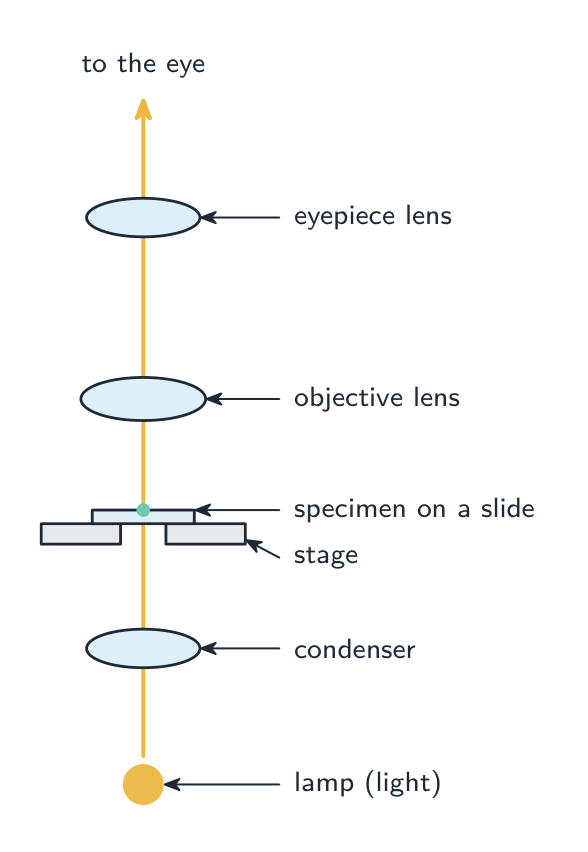
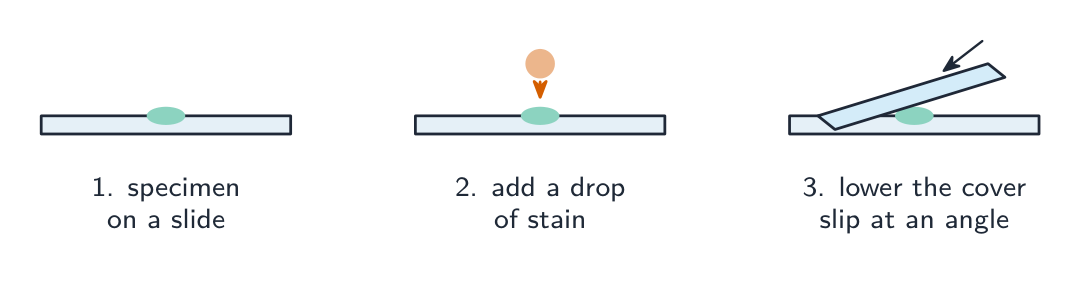
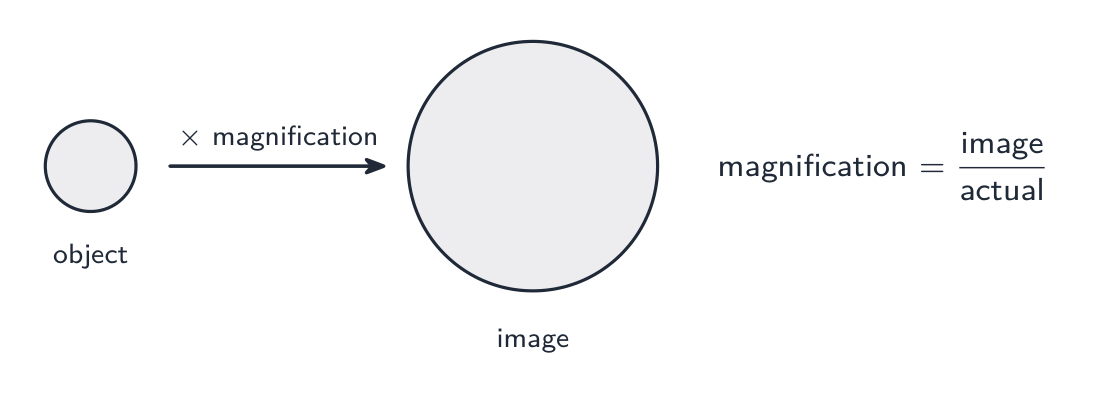
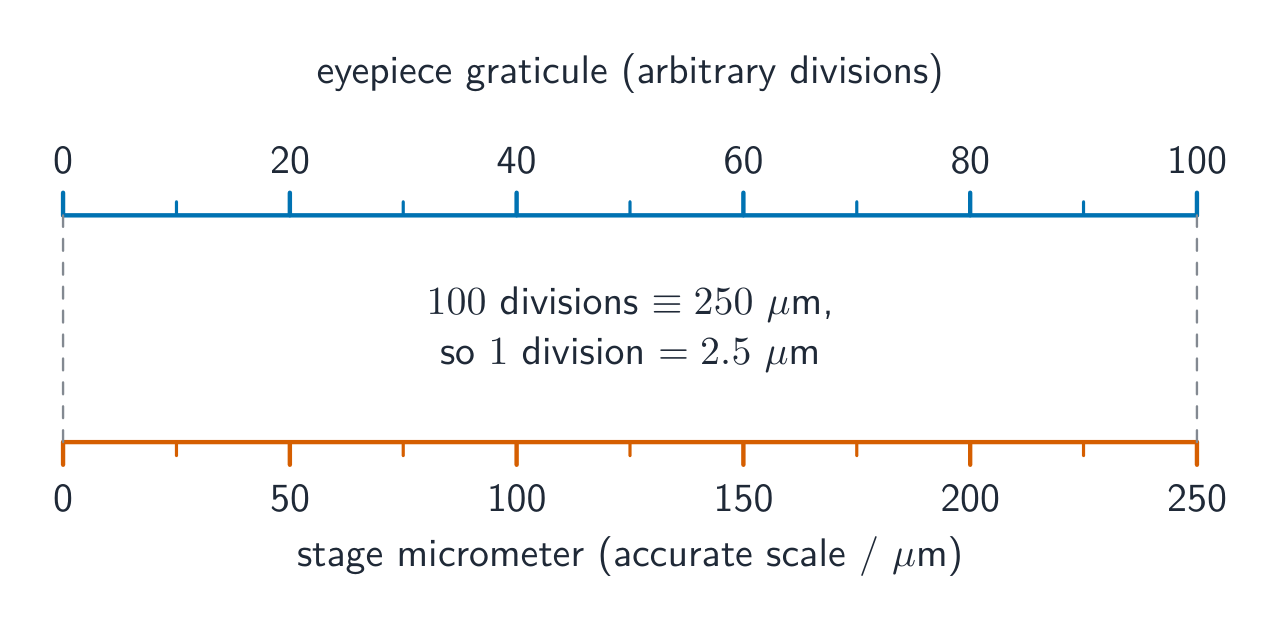
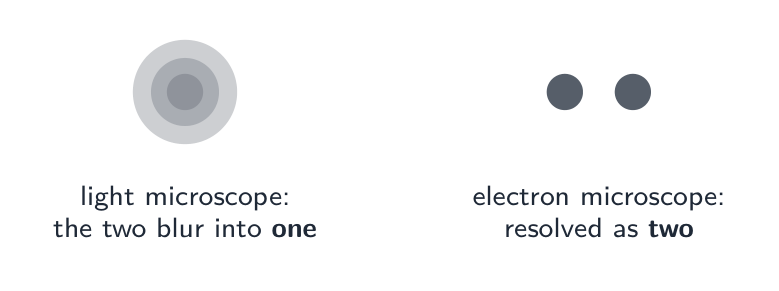
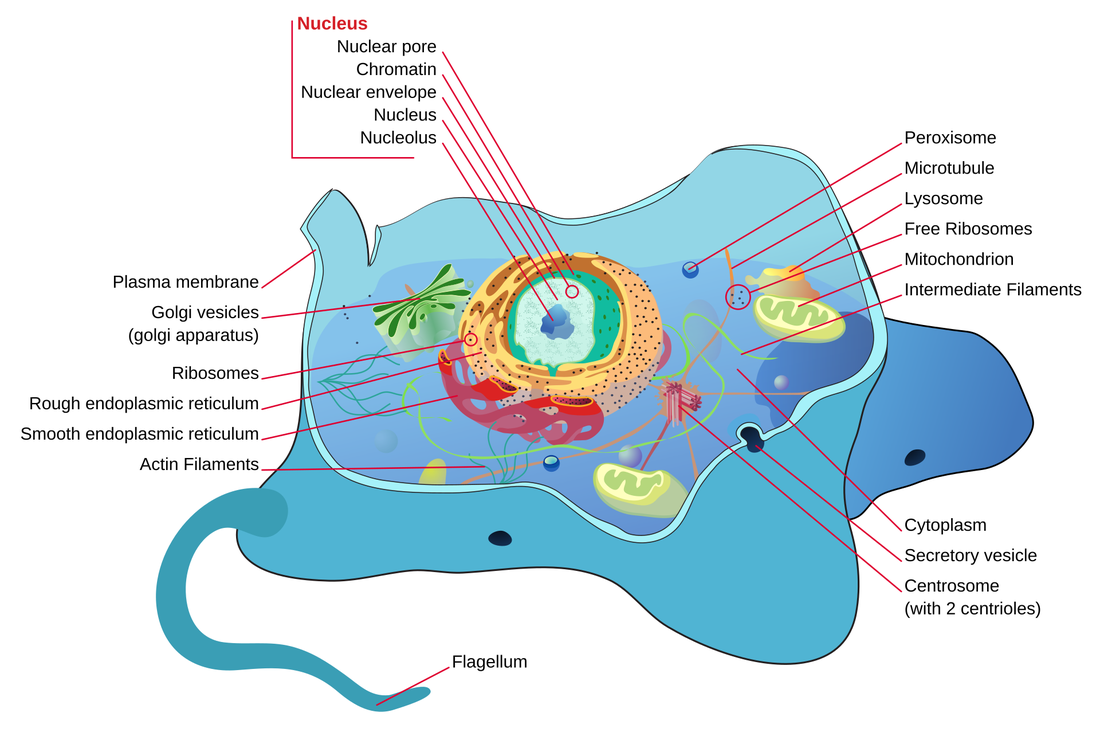
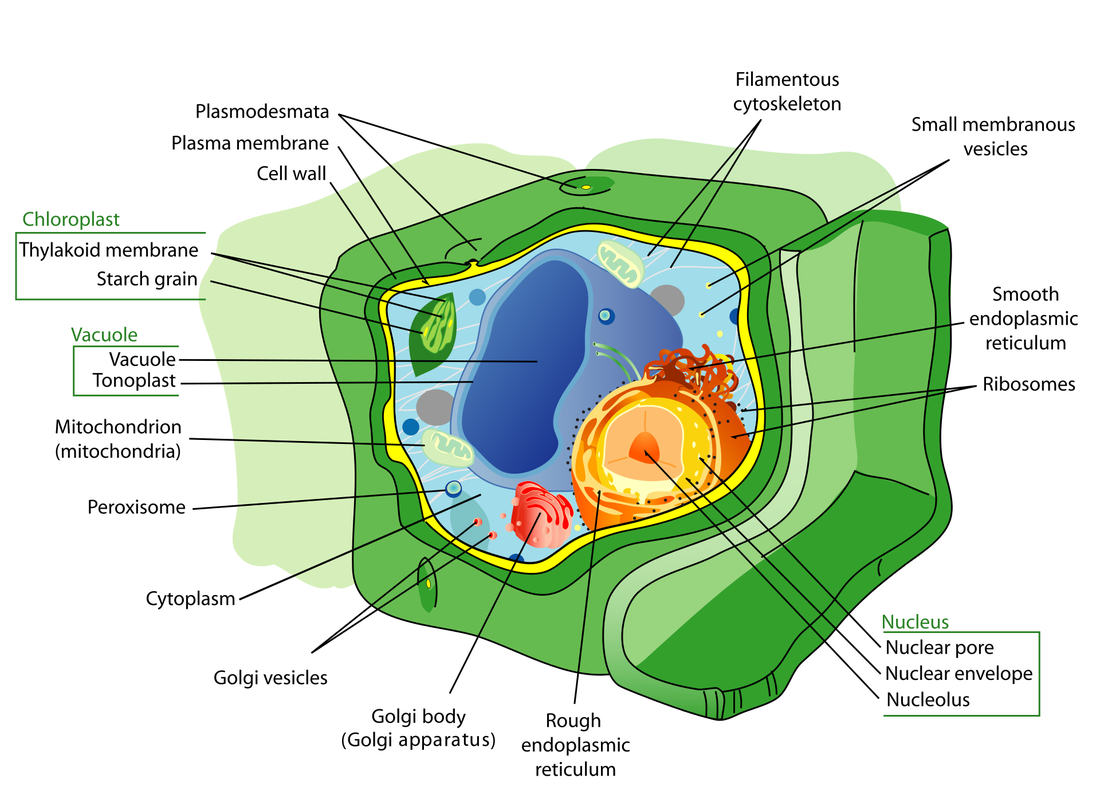
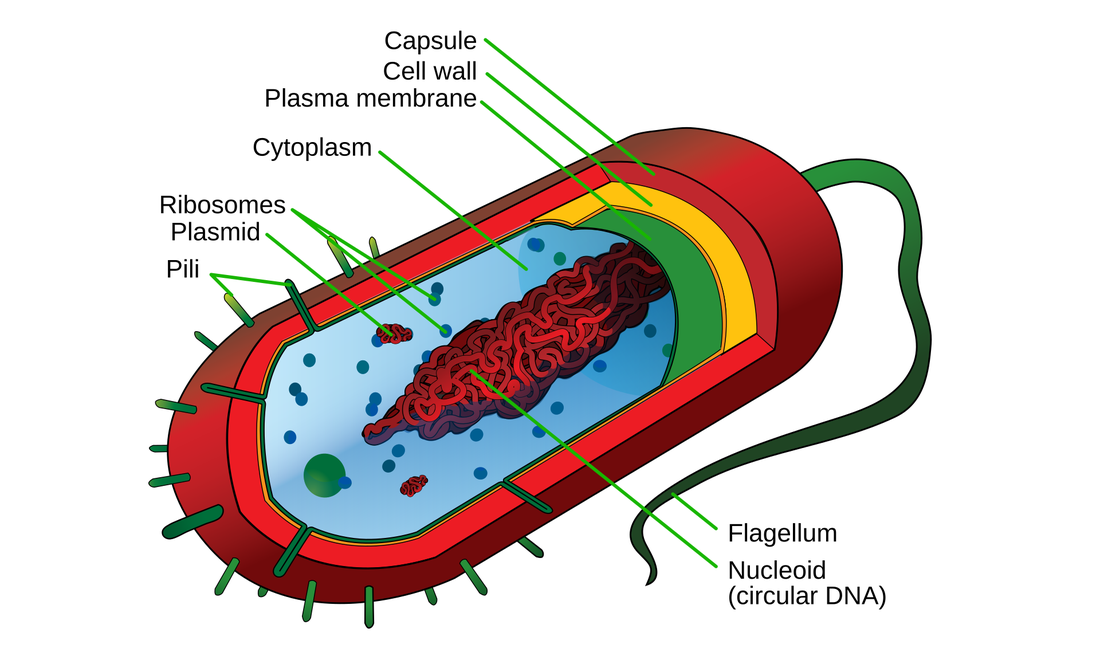
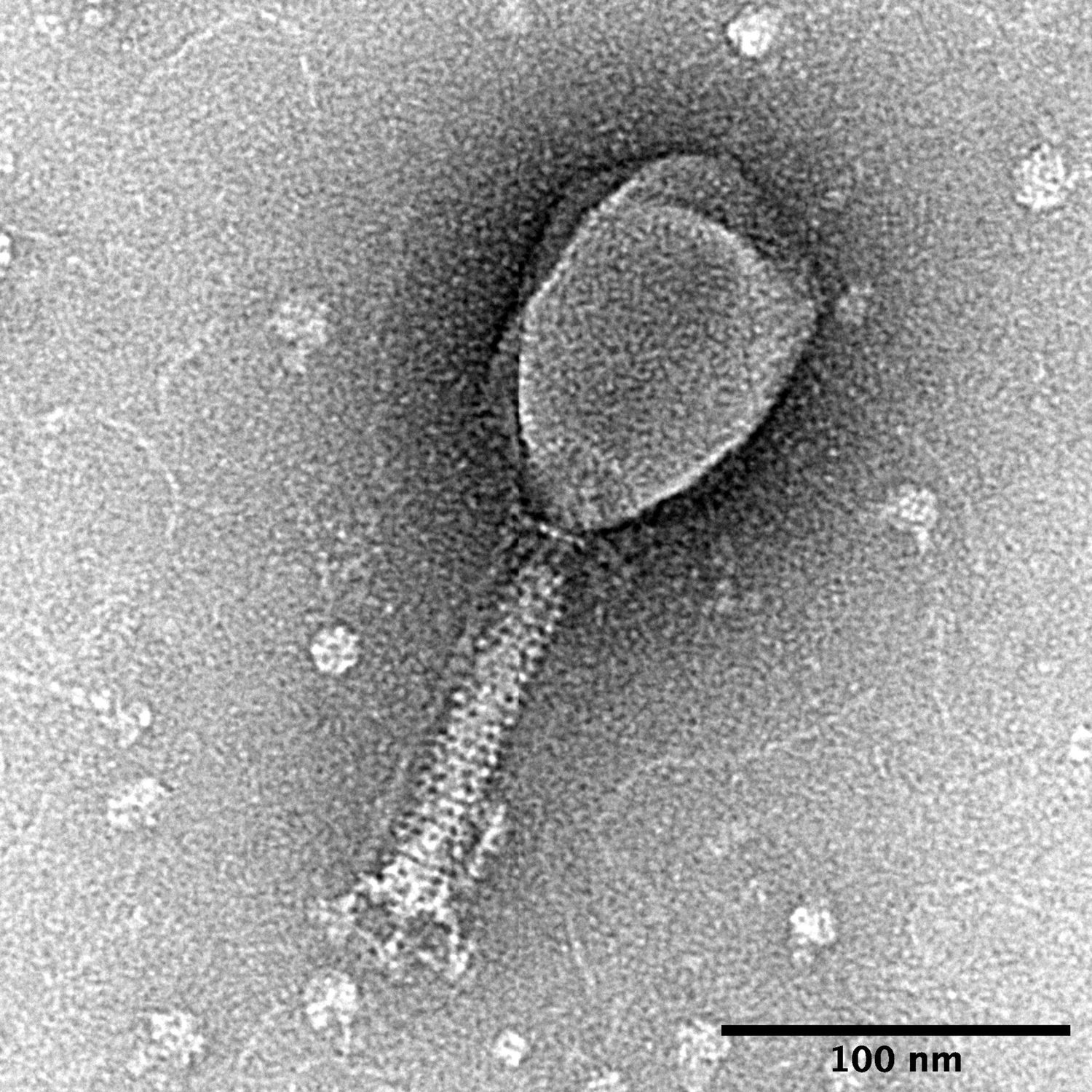
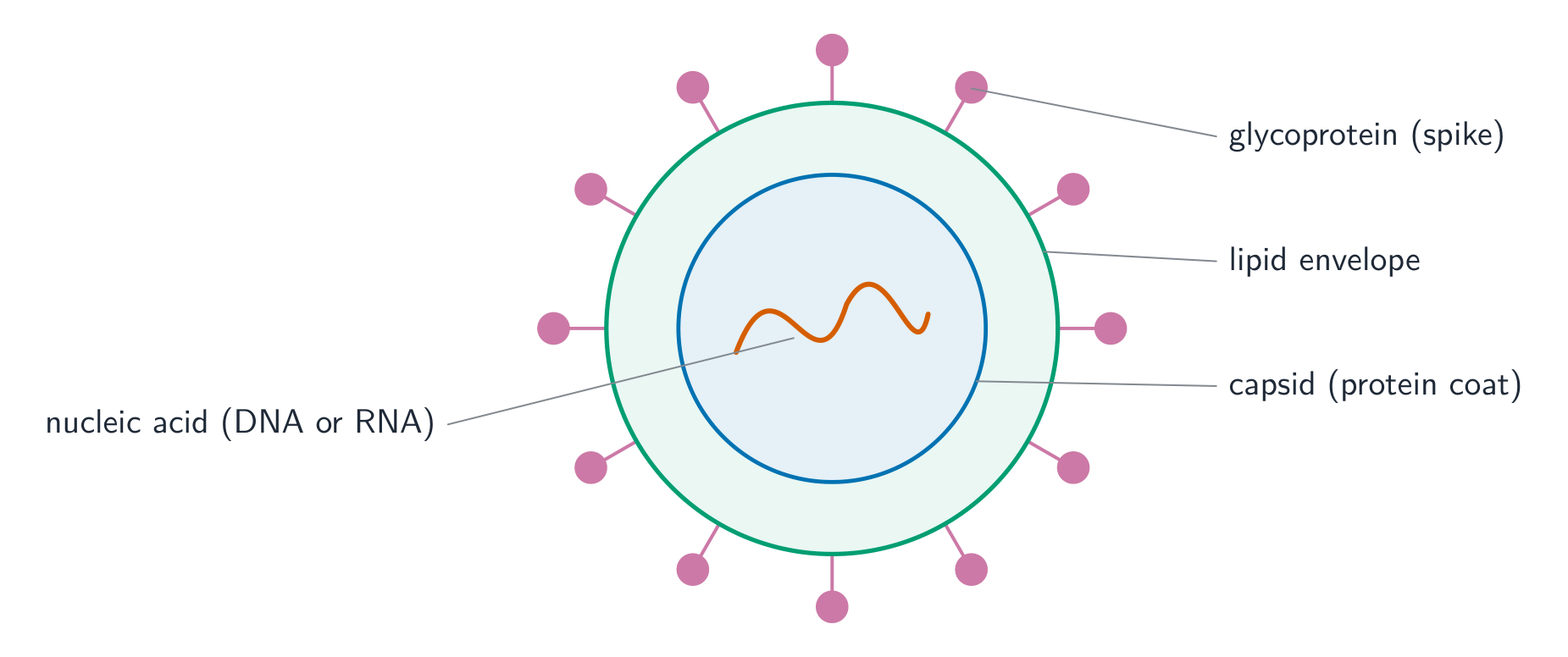


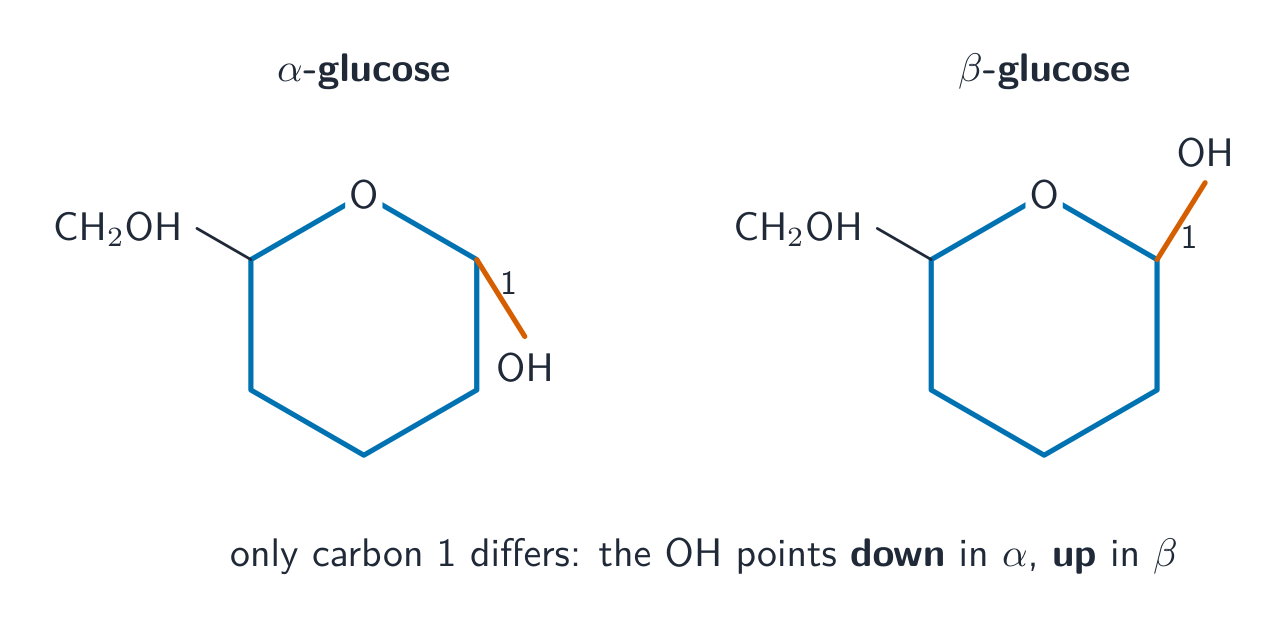
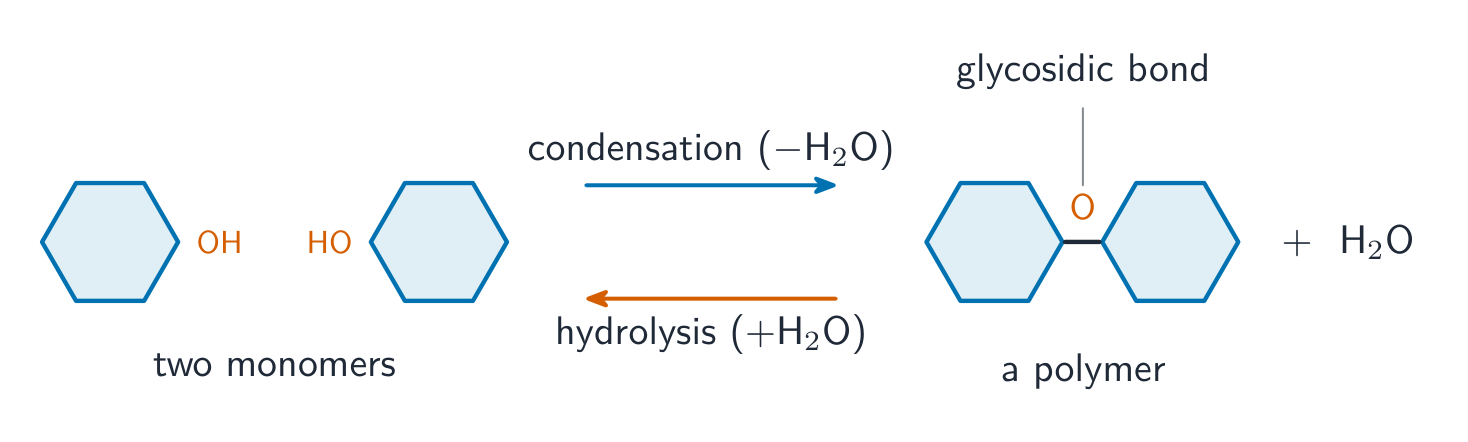
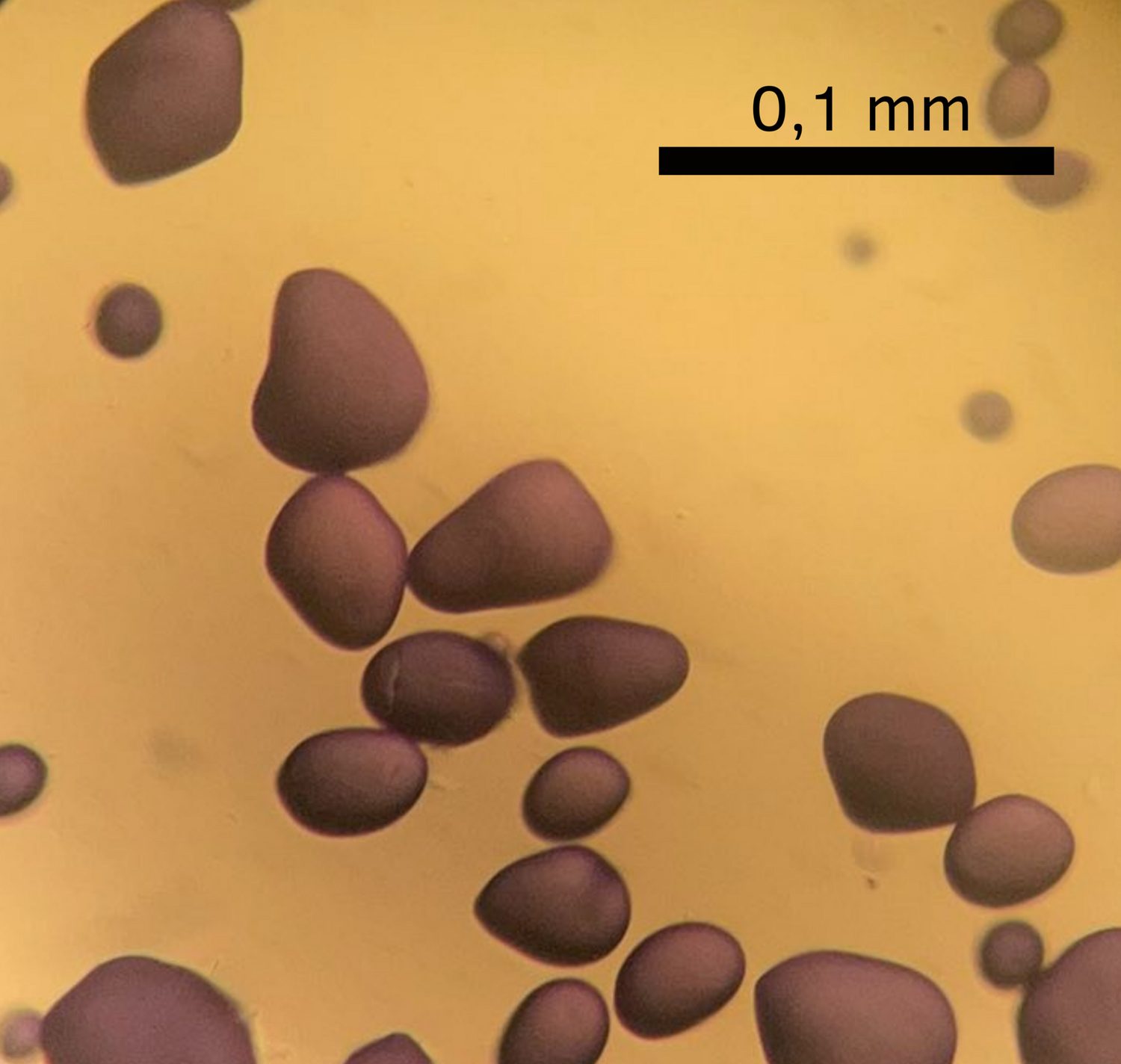


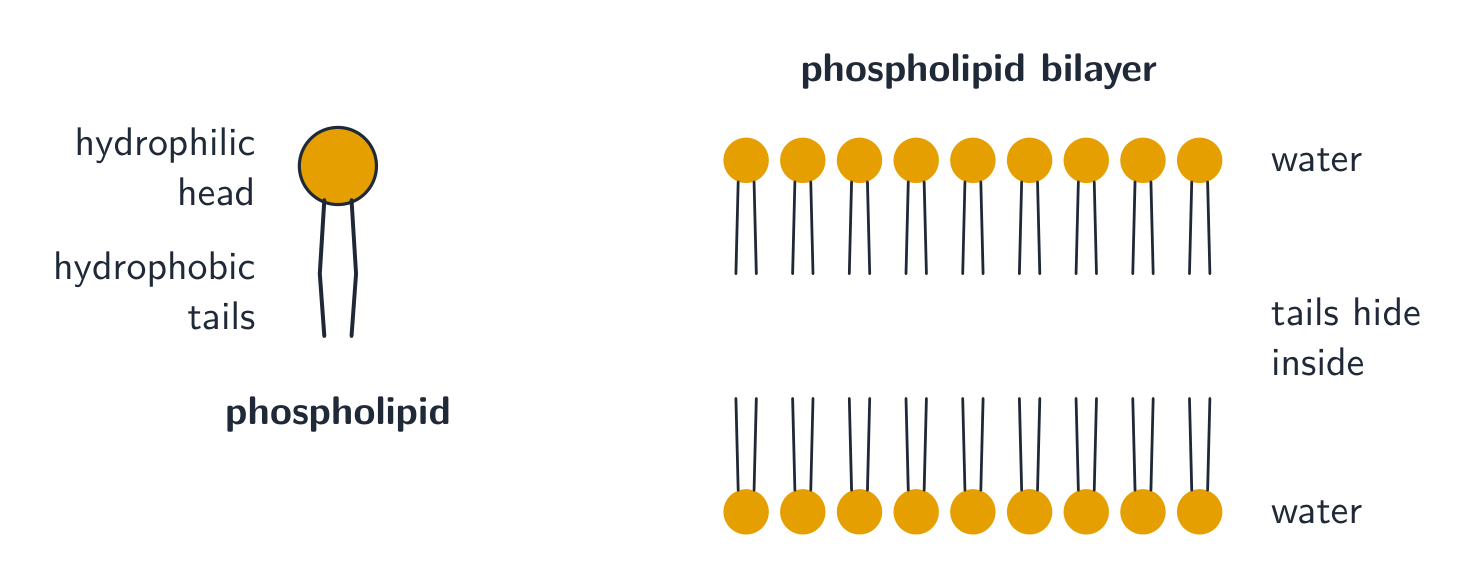

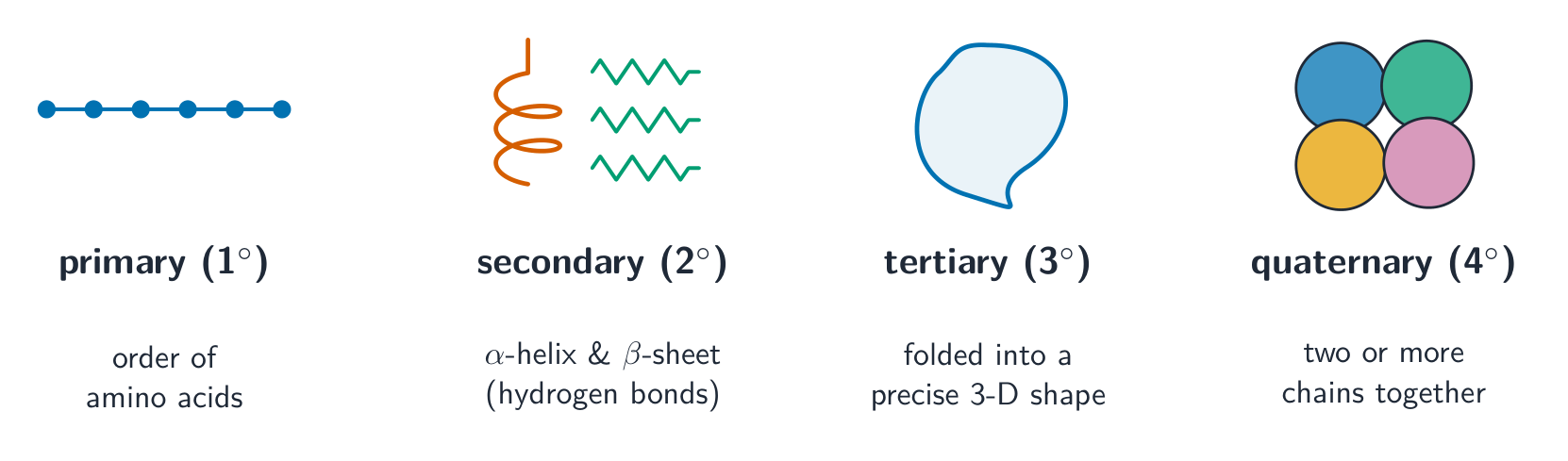
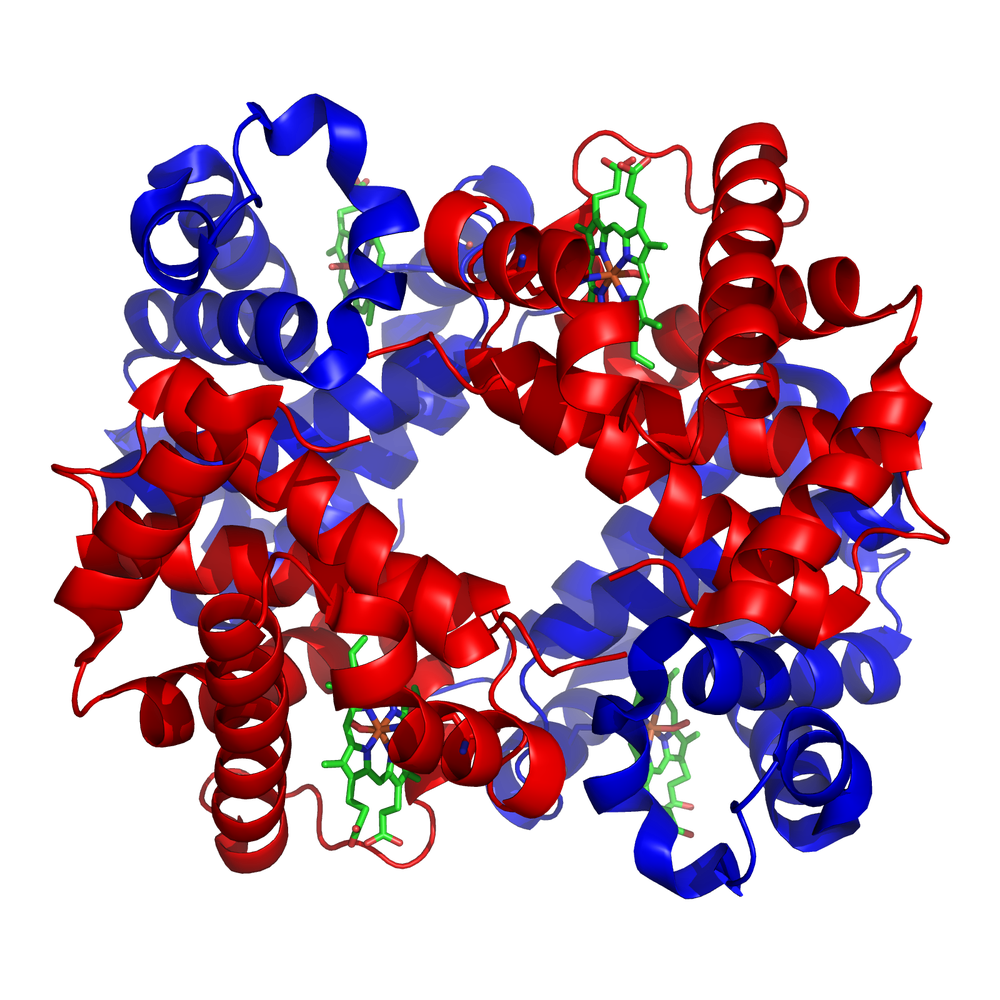
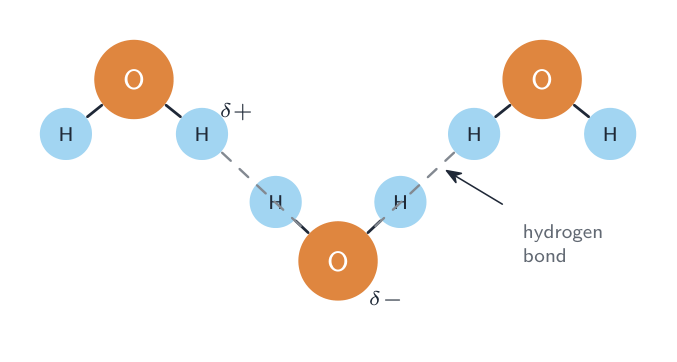
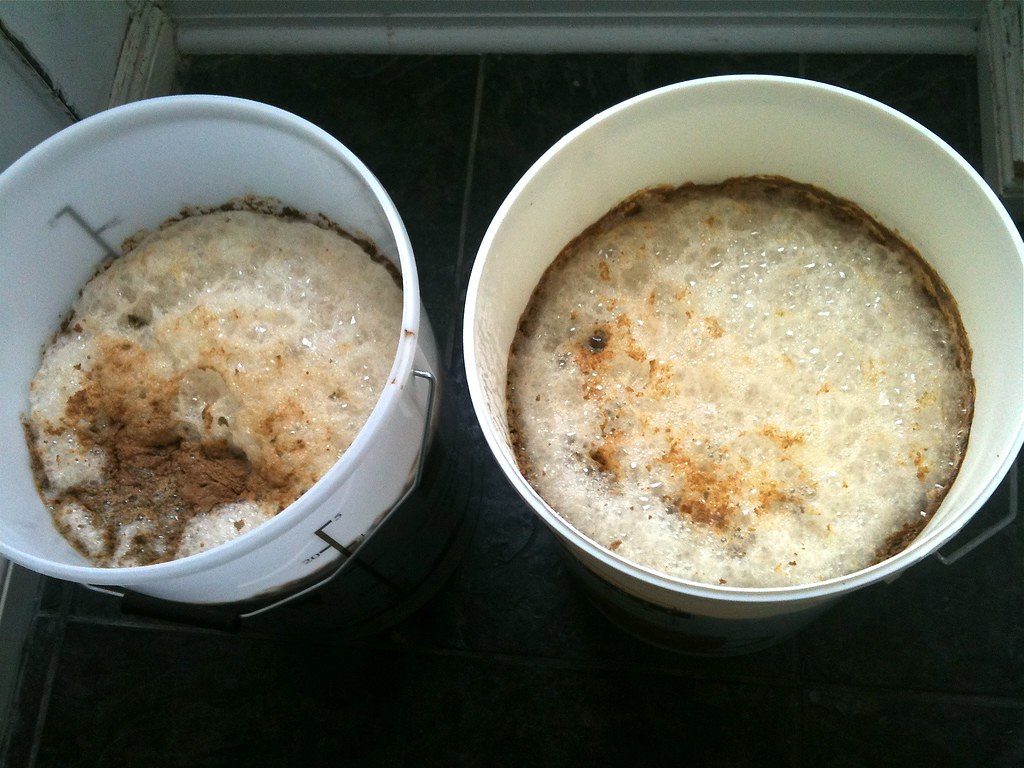
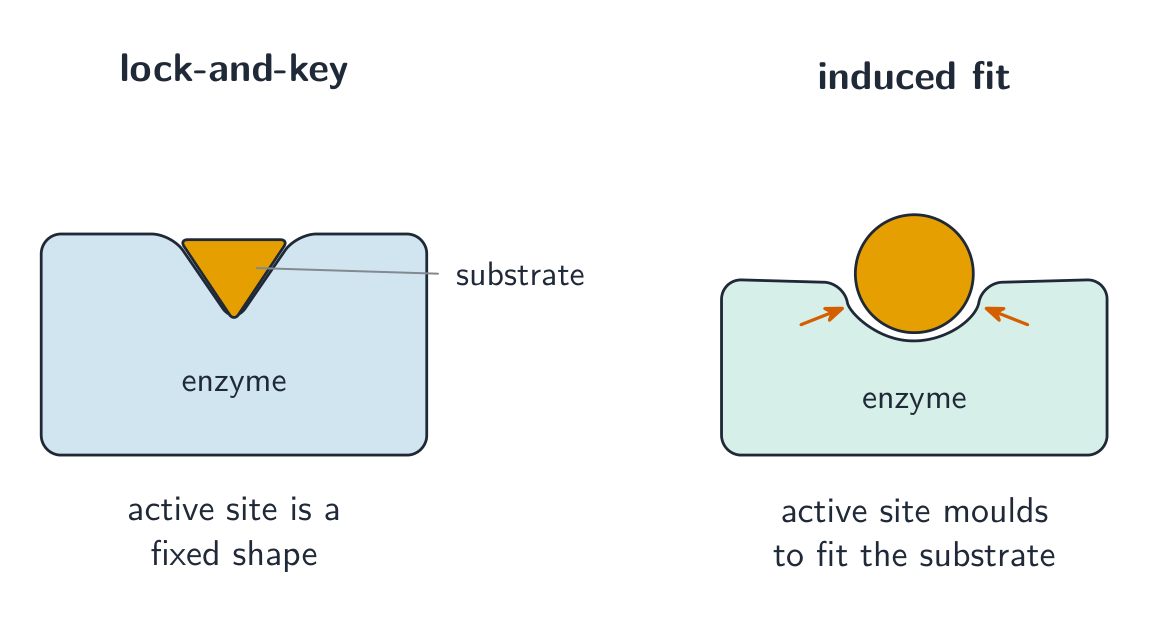

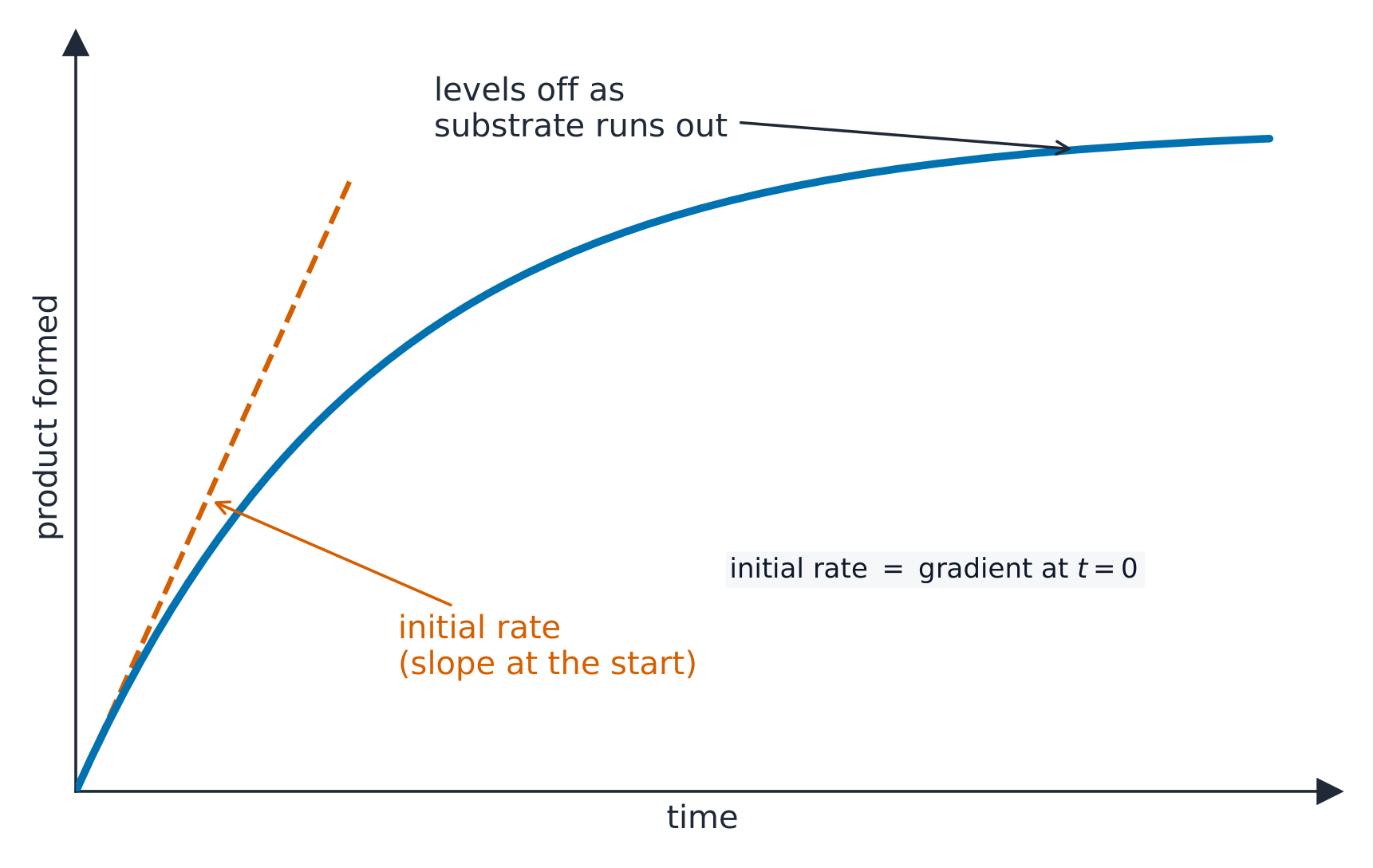
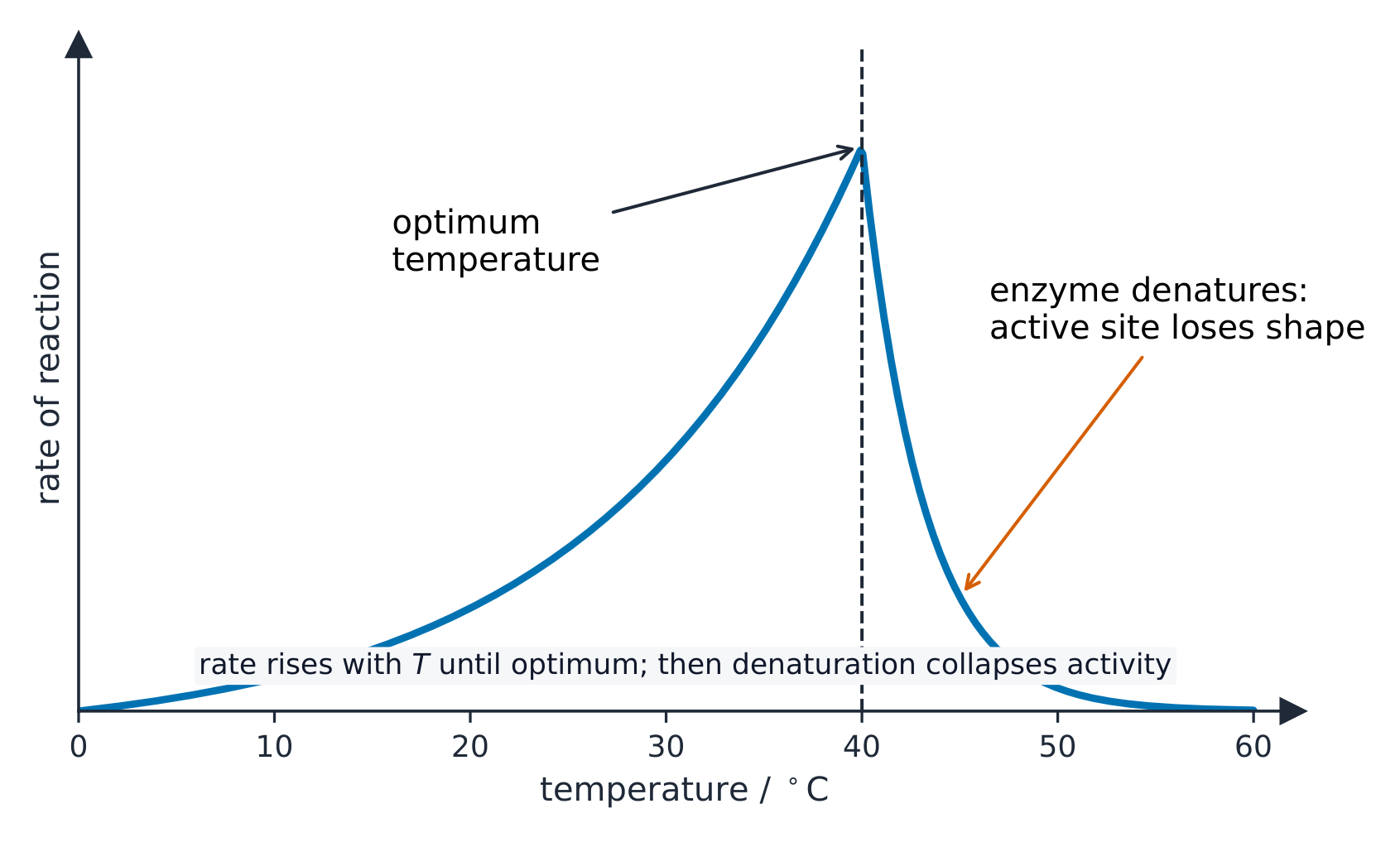

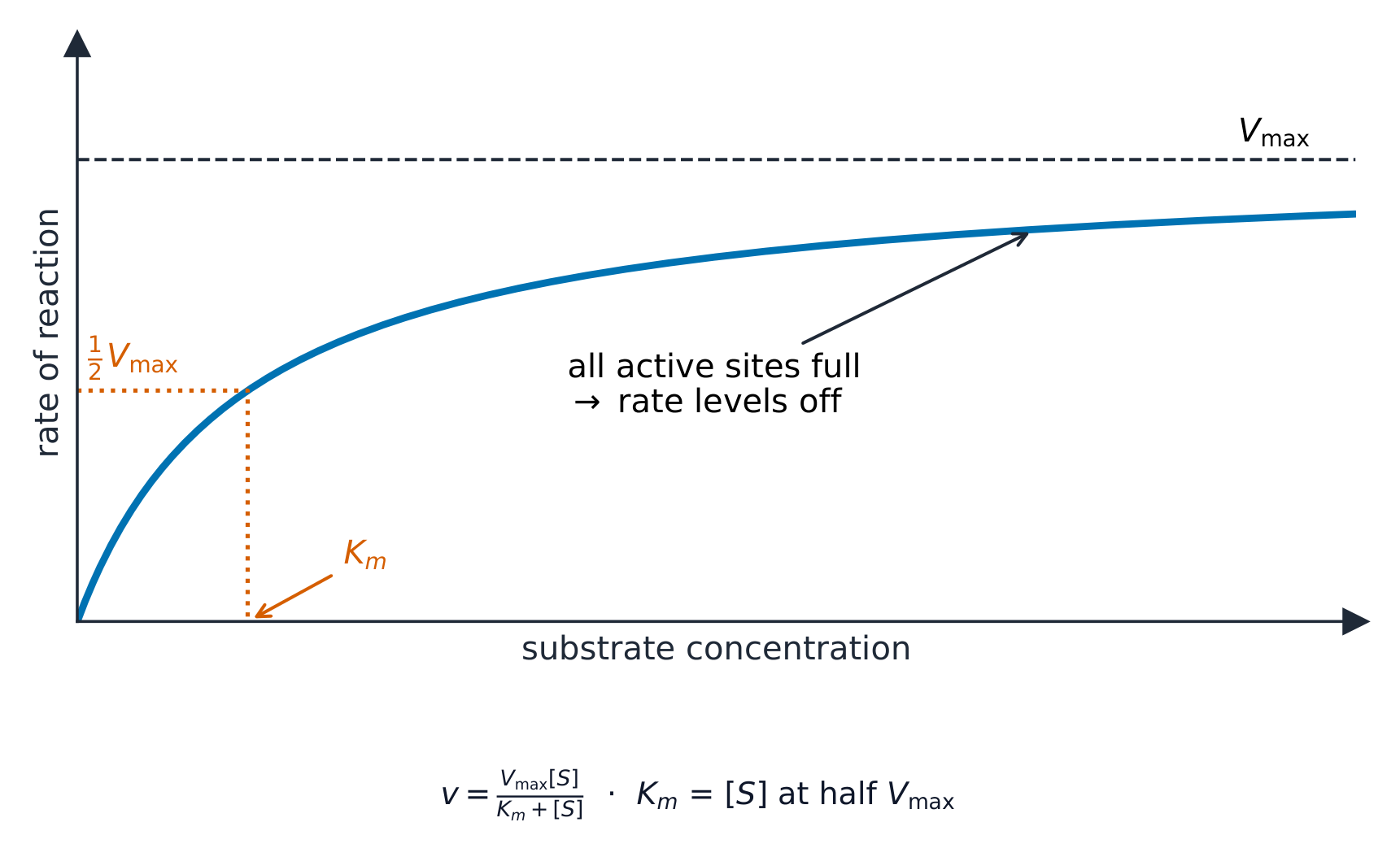
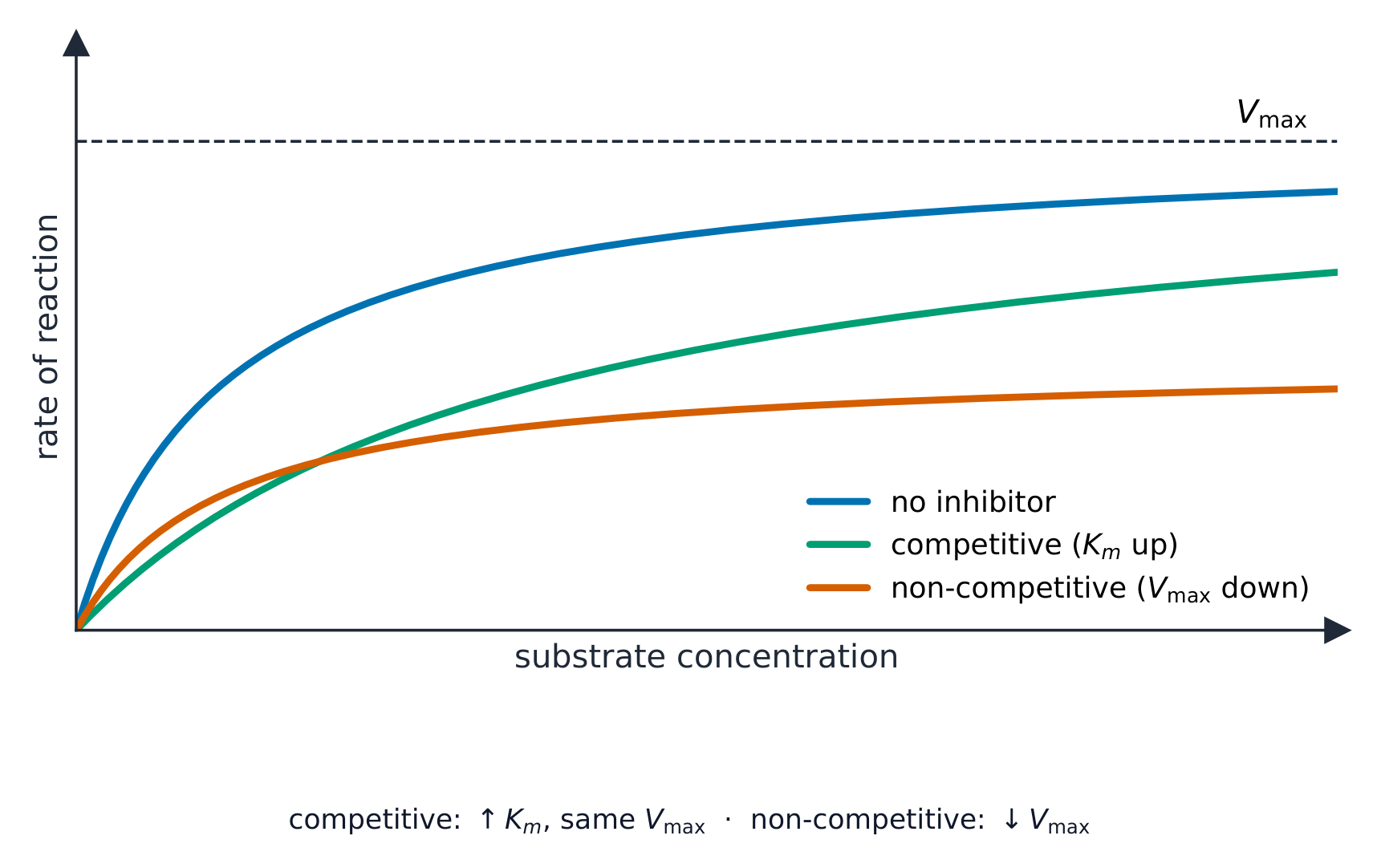
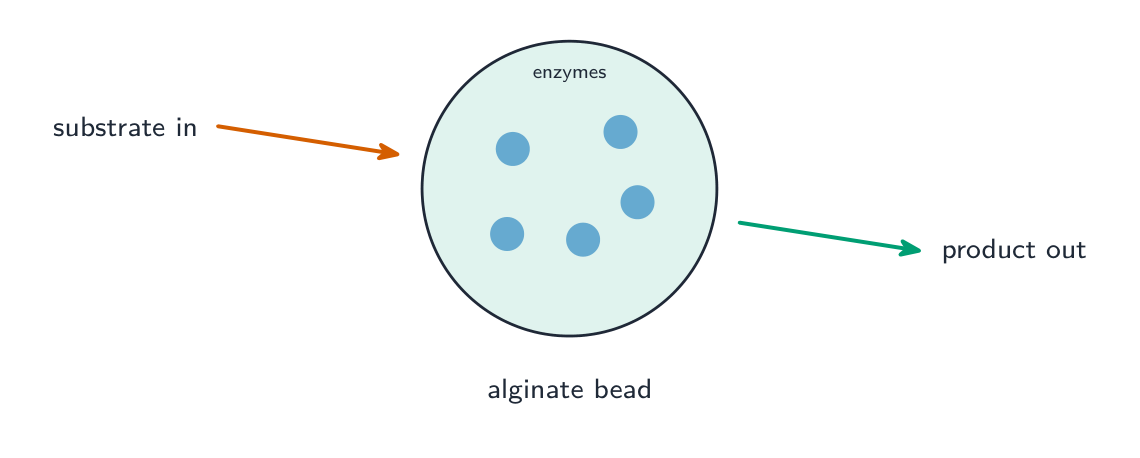


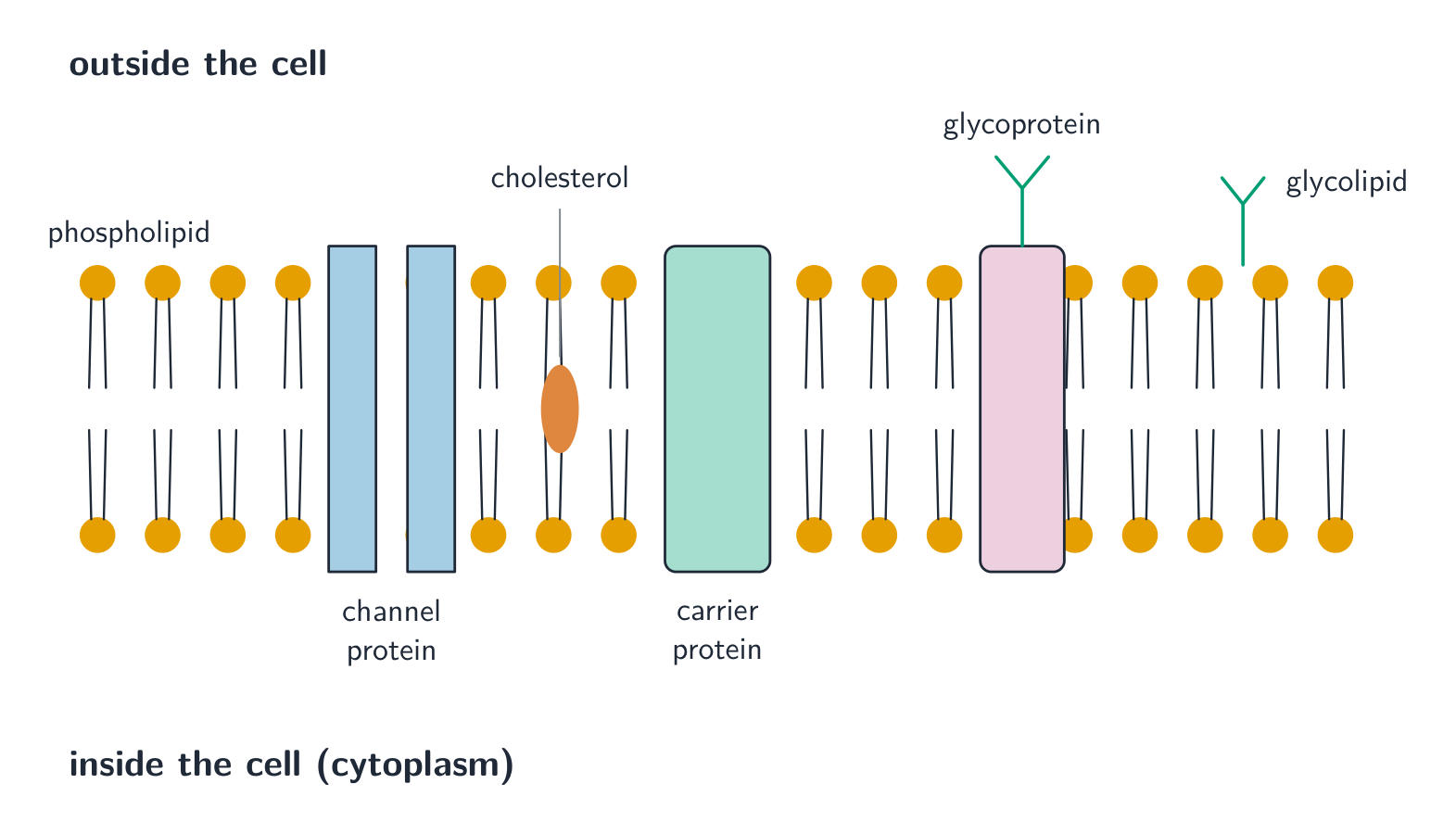
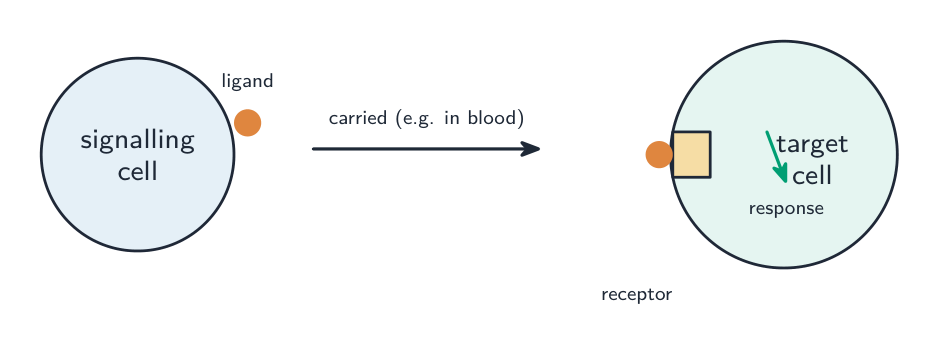
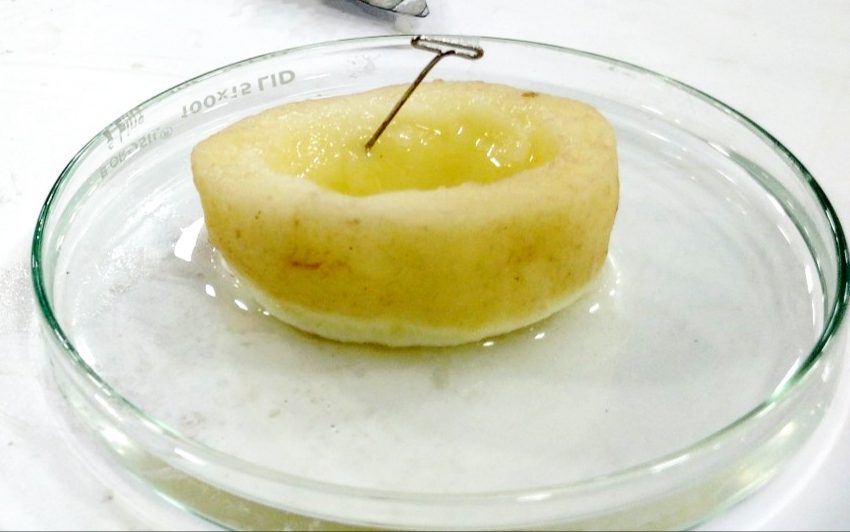
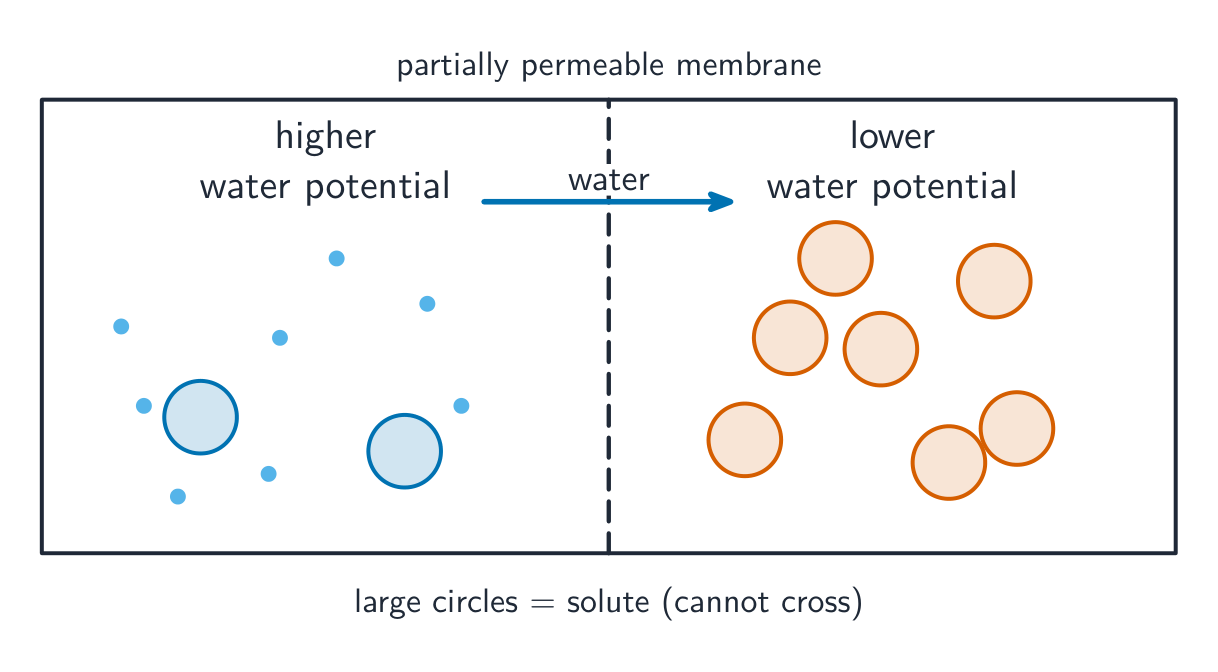
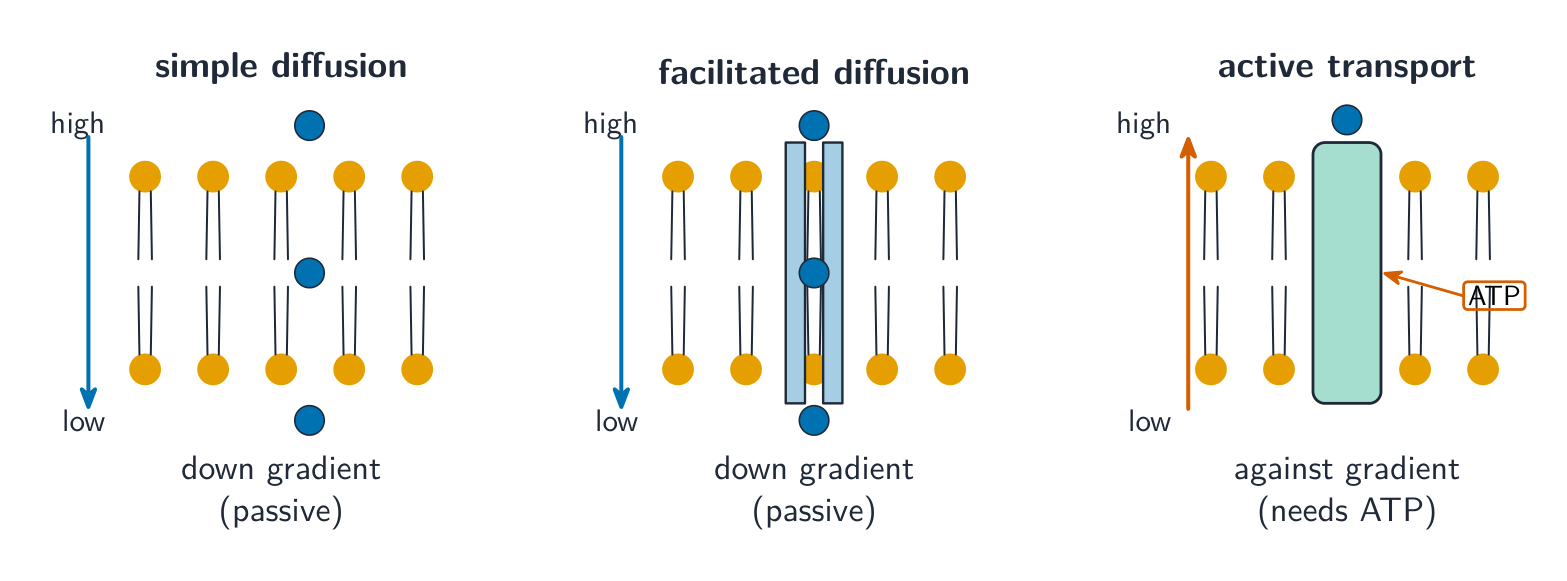
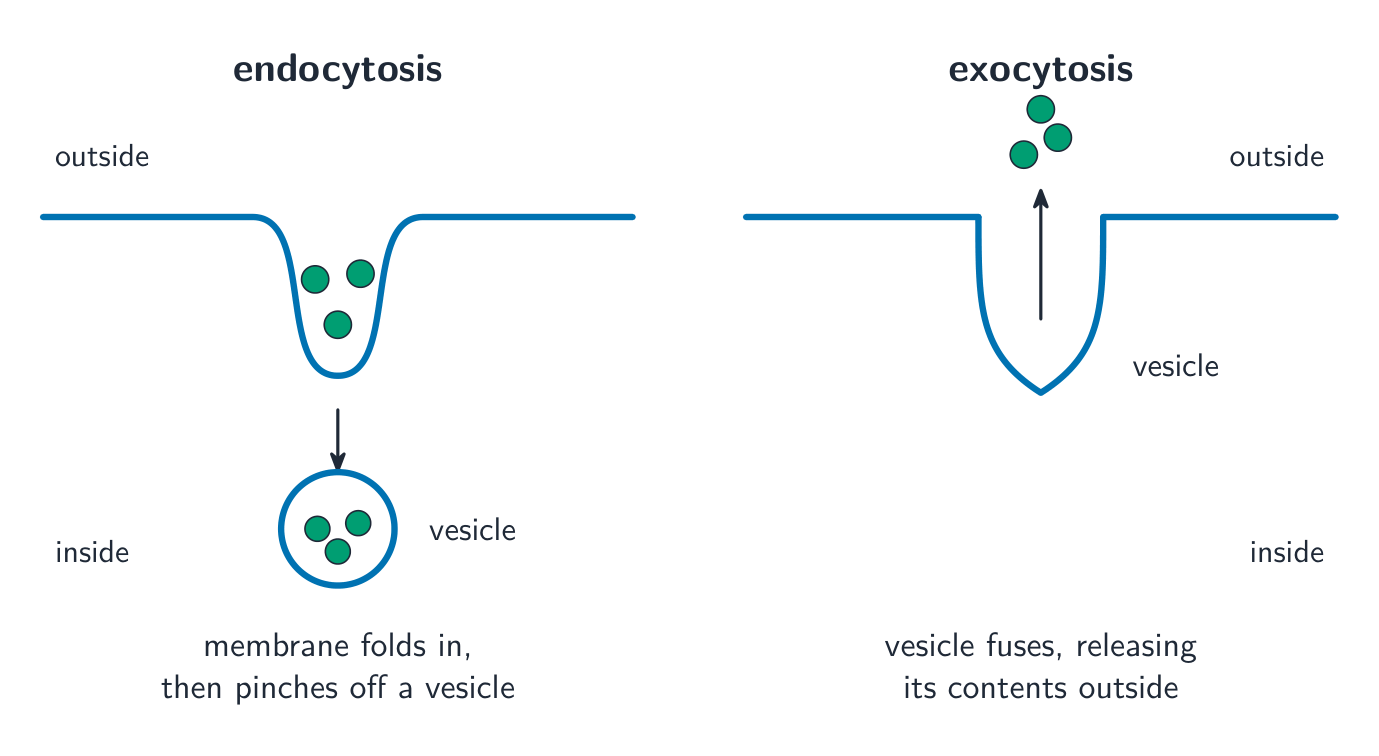
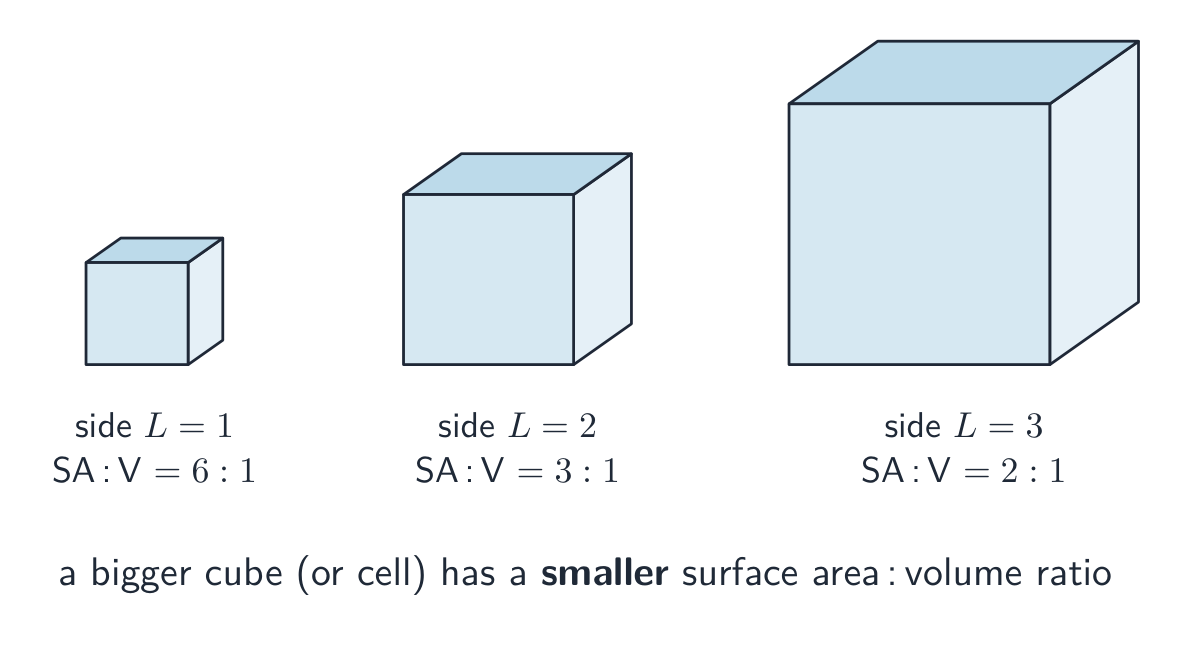
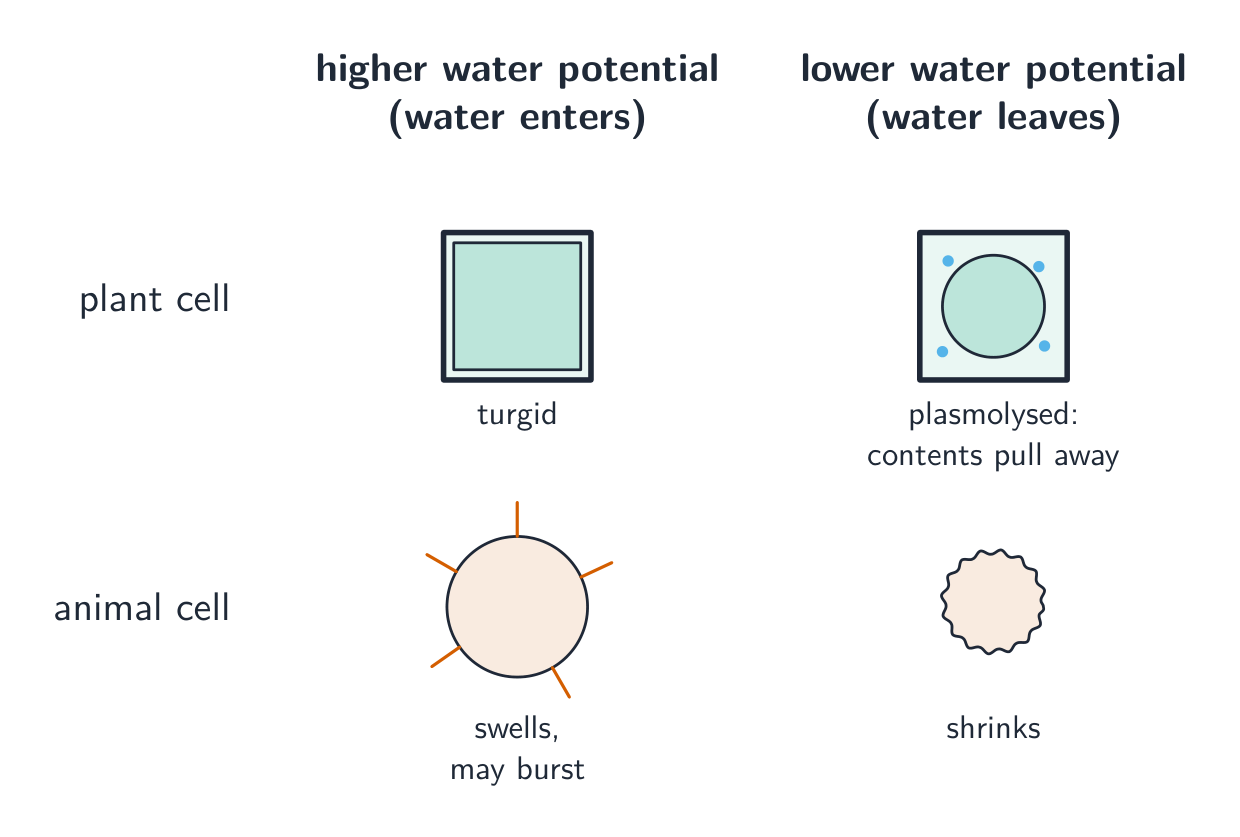

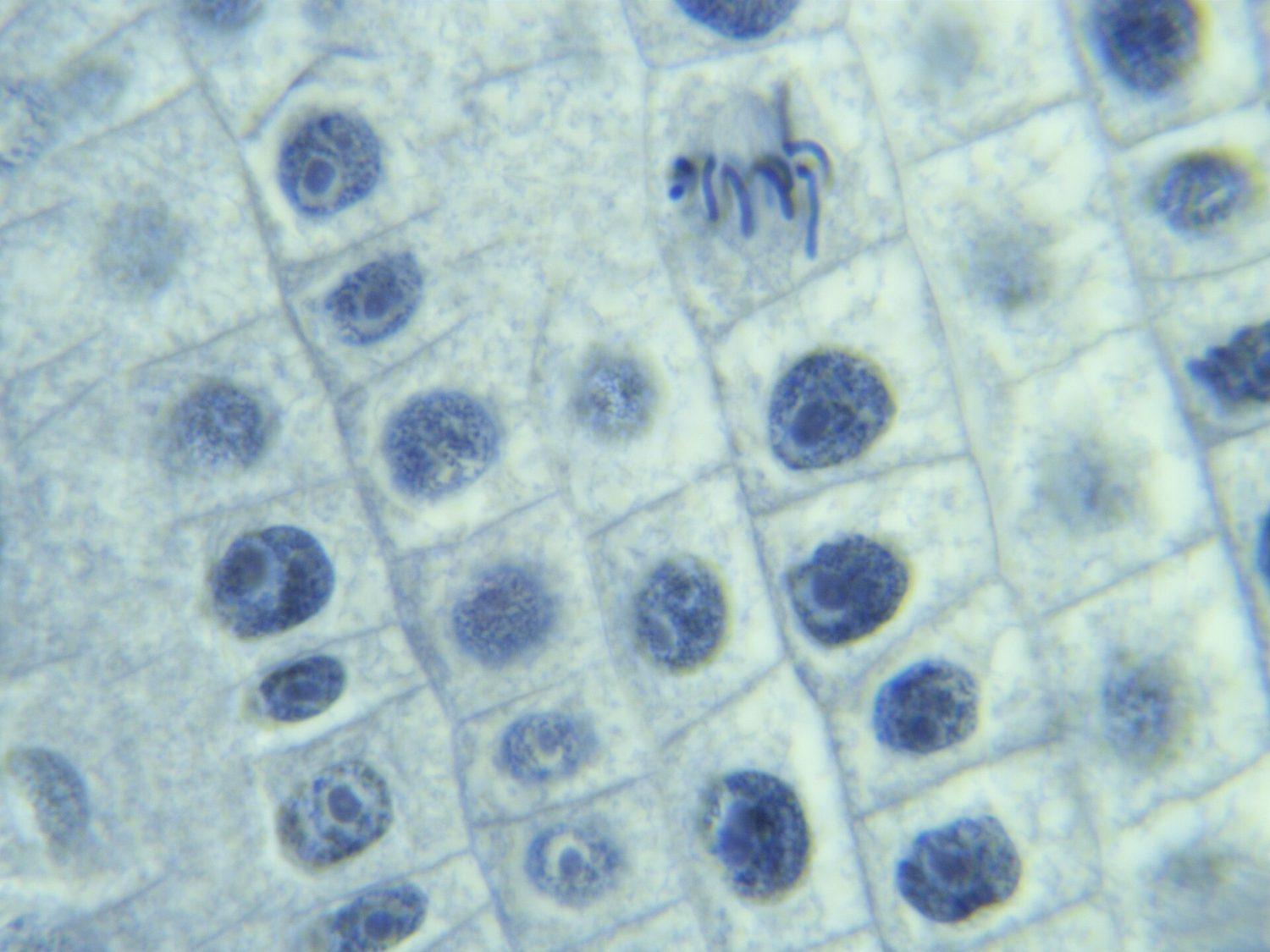
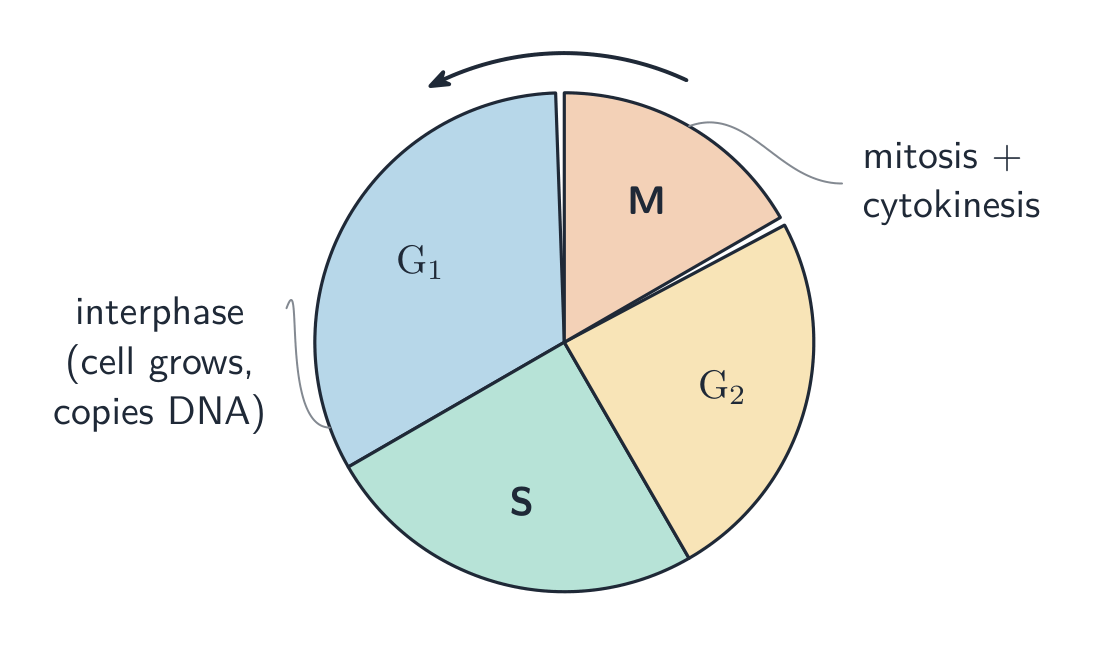
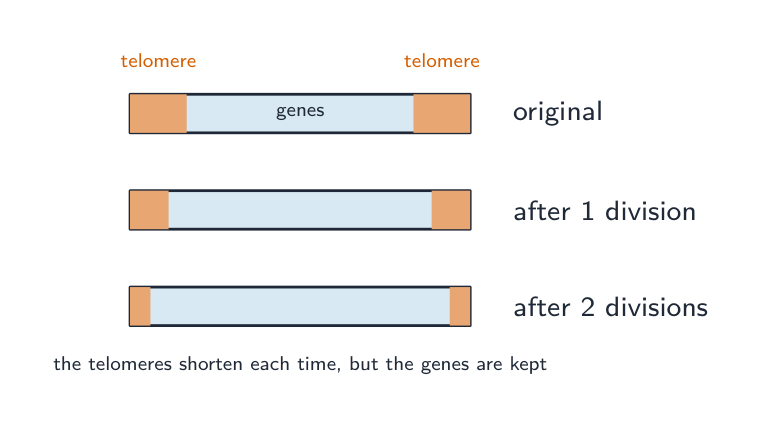
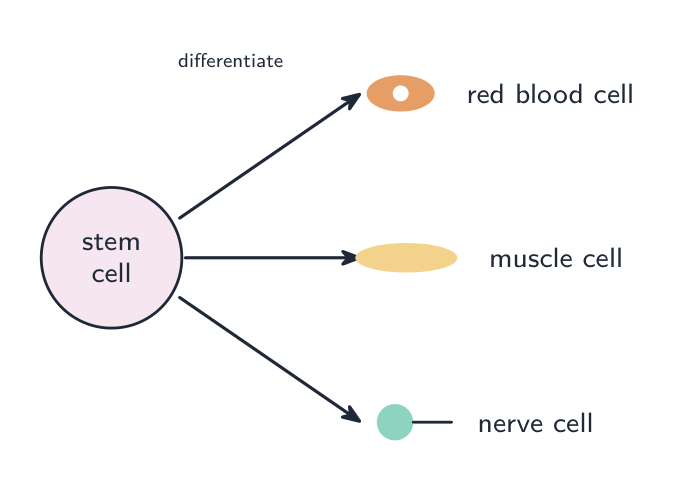
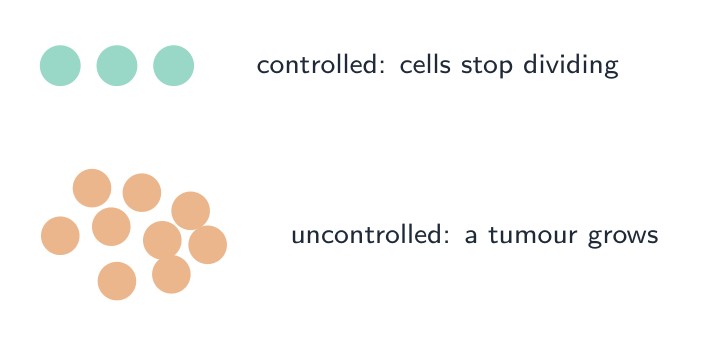
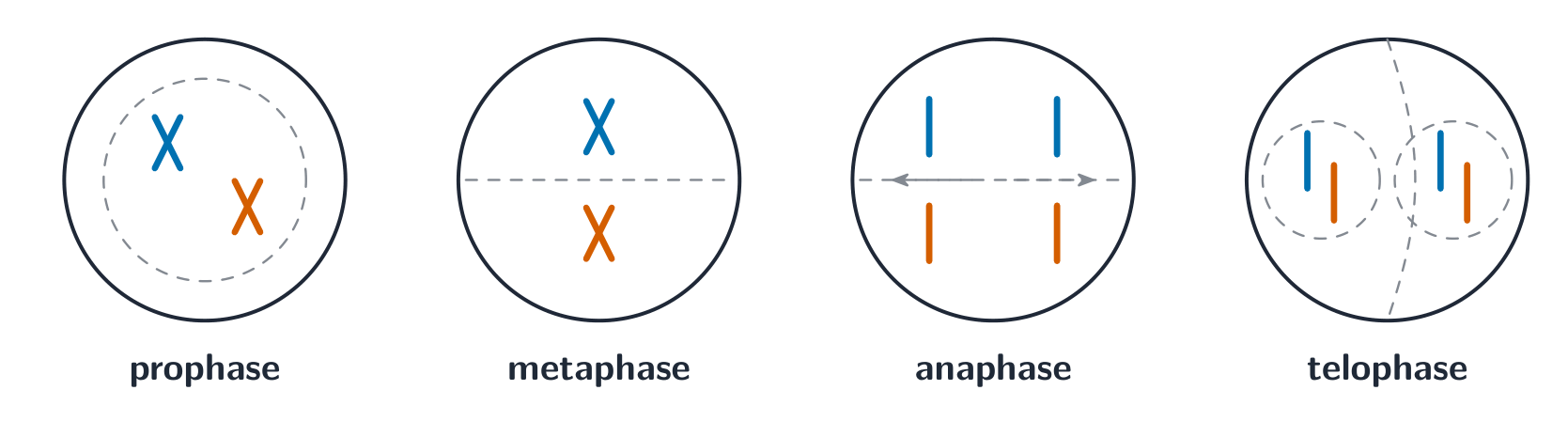

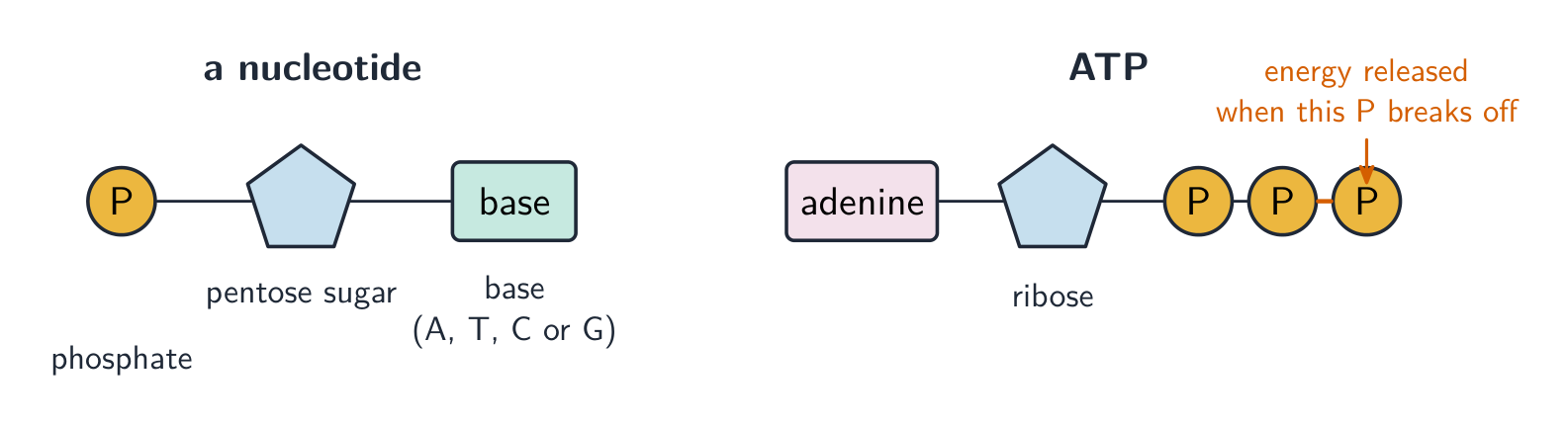
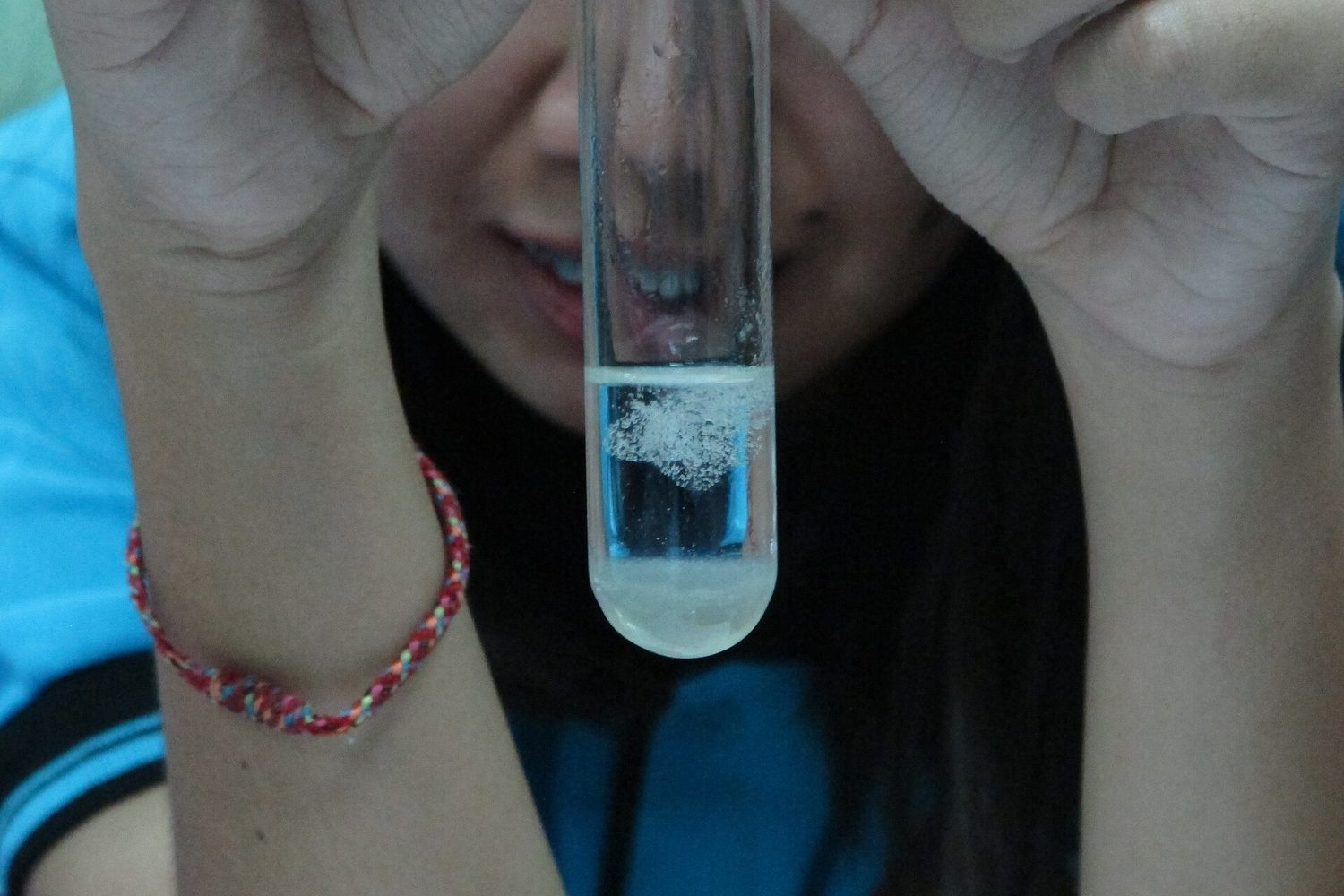
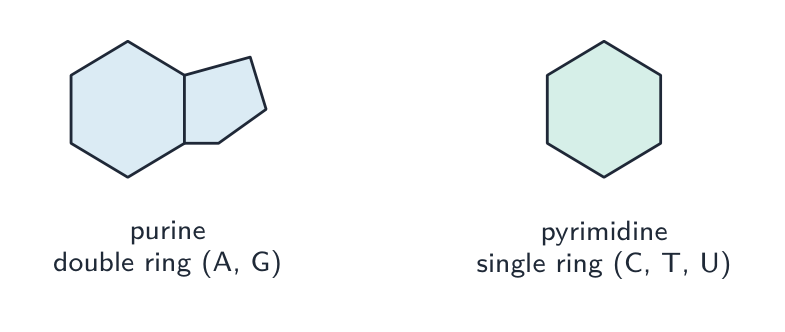

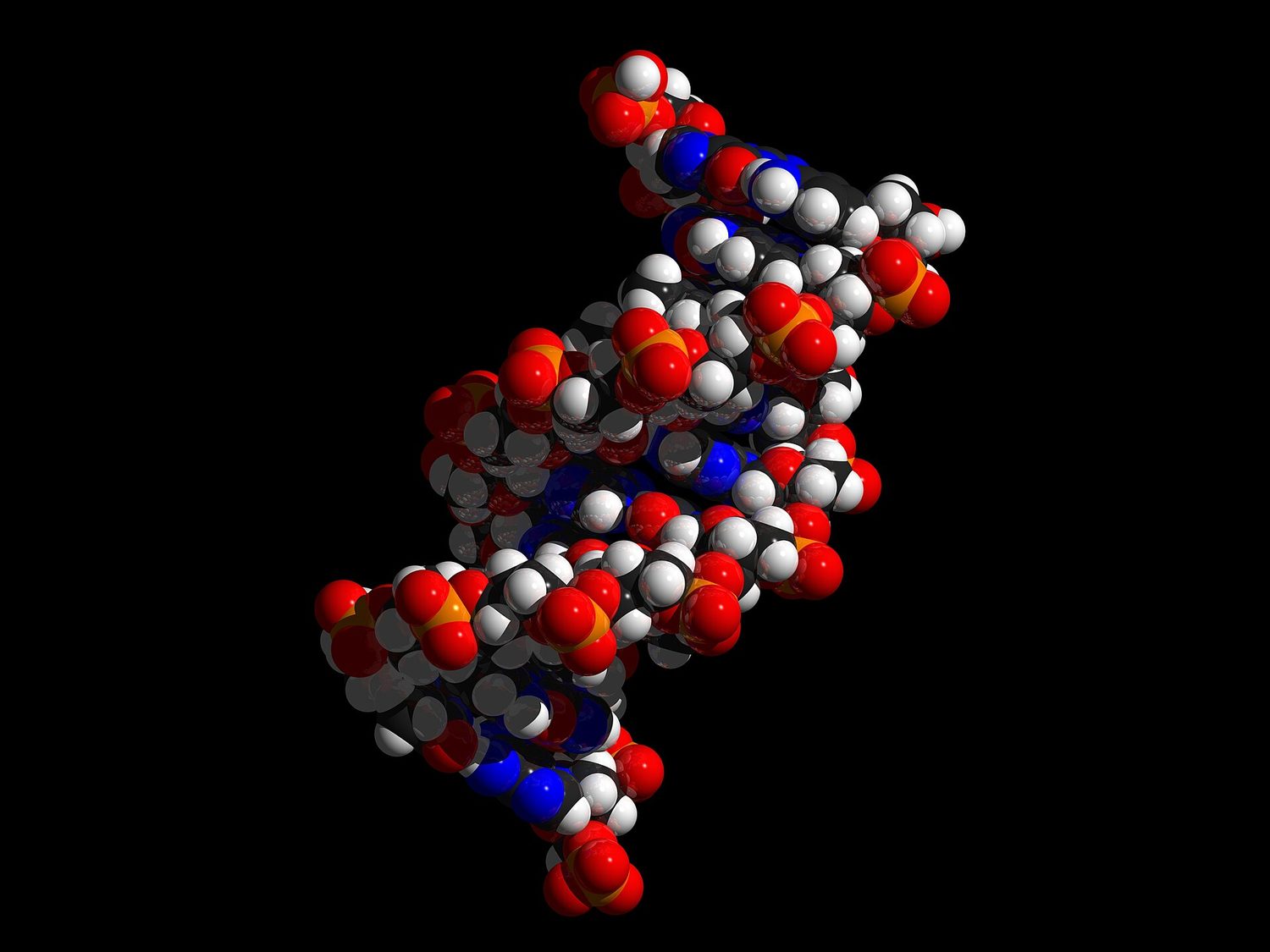
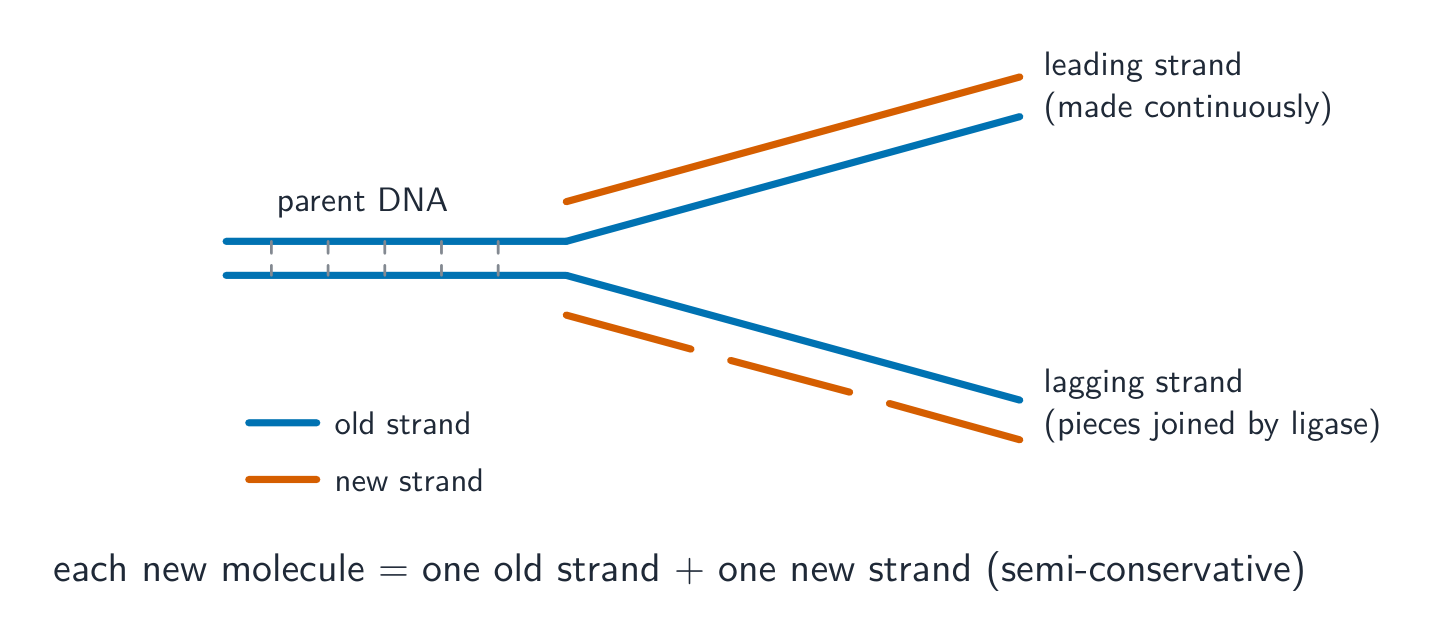
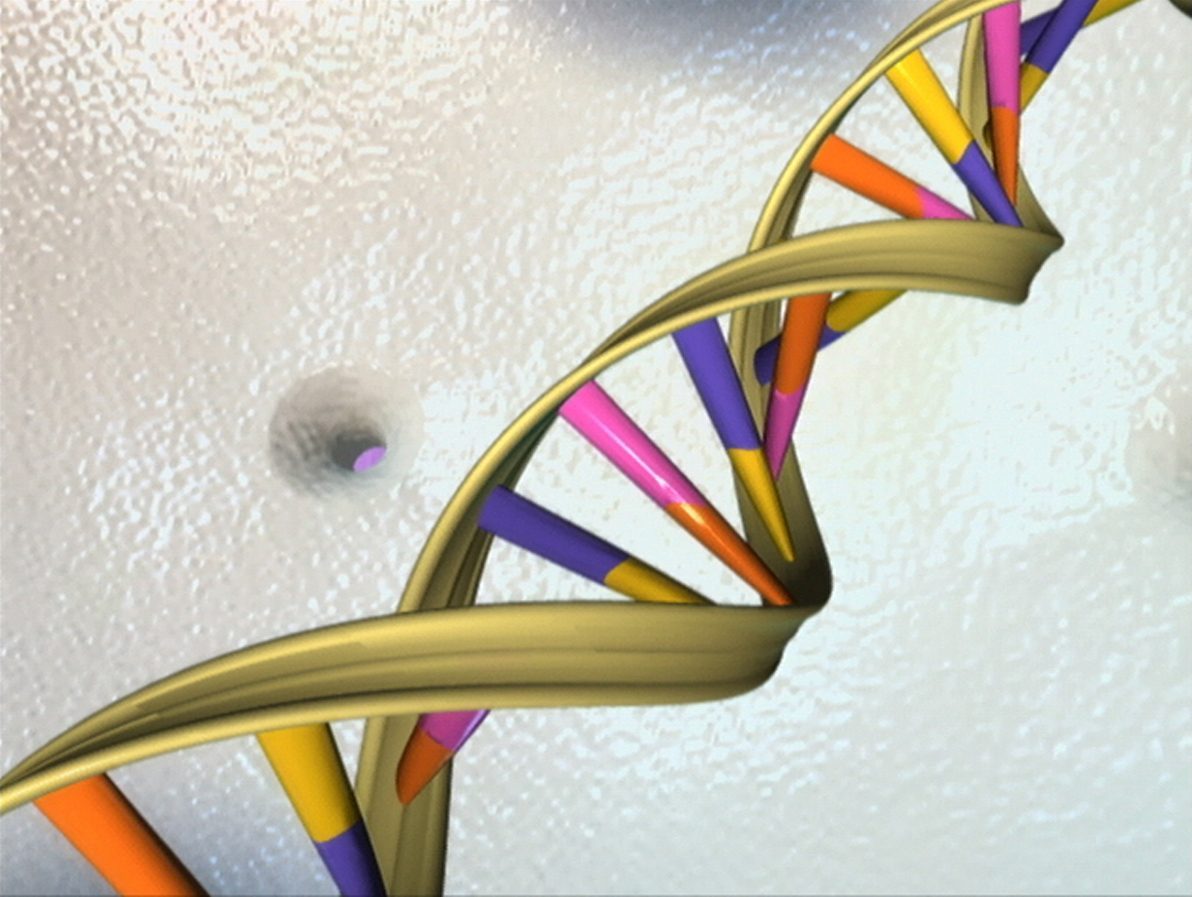
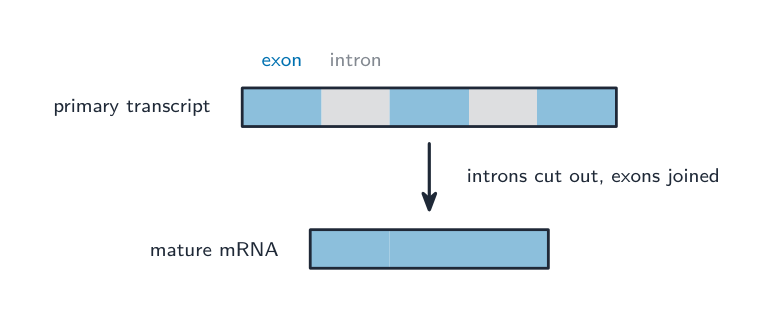

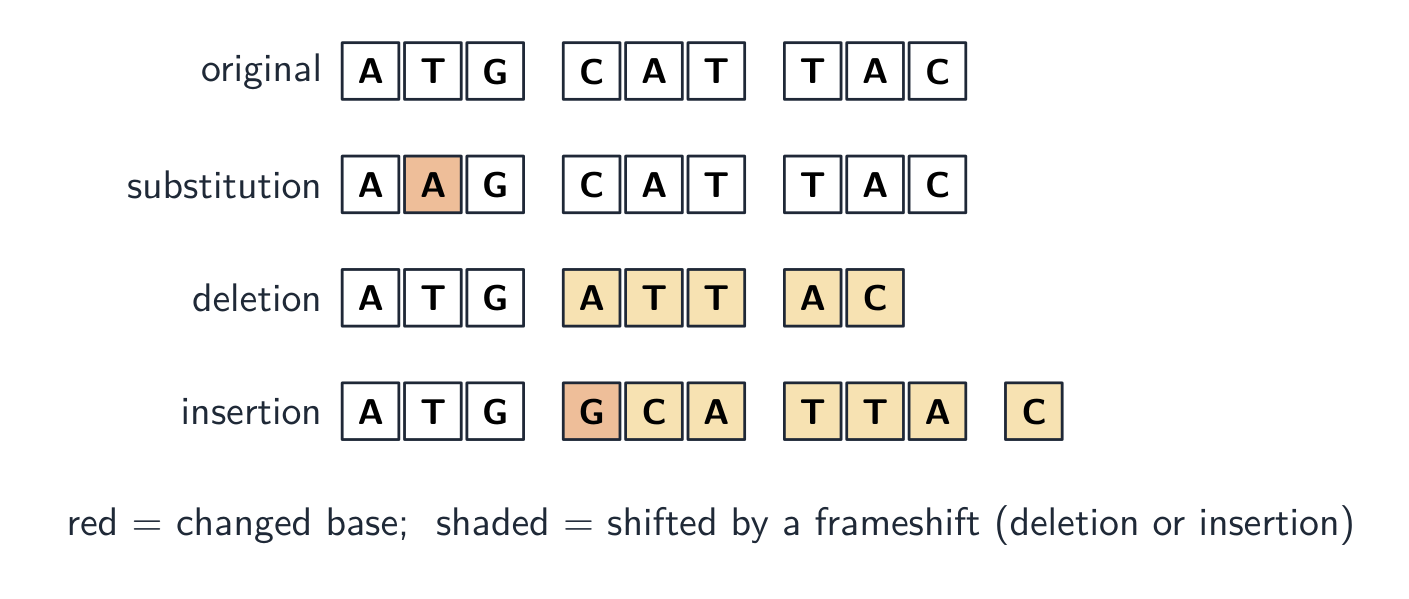

 *خشب جذع الشجرة هو خشب مائي؛ تمثل كل حلقة عاماً واحداً من النمو
 *الخشب أنبوب مفتوح ميت؛ والفلوم أنابيب نفاذية حية بأغشية نفاذية وخلايا مرافقة
 *حزمة وعائية حقيقية في مقطع: الخلايا الحمراء الكبيرة هي أوعية خشبية (جدران لجنينية سميكة)؛ والخلايا الأصغر في الأعلى هي فلوم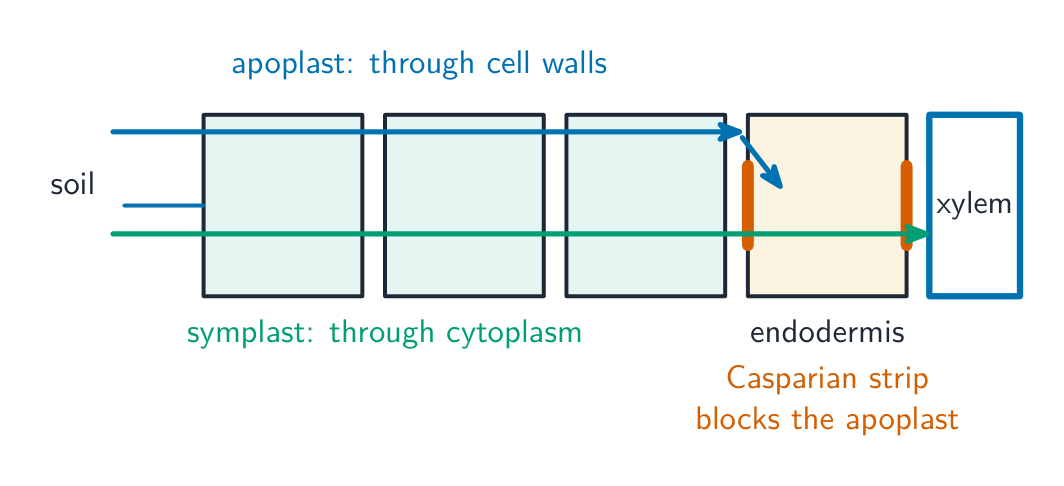
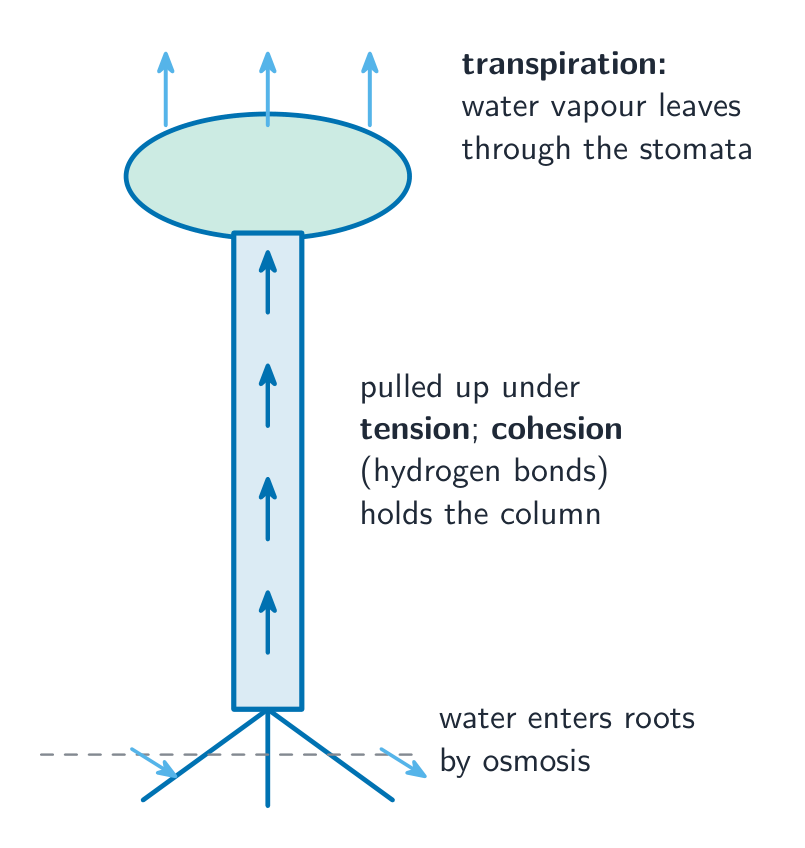
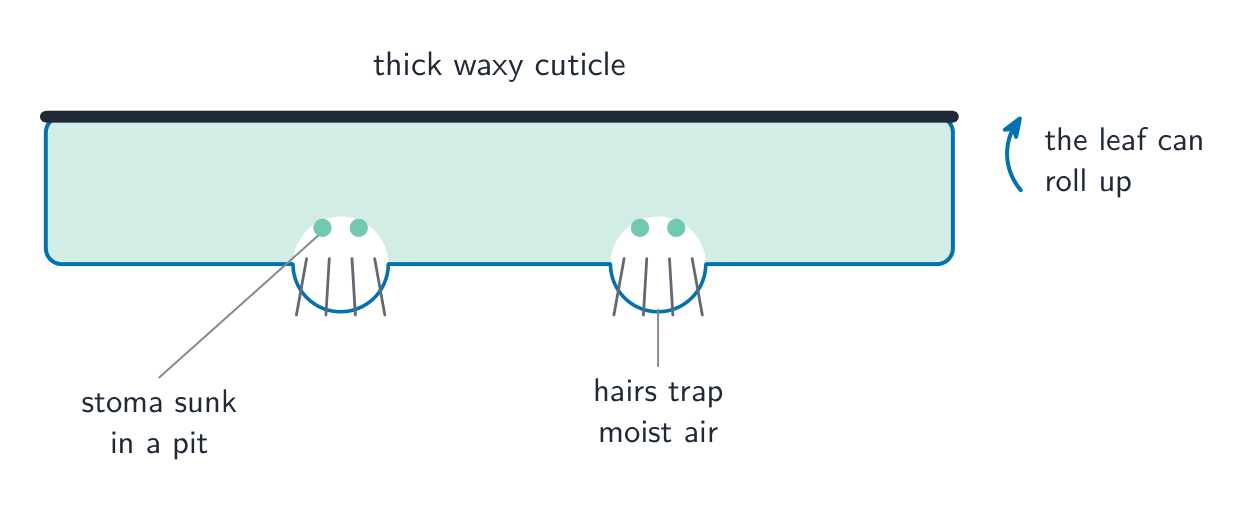
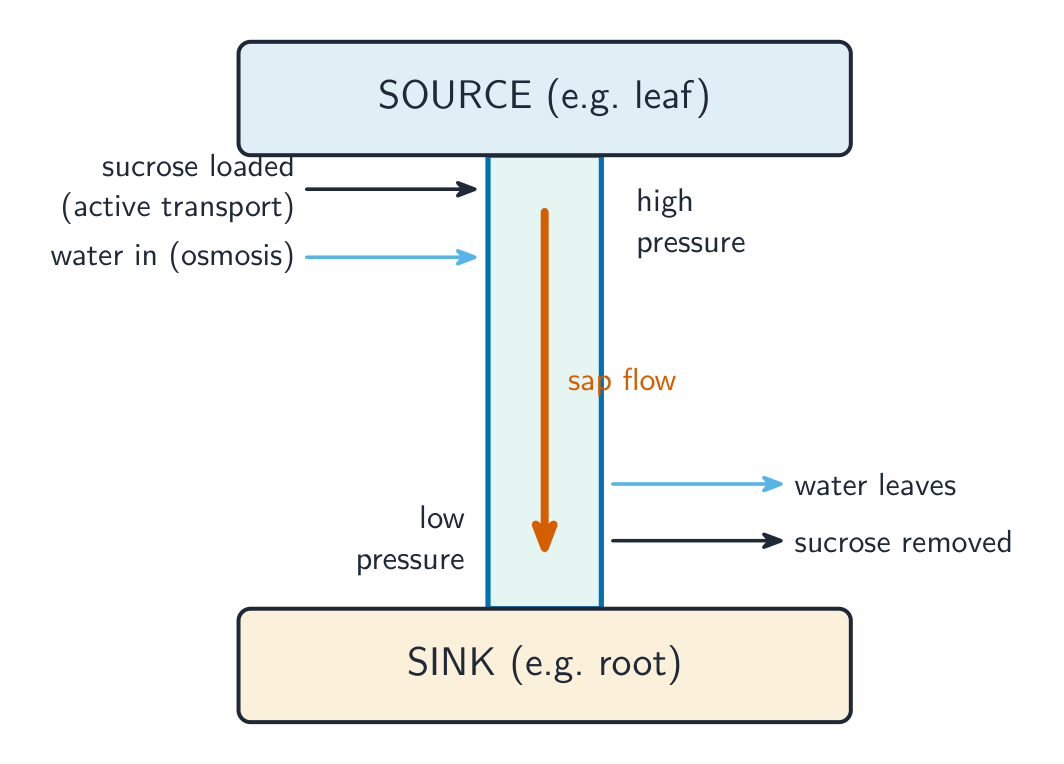
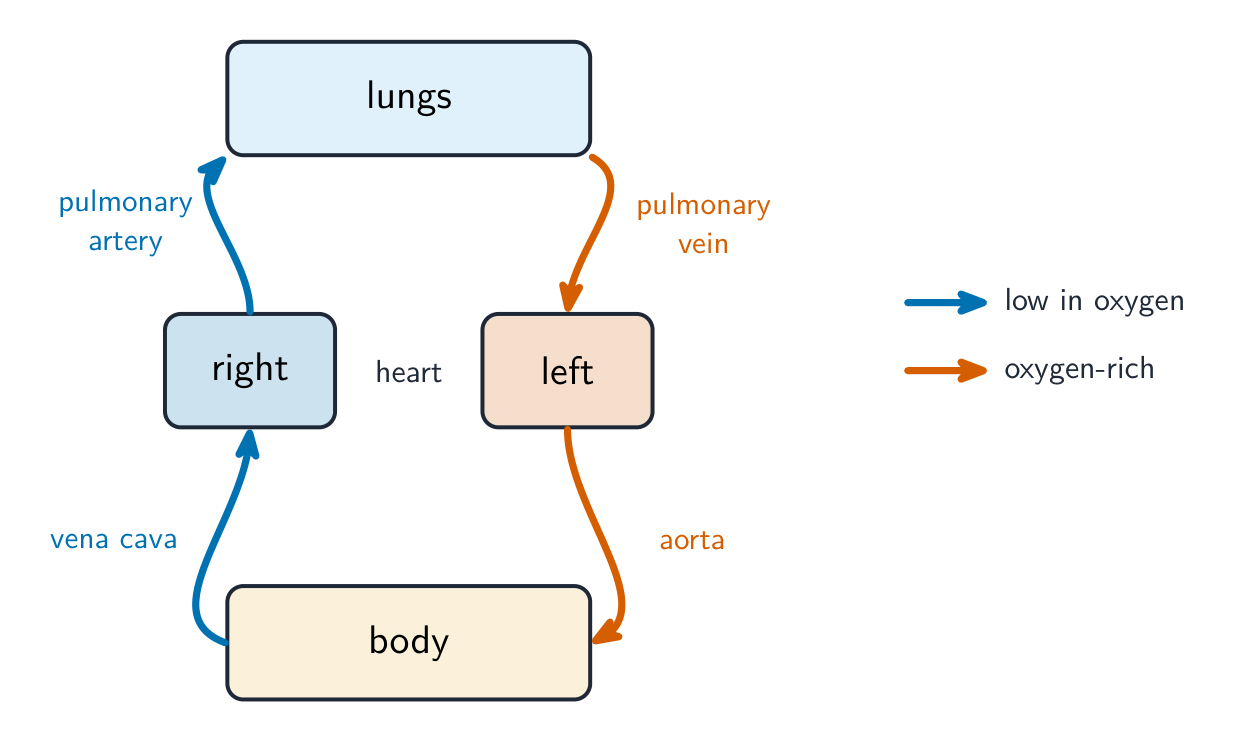


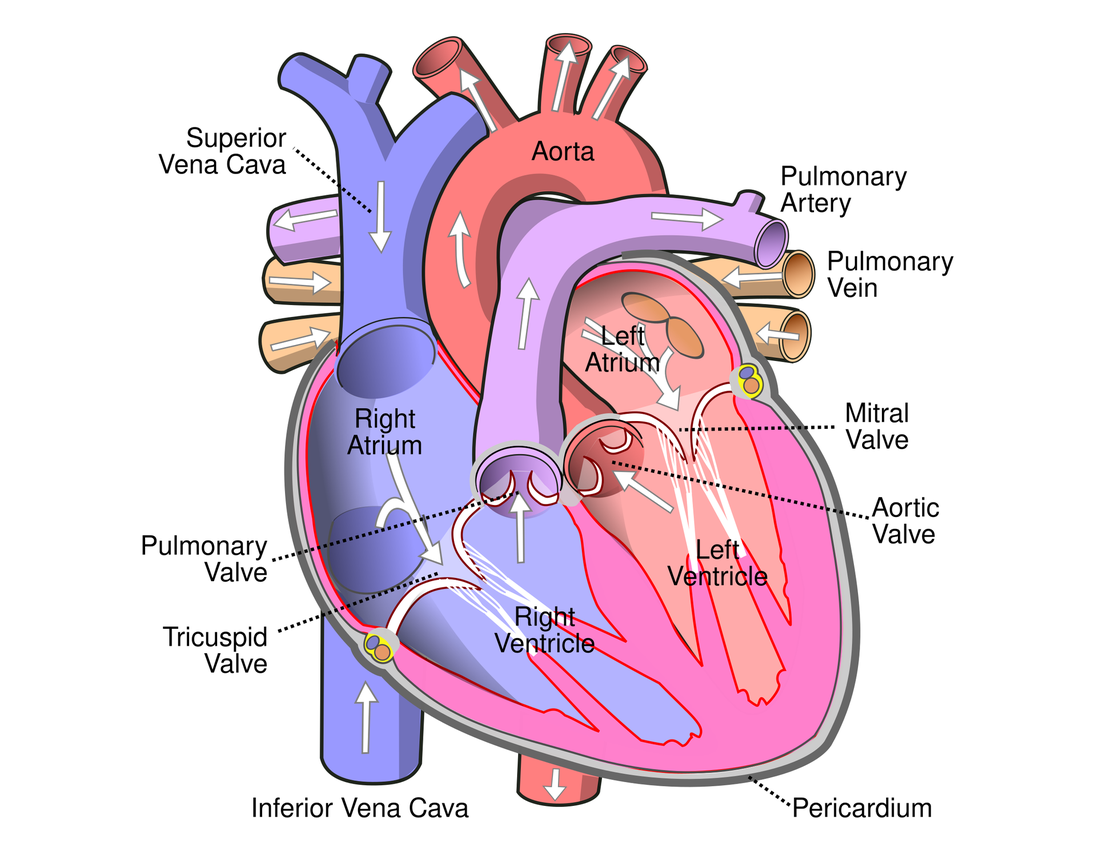


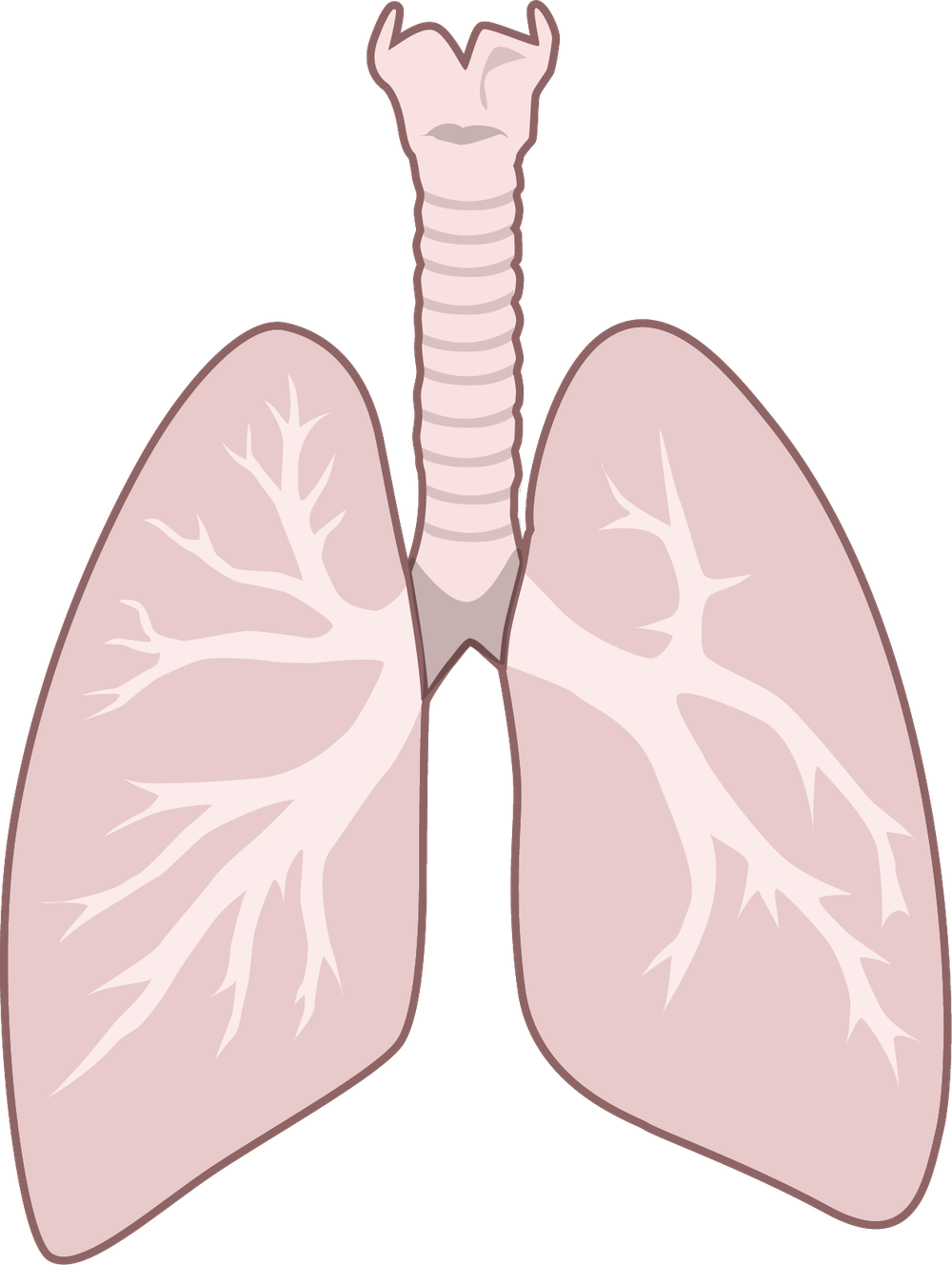
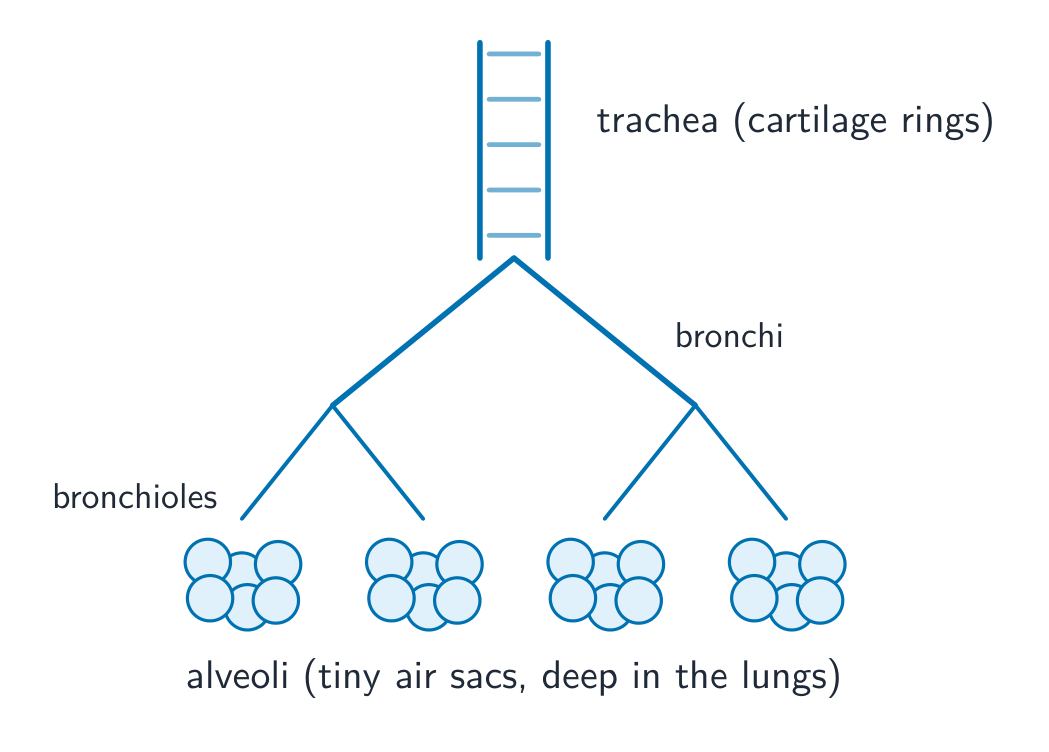
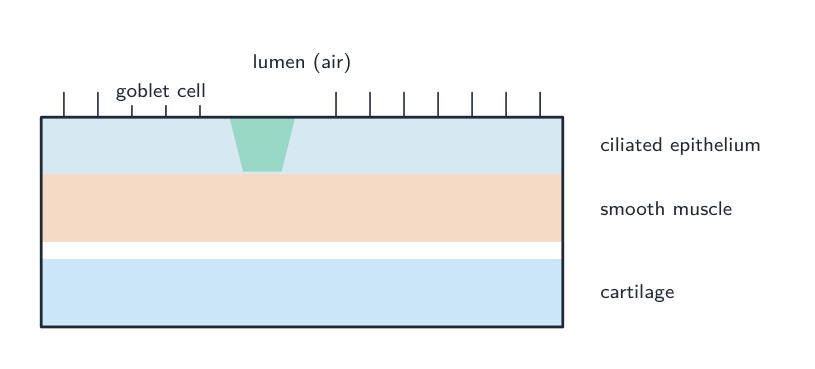
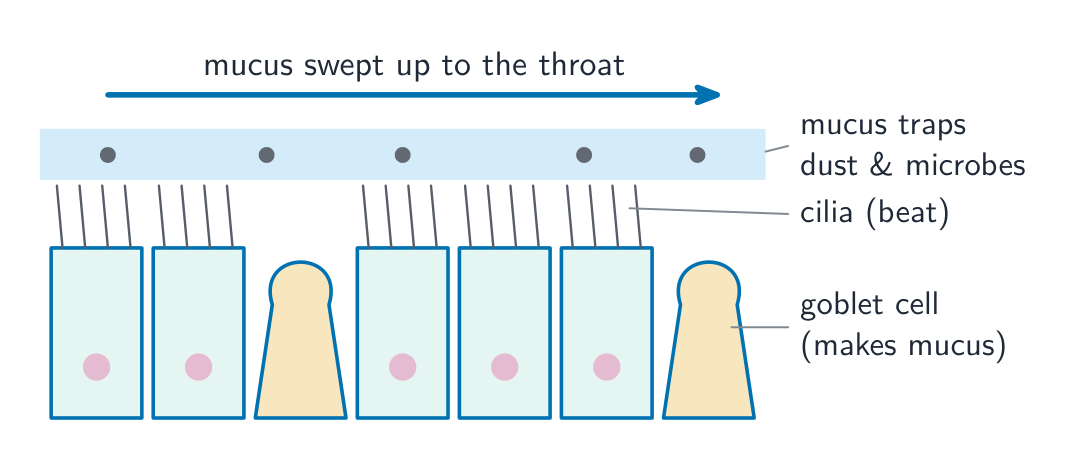
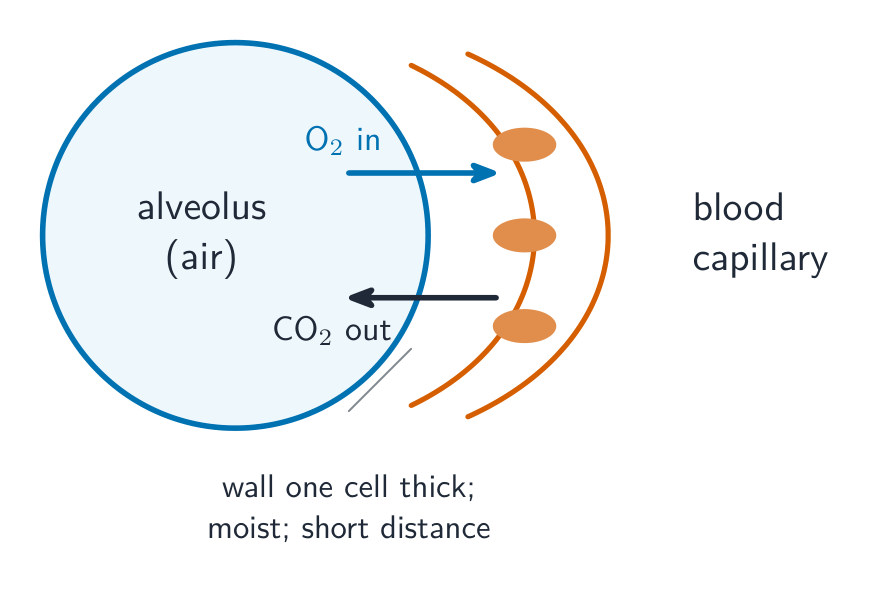
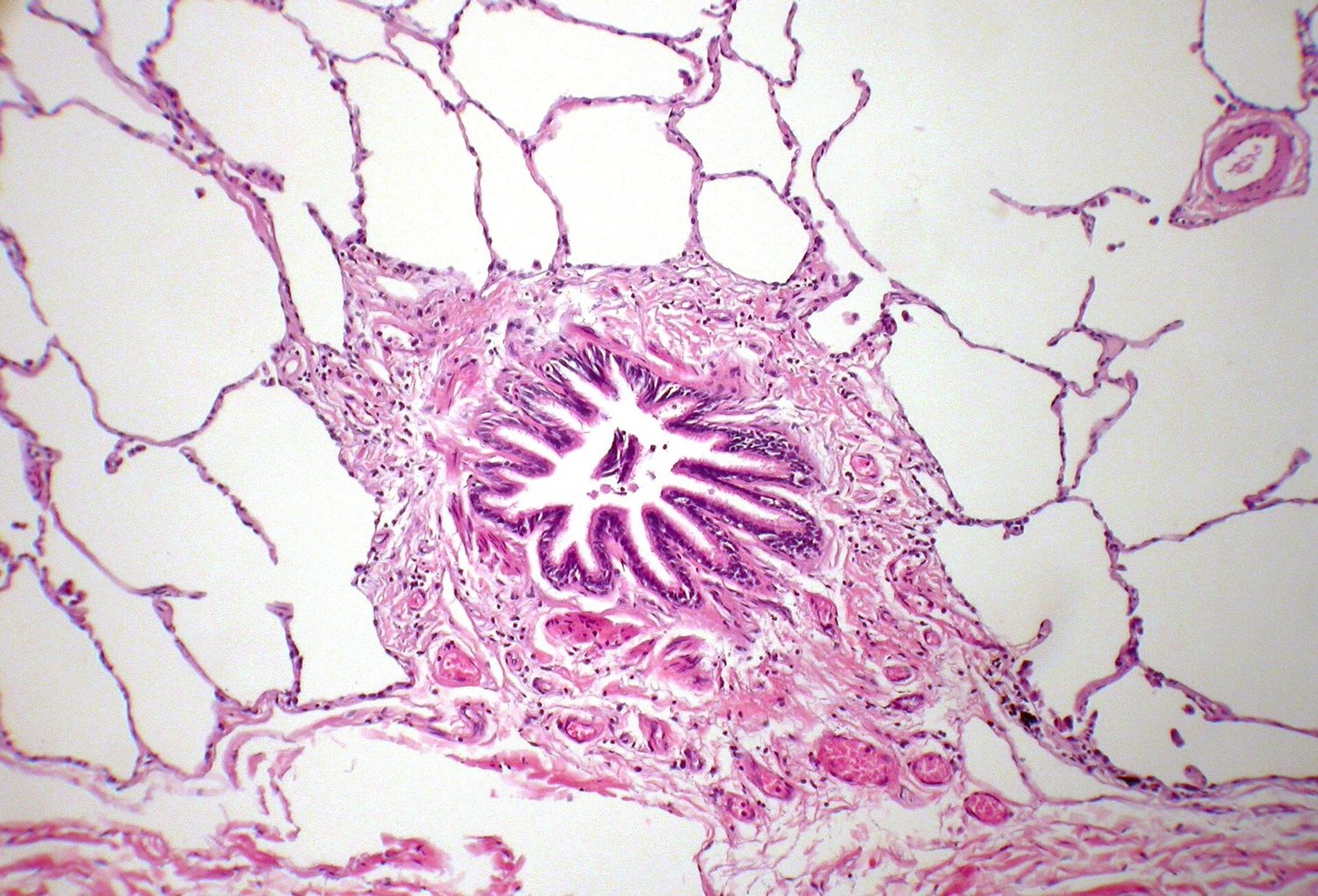


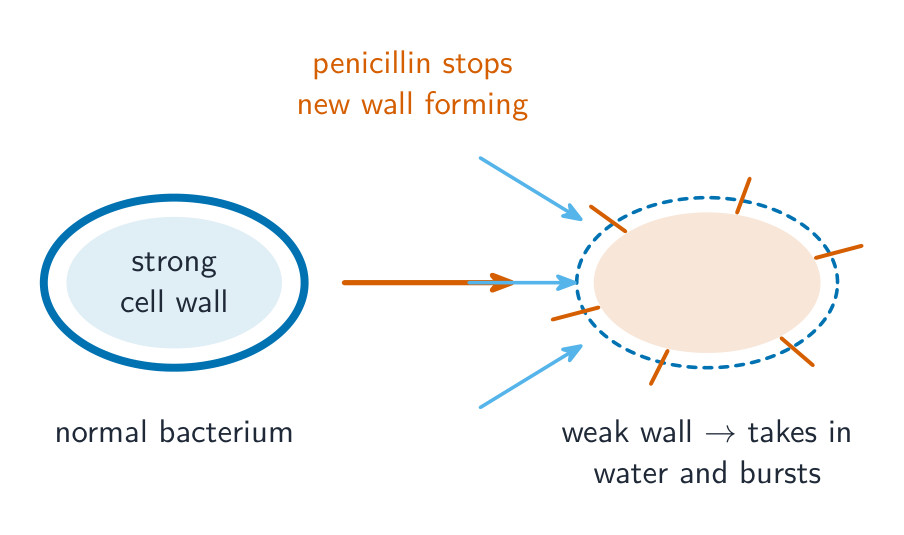


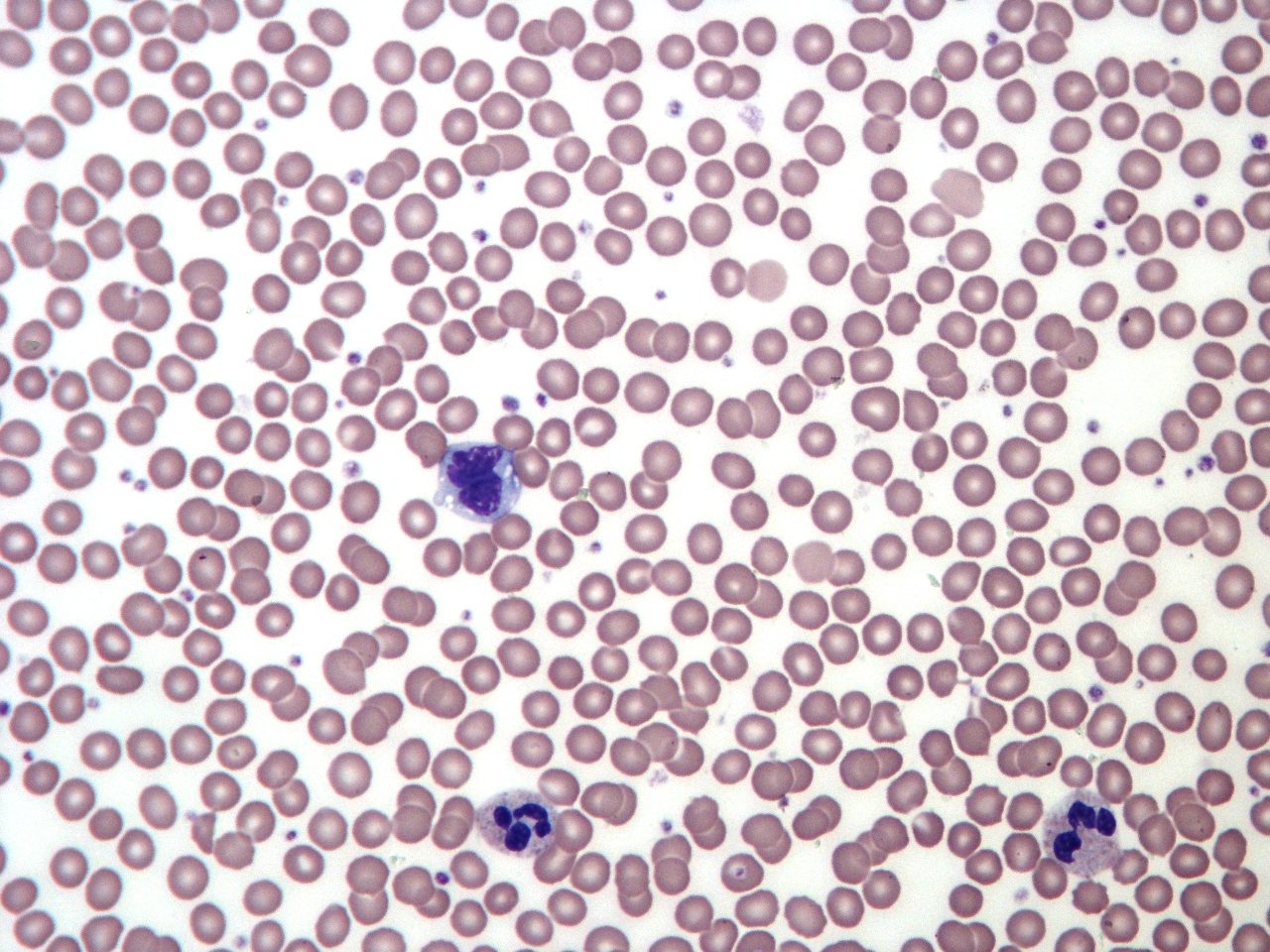
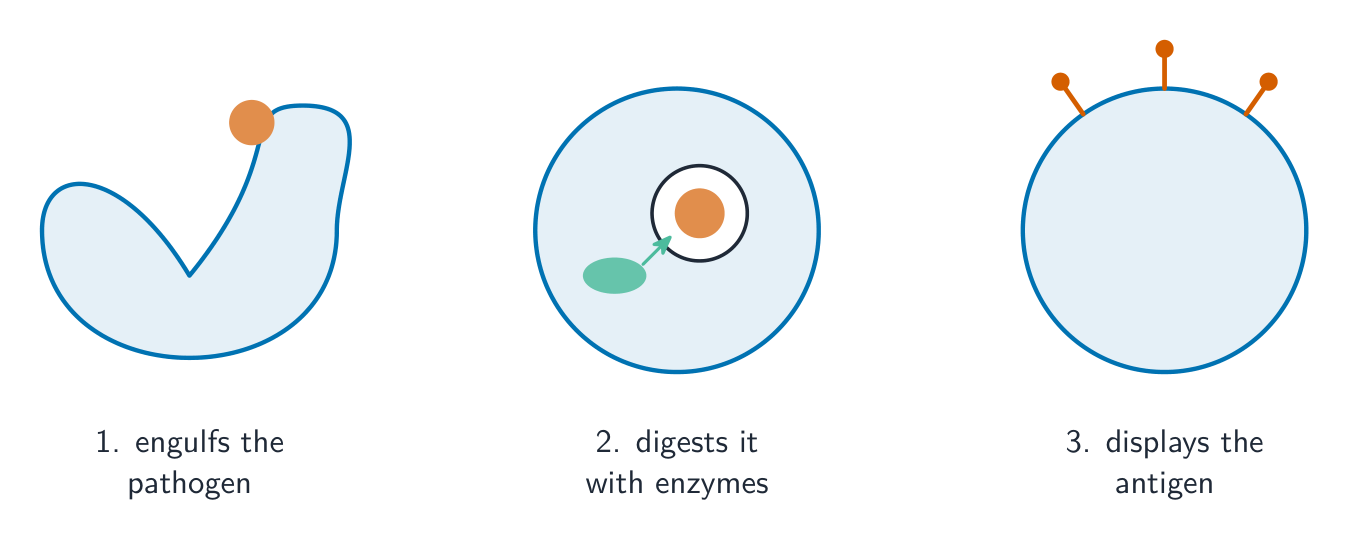
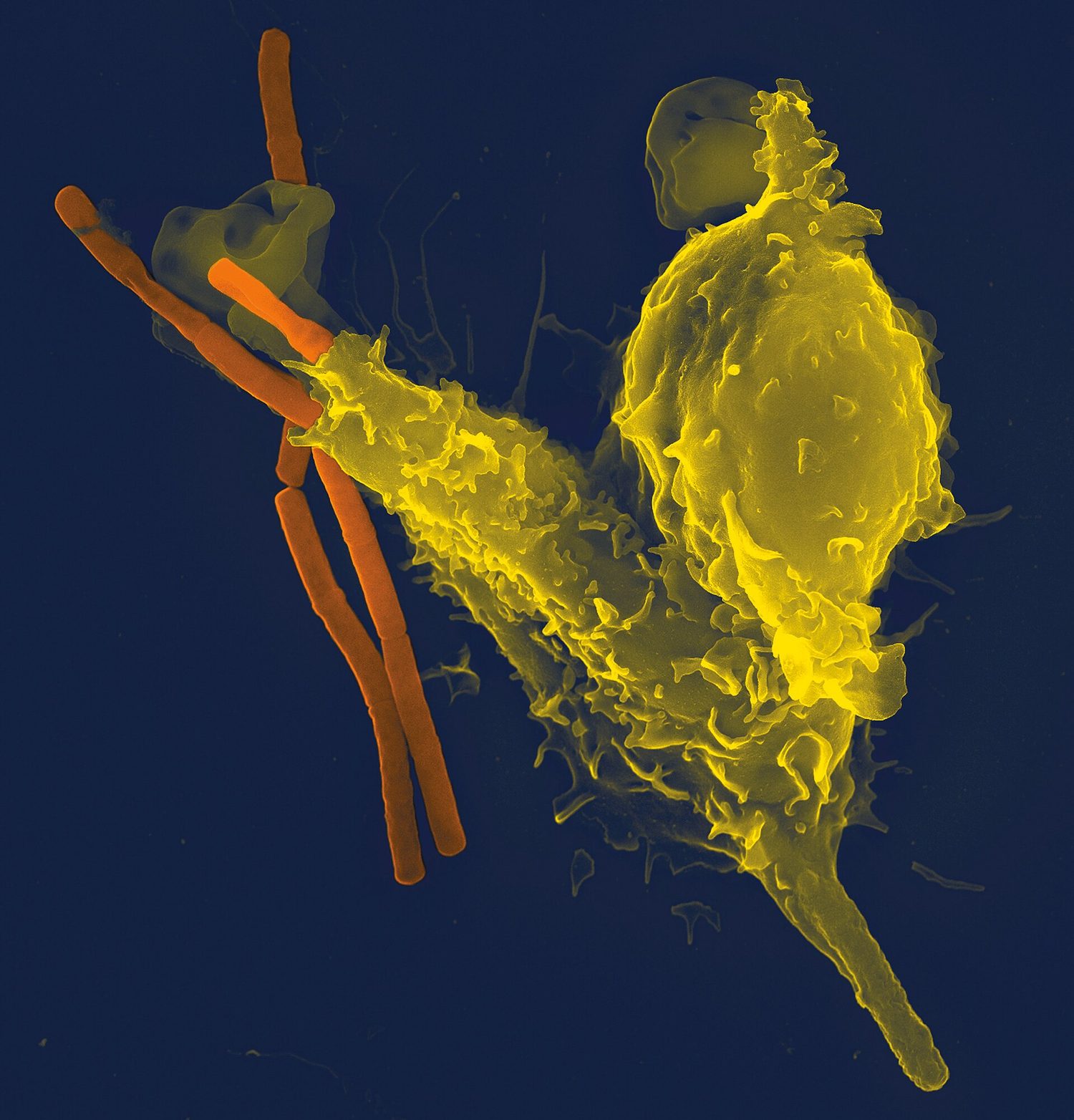
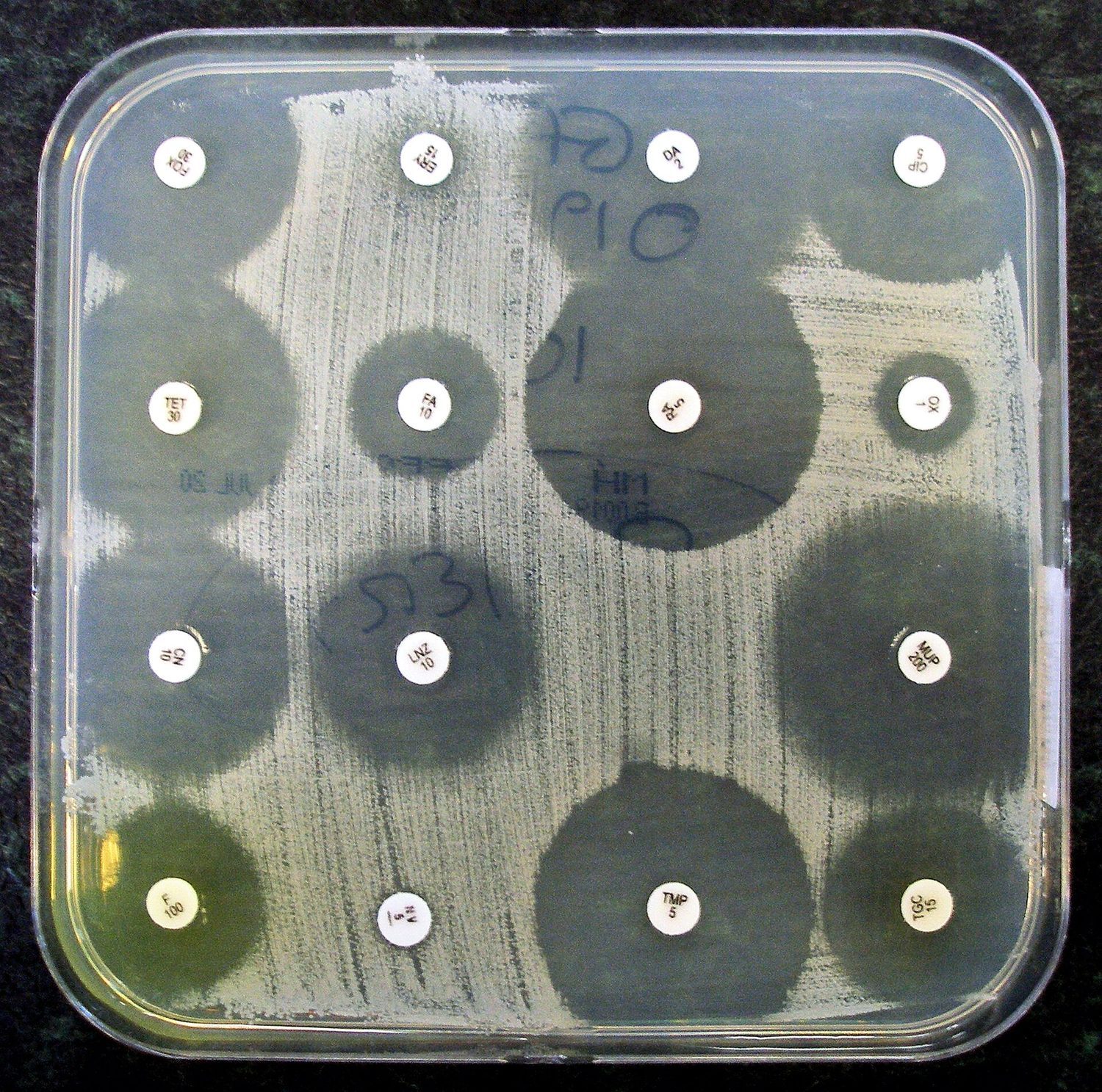
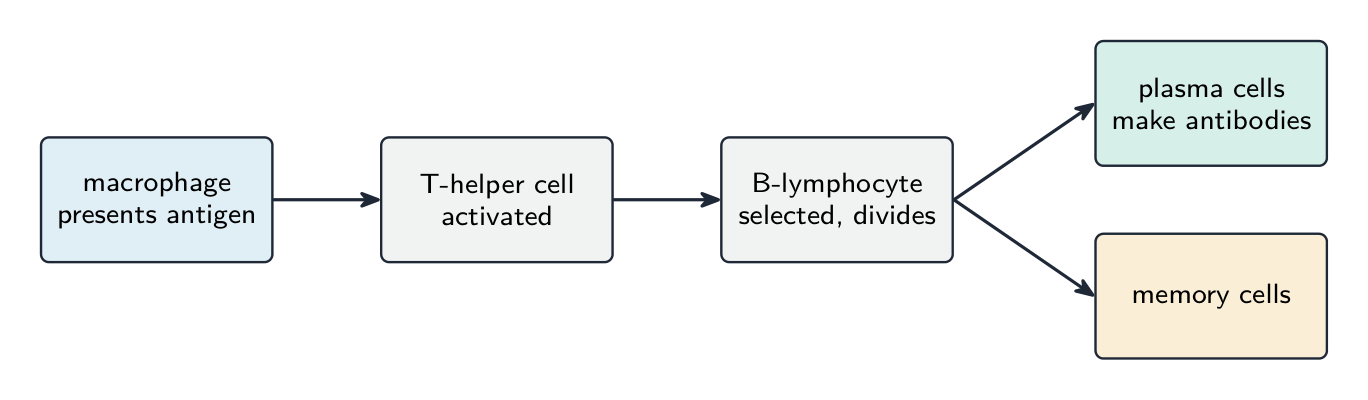
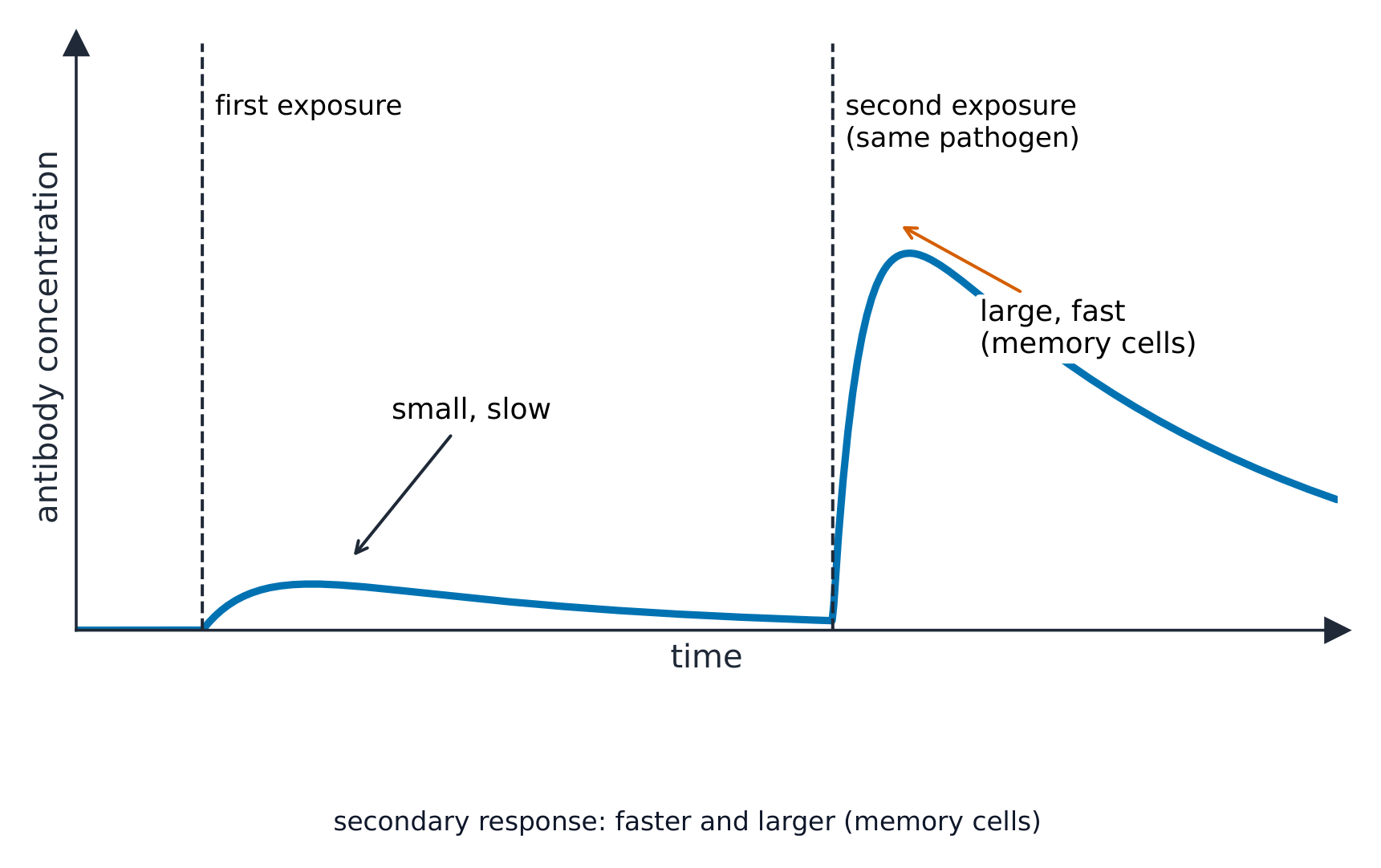
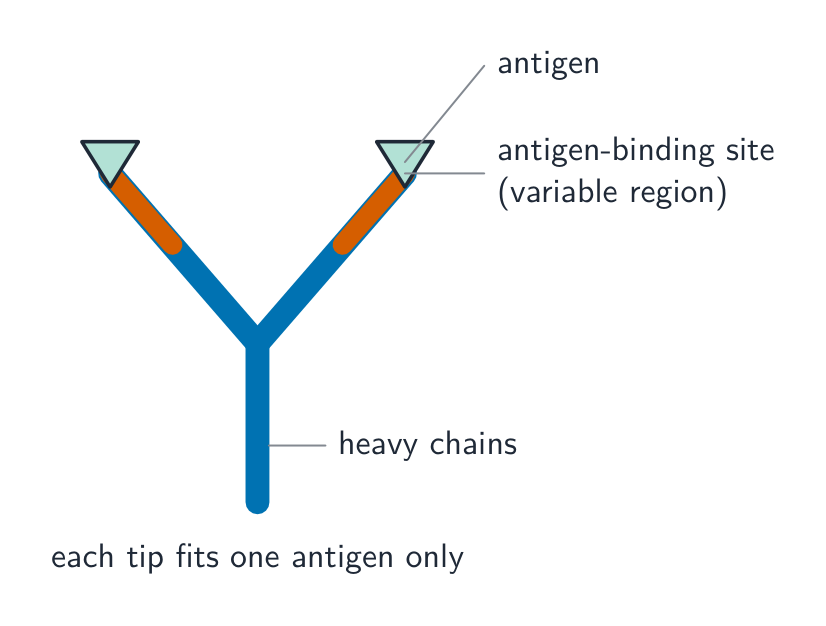
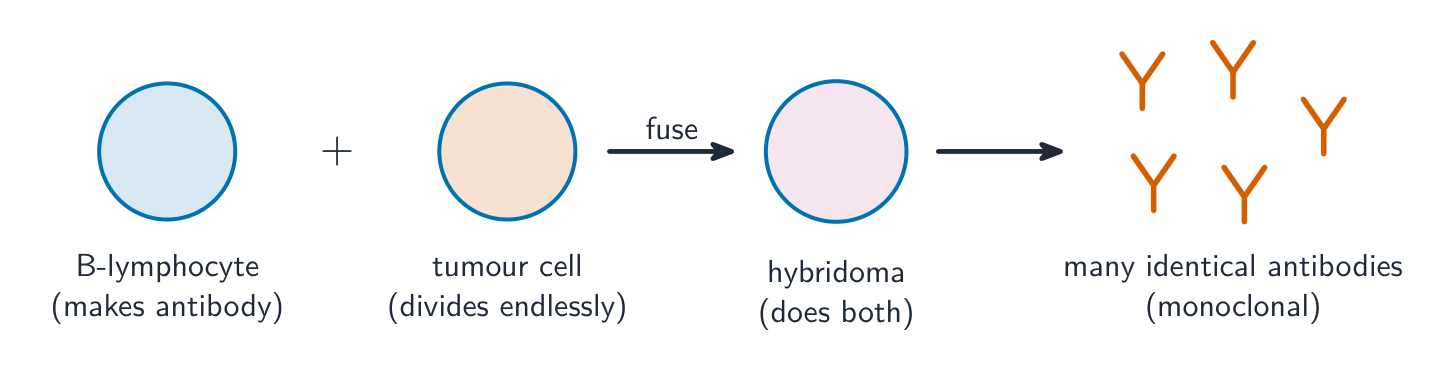
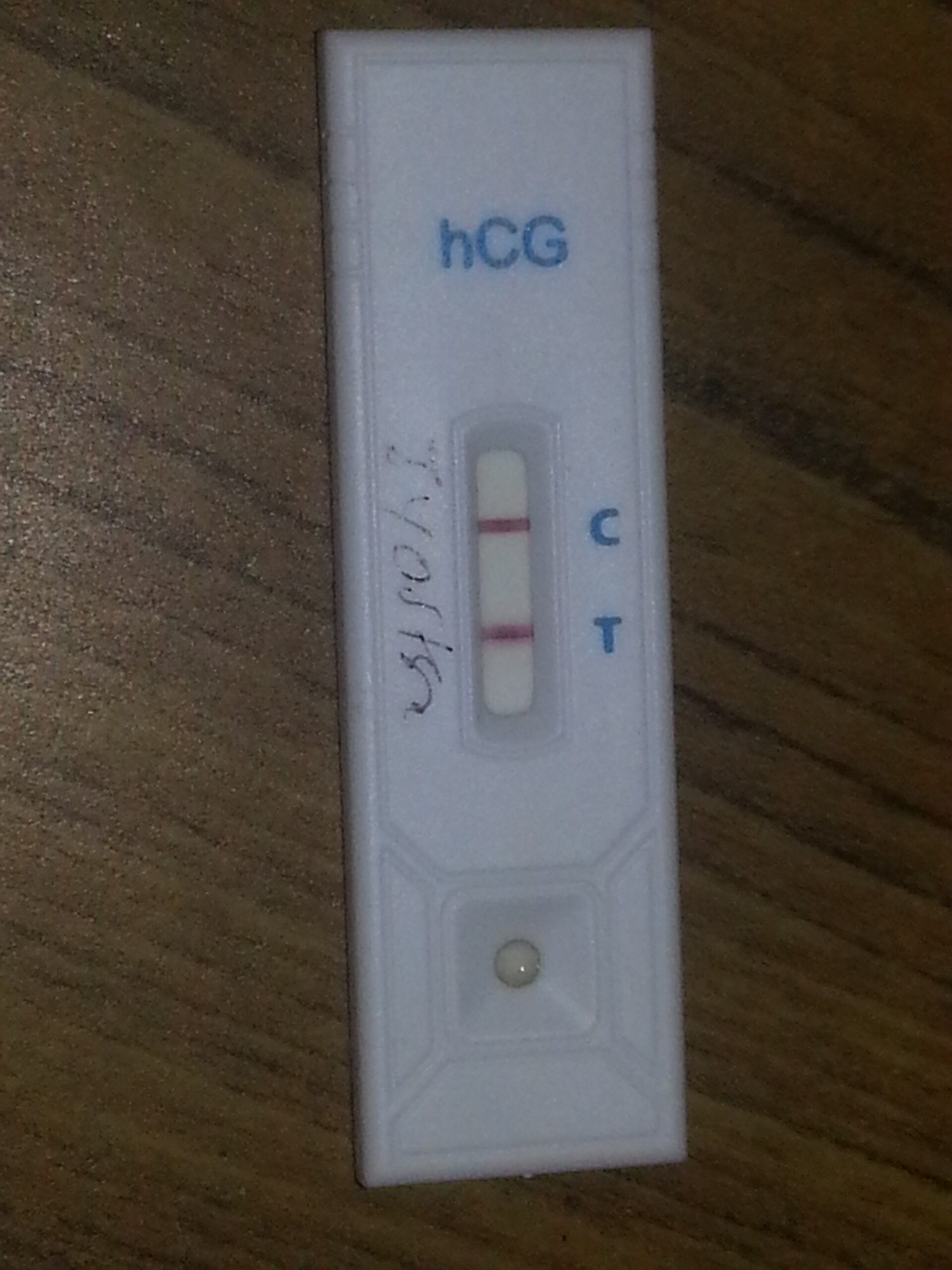
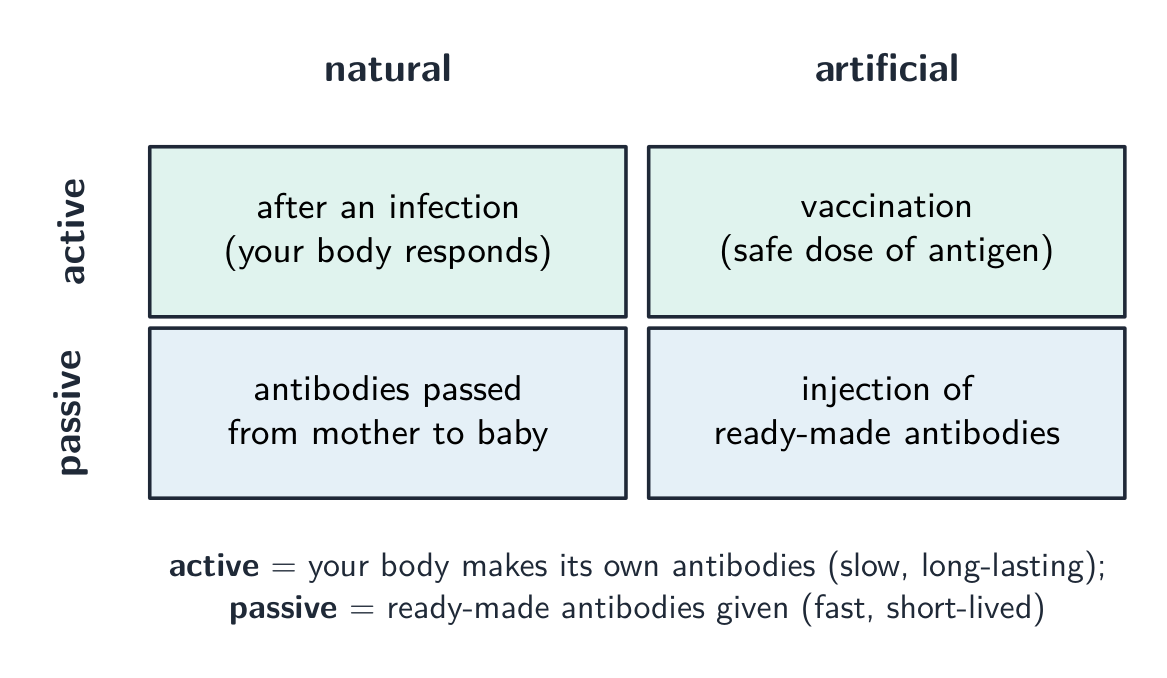
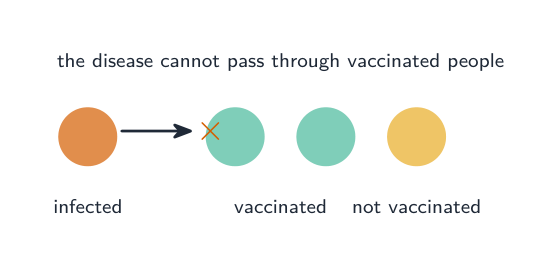


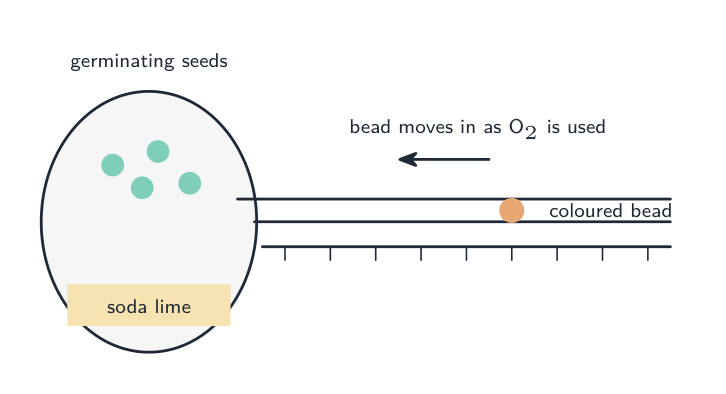
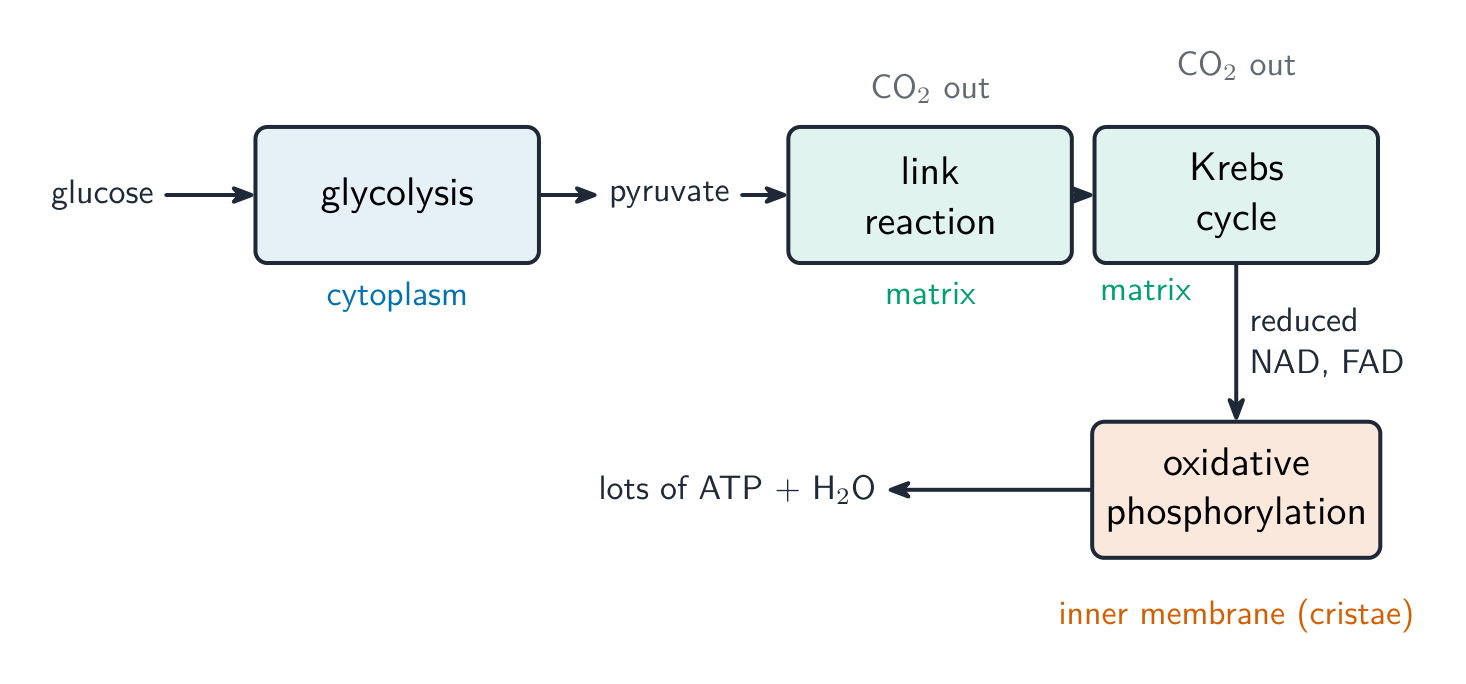
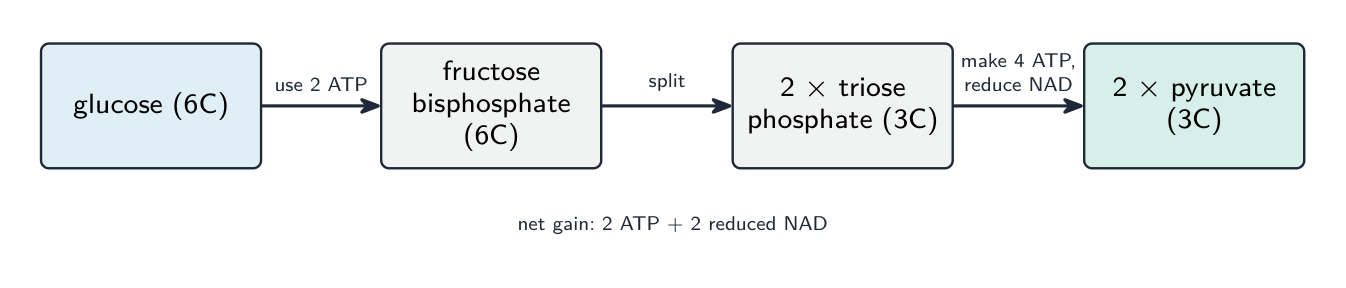
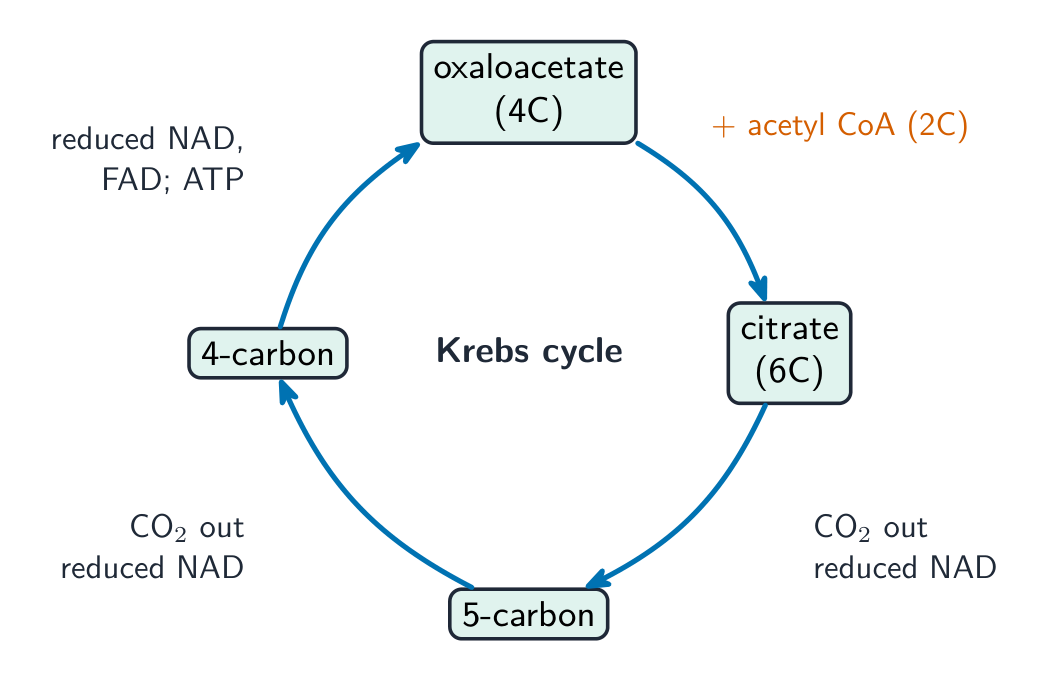


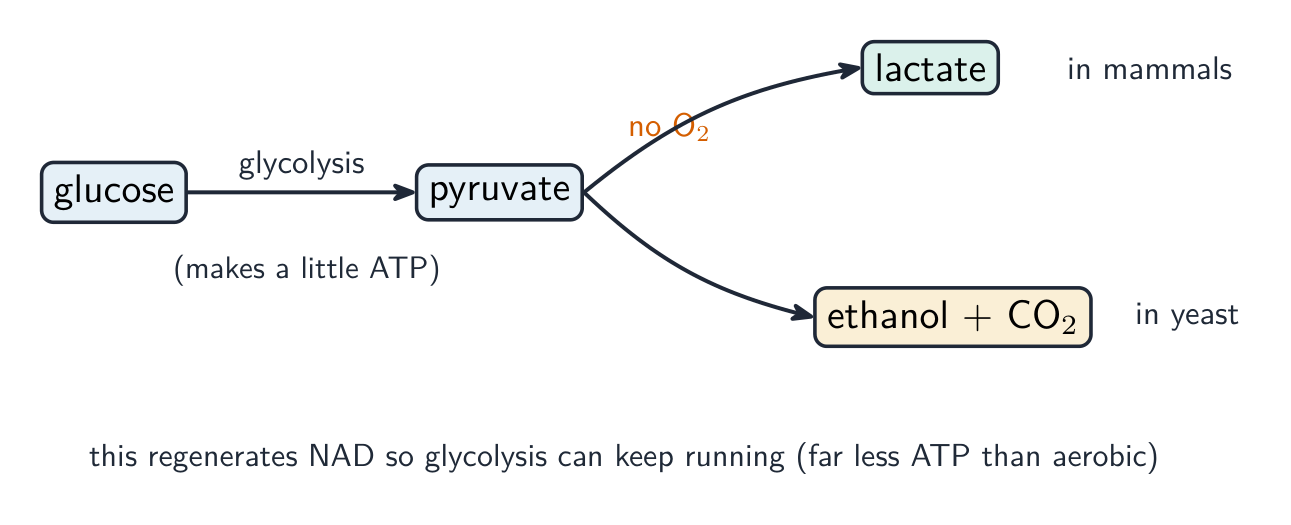

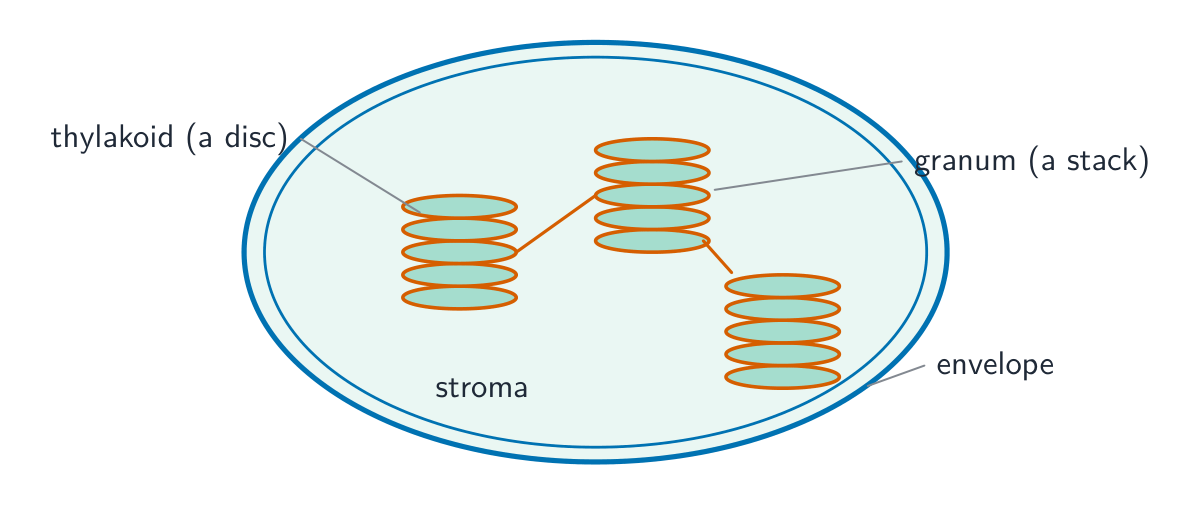
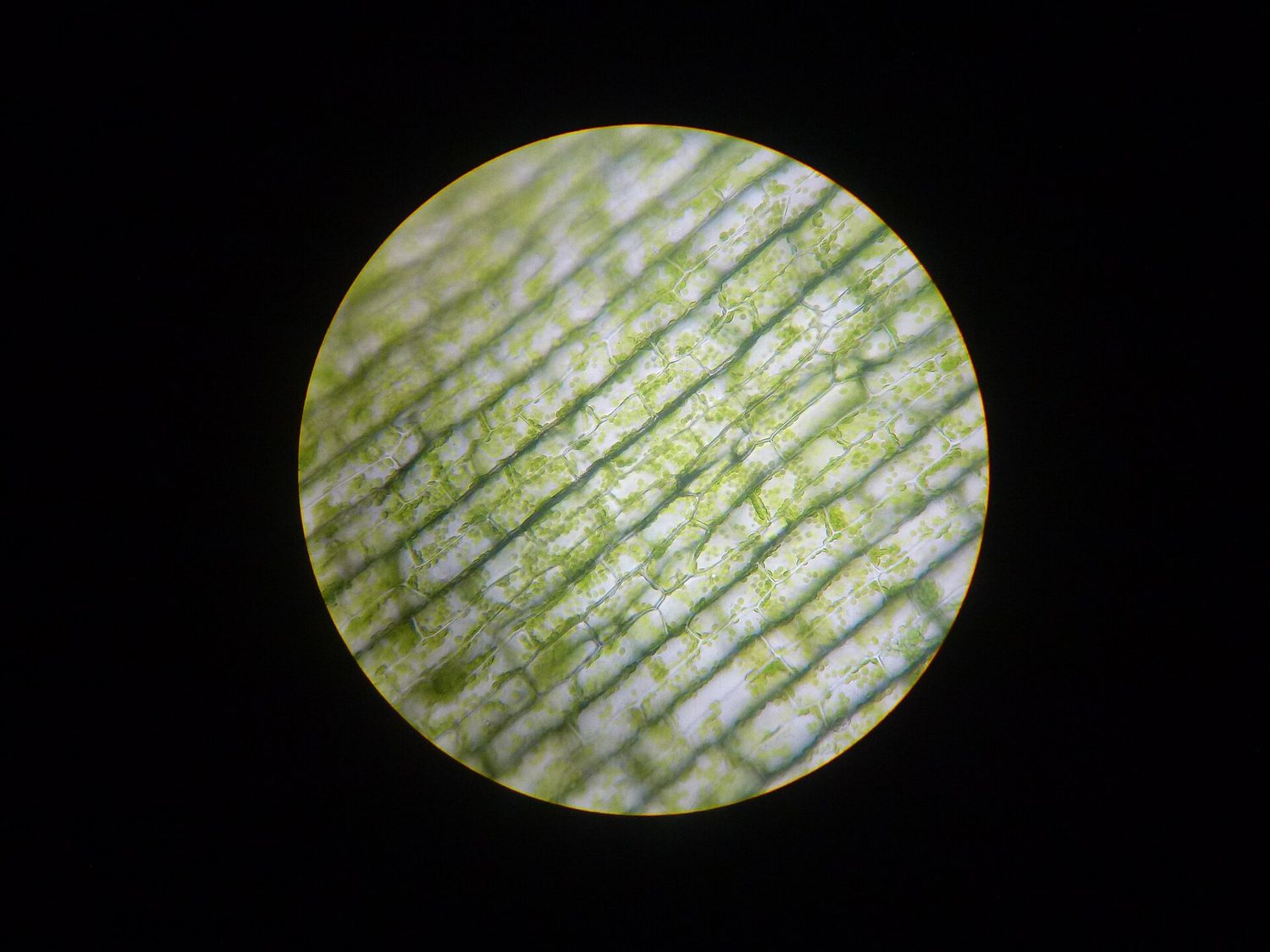
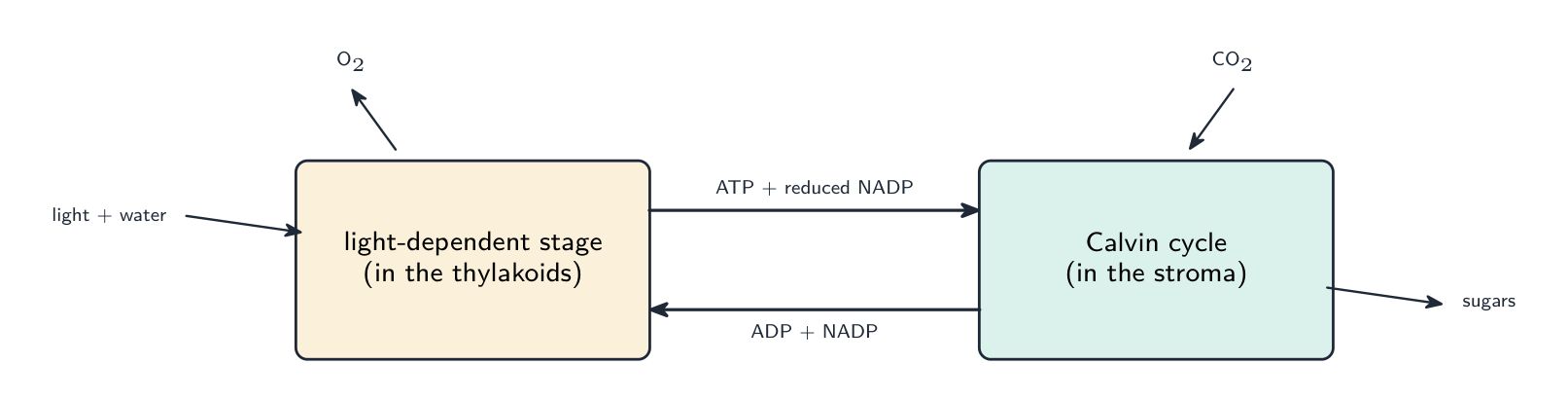
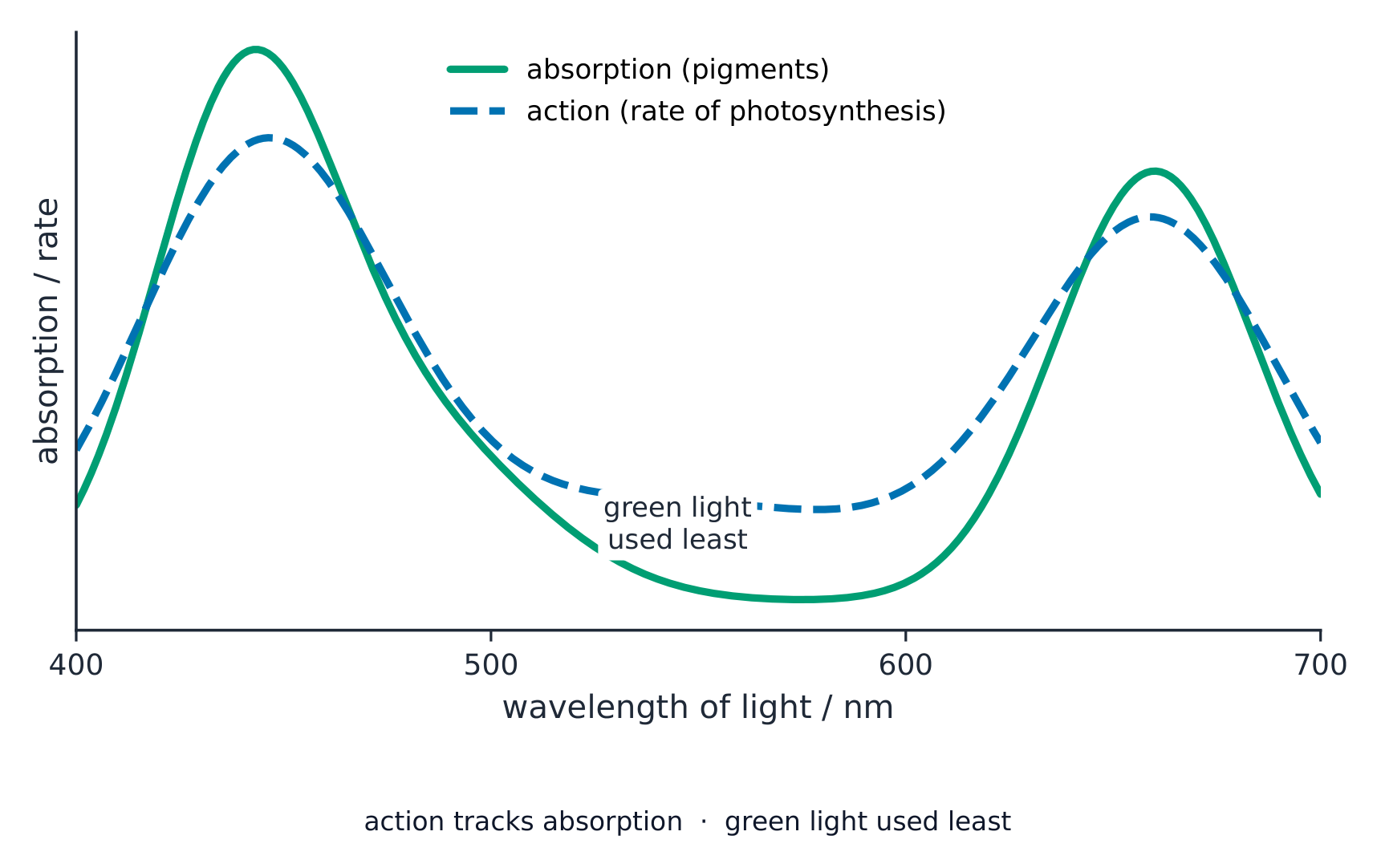
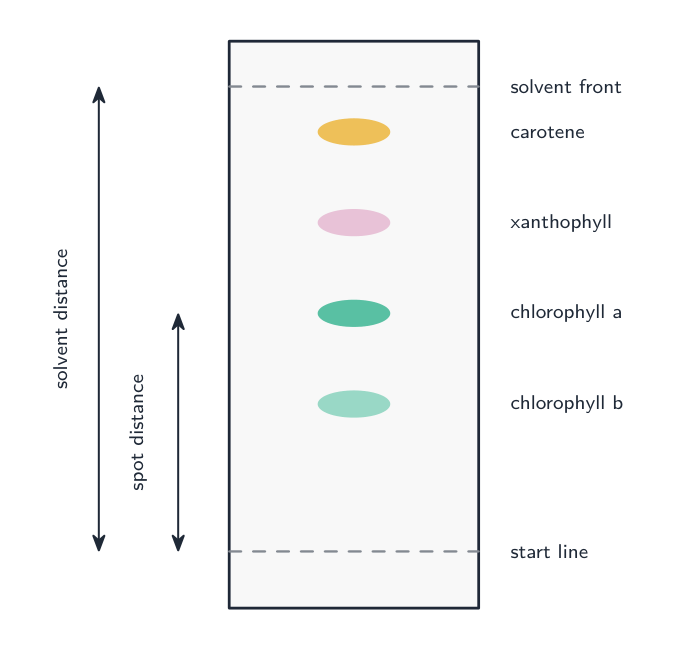
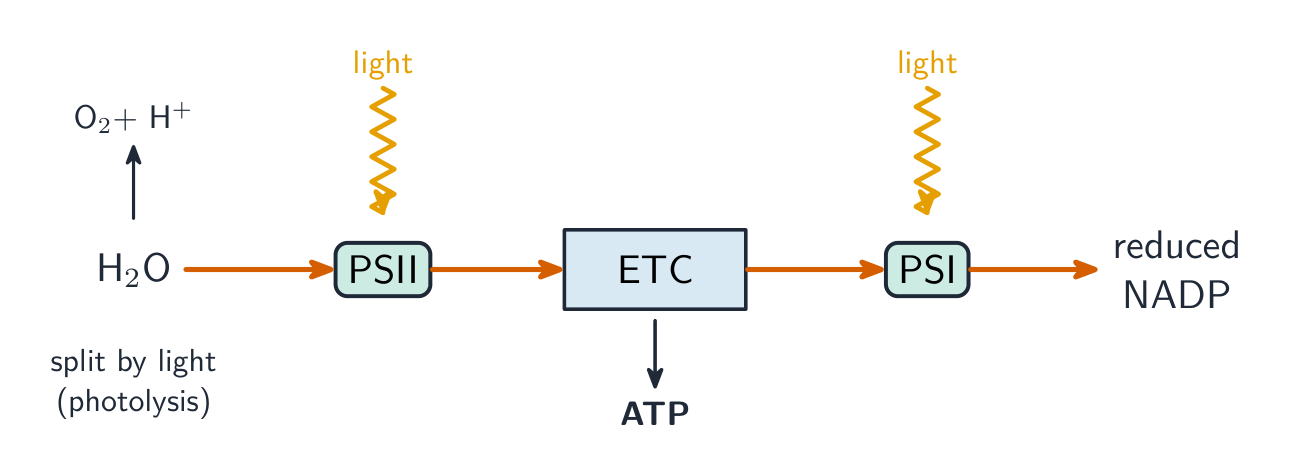
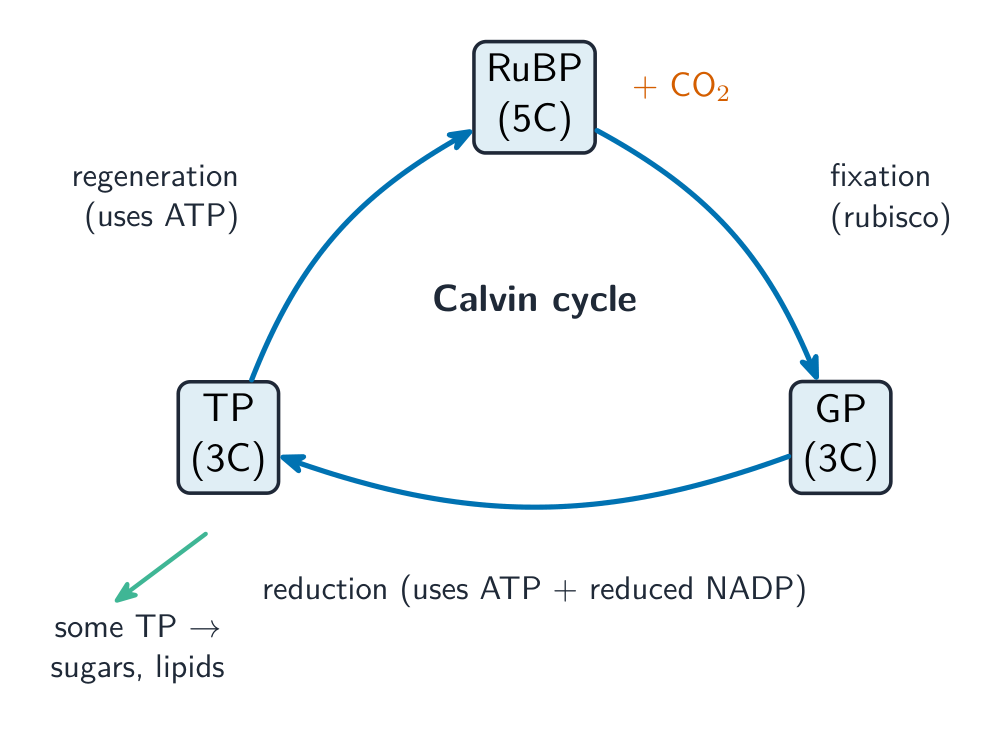
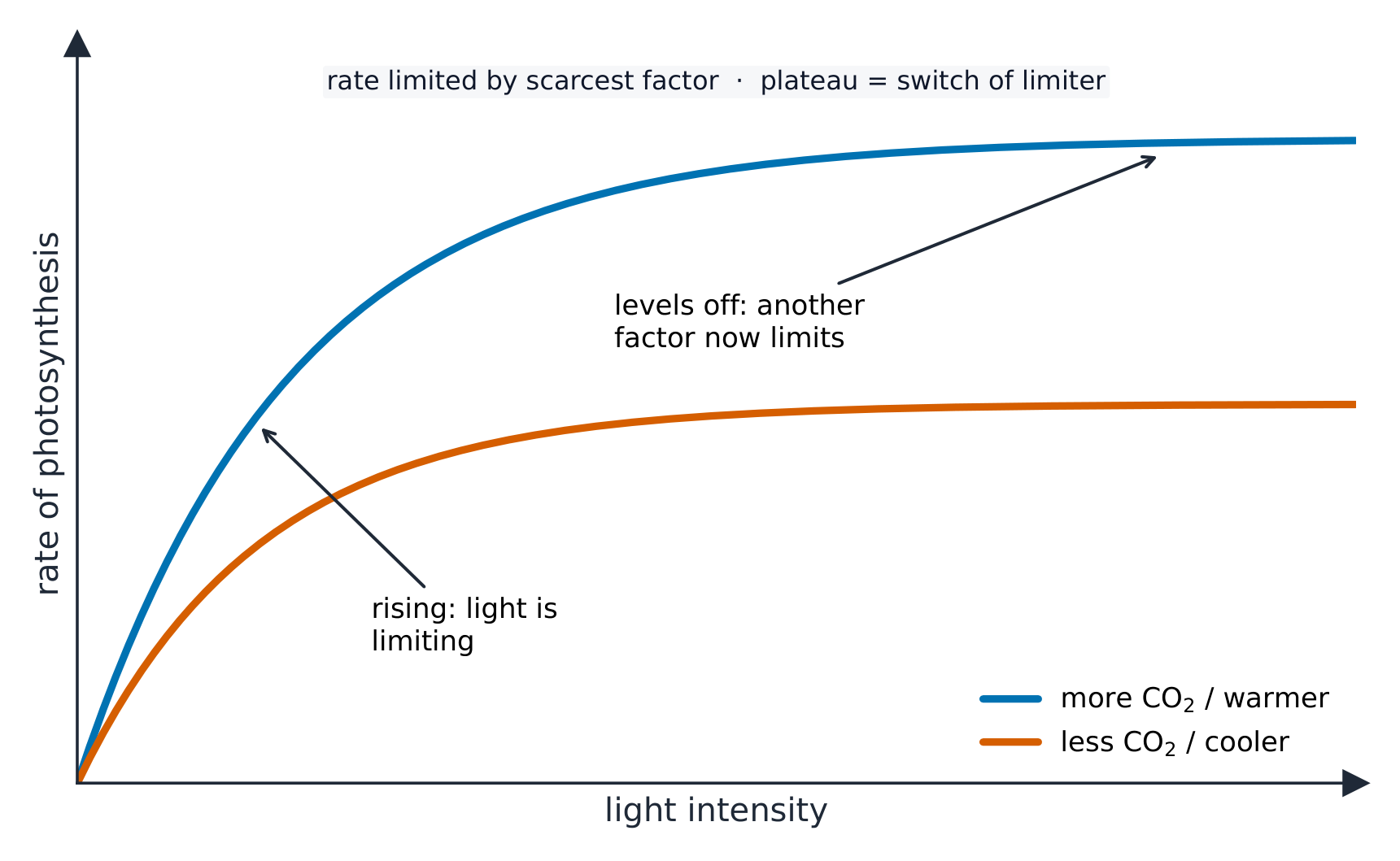
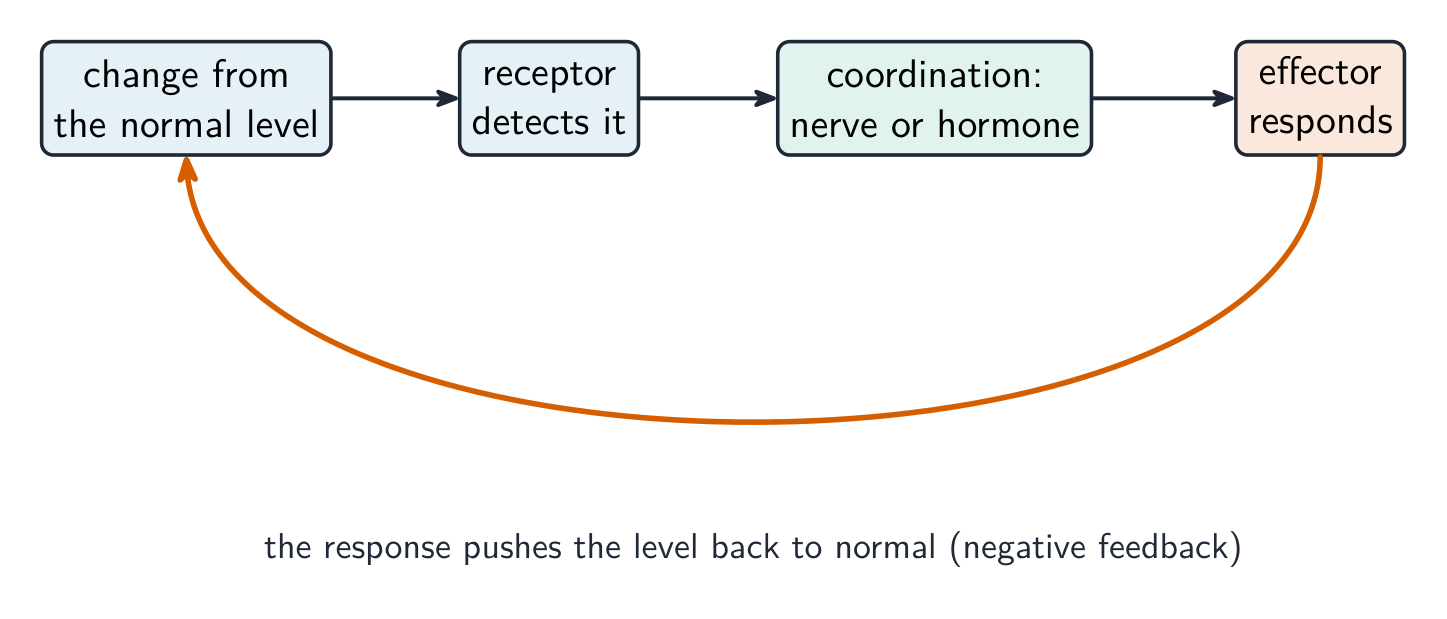
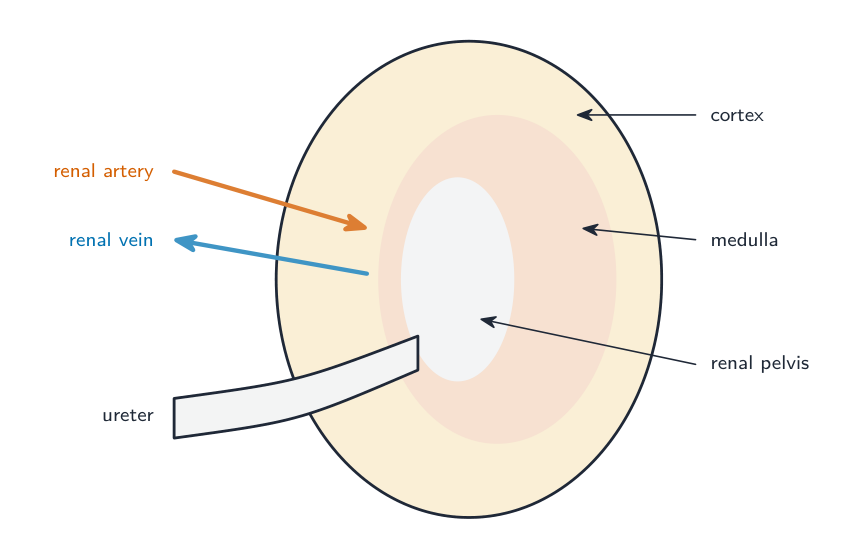
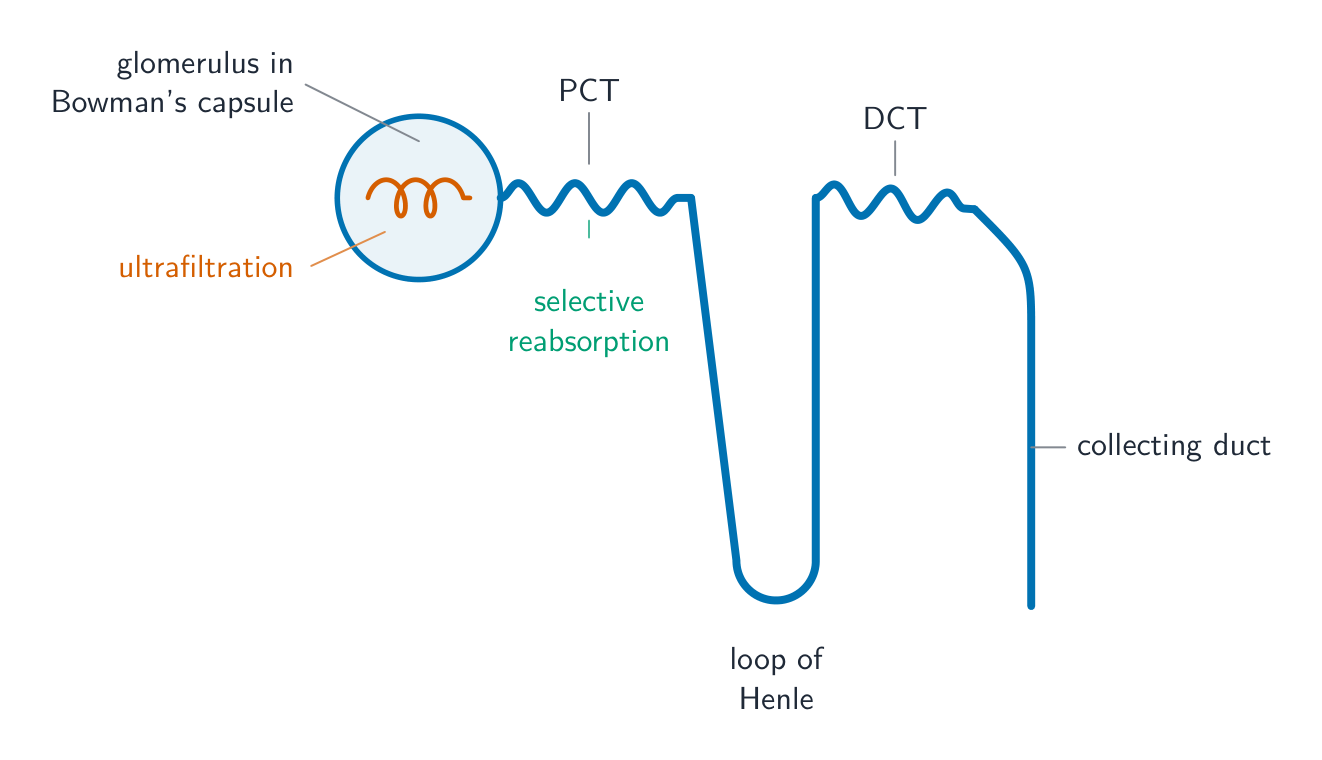
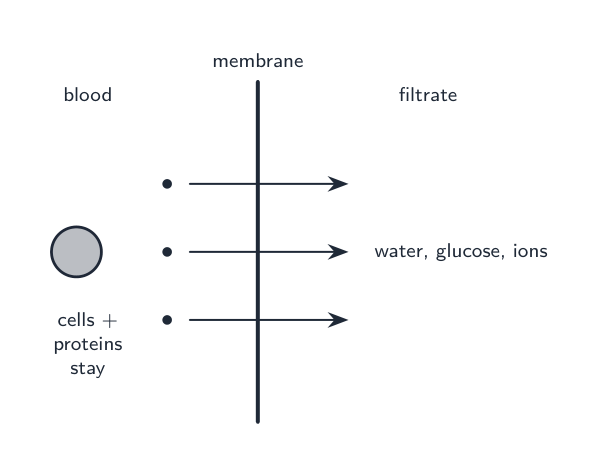

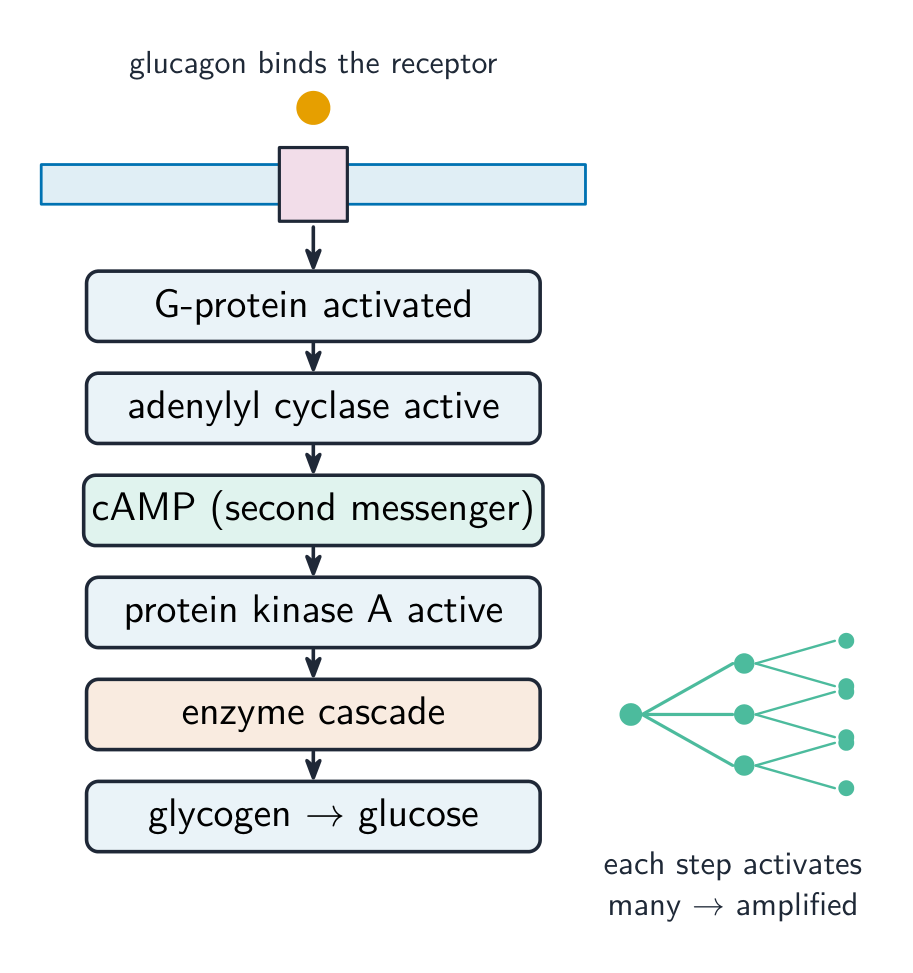
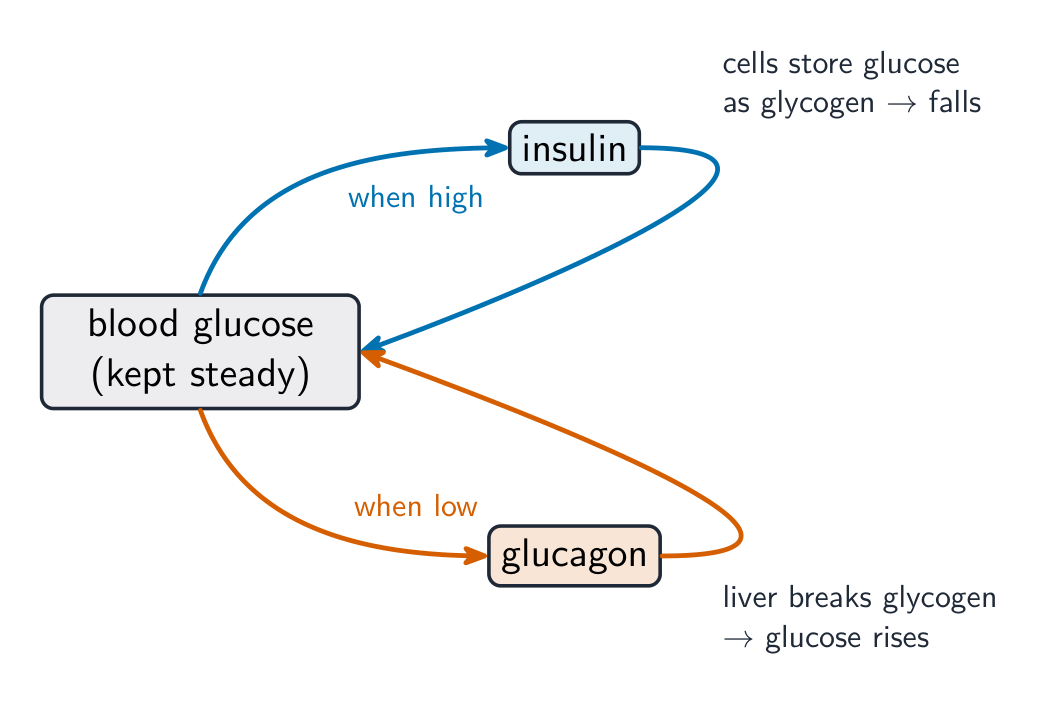
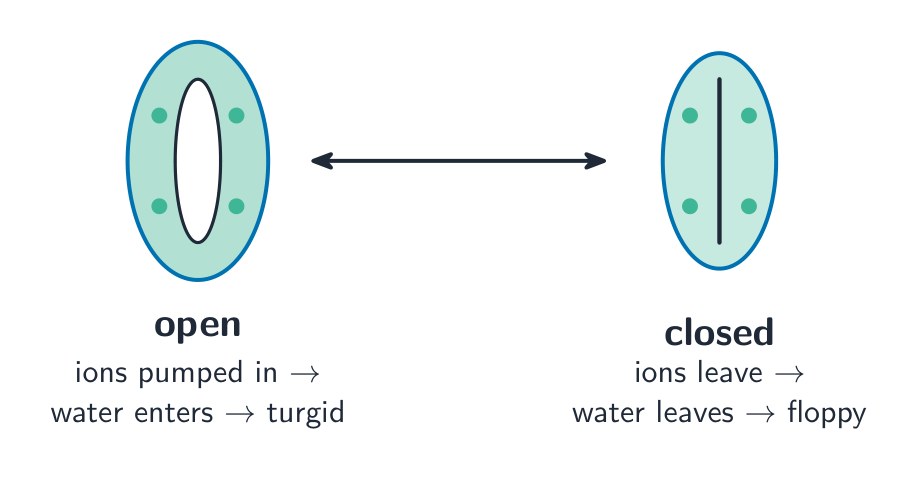
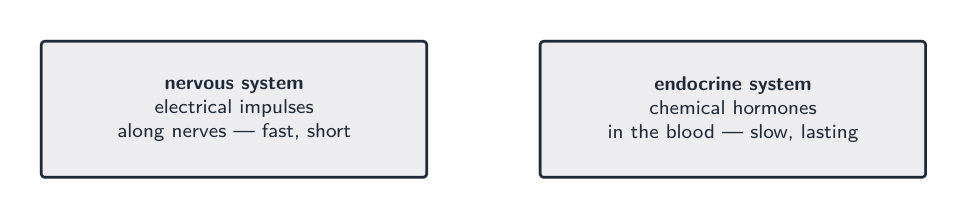

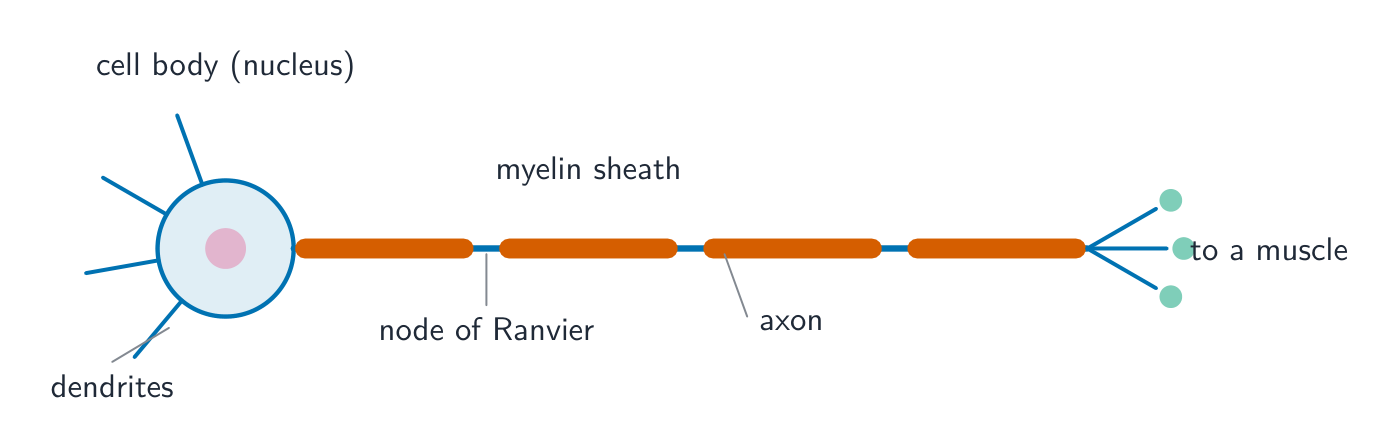

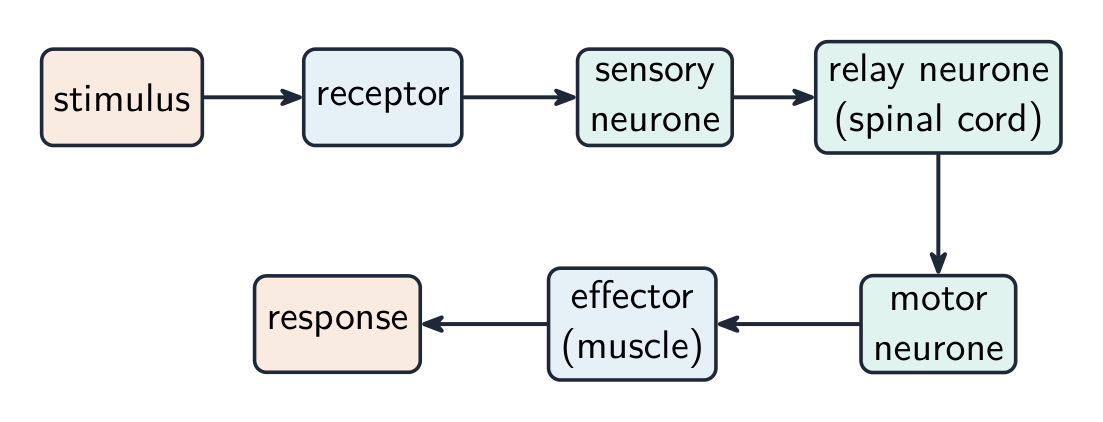
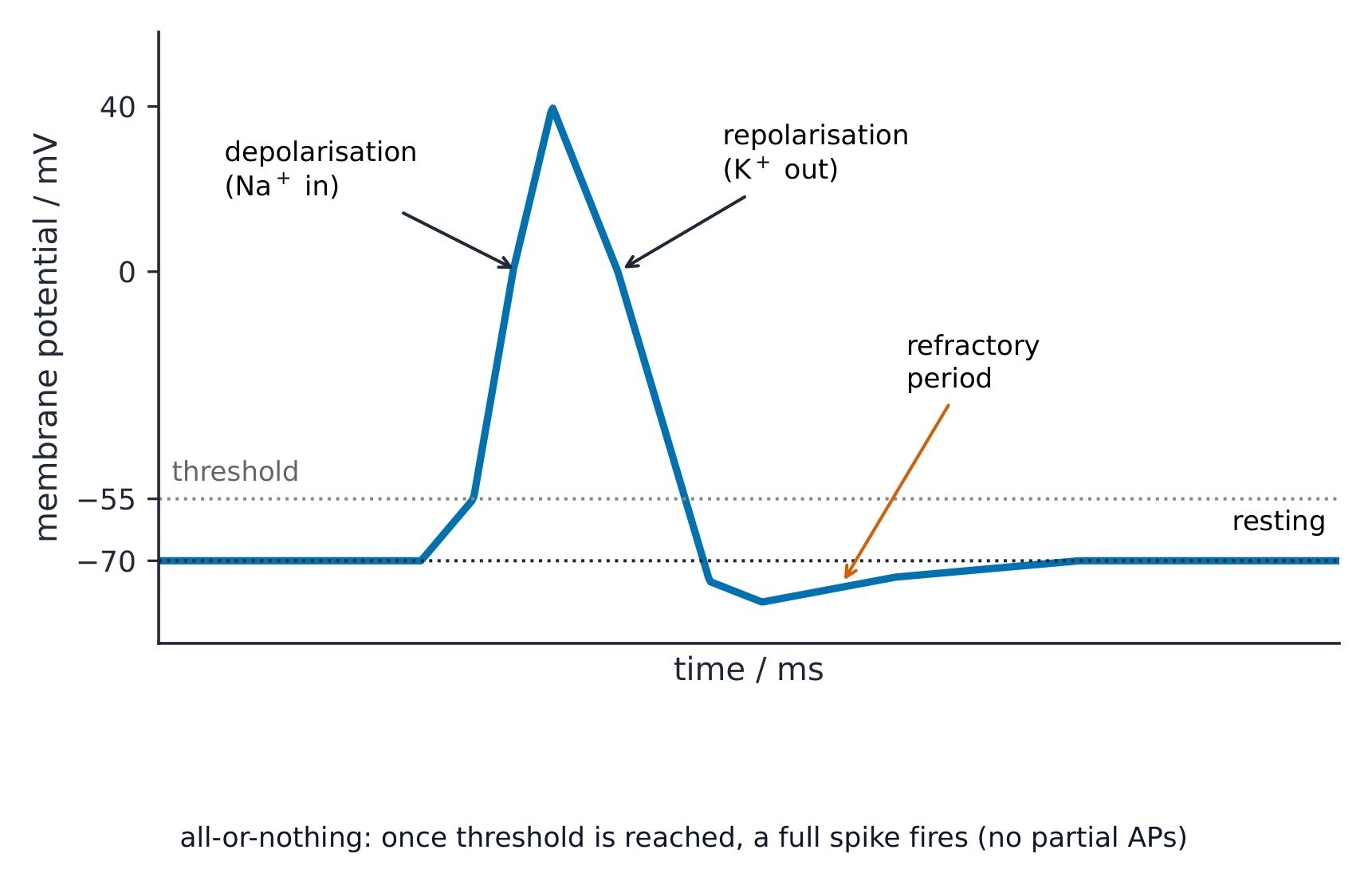

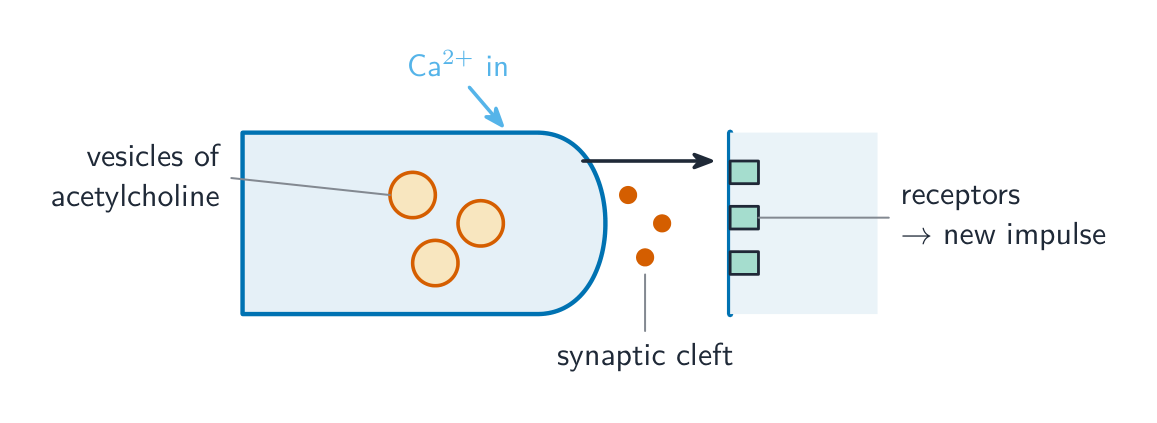


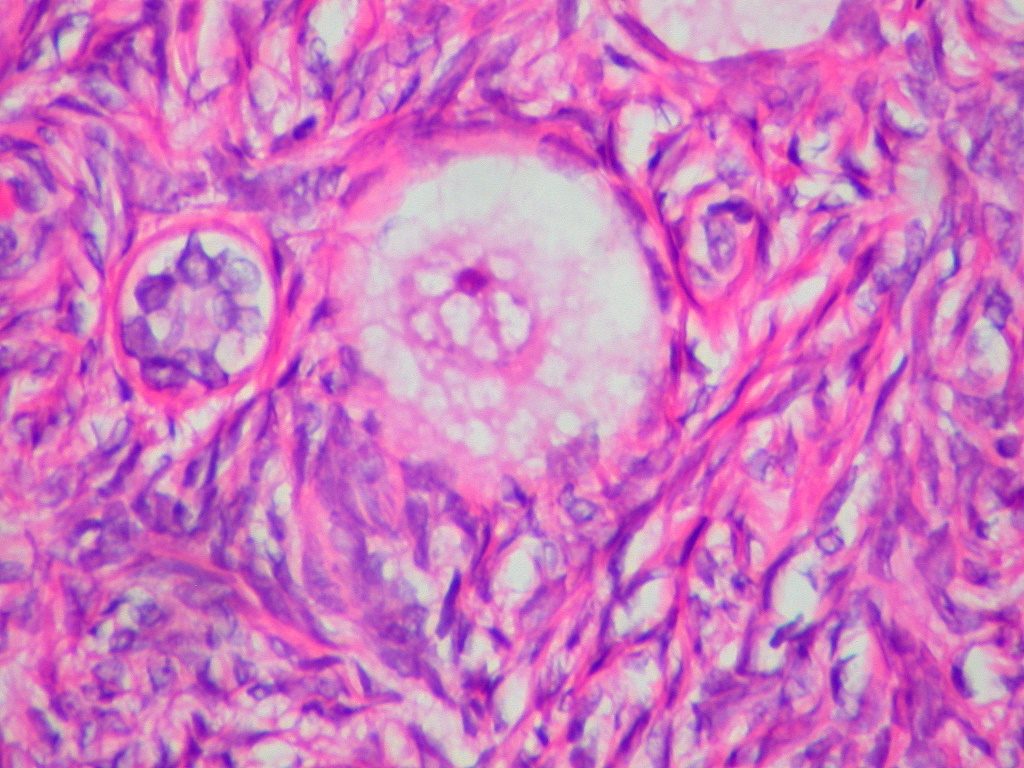
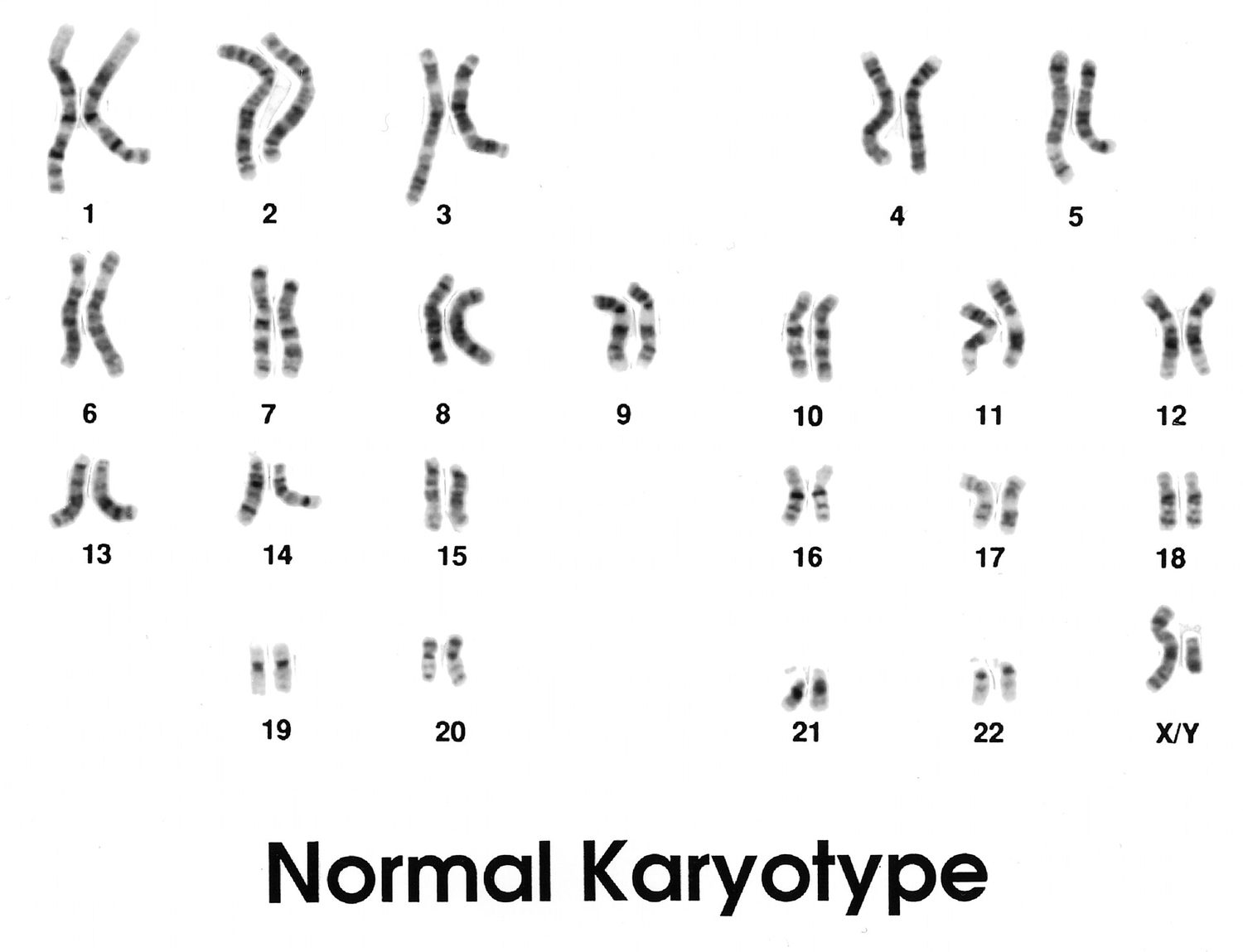 كرمتوتوم بشري: الكروموسومات الـ 46 مرتبة في 23 زوج متماثل (الزوج الأخير، X وY، يشير إلى أن هذا ذكر)*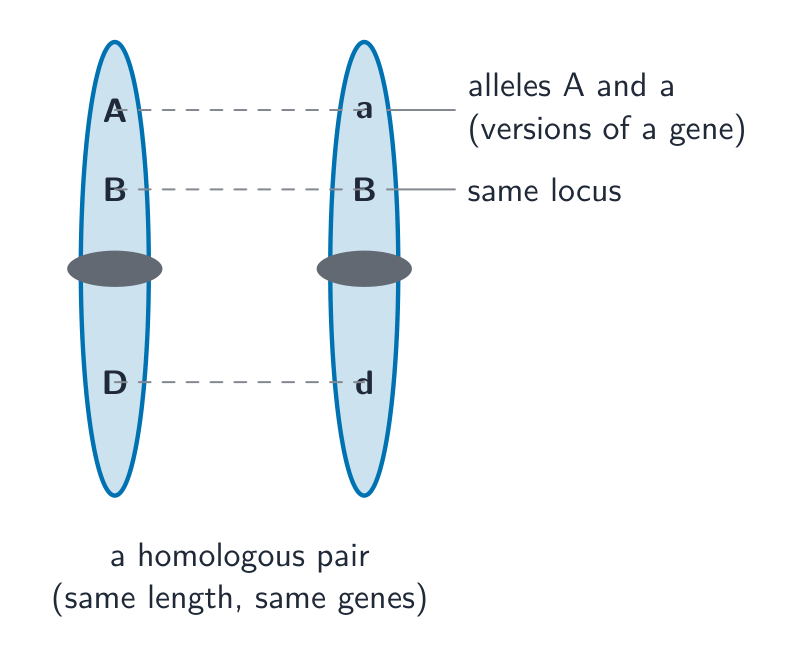
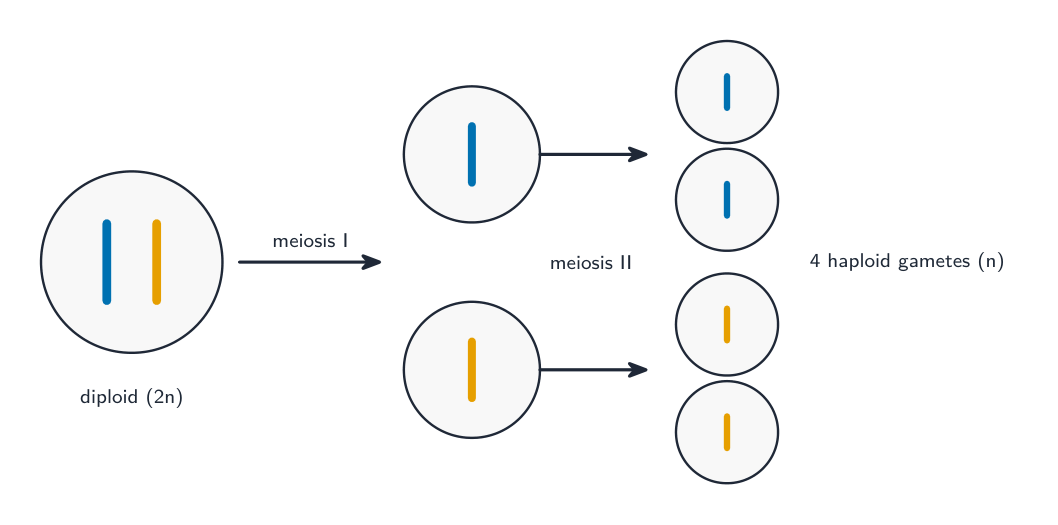
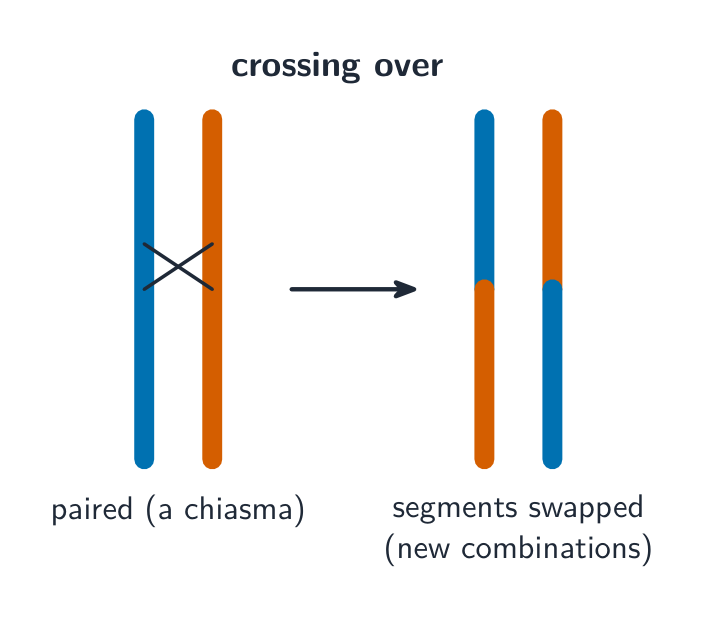
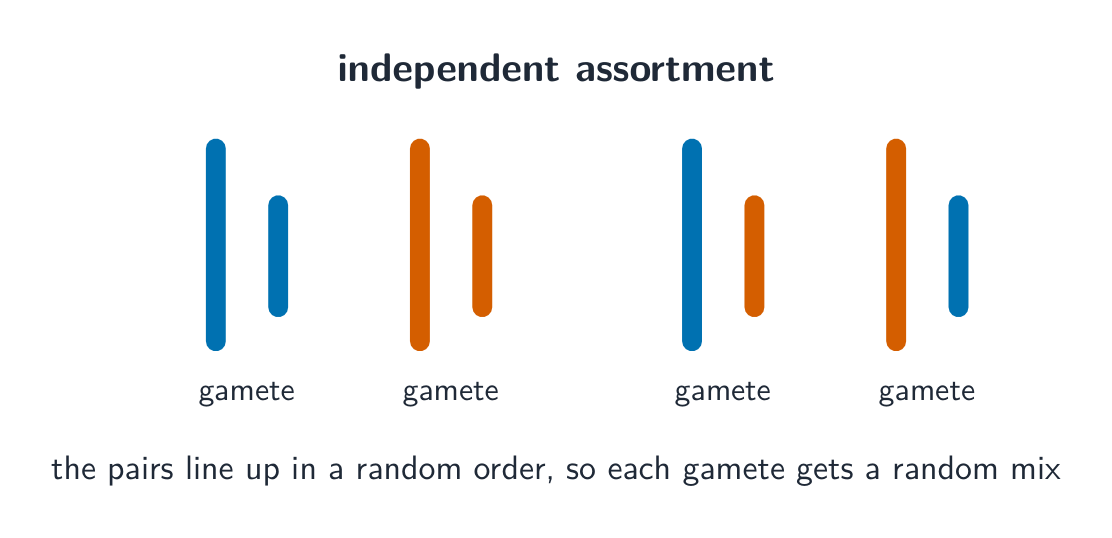
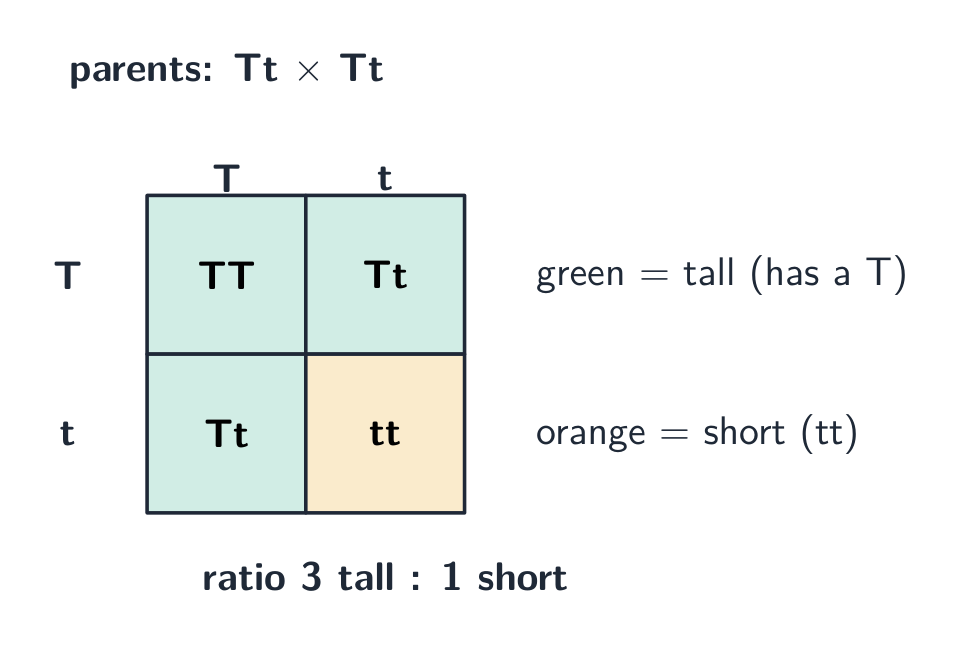
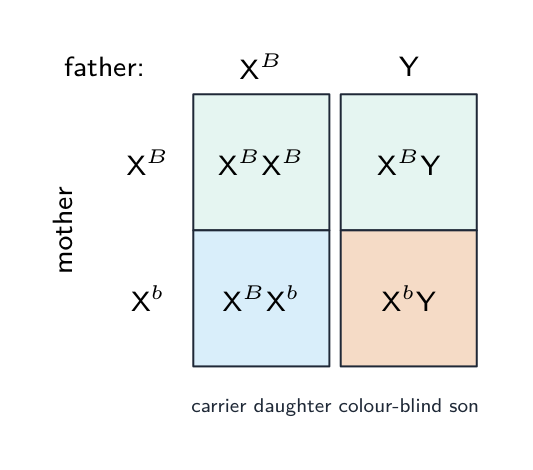
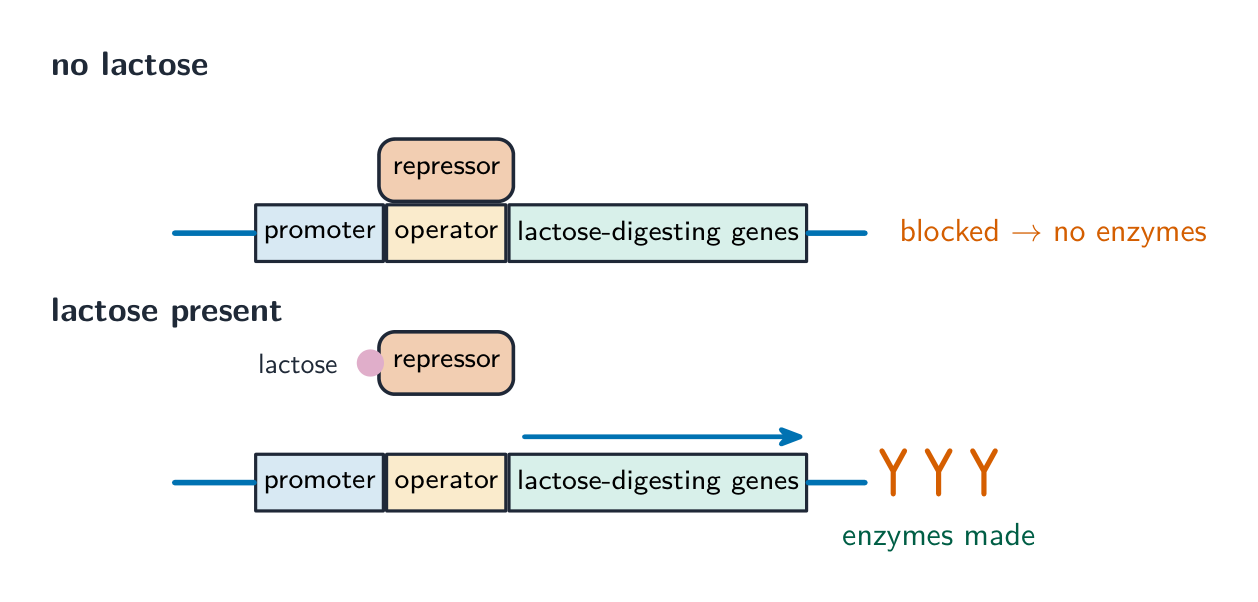
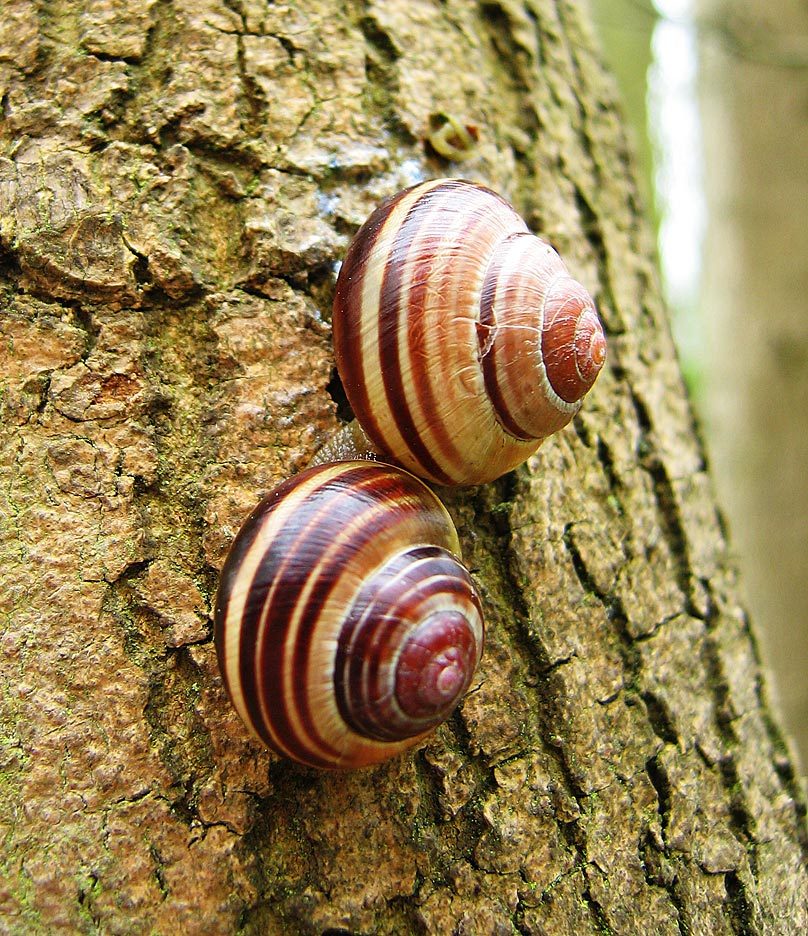

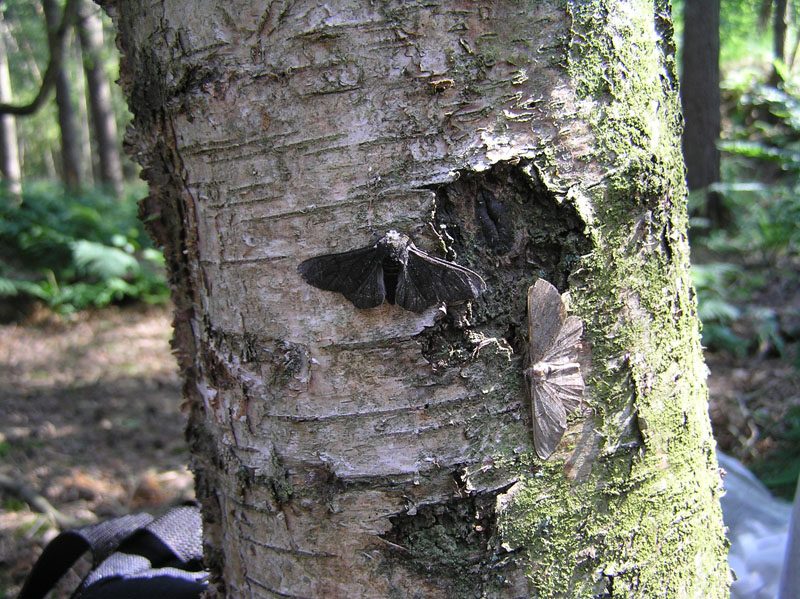
 *الاستقرار يضيق النطاق، والتوجيه يغير المتوسط، والمُفرق يقسّمه إلى قسمين
 *زجاجة: ينجو عدد قليل من كارثة ما، لذا يكون للتعداد المسترد تنوع جيني أقل
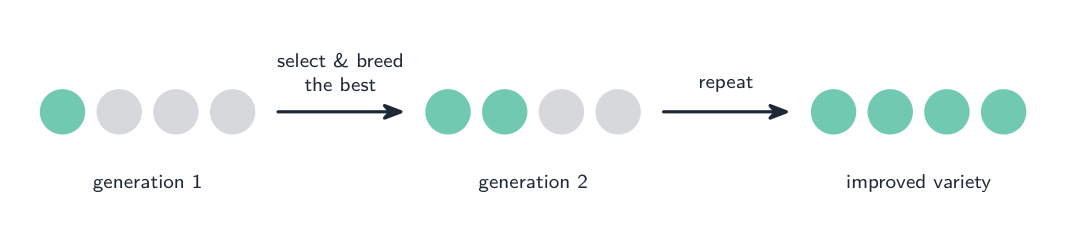



 المربعات والمقاطع تأخذ عينات من النباتات الثابتة؛ بينما estimating numbers of moving animals العلامة والإطلاق
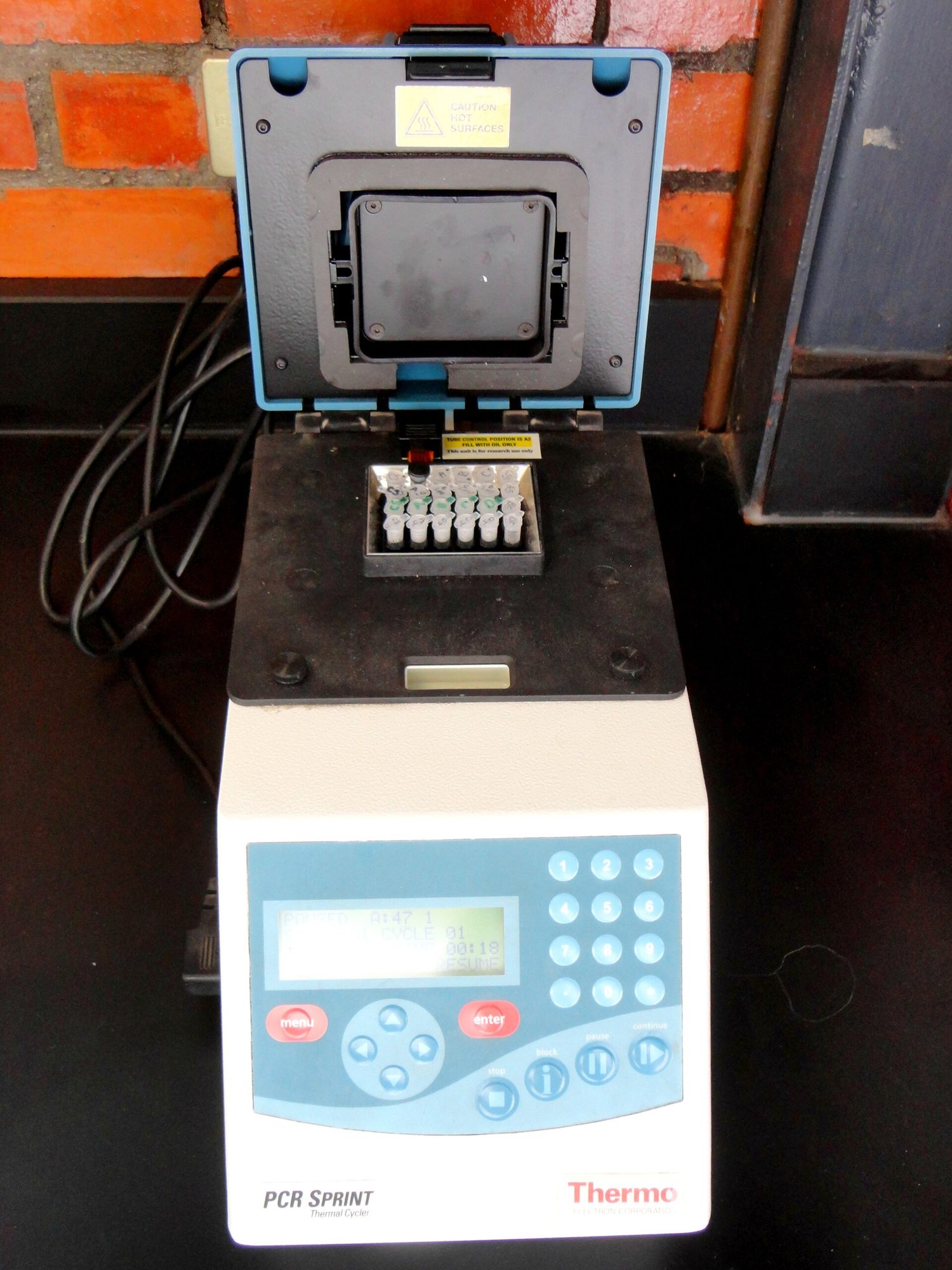
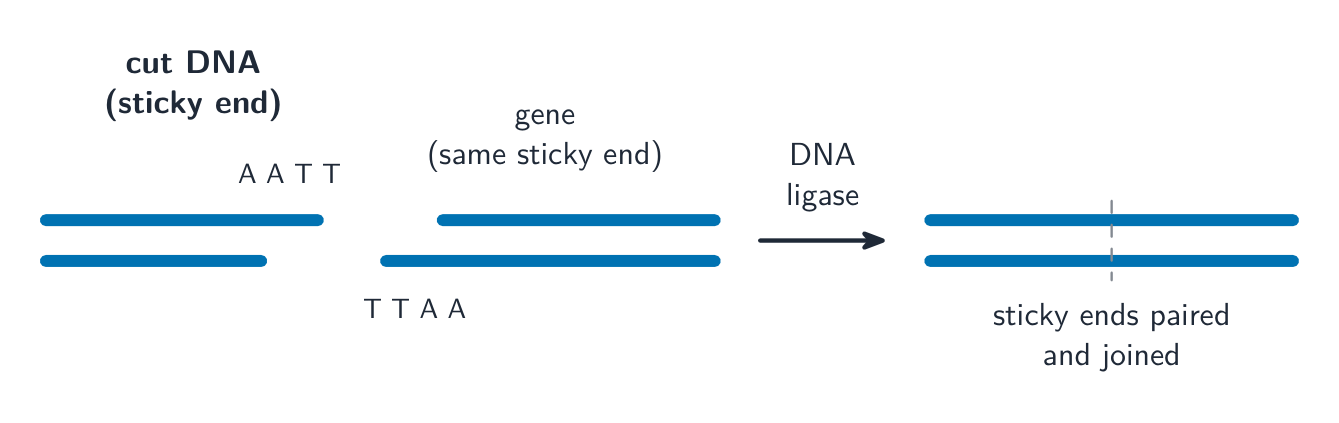 *يترك إنزيم القطع المحدد أطرافاً لزجة متطابقة؛ يربط DNA ليغاز جيناً مع الـ DNA المقصوص
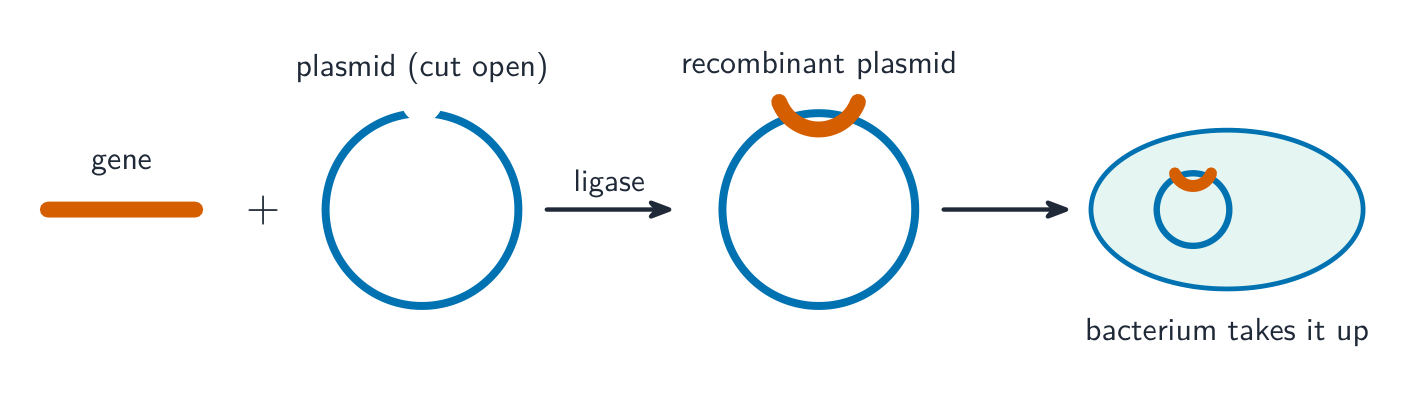 *يعمل البلازميد كناقل استنساخ: يتم ربط الجين بداخله، ويتم امتصاص البلازميد المركب بواسطة بكتيريا
 *تكرار PCR لدورات التسخين والتبريد؛ كل دورة تضاعف الـ DNA، مما ينتج ملايين النسخ
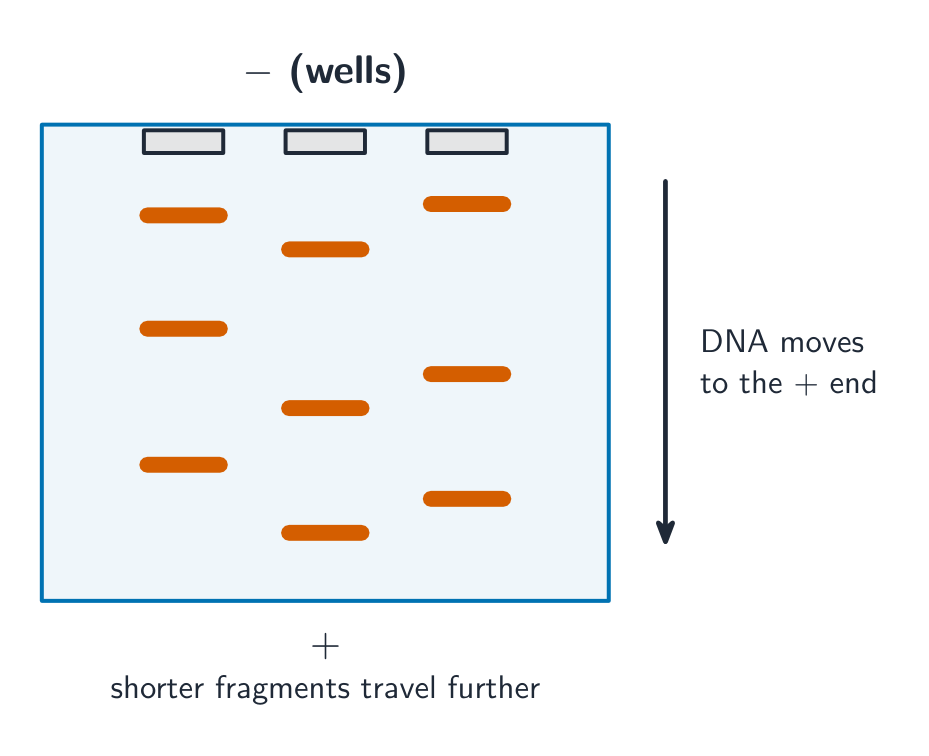 *الكهربة الهلامية: يتحرك الـ DNA نحو الطرف +، وقطع أقصر تسافر مسافة أبعد، مما يفرزها حسب الطول